


Ba Ria–Vung Tau real estate surges on infrastructure upgrades and major investor inflows
Ba Ria–Vung Tau real estate market is entering a phase of strong growth, emerging as one of the most notable bright spots in Vietnam’s Southeast region. The combined impact of increasingly integrated regional infrastructure, robust inflows of foreign direct investment, and the entry of major players in the industrial and real estate sectors is providing a clear boost, positioning the province as a new growth pole on the investment map. No longer a peripheral satellite market, Ba Ria–Vung Tau is steadily asserting its role as a logistics, tourism and industrial gateway for the Southern Key Economic Region, opening up long-term development potential for the local real estate sector.

▲Table of Contents
Ba Ria - Vung Tau real estate attracts strong domestic and foreign capital inflows
One of the key factors driving the recent acceleration of Ba Ria–Vung Tau’s real estate market is the sharp increase in foreign direct investment (FDI). In the first six months of 2025 alone, the province recorded total FDI inflows exceeding USD 1 billion, with dozens of newly licensed projects and multiple existing projects expanding their scale.
Major industrial groups from South Korea, China, Thailand and Europe have continued to channel capital into key industrial zones such as Phu My, Chau Duc and Long Son. The presence of these large investors has not only created jobs and contributed to economic growth, but has also generated substantial demand for housing, commercial real estate, services and logistics facilities.
Alongside industrial development, urban and resort real estate has also seen growing participation from leading developers. Well-planned, large-scale projects are increasingly reshaping the province’s urban landscape and raising overall market standards.
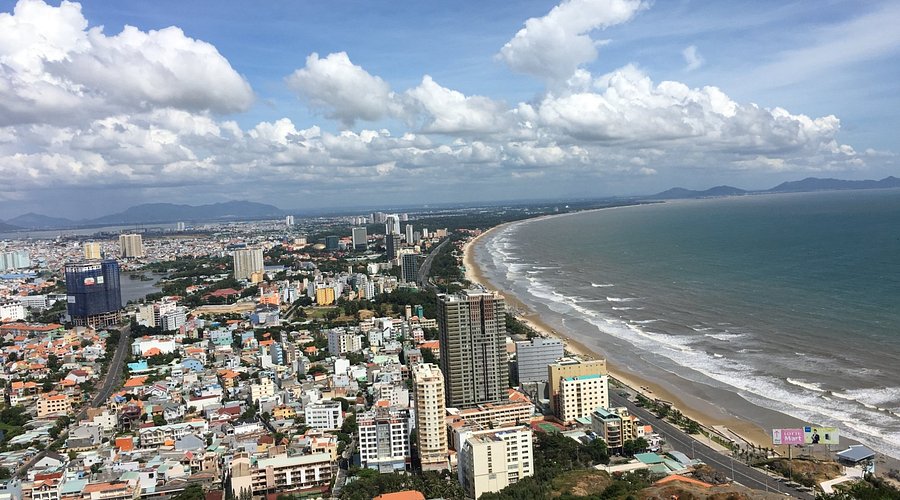
A new look for Vung Tau City (Source: Collected)
Major developers lead the development of integrated urban–tourism ecosystems
Beyond industrial investment, Ba Ria - Vung Tau has emerged as a strategic destination for major real estate groups. The entry of reputable developers with projects spanning hundreds of hectares reflects strong long-term confidence in the market’s fundamentals.
Notable developments include coastal urban areas, eco-urban projects, and large integrated resort and entertainment complexes in locations such as Vung Tau, Go Gang, Phuoc Thang, and coastal zones in Long Hai and Ho Tram. These projects not only add high-quality supply to the market but also serve as catalysts for broader service, commercial and tourism ecosystems across the region.
The involvement of major developers has helped shift Ba Ria - Vung Tau’s real estate market away from fragmented growth toward more structured and master-planned development, aligned with multi-functional urban models that integrate living, working, leisure and recreation - consistent with sustainable development trends.
Regional infrastructure upgrades drive land value growth
The most significant growth driver for Ba Ria - Vung Tau’s real estate market at present is the rapid improvement in regional transport infrastructure. A series of major projects are being rolled out simultaneously, leading to clear improvements in connectivity and property values.
Expressways linking the province directly with Ho Chi Minh City and the wider Southeast region, the Phuoc An Bridge, coastal road networks, and proposed light rail connections between Ho Chi Minh City and Vung Tau are shortening travel times, expanding development space and enhancing investment appeal.
As infrastructure accelerates, land prices in several areas have recorded notable increases. Within a relatively short period, locations such as Hac Dich, Tan Phuoc and Phuoc Hoa have seen price gains of 20–30%. Coastal areas including Long Hai and Ho Tram have also become transaction hotspots, driven by expectations surrounding high-end tourism and resort planning.
Notably, the province’s initiative to develop the Cai Mep - Thi Vai free trade zone is opening up significant opportunities for industrial real estate, logistics and supporting services, while providing fresh momentum for the broader market.
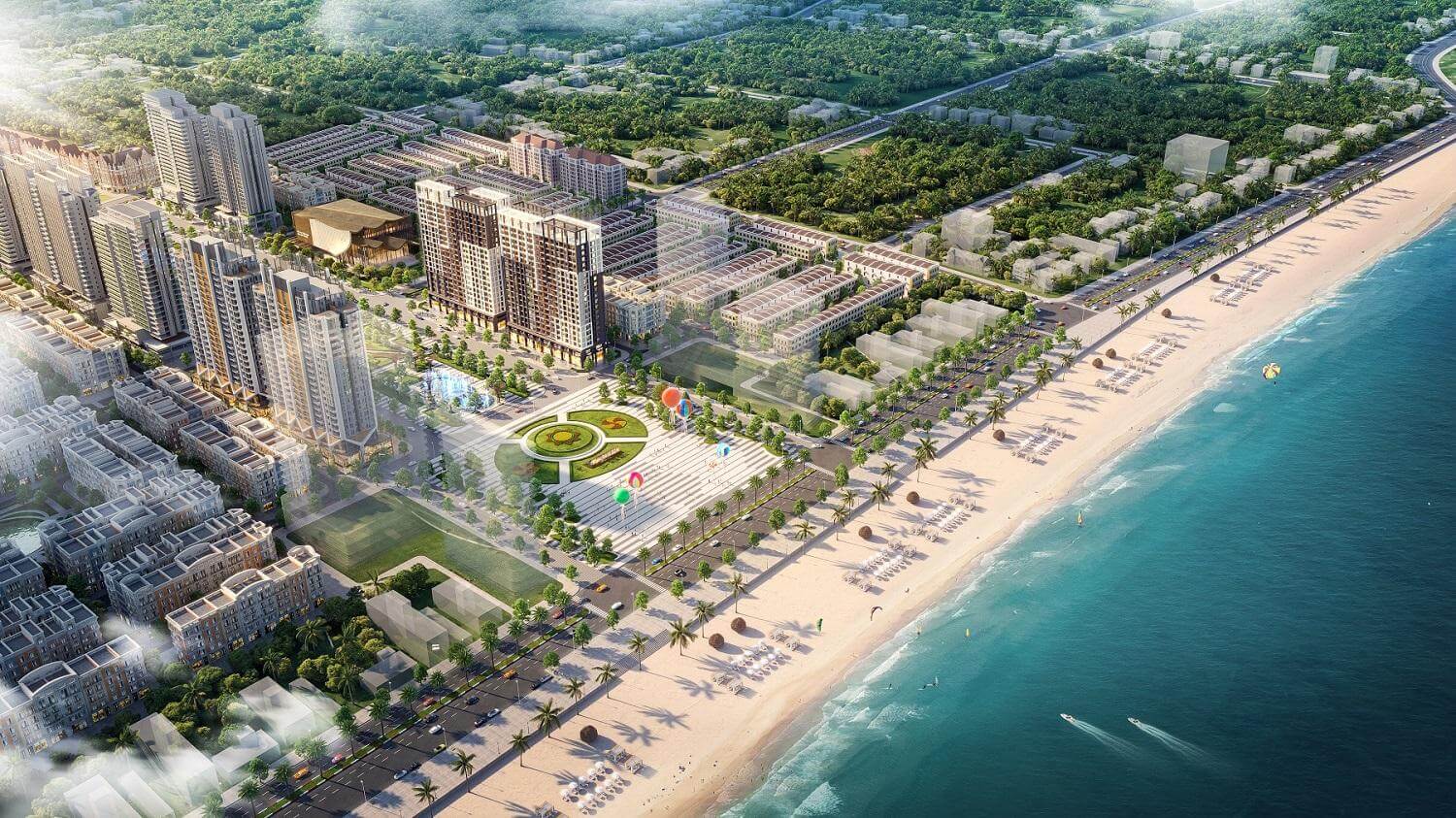
A new resort-style urban development in Vung Tau (Source: Collected)
Shaping a new growth pole in the Southeast region
Real estate activity is no longer concentrated solely in Vung Tau or Phu My. Localities such as Long Dien, Dat Do and Ba Ria City are also seeing rising activity, with new residential areas, satellite urban developments and housing projects for professionals being rolled out in response to growing end-user demand.
Over the long term, Ba Ria - Vung Tau is being positioned as a new growth pole in Vietnam’s Southeast region, with clean industry, port-based logistics, high-end tourism and smart urban development as its core pillars. This foundation is expected to support more stable and sustainable real estate growth, rather than short-term cyclical spikes.
However, experts caution that investors should remain prudent, avoiding speculative surges in areas lacking clear planning or completed infrastructure. Prioritizing projects with transparent legal status, reputable developers and locations closely linked to strategic infrastructure will be critical to investment performance over the medium and long term.
Outlook for Ba Ria - Vung Tau real estate, 2025 - 2030
With its role as a gateway to the Southeast region, increasingly comprehensive infrastructure, strong inflows of both foreign and domestic capital, and the leadership of strategic developers, Ba Ria–Vung Tau is steadily reinforcing its position as a resilient and attractive destination over the 2025 - 2030 period.
Amid a more polarized real estate market nationwide, localities that combine infrastructure development, capital inflows and major developers such as Ba Ria - Vung Tau are expected to continue playing a leading role, emerging as preferred destinations for both long-term investors and end users.