


Profitable shophouse investment from a cash flow perspective
Investing in commercial townhouses is attractive for their dual potential of asset appreciation and business exploitation. However, to invest wisely and at the opportune moment, investors must scrutinize cash flow, legalities, location, and regional growth potential, rather than merely following herd mentality.

▲Table of Contents
1. Overview of Shophouse Investment
1.1. Shophouses in the Asset Investment Mindset
Shophouses are a type of real estate combining asset ownership with business operations or rental, typically located on high-traffic routes. Unlike apartments primarily serving residential needs, or land plots focused on accumulation, this product has the potential to generate cash flow immediately upon operation, while also retaining long-term asset value.
In the context of the housing market in the recent period witnessing a strong legal purification, although supply has improved significantly, the high-end segment still accounts for a large proportion. Commercial townhouses therefore become a balanced choice between income generation and asset accumulation. Buyers therefore need to clearly understand the dual nature of the product before deciding to invest in commercial townhouses .
1.2. The appeal of investing in commercial townhouses in the medium to long-term cycle
Evidence shows that areas benefiting from inter-regional transportation networks such as Metro lines, Ring Roads, and radial highway systems have recorded stable asset value growth of 15-30% as these infrastructures are gradually completed and put into operation. This reflects the core role of infrastructure in sustainably enhancing real estate value.

Infrastructure and real cash flow create sustainable value for townhouses. (Source: Collected)
At the same time, the current investment trend is shifting from price appreciation expectations to focusing on actual exploitation value, making products that can generate stable cash flow more attractive. This is why commercial townhouses are often suitable for medium and long-term strategies.
1.3. Common objectives when investing in commercial townhouses
Market data shows that the townhouse segment in key urban areas has recorded a strong recovery in liquidity as investor sentiment has stabilized with the new legal framework. Some commercial townhouse investors prioritize immediate cash flow generation, while others aim to increase asset value over time as the city expands.
2. Criteria for selecting profitable commercial townhouses
2.1. Location determines the investment efficiency of commercial townhouses
Location is a core factor that directly affects the exploitation potential and price appreciation of commercial townhouses, especially on main traffic routes or in densely populated residential areas. Areas benefiting from infrastructure such as ring roads, metros, or highways often record clear changes in value and demand, indicating that a good location not only serves the present but also opens up growth potential. Furthermore, connectivity with existing residential areas helps maintain stable customer traffic, thereby enhancing business efficiency. Investors need to evaluate location based on both existing factors and future planning when choosing to invest in commercial townhouses.
2.2. Exploitation functions of commercial townhouses
Functional utility depends on facade design, floor area, parking capacity, and flexibility in space division. Market reality shows that within the same area, rental efficiency can differ significantly due to variations in facade width or floor separation capability.

Flexible design and wide frontage help optimize cash flow for townhouses. (Source: Collected)
In the context of diverse rental demands, from retail to services, products with flexible functionality are usually easier to fill. This helps optimize cash flow and reduce risks during operation when investing in commercial townhouses .
2.3. Price base and appreciation margin of commercial townhouses
Recent market reports show that the price increase margin of commercial townhouses in large urban areas remains high compared to the previous 5-year cycle, reflecting the long-term upward trend of urban real estate tied to land. Determining the safety margin based on the new market-based land price list helps investors limit risks when the market fluctuates. However, the price difference between areas is also very large, especially between the center and satellite areas. Determining the safety margin helps investors limit risks when the market fluctuates.
2.4. Occupancy rate and target tenant segment
The effectiveness of commercial townhouses depends on their ability to match the actual consumption needs of the area. Areas with tourism, densely populated urban areas, or office areas often have different tenant characteristics, ranging from retail to food services or offices.

Commercial townhouses achieve high liquidity when meeting real consumer demand. (Source: Collected)
The absorption rate in strategically located commercial townhouse projects often remains at a high level, reaching from 70 to 80 percent right in the early stages of sale. This shows that areas with real demand and clear business potential always maintain good liquidity. Investors need to clearly identify the tenant segment to choose suitable products.
3. Legal basis to check before investing in commercial townhouses
3.1. Ownership documents and exploitation rights need to be checked carefully
Buyers should carefully check the project's legal documents, especially land use rights and the duration of use. The Real Estate Business Law 2023 (No. 29/2023/QH15) and the Land Law 2024 (No. 31/2024/QH15) have strictly stipulated the disclosure of project information and business conditions. Understanding these regulations helps limit risks related to ownership rights and actual exploitation capabilities when investing in commercial townhouses.
3.2. Conditions for bringing commercial townhouses into transaction
For future-forming real estate, products are only allowed to be put into business when they fully meet the legal conditions according to current regulations. Decree 96/2024/ND CP provides detailed guidance on the provisions of the Law on Real Estate Business, which requires projects to have transparent documentation, ensure progress, and handover conditions.
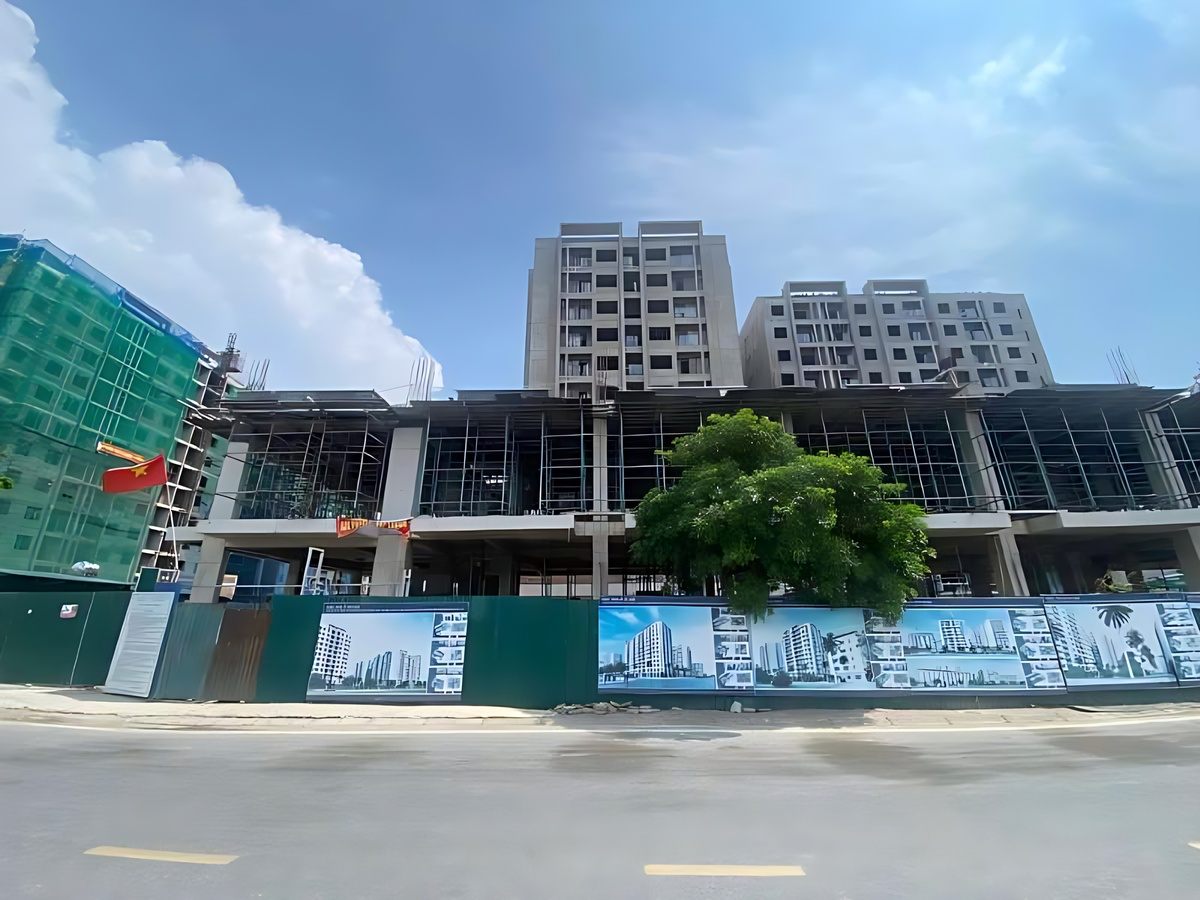
Transparent legal framework helps increase trust and promote real estate liquidity. (Source: Collected)
For real estate to be formed in the future, products are only allowed to be put into business when they meet the full conditions regarding construction permits and the completion of land financial obligations as stipulated by Decree 96/2024/ND-CP and guiding documents of the Law on Real Estate Business. The transparency of project information on the state management system has contributed to increasing trust and significantly improving liquidity.
3.3. Common legal risks when investing in commercial townhouses
Legal risks often stem from misunderstanding the intended use or not fully checking commercial operation terms. In some cases, investors confuse asset ownership with actual exploitation rights, leading to difficulties in business operations. Furthermore, overlooking legal progress or transfer conditions can also cause financial risks. These issues require buyers to carefully assess before deciding to invest.
4. Commercial townhouse investment strategy for sustainable cash flow
4.1. Strategy of buying for rental exploitation
This strategy focuses on creating stable cash flow through rental, with factors to consider including rental yield, finishing costs, and occupancy time. As the market shifts towards a trend of substantive investment, the demand for asset exploitation to generate sustainable passive income is becoming increasingly important. Investors need to consider the payback period and the ability to maintain stable cash flow.
4.2. Infrastructure-driven buy-to-appreaciate strategy
Choosing areas with clear infrastructure planning helps increase profitability over time. Metro lines, highways, and ring roads in the southern region have created price growth momentum for many areas, while also promoting the trend of population decentralization from the center. As population and amenities develop, real estate values are also consolidated sustainably. This is a suitable strategy for investors with a long-term vision.
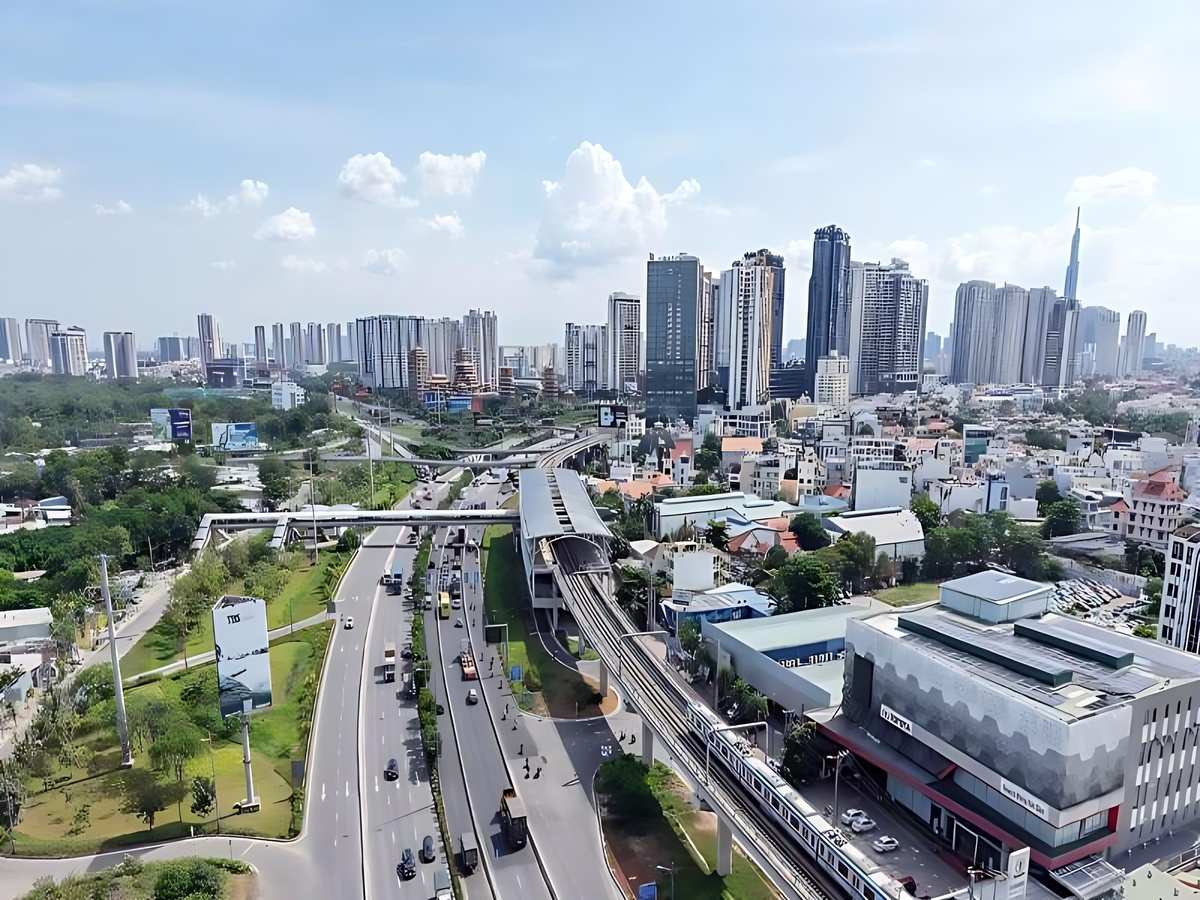
Clear infrastructure planning drives price increases and sustainable real estate profitability. (Source: Collected)
Capital management when investing in shophouses
Capital management is a key factor in reducing financial pressure. Investors need to determine the ratio of equity capital, borrowing capacity, and tolerance for negative cash flow during the pre-exploitation phase. With clear differentiation in real value between areas, financial strategies require flexibility and risk contingency to ensure safety against interest rate fluctuations or changes in local planning.
Investing in commercial townhouses is a game of vision, the ability to read cash flow, and discipline in product selection. When the location is good enough, the functionality is flexible enough, and the legal status is clear enough, investors not only own a long-term valuable asset but also create a stable income stream over time.