


Wellness real estate emerges as a capital-attracting segment
In the post-pandemic period, the concept of resort living has moved beyond short-term accommodation or leisure. Instead, the market is witnessing the strong emergence of wellness real estate - a segment that simultaneously addresses the growing demand for healthy, safe living and long-term investment sustainability. Supported by distinctive natural advantages, increasingly tangible end-user demand and the ability to generate stable cash flows, this segment is widely regarded as a new destination for capital in the coming period.

▲Table of Contents
An inevitable post-pandemic market trend
As physical and mental health have become top priorities, wellness resort real estate is shaping a new standard of living. People are no longer looking merely for places to rest, but for environments that support holistic health recovery, mental balance and long-term quality of life.
As the tourism industry rebounds strongly, demand for destinations that integrate leisure, therapy and energy regeneration continues to rise. This trend has laid the foundation for wellness-focused resort real estate to emerge as an inevitable direction, gradually replacing traditional resort models that are heavily dependent on seasonal demand.
Beyond short-term tourists, wellness developments are increasingly targeting long-stay visitors, older demographics, individuals requiring regular health care, and upper-middle-income groups seeking high-quality living experiences.

Wellness resort real estate (Source: Collected)
Continued growth outlook for wellness resort real estate
In practice, wellness resort developments today are placing greater emphasis on real user value rather than purely on investment appeal. Wellness-oriented amenities are becoming increasingly diversified, ranging from natural hot mineral springs, therapeutic spas, meditation and yoga spaces, detox programs and therapeutic pools to ecological parks and extensive green areas.
Localities with distinctive natural advantages such as Hoa Binh, Quang Binh, Vinh Phuc, Phu Tho and Khanh Hoa are emerging as new investment destinations. These areas not only offer green landscapes and favorable climates but also possess valuable natural resources such as hot and cold mineral springs and pristine ecological environments—key prerequisites for the development of authentic wellness real estate.
According to industry experts, the combination of natural assets, well-structured planning and sustained long-term healthcare demand has given this segment solid growth potential, even as the broader real estate market remains increasingly fragmented.
Competitive advantages and long-term return potential
One of the most compelling attractions of wellness resort real estate lies in its scarcity. Not every location meets the natural and environmental conditions required to develop wellness projects in a comprehensive and sustainable manner. As a result, the supply of truly high-quality wellness developments remains limited.
This scarcity creates a clear competitive advantage and opens up potential for medium- to long-term price appreciation. Unlike mass-market resort products, wellness real estate is able to maintain stable appeal thanks to year-round usage demand, with less reliance on peak tourism seasons.
In addition, the “all-in-one” resort model - integrating accommodation with physical and mental wellness services in line with wellness living standards - helps projects maintain high occupancy rates and stable cash flows. This factor makes the segment comparatively safer than many traditional resort models.
Notably, the customer base for wellness resort real estate is highly diverse. In addition to affluent and upper-middle-income buyers seeking premium experiences, the segment also attracts older clients focused on long-term health recovery, as well as younger generations increasingly committed to healthy and balanced lifestyles. This diversity helps projects maintain stable demand and reduces reliance on any single customer group.
Legal clarity and operations: key factors for effective investment
Despite its strong potential, wellness resort real estate is not a segment for indiscriminate investment. Experts emphasize that legal transparency and operational capability are decisive factors in determining investment effectiveness.
Investors are advised to prioritize projects with clear legal frameworks, well-defined planning and completed infrastructure. Developments that are already operational or managed by professional operators can significantly reduce risks related to occupancy rates, maintenance costs and actual operational performance.
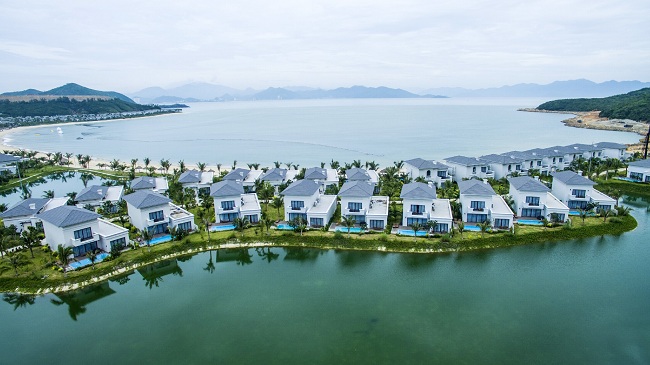
Wellness-oriented tourism (Source: Collected)
Conversely, following short-term hype or investing in projects with incomplete legal status or unclear long-term operational strategies may expose investors to considerable risks, from high operating costs to underwhelming returns.
In an increasingly polarized market, only projects that are well planned, backed by distinctive natural advantages and supported by long-term operational strategies are likely to remain resilient and deliver sustainable value to investors.
Long-term prospects for wellness resort real estate
With the growing emphasis on healthy and high-quality living, wellness resort real estate is expected to continue attracting investment capital in the years ahead. This trend extends beyond real estate alone, closely linked to the sustainable development of tourism and healthcare in Vietnam.
Over the medium and long term, the segment is widely viewed as capable of delivering dual value: meeting genuine end-user demand while offering stable income potential. As investors become more selective and increasingly favor assets with solid fundamentals, wellness resort real estate is likely to emerge as a strategic choice in the evolving market landscape.