


Detailed and optimized cost of building a wine cellar in a townhouse
The cost of building a wine cellar in a townhouse is becoming a concern for many homeowners who love a luxurious living space. Not just a place to store wine, a wine cellar also reflects aesthetic taste and real estate value. The article below will help you understand the costs and how to optimize efficiency.

▲Table of Contents
1. Learn about wine cellar construction costs in townhouses
1.1. Concept of wine cellar costs
Wine cellar construction costs in townhouses include many items from design, structural construction to standard wine preservation systems. Factors such as temperature, humidity, and light control play an important role in maintaining the long-term quality of wine. Currently, the initial investment cost often accounts for 7% to 15% of the total townhouse construction value, depending on the scale and modernity of the applied technology.
Besides construction costs, interior furnishings and equipment systems also significantly affect the total budget. Modern wine cellars often integrate automatic control technology to maintain a stable environment. Choosing a suitable solution helps balance the effective cost of building a wine cellar in a townhouse, while ensuring aesthetics and long-term usability in urban living spaces.
1.2. Popular types of wine cellars
In townhouses, wine cellars are classified by structure such as sunken cellars, semi-basements, and integrated mini cellars. The latest market data shows that the mini cellar segment accounts for about 50% thanks to their flexibility, suitability for popular townhouse areas from 60 to 100 m², and their ability to well meet the usage needs of modern young families.
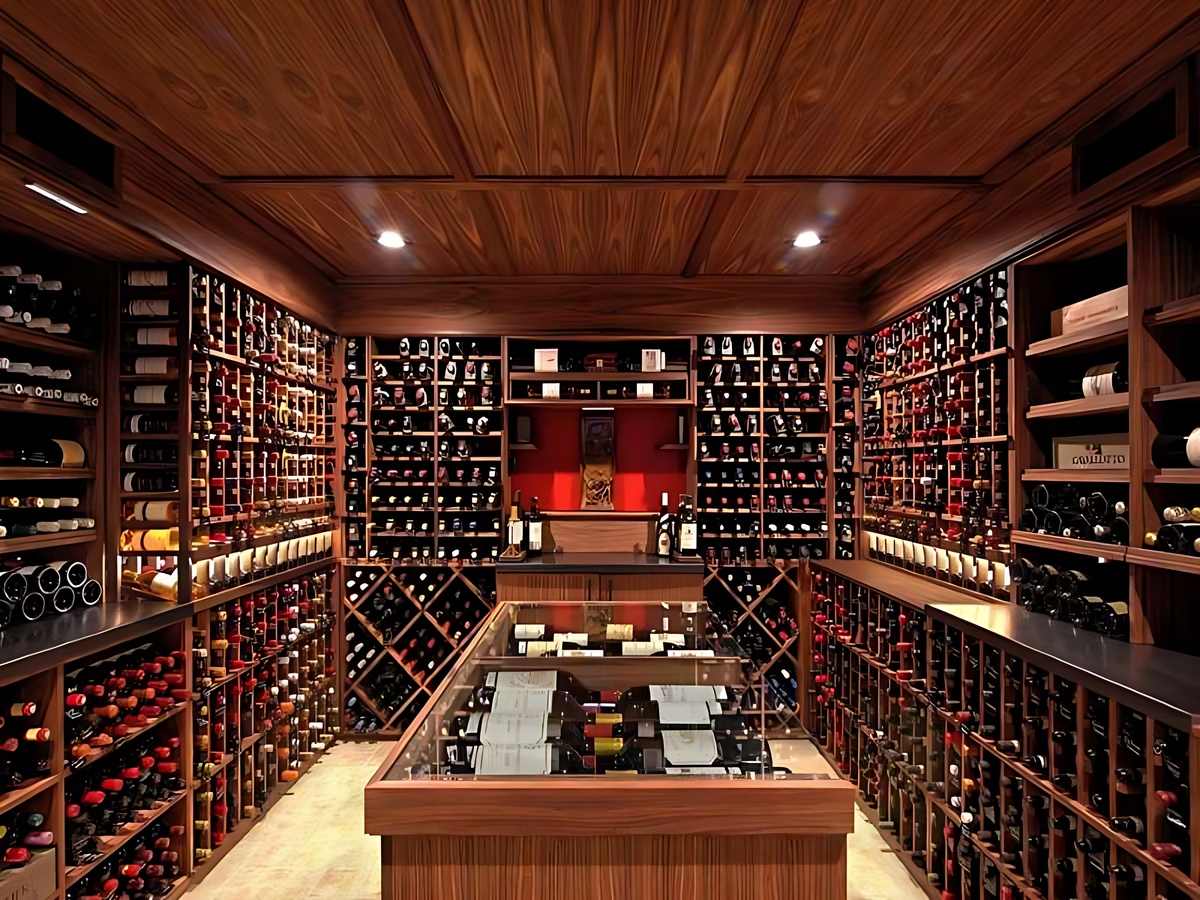
Modern integrated mini wine cellar design for small-area townhouses. (Source: Collected)
Underground cellars usually require more complex construction, costing 20 to 40% more than other types due to the need for thorough structural treatment and waterproofing. Meanwhile, semi-underground cellars are considered a balanced solution between cost and usability. Choosing the right type of cellar helps optimize the cost of building a wine cellar in a townhouse according to the actual conditions of each family.
1.3. Reasons for Cost Differences
The cost difference in building wine cellars stems from many factors such as area, materials, and preservation technology. Projects in large urban areas record a difference of 20 to 30% between projects of the same scale. Furthermore, high technical requirements in controlling the preservation environment also significantly increase costs compared to ordinary interior spaces.
Furthermore, the workmanship and the level of interior finishing also directly impact the total cost. Projects using high-end materials and modern control systems usually have higher investment costs but offer long-term usability. Fully evaluating these factors helps to reasonably control the cost of building a wine cellar in a townhouse and avoid unexpected expenses.
2. Components of the cost of building a wine cellar in a townhouse
2.1. Wine cellar design costs
Wine cellar design includes technical drawings, 3D perspectives, and selection of architectural styles suitable for the overall townhouse. Design costs usually range from 150,000 to 300,000 VND per m2 depending on complexity. According to 2024 statistics, classic style designs usually have higher costs by about 10 to 15% compared to modern styles.
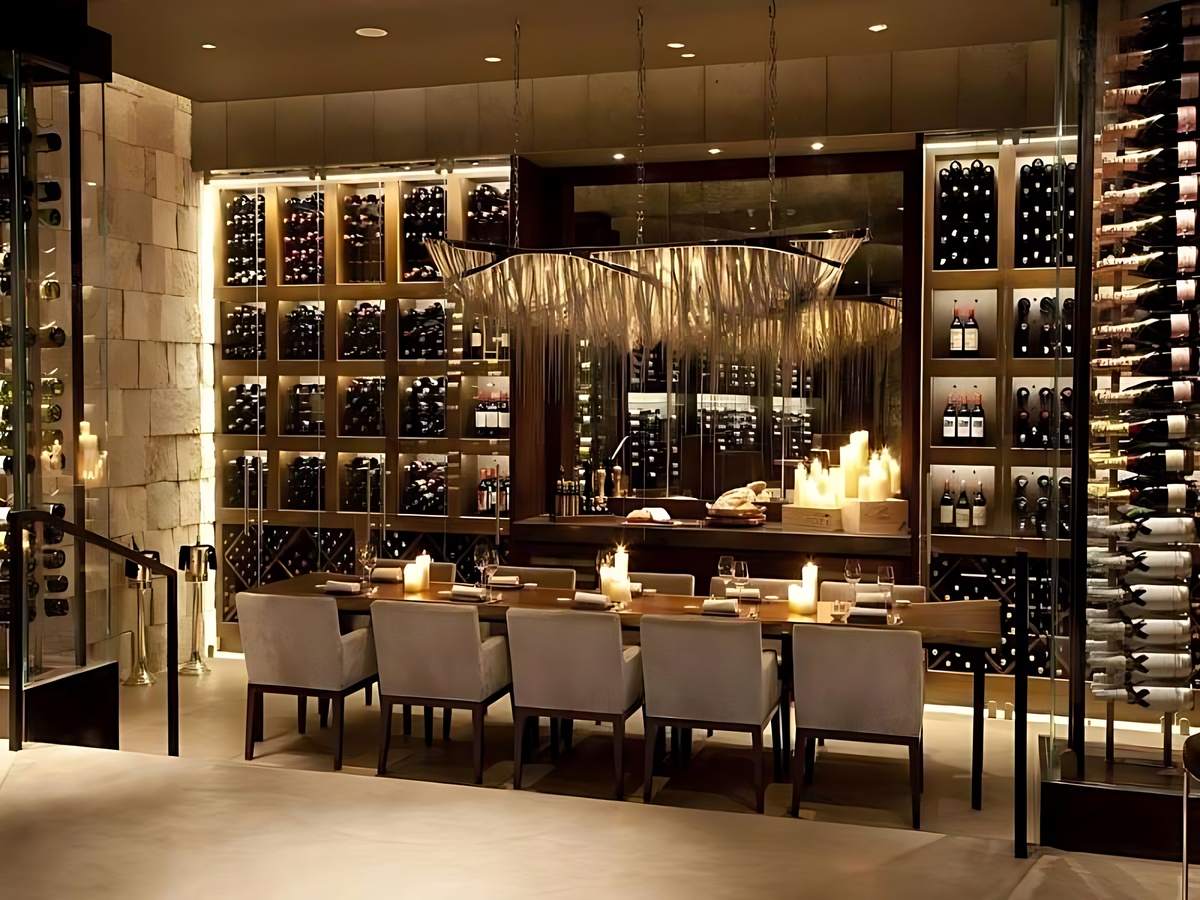
3D perspective drawing of a classic-style wine cellar for a townhouse. (Source: Collected)
2.2. Rough construction cost
The rough part of the wine cellar includes foundation excavation, waterproofing, and reinforced concrete structure construction to ensure long-term stability. For townhouses in urban areas, the rough construction cost can account for 30% to 40% of the total wine cellar investment. Dealing with weak soil foundations or renovating old houses also increases costs by about 10% to 20%.
2.3. Preservation system cost
Wine preservation systems are crucial factors determining storage quality, including temperature control, humidity control, and ventilation. Systems meeting international standards usually maintain a temperature of 12 to 16 degrees C and humidity around 60 to 70%. The cost of this system can account for 25 to 35% of the total investment, depending on the technology used.
2.4. Interior decoration costs
The wine cellar interior includes natural wood cabinets, metal shelves, and a decorative lighting system that enhances aesthetic value. Natural wood (such as oak, walnut) is significantly more expensive than industrial materials but offers superior moisture resistance and durability in cellar environments. Specialized LED lighting systems with low heat emission are also important components that help protect wine quality and create a luxurious visual effect.
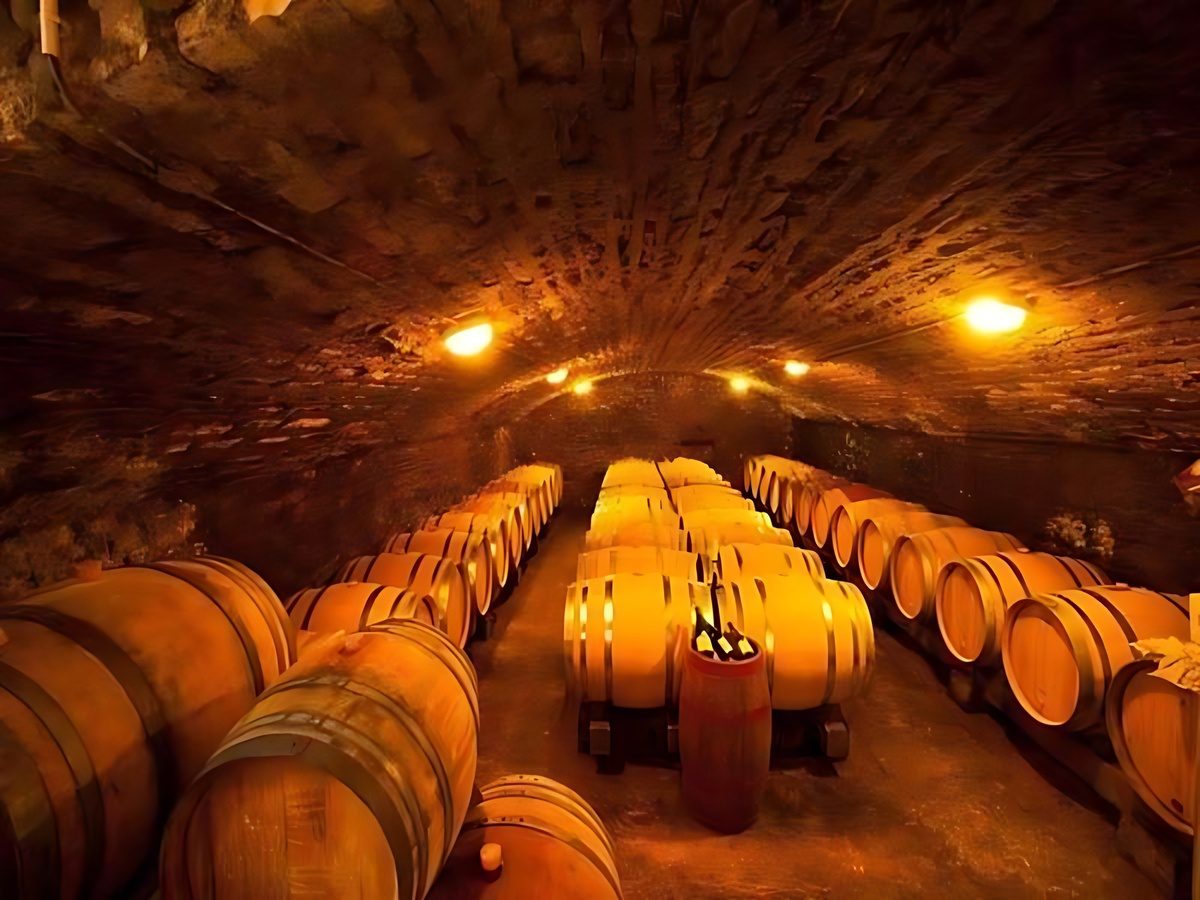
Oak wine cellar interior combined with luxurious LED lighting. (Source: Collected)
2.5. Additional costs during construction
During actual construction, contingencies such as special foundation reinforcement, drainage system upgrades, or permit procedure adjustments can increase the budget. Construction experts recommend homeowners set aside about 10% to 20% of the total investment to handle arising technical issues, ensuring the project's progress and quality according to plan. Forecasting these amounts helps effectively control the cost of building a wine cellar in a townhouse.
3. Quotation for the cost of building a wine cellar in a townhouse by scale
3.1. Cost of small-area wine cellars
With an area of 5 to 10 m², a mini wine cellar is the optimal solution for townhouses with limited space. The current package investment level ranges from 200 to 400 million VND depending on the type of materials and smart electrical cabinet system. This type prioritizes compactness while still ensuring accurate storage parameters.
3.2. Average area wine cellar cost
A wine cellar from 10 to 20 m² provides space for display combined with an on-site tasting area with a cost of 450 to 850 million VND. This is the most popular segment in large urban areas today, accounting for over 60% of the domestic wine cellar construction market share thanks to the balance between functionality and investment cost.
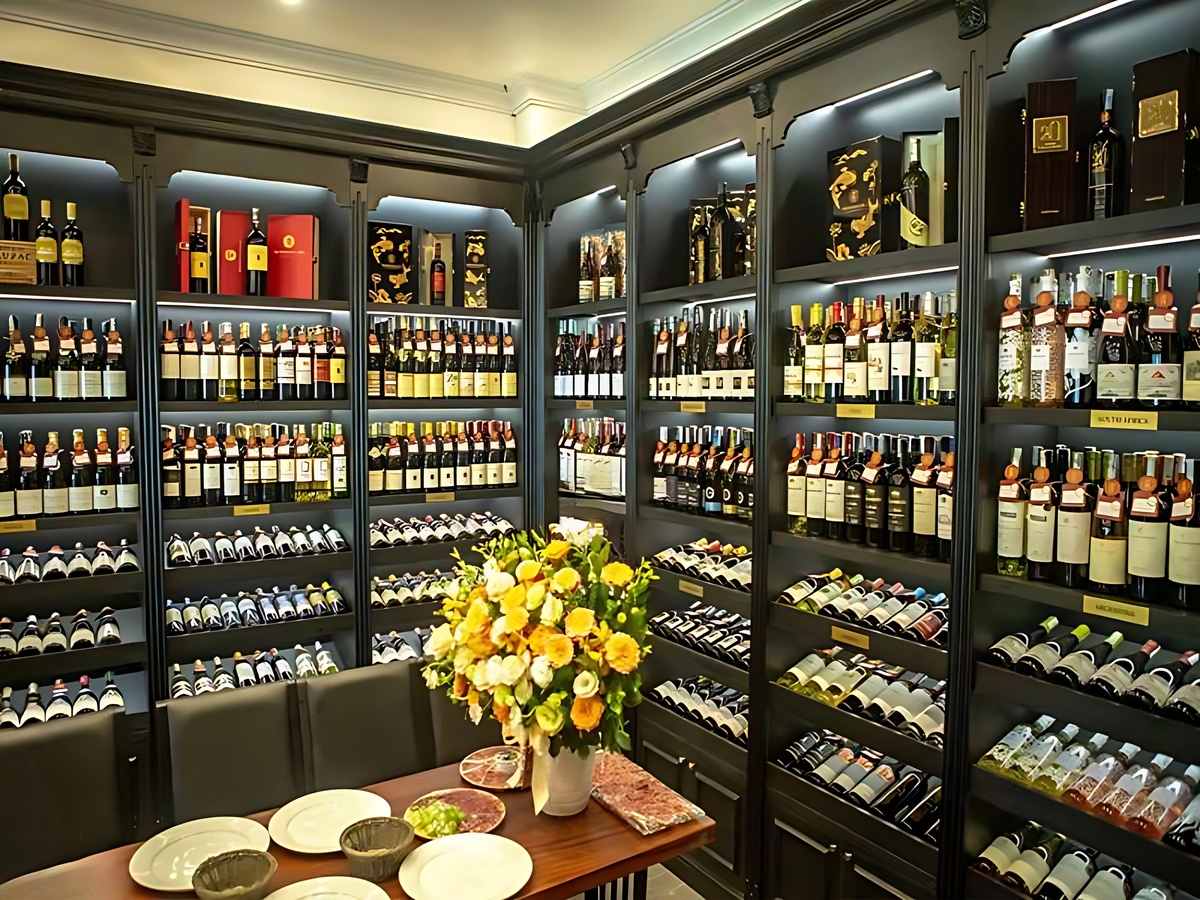
Luxurious and modern small-space wine cellar model. (Source: Collected)
3.3. High-end wine cellar cost
High-end wine cellars integrated with luxurious interiors and modern control technology cost from 800 million to over 1.5 billion VND. These constructions often use high-class materials and automated systems that help control temperature precisely. This investment is suitable for long-term wine display and collection needs.
3.4. Cost comparison by material
The cost of building a wine cellar depends heavily on materials such as natural wood, metal, and tempered glass. Natural wood is expensive but offers good aesthetics and durability, while metal and glass help reduce costs by about 15 to 25%. Choosing the right materials helps balance the budget while ensuring quality.
4. Experience in optimizing the cost of building wine cellars in townhouses
4.1. Choosing a suitable location
Choosing a location for a wine cellar in an area with minimal heat impact, such as a deep basement or the central core of the house, helps reduce the operating pressure on specialized air conditioning systems. Smart placement can help homeowners save up to 25% on monthly electricity consumption costs and extend the lifespan of environmental control equipment. This contributes to optimizing the overall cost of building a wine cellar in a townhouse .
4.2. Optimizing material usage
Using alternative materials such as moisture-resistant engineered wood or powder-coated metal helps reduce costs while still ensuring durability. According to 2023 data, these materials can save from 10 to 30% compared to natural wood. Choosing the right materials also helps reduce maintenance costs during use.
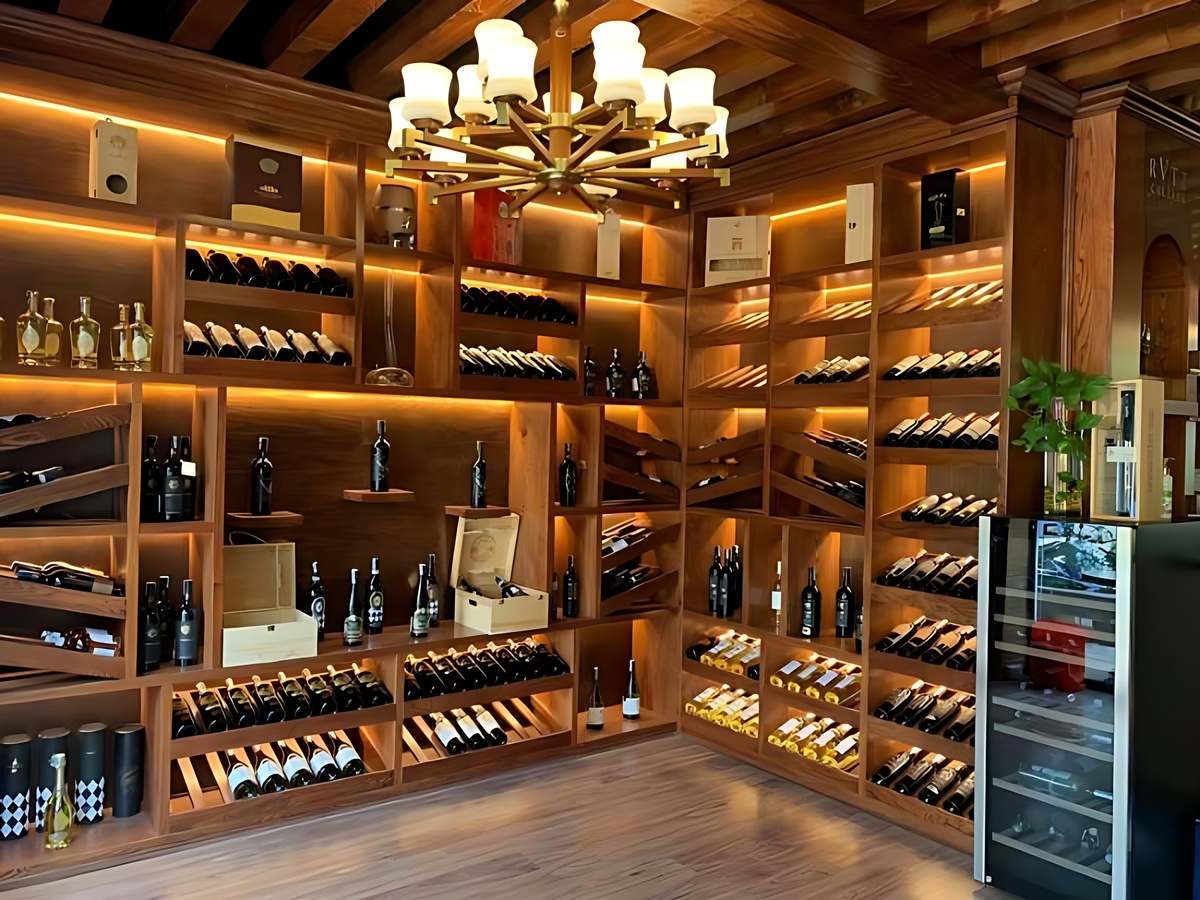
Construction of wine cellars using alternative materials helps save investment costs. (Source: Collected)
4.3. Choosing a reputable construction unit
An experienced construction unit helps ensure quality and limit unexpected costs during the construction process. Professional contractors usually provide transparent quotes and clear warranty policies. According to 2024 statistics, projects using reputable units have a lower rate of cost overruns by about 15%.
4.4. Legal considerations for construction
The construction of wine cellars must strictly comply with regulations on the renovation of individual houses under the Law on Construction No. 50/2014/QH13 (consolidated with the latest amendments) and Decree 06/2021/ND-CP on construction quality management. Specifically, ensuring structural safety and fire prevention and fighting are mandatory requirements to avoid legal risks and ensure the safety of adjacent structures in residential areas.
When clearly understanding the cost of building wine cellars in townhouses, homeowners will be more proactive in budgeting and choosing suitable solutions. A well-invested wine cellar not only elevates the living space but also contributes to sustainably increasing real estate value over time.