


Detailed comparison: How do resort apartments differ from regular apartments?
Amidst a plethora of options on the market, many people wonder how resort apartments differ from regular apartments to make a suitable decision. Not only do they differ in location or amenities, these two types also have distinct differences in living experience and investment value. This article will help you clearly understand each important aspect.

▲Table of Contents
1. General Overview of Resort Apartments and Regular Apartments in Real Estate
1.1. Definition of Resort Apartments in the Tourism Real Estate Ecosystem
A resort apartment is a type of real estate belonging to the resort segment, usually built in tourist areas to serve the short-term accommodation needs of visitors. This model combines apartments with hotel services to provide a convenient experience. This helps meet modern vacation needs.
Resort apartments are usually designed with full amenities such as a kitchen, living room, and relaxation area, and come with professional management services. This allows users to both relax and enjoy hotel-like conveniences. The living space offers a high-experience value. When learning about how resort apartments differ from regular apartments, it can be seen that this model is geared more towards vacationing and tourism exploitation than for long-term living needs.
1.2. Explanation of traditional urban apartments
Traditional apartment is a type of housing built in urban areas to serve the long-term living needs of residents. This model focuses on basic amenities and stability in living. This suits the need for actual living.
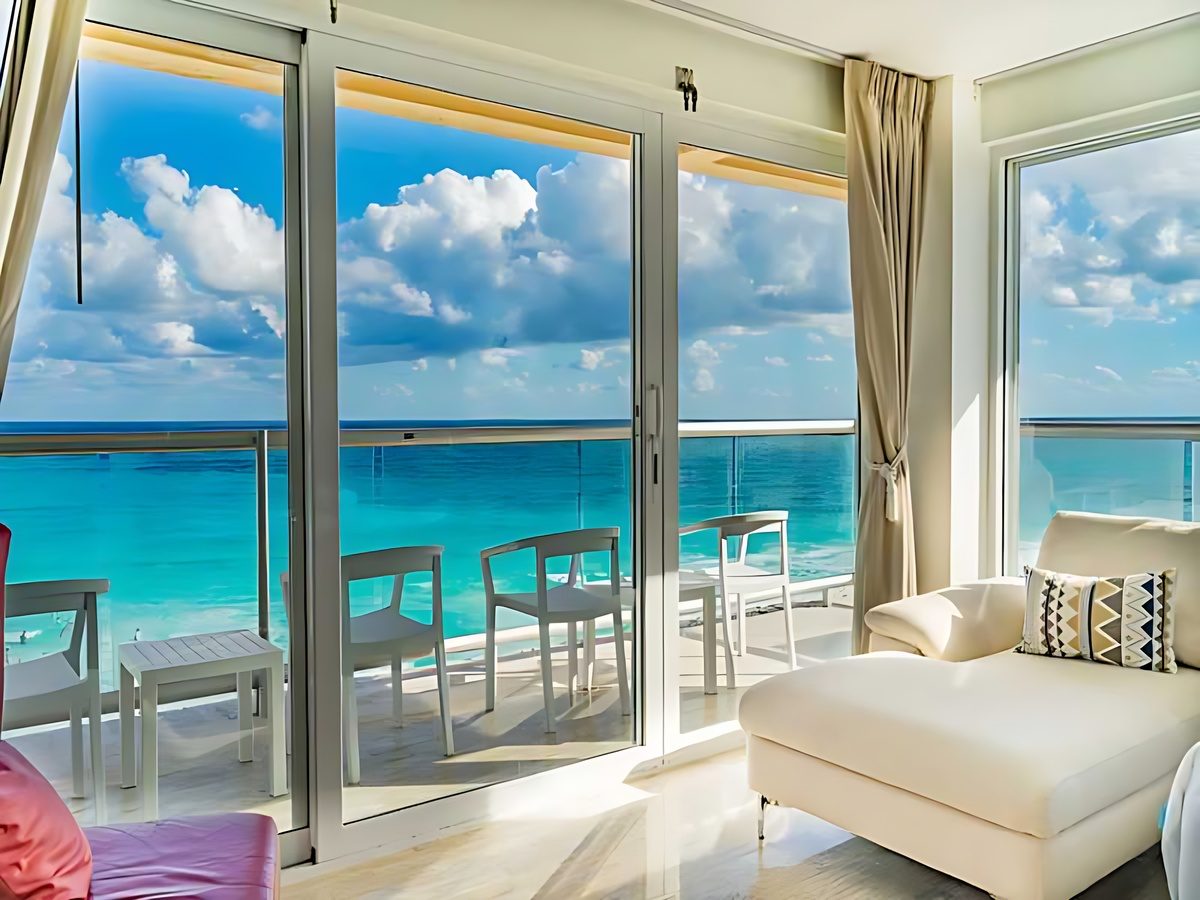
The model oriented towards actual living differs from resort apartments. (Source: Collected)
These apartments are usually designed with clearly separated spaces between functional rooms such as living rooms, bedrooms, and kitchens. The main goal is to meet the daily living needs of households. This creates a difference from the resort model. When analyzing how resort apartments differ from regular apartments, it can be seen that traditional apartments focus on stability and long-term living rather than a resort experience. This is a clear difference in purpose of use.
1.3. Development trends of the two types in the market
In recent years, resort real estate has a strong development trend in coastal areas and tourist destinations. This promotes the increase of products such as resort apartments and resort villas. This trend reflects the increasing demand for experiences.
Meanwhile, traditional apartment buildings continue to play a leading role in providing housing in major urban areas. Stable housing demand causes this segment to always maintain a significant supply. This ensures market balance. When exploring how resort apartments differ from regular apartments, it can be seen that these two types develop in parallel but serve different purposes. This differentiation is becoming increasingly clear in the market.
2. Detailed differences between the two types of apartments by criteria
2.1. Location factor linked to exploitation purpose and experience
Resort apartments are often built in areas with tourism potential, such as coastal or resort areas, to attract guests. This location is associated with scenery and resort experiences. This helps increase commercial value. In contrast, traditional apartment buildings are mainly concentrated in urban areas to serve daily living and working needs.
Projects often prioritize transportation connectivity and urban amenities. This is suitable for long-term residents. When analyzing how resort apartments differ from regular apartments, clear differences in location and overall planning between the two types can be seen. This is a factor that greatly affects usability.
2.2. Design language reflects lifestyle and functionality
Resort apartment design often focuses on open space, closeness to nature, and optimizing the resort experience. Functional areas are arranged flexibly to create a sense of relaxation. This helps enhance the stay experience. Meanwhile, traditional apartments prioritize functionality with designs optimized for daily living.
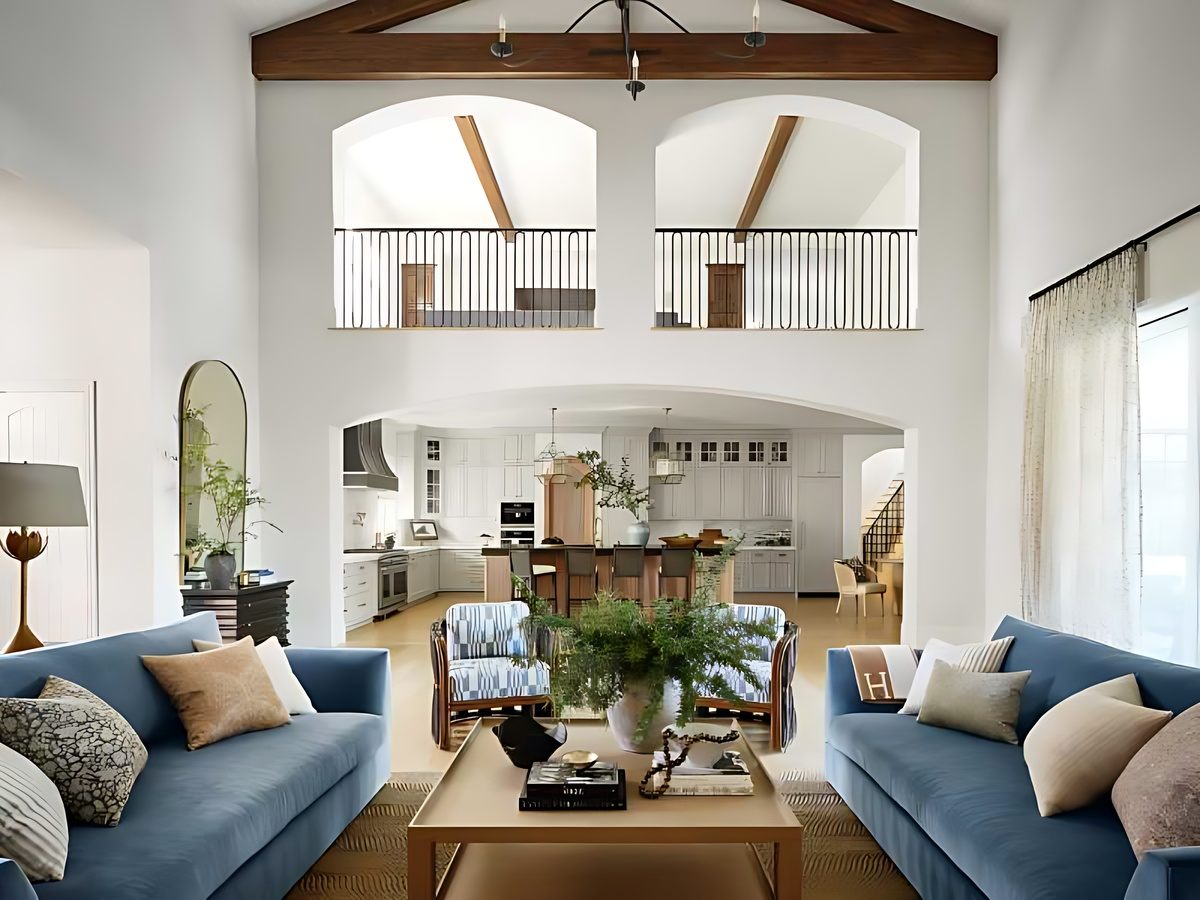
Design clearly reflects the difference between resort living and actual living. (Source: Collected)
The space is usually clearly divided to ensure comfort for the family. This creates a difference in layout. When exploring how resort apartments differ from regular apartments, it can be seen that design is the factor that clearly shows the difference between a resort experience and daily living needs. This is an important criterion in selection.
2.3. Internal utility standards and resident service levels
Resort apartments often come with an ecosystem of amenities such as swimming pools, spas, restaurants, and hotel-like housekeeping services. These amenities are professionally operated to serve guests, creating a premium experience. In contrast, traditional apartments only provide basic amenities like elevators, common living areas, and security.
The level of service depends on each project and segment, which is suitable for long-term living needs. When analyzing how resort apartments differ from regular apartments, it can be seen that the significant difference lies in the system of accompanying amenities and services. This is a factor that influences the living experience.
2.4. Asset ownership framework and related legal issues
According to the Land Law 2024 (No. 31/2024/QH15), resort apartments (condotels) built on commercial and service land have a maximum land use term of 50 years (or 70 years in difficult areas). Buyers will be granted a Certificate of Ownership of Construction Works attached to the land for commercial and service land use purposes. Conversely, for traditional apartments built on residential land, the Housing Law 2023 (No. 27/2023/QH15) clearly stipulates that buyers are granted ownership of housing attached to stable, long-term land use rights.

Resort apartments usually have a term of ownership according to legal regulations. (Source: Collected)
This brings stability to the user. Clear ownership is a distinguishing factor. When learning about how resort apartments differ from regular apartments, it can be seen that the legal factor is an important difference to consider before choosing. This is a criterion that directly affects rights.
3. Assessment of exploitation value and investment potential of two types of apartments
3.1. Living experience and suitability for long-term residence
Traditional apartments are suitable for real housing needs thanks to their optimal design for daily living and a stable living environment. Users can live long-term with basic amenities. This meets family needs. Conversely, resort apartments focus on a vacation experience with a relaxing atmosphere and high-class amenities.
Users often stay for short periods rather than living long-term. This creates a difference in experience. When analyzing how resort apartments differ from regular apartments, it can be seen that the utility value of the two types is aimed at two completely different purposes. This is a factor that needs to be clearly identified.
3.2. Rental efficiency and the ability to create stable cash flow
Resort apartments can be exploited for short-term rental through tourism activities, generating revenue from guests. According to the Real Estate Business Law 2023 (No. 29/2023/QH15), the business of this type now has a clearer legal framework regarding contracts and the responsibilities of professional operating units. This helps optimize business efficiency and ensure transparency for investors. Meanwhile, traditional apartments are mainly for long-term rental, serving the actual housing needs of people.
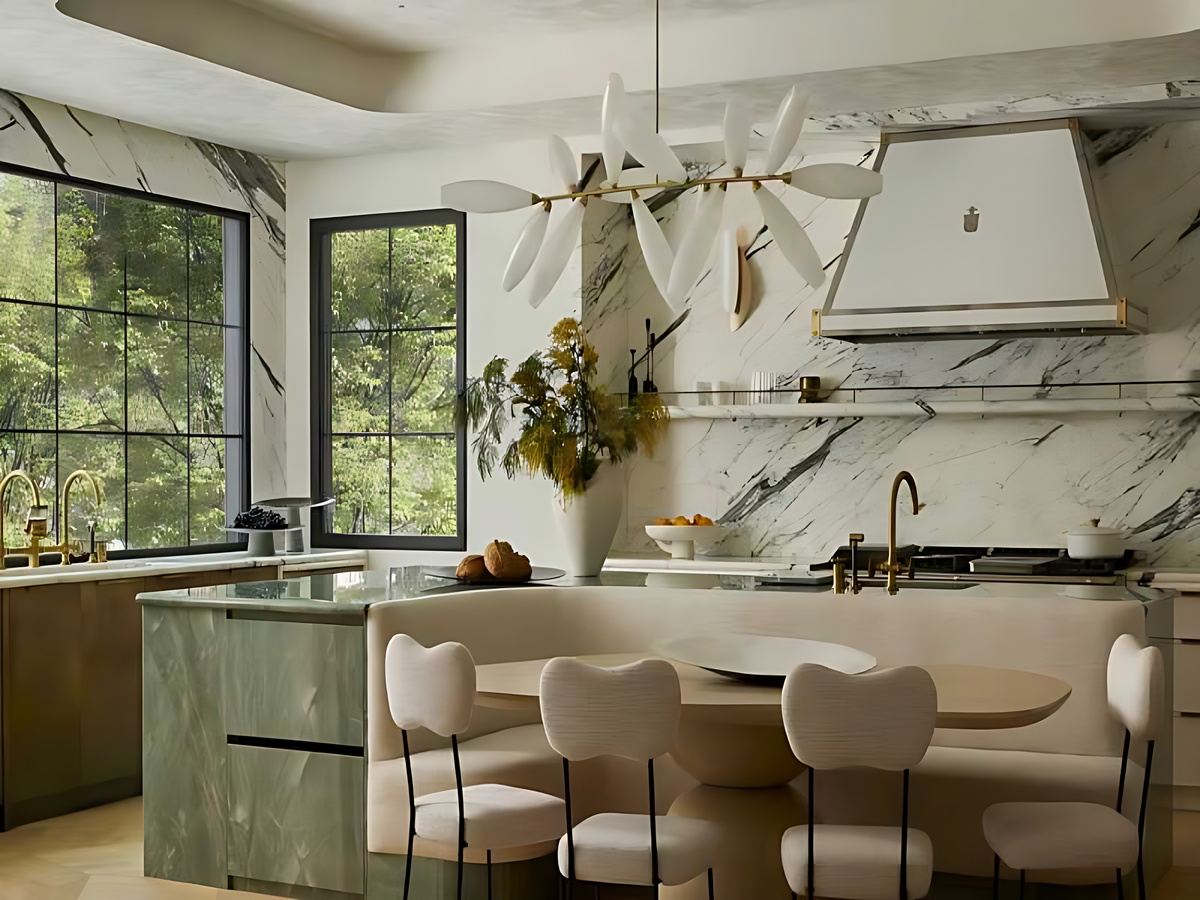
Profitability depends on the operating model and market. (Source: Collected)
Profit levels are usually stable but do not depend much on tourism. This creates a difference in cash flow. When researching how resort apartments differ from regular apartments , it can be seen that profitability depends on the operating model and target market. This is an important factor in investment.
3.3. Price Fluctuation Trends and Future Growth Potential
The value of resort apartments usually depends on the development of tourism and infrastructure in the area, thus it can fluctuate with the tourism market. Areas with stable visitor numbers often have price appreciation potential. This affects investment. Conversely, traditional condominium apartments have price increases tied to housing demand and urban development.
This market is usually more stable in the long term. This creates a difference in growth trends. When analyzing how resort apartments differ from regular apartments, it can be seen that each type has its own characteristics regarding price fluctuations and development potential. This is a factor to consider when investing.
4. Orientation for choosing appropriately according to each need and goal
4.1. Establishing the purpose of use as a basis for decision-making
Determining the purpose of use is an important factor when choosing between a resort apartment and a traditional apartment. Buyers need to clearly determine their needs for long-term living or vacationing. This helps make a suitable choice. If the goal is vacationing or investing for short-term rental, a resort apartment may be a suitable choice.
Conversely, if a stable place to live is needed, a traditional apartment will be more suitable. This helps optimize usage efficiency. When exploring how resort apartments differ from regular apartments, it can be seen that determining the purpose of use is an important step in the selection process. This is a decisive factor.
4.2. Key factors to consider when investing
When buying an apartment, it is necessary to carefully check the project's legal documents according to the new conditions of the 2023 Real Estate Business Law, including bank guarantees and publicizing project information on the housing information system. Especially for resort apartments, pay attention to the remaining land use period from the date of land allocation to accurately calculate the financial plan.

Legal checks and ownership duration must be verified before purchase. (Source: Collected)
Verifying planning information and the developer's operational capacity is extremely necessary. In addition, the developer's reputation and project quality also need to be considered to ensure progress and asset value in accordance with the commitments in the legally stipulated sample sales contract.
4.3. Orientation for appropriate selection according to each customer group
Investors often prioritize resort apartments due to their rental exploitation potential and price appreciation prospects in developing tourist areas. This model aligns with a flexible investment strategy. This helps optimize profits. Young families or people with real housing needs often choose traditional apartments due to their stability and suitable living amenities.
This is a popular choice in urban areas. This meets long-term needs. When learning about how resort apartments differ from regular apartments, it can be seen that each customer group will suit different types depending on the usage objective. This is a factor that helps guide the choice.
Understanding clearly how resort apartments differ from regular apartments will help you make a choice that suits your needs and financial capacity. Each type has its own advantages; the important thing is to identify the right goal to optimize usability value and long-term investment efficiency. If you are wondering, just read this entire article before making a choice.