


Explore what co-housing is and a new community housing model
In the context of rapid urbanization, many new housing models have emerged to meet the demand for flexible living and community connection. One of them is co-housing, which is gaining attention in many countries. This article will help you clearly understand what co-housing is and its practical application potential.

▲Table of Contents
1. Overall perspective on co-housing in real estate
1.1. Concept of co-housing
Co-housing is a community housing model where residents live together in an organized residential area, combining private and common spaces. This model emphasizes cooperation, sharing, and social interaction among members. This is a form of collective housing development but organized voluntarily and with a clear community orientation.
When researching what co-housing is, it can be seen that this model aims to build a cohesive resident community through sharing space and responsibilities. This is not just a housing solution but also a way to organize social life in urban areas. This model is being studied as a supplementary direction for the current housing system.
1.2. History of formation and development process
Co-housing originates from Denmark around the 1970s, arising from the need to build cohesive living communities and shared responsibilities. After more than 50 years of development, this model is no longer a social experiment but has become an official housing segment in many developed countries. In Vietnam, from the 2024-2026 period, this concept has begun to be integrated into modern housing design standards and smart urban projects, helping to optimize land area in crowded central areas.
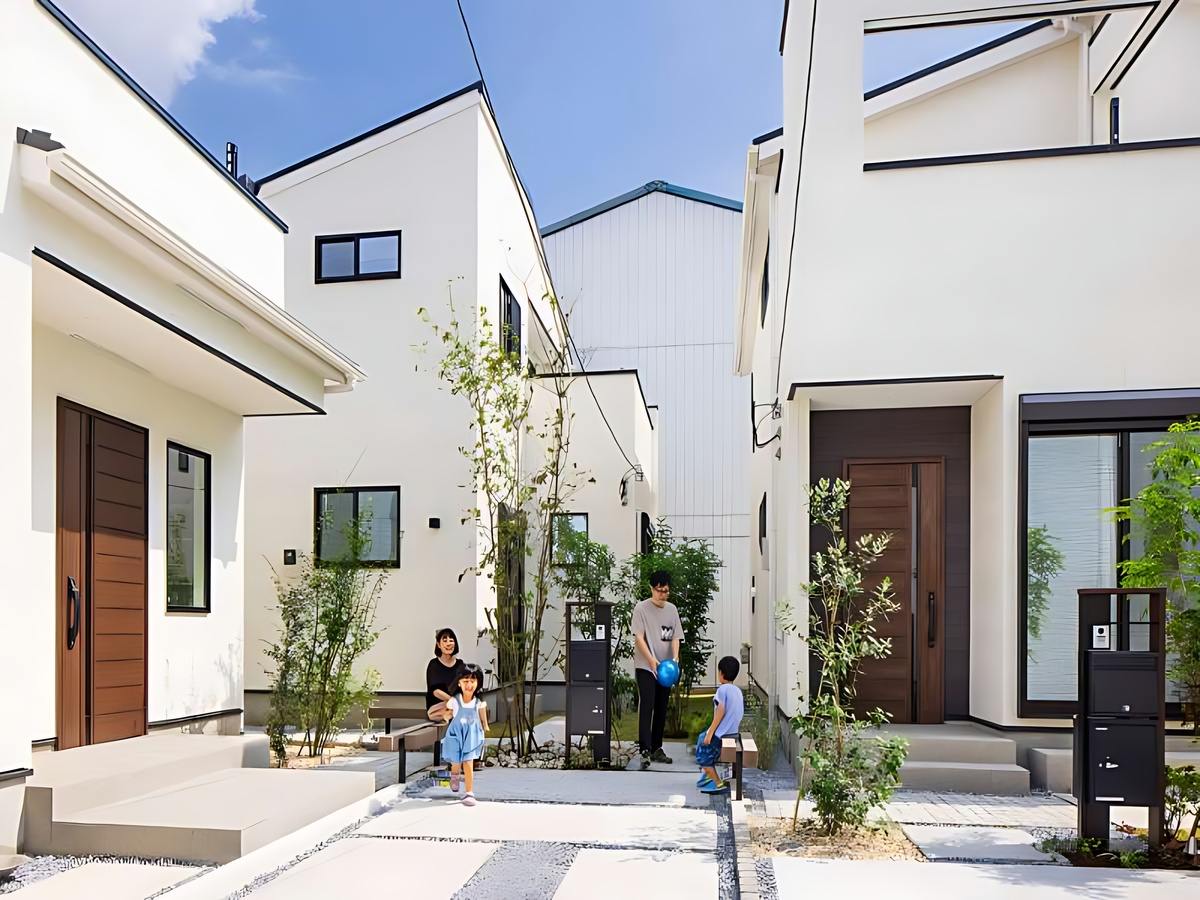
Co-housing originated in Denmark in the 1970s, creating a living environment that connects individuals and the community. (Source: Compilation)
1.3. Foundational elements that create co-housing
One of the core characteristics of co-housing is enhancing the connection between residents through shared spaces and community activities. This helps form sustainable social relationships within the residential community. The living environment becomes more cohesive compared to conventional housing.
Furthermore, this model is based on the principle of sharing spaces and amenities to optimize costs and enhance resource efficiency. Areas such as kitchens, living rooms, or gardens are shared. This helps reduce operating costs and increase the usability of the space.
When exploring what co-housing is, it can be seen that the community element plays a central role in the design and operation of the model. Residents often participate in the decision-making process and management of the living space. This creates a clear difference compared to traditional housing models.
2. Design and operational methods of co-housing
2.1. Separation between private space and common living areas
In co-housing, each resident or household has a separate living space to ensure privacy and personal needs. These spaces are usually designed with basic functionalities. This helps maintain independence in daily life.

Co-housing combines private and shared spaces, ensuring privacy while fostering community connection. (Source: Collected)
Alongside this are common living areas such as kitchens, living rooms, or outdoor spaces shared among residents. These areas play a role in fostering social interaction and community building. This is an important element in the spatial structure of co-housing. When exploring what co-housing is, one can see the combination of private and shared spaces creates a balance in the living experience. This allows residents to have both privacy and opportunities for connection. This is a characteristic feature in the design of this model.
2.2. Community Organization and Management
Co-housing is usually organized in a way that residents participate in the operation and management of their living space. This helps increase proactiveness and responsibility within the community. This management model differs from traditional centralized management.
General living regulations are established based on consensus among residents to ensure a stable living environment. These regulations may relate to the use of common spaces or living hours. This helps limit conflicts during shared living.
When analyzing what is co-housing, it can be seen that the self-management factor plays an important role in maintaining community operations. Resident participation helps create a flexible living environment that suits actual needs. This is a distinguishing point compared to other housing models.
2.3. Amenities and living experience
Co-housing often integrates amenities serving the community, such as common living areas, workspaces, or outdoor areas. These amenities are designed to serve the common needs of residents. This helps enhance the quality of life in the residential area.
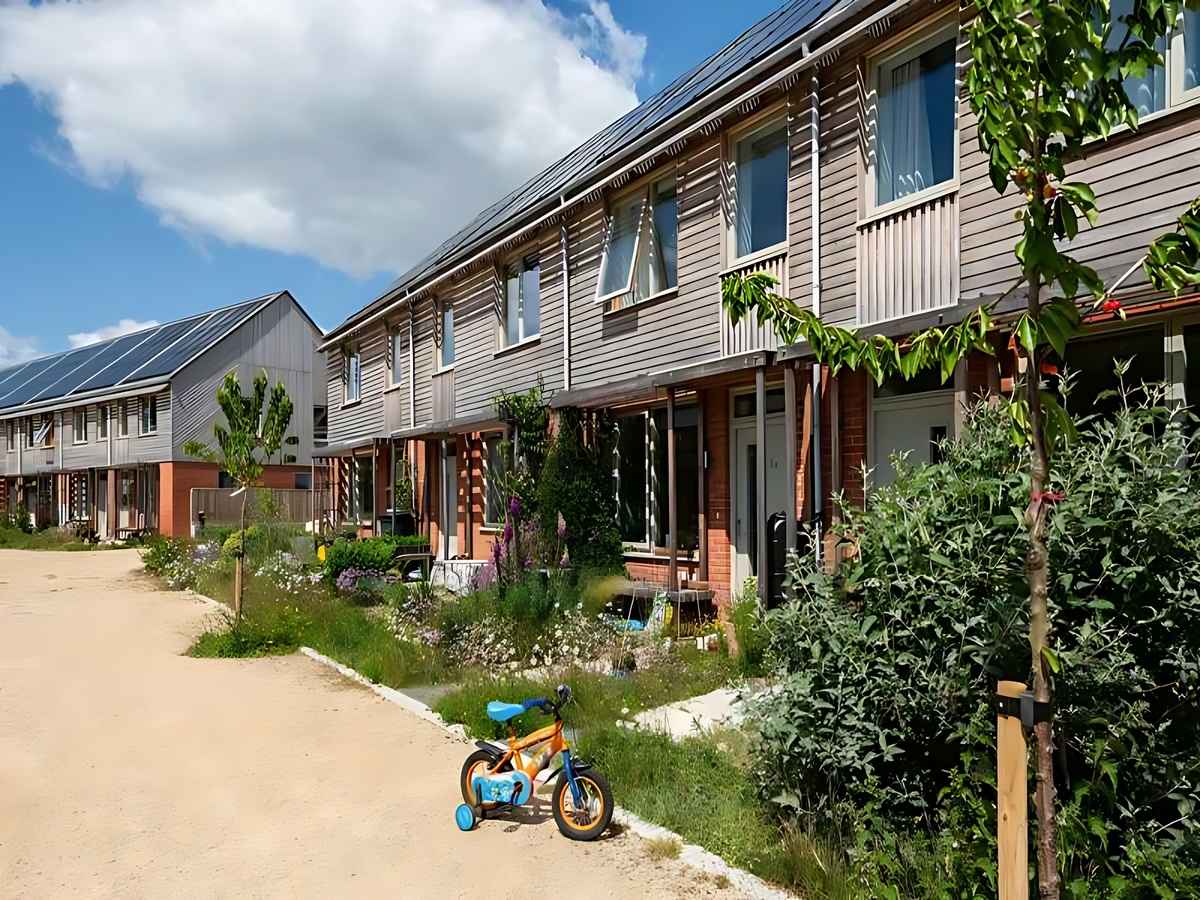
Co-housing integrates amenities and community activities, enhancing a connected living experience. (Source: Compilation)
Additionally, resident connection activities such as community events or shared activities are also organized to foster connection. These activities help create a highly interactive living environment. This makes a difference in the living experience.
When learning what co-housing is , it can be seen that the living experience is not just about space but also includes elements of community and social interaction. This is the value that this model aims for in its development process. This is suitable for modern urban living trends.
3. Evaluating the advantages and disadvantages of the co-housing model
3.1. Advantages in connection and cost
Co-housing helps increase the connection between residents through sharing common spaces and activities within the residential area. This creates a living environment with a high sense of community. Social relationships are formed and maintained during the living process.
Additionally, sharing spaces and amenities helps reduce living costs compared to using individual areas. This is particularly suitable for middle-income resident groups. This model contributes to optimizing housing costs. When analyzing what co-housing is, it can be seen that this is a solution that helps balance cost and quality of life. Sharing resources helps improve space utilization efficiency. This is suitable for the current urban context.
3.2. Mental and lifestyle benefits
Co-housing helps reduce feelings of isolation as residents can easily interact and socialize in a shared living environment. This creates social support in daily life. The living environment becomes more positive. Furthermore, this model promotes a lifestyle of sharing and cooperation among community members.

Co-housing offers mental benefits, fostering interaction, sharing, and a communal lifestyle. (Source: Collected)
This helps foster collective living values. Residents can support each other in daily life. When learning about co-housing, one can see that the benefits are not only material but also spiritual. This model contributes to building a balanced and stable living environment. This aligns with modern living needs.
3.3. Limitations to consider when choosing
One of the limitations of co-housing is that the level of privacy can be affected due to having to share many common spaces. This requires residents to adapt to a communal living environment. If not suitable, the living experience can be affected. Furthermore, this model relies heavily on the awareness and cooperation of the residents in the community.
Differences in lifestyles can lead to conflicts if not managed well. This creates challenges in the operation process. When evaluating co-housing, both advantages and disadvantages need to be considered to choose what suits individual needs. This model is not suitable for everyone. Careful consideration is necessary before choosing.
4. Development potential of co-housing in Vietnam
4.1. Suitable for modern living trends
Young people in urban areas increasingly prefer living models that are connected and flexible in daily life. This aligns with the development of community housing models. This need is becoming more apparent in the context of urbanization. Additionally, optimizing living costs is also a factor driving interest in shared living space models.
Co-housing helps reduce financial pressure through shared amenities. This is suitable for many urban resident groups. When analyzing co-housing, it can be seen that this model is suitable for modern living trends in Vietnam. Changes in housing needs create conditions for the model to develop. This is a potential direction for the future.
4.2. Challenges and Legal Basis
One of the challenges of co-housing in Vietnam is the difference in living culture. However, legal barriers have gradually been removed. Currently, the operation and management of co-housing models have clearer grounds based on the Housing Law No. 27/2023/QH15 and the Real Estate Business Law No. 29/2023/QH15. Particularly, regulations on "Management and use of apartment buildings" and "Accommodation space business contracts" have created a legal framework for residents to jointly manage common spaces transparently, protecting the legal rights of ownership and use of assets of each individual in the community.
4.3. Suggestions for choosing a suitable model
Co-housing is suitable for single individuals or small groups with flexible living needs and a desire for community connection. These groups are adaptable to shared living environments. This helps maximize the benefits of the model. Additionally, individuals choosing co-housing need to balance privacy needs and the level of community interaction.
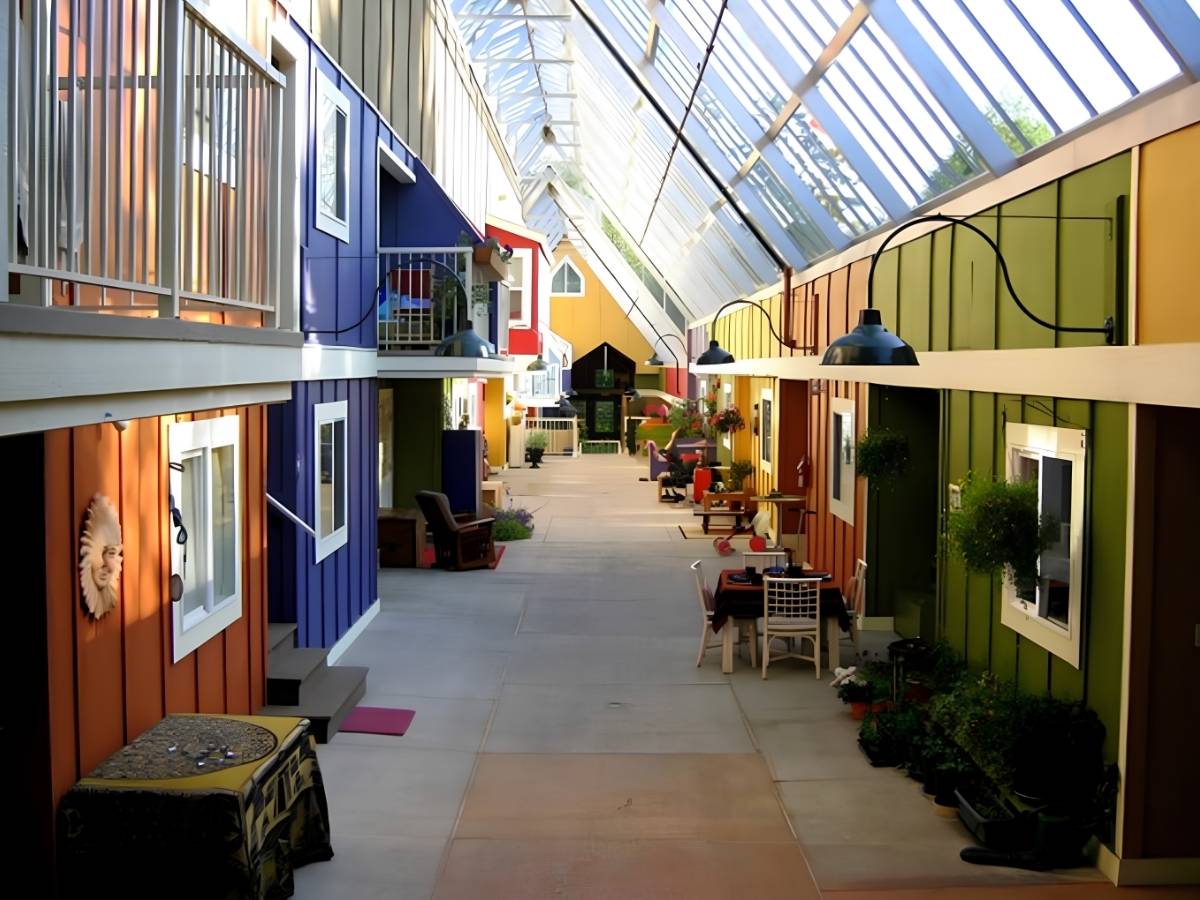
Co-housing is suitable for small groups or single individuals, balancing privacy and community interaction. (Source: Collected)
Clearly defining personal needs helps make a more suitable choice. This directly affects the living experience. When evaluating what co-housing is, understanding the model's characteristics helps make decisions suitable for each individual. Not all individuals are suited for this form. Careful consideration is necessary.
4.4. Development Trends and Future Vision
Co-housing is becoming a mainstream trend in major cities like Hanoi and Ho Chi Minh City. With support from policies encouraging the development of green and sustainable housing, current co-housing projects often integrate smart management technology and energy-saving solutions. This is not only a cost-optimization solution amidst fluctuating real estate prices but also a model for sustainable living, where each individual can find community support while maintaining necessary privacy.
Understanding what co-housing is will help you gain new perspectives on modern housing models, especially in the context of increasingly developing urban areas. This is not only a cost-optimization solution but also opens up a connected lifestyle, suitable for the young generation seeking a balance between the individual and the community