


Green Design: The Trend Toward Sustainable Living Spaces
In recent years, "green" has evolved far beyond a passing trend. Amid climate change, rapid urbanization, and mounting pressure on natural resources, green design has become an essential mindset. It's no longer just the choice of architects and developers—it's a growing priority for anyone seeking a healthier, more responsible, and truly sustainable living space. Green design goes beyond simply adding plants or using a few eco-friendly materials. It's a holistic approach where architecture, interiors, functionality, and human life harmonize with nature. When applied thoughtfully, it not only reduces environmental impact but also significantly improves quality of life for you and your family.

▲Table of Contents
What is green design?
Green design (or Sustainable Design) is a design approach aimed at minimizing the negative impact of a building on the environment while optimizing comfort, health, and efficiency for its occupants. Green design considers the entire lifecycle of a building, from design and construction to operation, renovation, or demolition.
Contrary to the popular belief that green design is only suitable for large or expensive projects, in reality, green thinking can be applied at any scale, from small apartments and townhouses to villas and workspaces. The important thing is not the scale of investment, but how you make decisions from the very beginning.
Green design raises very fundamental questions: Does the building make good use of natural light and wind? Does it consume a lot of energy? Are the materials used sustainable and safe for health? And does the space help people live better every day?
The nature and philosophy of green design
The essence of green design lies in balanced thinking. It's a balance between development and conservation, between comfort and efficiency, between human needs and the environment's carrying capacity.
Green design doesn't require sacrificing comfort or aesthetics. On the contrary, a well-designed green space often feels more pleasant, airy, and closer to nature than enclosed spaces that rely entirely on air conditioning and artificial lighting.
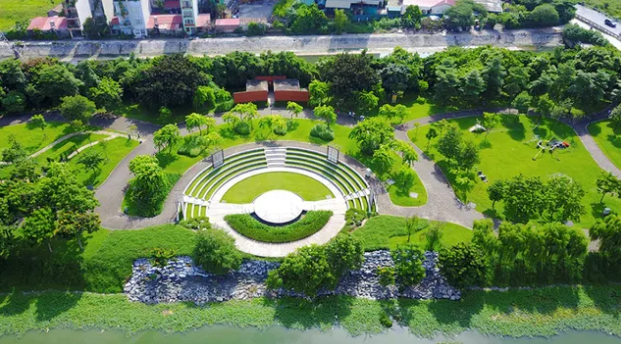
The philosophy of green design (Source: Compiled.)
A key element in green design philosophy is treating nature as a partner, rather than an object to be "fixed." Instead of blocking sunlight by closing the house and turning on the air conditioner, green design seeks to avoid direct sunlight, welcome breezes, create shade, and provide natural ventilation. Instead of using artificial materials that are difficult to recycle, green design prioritizes durable, eco-friendly, and long-lasting materials.
The core principles of green design
Green design is not a specific style, but rather a set of principles that can be flexibly applied to many different architectural and interior design styles.
The first principle is to optimize natural resources. Light, wind, rainwater, and greenery are all "free resources" if exploited properly. A well-designed building can significantly reduce the need for electricity for lighting and cooling, thereby saving long-term operating costs.
The second principle is energy efficiency. Green design aims to reduce energy demand right from the design stage, rather than focusing solely on energy-saving devices. The layout of the space, the orientation of the house, and the building materials all directly affect energy consumption.
Next is choosing sustainable and safe materials. Green materials are not just recycled or natural materials, but also materials with a long lifespan, low toxic emissions, and are safe for users' health. This is especially important in living spaces, where you and your family interact daily.
Another important principle is design for human health. Green spaces prioritize air quality, natural light, sound, and psychological comfort. Green design is not only good for the environment, but also good for your mental and physical well-being.
How is green design reflected in living spaces?
In reality, green design is not something far-fetched or complicated. It is clearly demonstrated through specific decisions in space organization.
Natural light is prioritized through large windows, skylights, and a well-designed layout to allow light to penetrate deep into the interior. Naturally lit spaces not only save electricity but also improve mood and circadian rhythms.
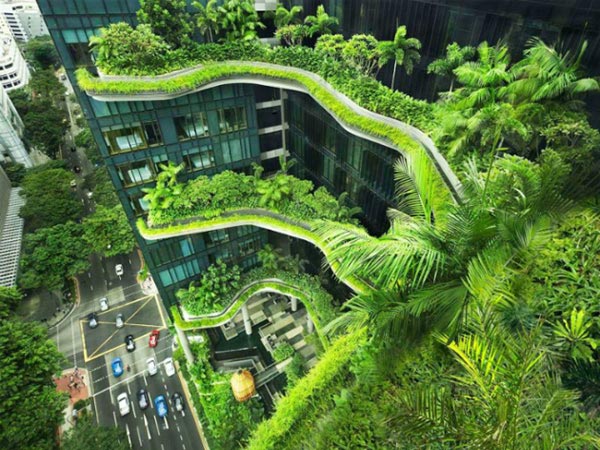
Green design in life (Source: Compiled.)
Natural ventilation is a key element in green design, especially in countries with hot and humid climates like Vietnam. Creating airflow through rooms and utilizing buffer spaces such as balconies, loggias, or patios significantly reduces reliance on air conditioning.
Plants are incorporated into living spaces not only for decoration, but also to improve the microclimate. They help reduce heat, filter the air, and create a relaxing atmosphere. In green design, plants are not "accessories," but an integral part of the space.
Materials are selected based on both aesthetic and environmental impact factors. Wood, stone, bamboo, fired bricks, recycled materials, or materials with low emissions are increasingly preferred. More importantly, materials are used sparingly, avoiding waste.
Green design in modern architecture and interior design.
In modern architecture, green design is no longer a separate branch, but is gradually becoming an unspoken standard. Many modern buildings integrate green solutions from the outset, from architectural form to technical systems.
In interior design, green design is reflected in prioritizing open spaces, natural light, safe materials, and flexible layouts. The furniture isn't excessive, but carefully selected to serve specific needs, avoiding clutter.
This trend reflects a significant shift: design is no longer driven by flashy aesthetics, but rather by a focus on quality of life and long-term sustainability.
Is green design really that expensive?
One common misconception about green design is that it's expensive and difficult to implement. In reality, the cost of green design depends heavily on the approach taken.
If green design is considered from the outset, many solutions will not increase costs at all, and may even lead to significant savings over time. For example, a well-ventilated house can reduce air conditioning costs for many years; durable materials reduce repair and replacement costs.
The most costly aspect is often not the green design itself, but poor design, leading to long-term renovations, repairs, and energy waste.
Green design and the role of the user.
Green design is not just the responsibility of architects or designers. Users play a significant role in maintaining and enhancing the value of green spaces.
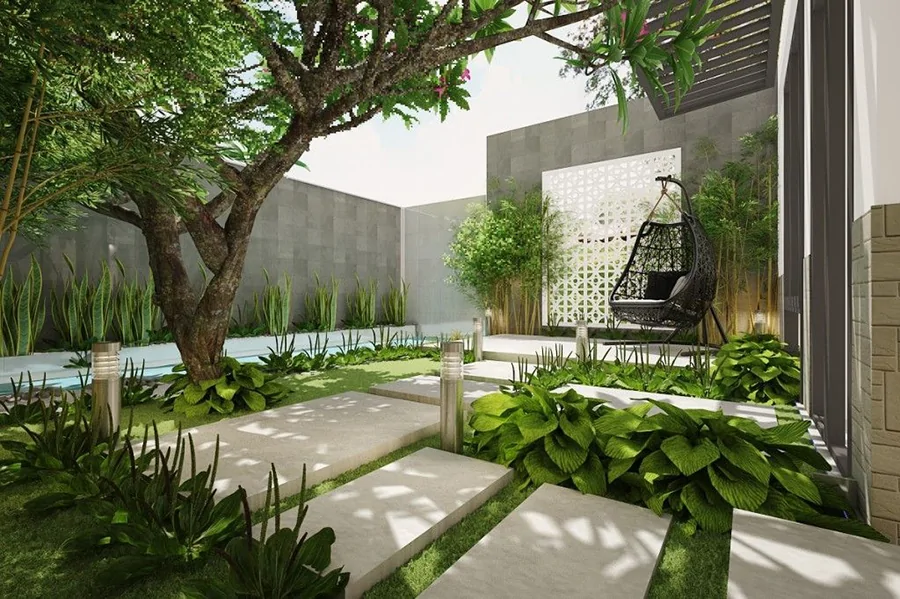
Green design in its practical application (Source: Compiled.)
Energy usage habits, how windows are opened to let in fresh air, plant care, and furniture choices all directly impact the effectiveness of the design. A green-designed space will maximize its value when its inhabitants understand and embrace that philosophy.
The long-term value of green design
The greatest value of green design lies not only in environmental protection, but also in the long-term quality of life it provides. Green spaces are generally more pleasant, less stressful, and better for your health.
In the long term, green design helps reduce operating costs, increase building value, and better adapt to climate and societal changes. This is value that short-term designs are unlikely to provide.
Green design is not a passing trend, but the inevitable direction of architecture and interior design in the future. It's how people learn to live in greater harmony with nature, while simultaneously creating better living spaces for themselves.
If you're considering designing or renovating your living space, think of green design not as a "luxury" option, but as a smart and sustainable decision – for the present, the future, and generations to come.