


How to Choose Colors for Home Feng Shui According to the Metal Element
In living space design, choosing colors that suit the Metal element not only brings aesthetic meaning but also affects feng shui and the homeowner's luck. This article will help you clearly understand the best way to choose colors, while updating standards for materials and colors according to Building Law to optimize sustainable living spaces.

▲Table of Contents
1. Relationship between the Five Elements and Color Palette in Feng Shui
1.1. Characteristic signs of people belonging to the Metal element in the Five Elements
People with the Metal element represent metal in the Five Elements, associated with characteristics of toughness, logic, and organizational ability, demonstrating stability in thought and action. Individuals of this element often have clear, decisive tendencies, therefore choosing colors that suit the Metal element helps maintain energy balance in their living environment.
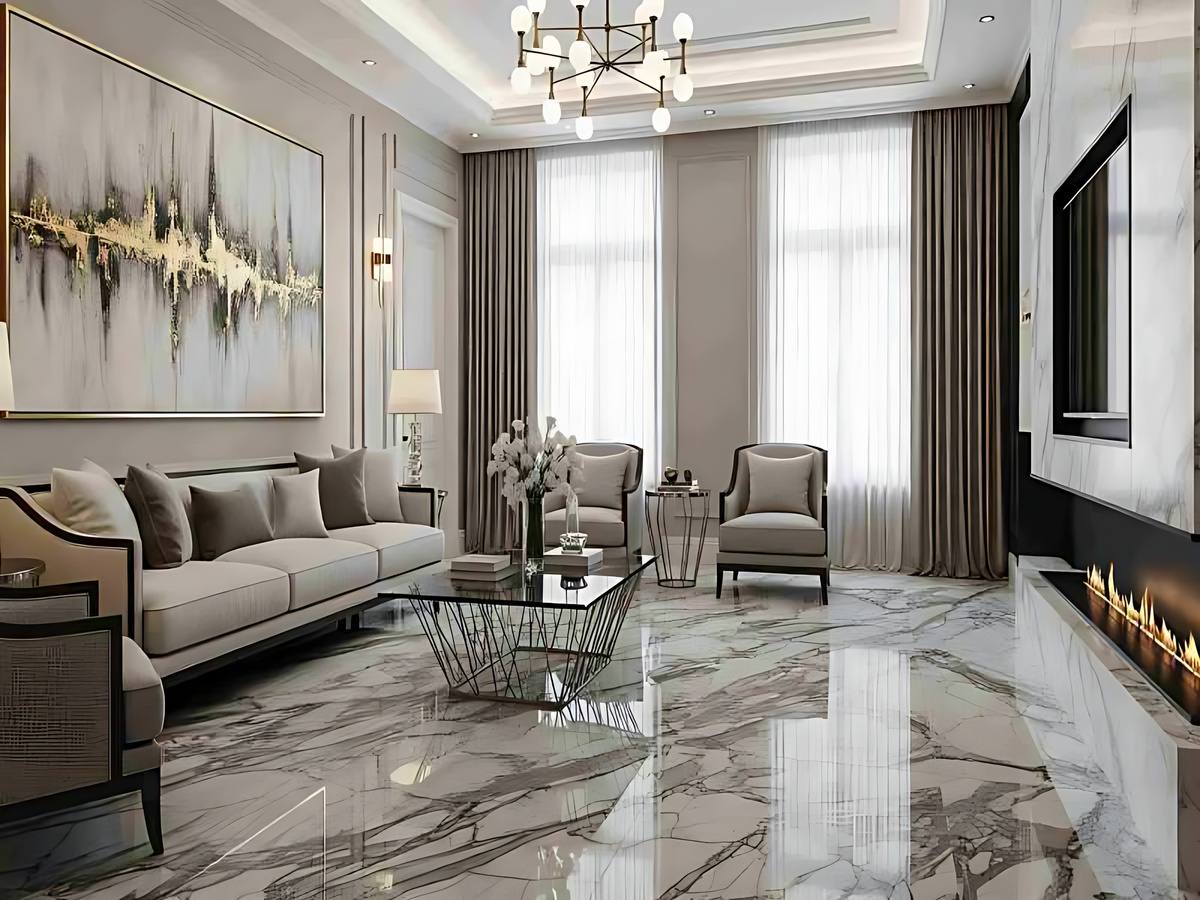
Minimalist space suitable for people of the Metal element, bright and tidy. (Source: Collected)
The Metal element also symbolizes autumn, the harvest and accumulation phase, so the energy is stable and aims for perfection in living spaces. Understanding these characteristics helps guide interior design that is suitable for feng shui, while also supporting the selection of harmonious colors.
People of the Metal element (Kim) are often suited to minimalist spaces, prioritizing metal and stone materials, and bright surfaces to enhance light reflection. When colors are combined correctly, living spaces tend to become tidier and support a stable mental state in daily life.
1.2. The operation of mutual generation and destruction in color selection
According to the Five Elements theory, the Metal element (Kim) has a generative relationship with the Earth element (Tho) and a destructive relationship with the Fire element (Hoa), forming the basis for color selection in home design. Determining colors suitable for the Metal element (Kim) needs to be based on this principle to ensure balance and limit feng shui conflicts.
The Earth element nurtures the Metal element, so colors like yellow and earthy brown are often considered to provide positive support in living spaces. Conversely, colors belonging to the Fire element, such as red, orange, or pink, can hinder energy if used improperly in interior design.
Additionally, compatible color groups like white, gray, and silver, which directly represent the Metal element, also play an important role in Feng Shui. The flexible combination of these color groups helps the space maintain stability and limits feelings of visual imbalance for you.
1.3. The influence of color on space perception and energy
Colors in living spaces directly affect the emotions, psychology, and concentration of users in daily life. Choosing colors that suit the Kim element helps create a neat, bright feeling and supports a stable mental state. In feng shui, colors also play a role in regulating energy and affecting the flow of qi in each functional area of the house.
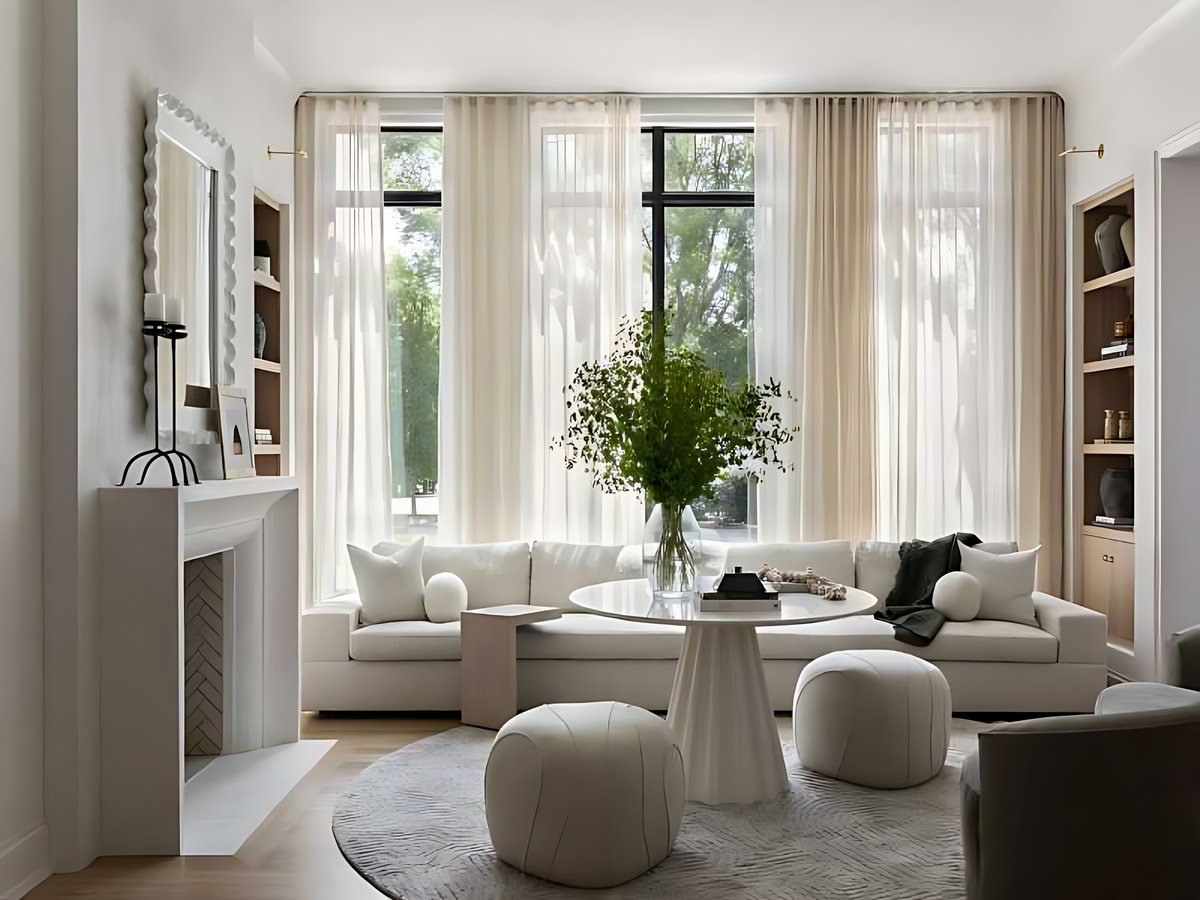
Harmonious colors help living spaces be balanced and stable. (Source: Collected)
When applying the right colors, living spaces tend to be more balanced and reduce the feeling of stuffiness. Besides feng shui elements, colors also help shape design styles from modern to minimalist depending on the coordination. The combination of light, materials, and colors creates a harmonious living environment that suits usage needs.
2. Color systems suitable for people of the Kim element from a detailed feng shui perspective
2.1. Colors that accompany the Kim element
Colors compatible with the Metal Element include white, gray, charcoal, and metallic hues, representing the metallic nature and purity in Feng Shui. Using colors that suit the Metal Element within this group helps the space become brighter and maintain overall stability. Shades of white or light gray are often used for large areas like walls and ceilings to create a more spacious and airy feel in the room.
Meanwhile, metallic details are used as accents to enhance depth and modernity in interior design. White also signifies clarity and simplicity in modern home feng shui. When applied appropriately, this color group helps maintain a stable mental state and supports a sense of focus in daily life.
2.2. Color group that supports the growth of positive energy
The complementary color group for the Metal element, belonging to the Earth element, includes yellow, light yellow, and earth brown, playing a role in nurturing energy in feng shui. The use of colors that suit the Metal element from this group helps maintain stability and support energy in living spaces. Light yellow tones often bring a warm feeling and are used in living rooms or common living areas to increase balance.
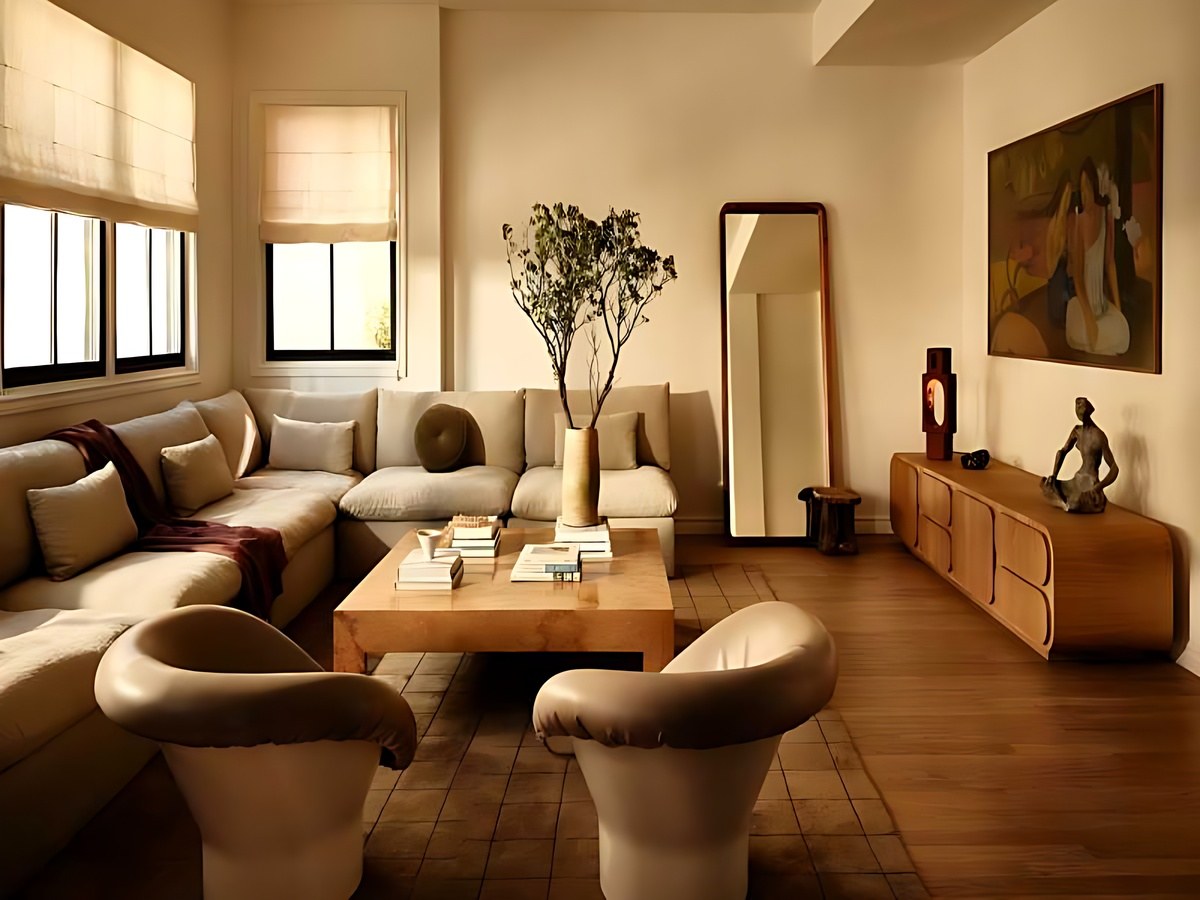
Yellow and earthy brown colors are mutually supportive, helping the space remain stable. (Source: Collected)
Meanwhile, earthy brown creates a sense of solidity and is often used in interior materials or flooring. The combination of mutually supportive colors and the element's own color helps the space maintain harmony and stability in terms of Feng Shui. When applied reasonably, this color group supports the flow of energy and limits feelings of imbalance in the design.
2.3. Colors that should be used sparingly
Colors belonging to the Fire element, such as red, orange, pink, or purple, are often considered unsuitable for the Metal element due to the counteracting nature within the Five Elements. When choosing colors suitable for the Metal element, limiting these color palettes helps avoid affecting the energy balance in the space. These hot color palettes, if used in large areas, can create a dazzling feeling and cause visual imbalance in interior design.
However, if reasonably combined with neutral colors, they can still serve as a subtle accent in the space. Limitation does not mean complete elimination but requires adjusting the proportion appropriately within the overall design. Understanding this principle helps homeowners apply colors flexibly while maintaining harmony in the living space.
2.4. Ways to combine colors to create harmony for the overall space
Color coordination principles for people of the Metal element (Kim) are usually based on a balance between the native element's colors, generative element's colors, and some neutral colors. Applying the correct colors suitable for the Metal element in the right proportions helps the space avoid a cluttered feeling and maintain overall stability. A common approach is to use white as the main color, combined with light yellow and metallic accents in interior design.
This combination helps increase spatial depth and is suitable for modern home styles. Additionally, materials such as metal or natural stone can complement the overall color palette in living spaces. The synchronized combination of materials and colors enhances unity and aligns with practical usage needs.
3. Leveraging Colors Suitable for the Kim Element in Home Design, Real Estate Investment, and Interior Design
3.1. Shaping the Dominant Color for Architecture and Exterior
House paint color plays an important role in shaping the living space and influencing the overall perception of the building. Bright tones such as white or gray are often used as the main colors in colors suitable for the Kim element to create a sense of spaciousness. In the overall design, colors need to be distributed reasonably among functional areas to ensure spatial connection.
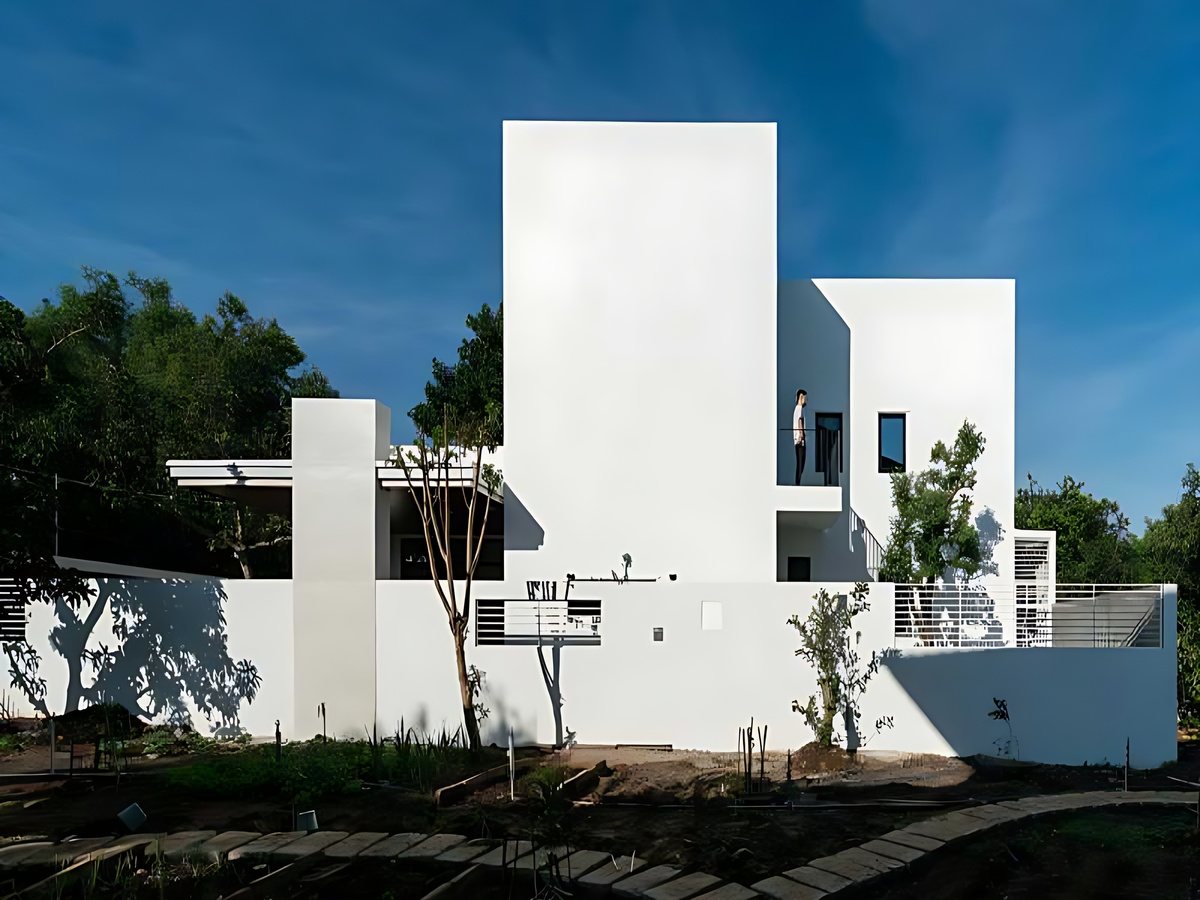
White-grey paint color harmonizes with architecture, creating a bright and airy space. (Source: Collected)
Consistent use of colors helps maintain unity. Specifically, according to the National Technical Regulation on Housing (QCVN 04:2025/BXD), prioritizing reflective white and grey paints for the Metal element (Mệnh Kim) not only achieves feng shui effectiveness but also meets standards for energy saving and natural building cooling.
3.2. Balanced interior arrangement by color palette
Furniture should be chosen according to the dominant color tone to ensure unity in design and home feng shui. Items such as tables, chairs, or decorations can use colors auspicious for the Metal element to enhance the connection between functional areas. Metal materials are often preferred as they align with the characteristics of the Metal element in feng shui.
When combined with suitable colors, this material helps the space become tidier and more modern. In addition, natural stone or ceramics also contribute to increasing feng shui effectiveness in living spaces. The combination of materials and colors helps improve a sense of stability and increase the quality of the living environment.
3.3. Implementing colors in apartments and urban housing
In modern apartments, colors are often minimalist to create a sense of spaciousness and convenience in interior arrangement. Applying colors compatible with the Metal element in this direction helps the space align with current design trends. Light or neutral colors are often used for large areas, combined with metallic accents in some areas.
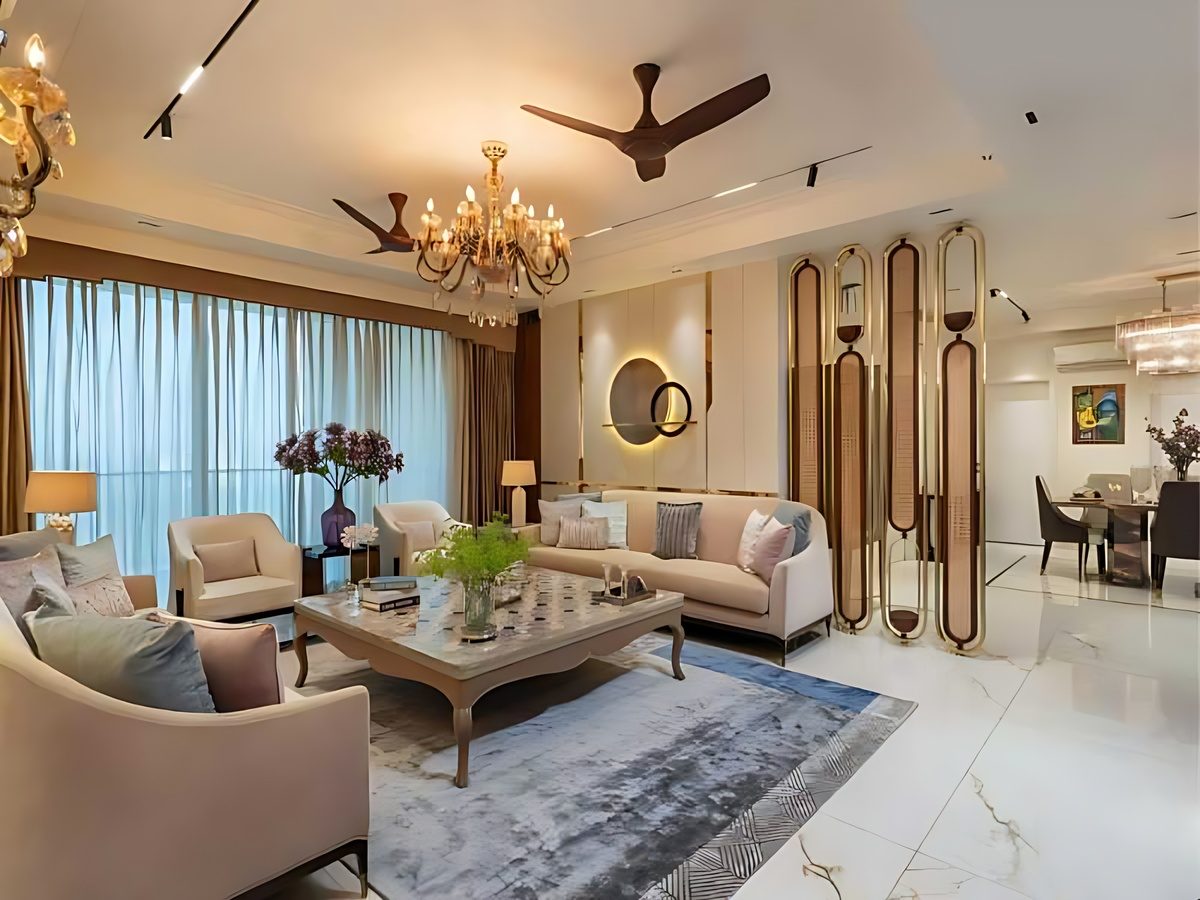
Modern apartments use light colors and metallic accents to create a harmonious space. (Source: Collected)
This arrangement helps optimize usable area and maintain balance in the overall design. According to the urban housing design trend in 2026, apartments for those with the Metal element (Kim) should adopt the "Green Interior" solution combined with recycled metal surfaces, in line with the Green Building Development orientation according to current regulations to increase prosperity.
4. Tips for optimizing effectiveness when choosing colors for people with the Metal element
4.1. Choose colors based on the function of each living space
Common living spaces like the living room should prioritize light colors such as white, metallic, or beige to create a sense of spaciousness and easy connection. Meanwhile, bedrooms can use darker tones like light gray or cream yellow to enhance relaxation. Allocating colors according to function helps the space be both feng shui-compliant and ensure a practical living experience.
4.2. Prioritize colors that suit the overall design style
Colors suitable for the element should not be separated from the architectural style. If following a modern style, shades of white, gray, and metallic will achieve remarkable effectiveness. With a neoclassical style, champagne gold or light brown can be combined to add depth. The harmony between feng shui colors and design style helps the space achieve higher aesthetics.
4.3. Potential for using colors associated with the Metal element in modern design
Current design trends lean towards minimalism and prioritize bright colors in living spaces. This combination helps increase the applicability of colors in modern housing projects. Entering 2026, the "Minimalist Tech" style, with silver-gray tones as the main theme, is becoming the standard, helping homeowners of the Kim element both showcase their class and ensure a living environment that meets health safety standards according to Circular 03/2025/TT-BYT on environmental hygiene in housing.
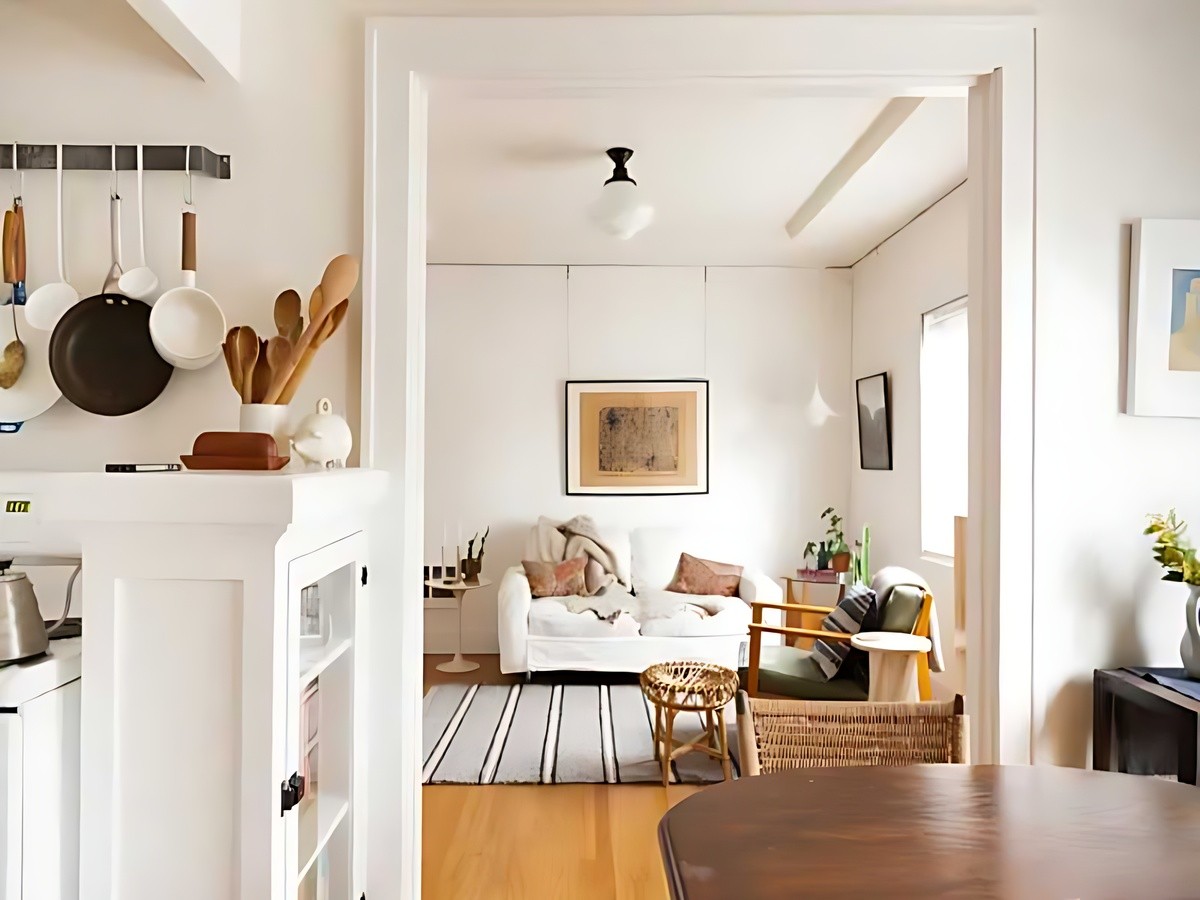
Modern minimalist space with light white-gray colors suitable for the Metal element (Kim). (Source: Collected)
It can be affirmed that choosing the right colors suitable for the Metal element (Kim) will help the living space become harmonious, while also supporting the homeowner in attracting wealth and positive energy. When you know how to combine colors appropriately, you can completely create a living environment that is both sophisticated and feng shui compliant.