


How to choose safe, durable, and beautiful non-slip floor tiles
How to choose anti-slip floor tiles is an important factor in ensuring daily living safety, especially for families with young children or the elderly. Beyond just the anti-slip function, choosing the right type of tile also contributes to enhancing durability and aesthetics for modern living spaces.

▲Table of Contents
1. Overview of how to choose anti-slip floor tiles
1.1. Role of anti-slip tiles in living spaces
In the context of increasingly stringent housing standards, anti-slip tiles play a crucial role in areas frequently exposed to water such as bathrooms, balconies, and gardens. According to current housing safety regulations, selecting materials with suitable surfaces is a mandatory requirement to minimize the risk of household accidents. Construction industry statistics show that properly selecting anti-slip floor tiles significantly reduces the rate of slip-and-fall accidents, especially protecting vulnerable groups such as children and the elderly.
Besides safety factors, anti-slip tiles also contribute to improving living space quality by maintaining a stable surface during long-term use. Areas with high traffic density often require materials with good slip resistance to reduce the risk of accidents. Choosing the right type of tile also helps increase the lifespan of the structure and limit incurred maintenance costs.
1.2. The anti-slip principle of tile surfaces
The anti-slip property of tiles is created from surface structures such as matt glaze, rough surface, or nano-coating technology that increases friction. When water appears on the surface, these microstructures help reduce slipping by increasing the grip between the foot and the floor. Some tile lines are also treated with special technology that helps maintain anti-slip effectiveness even in prolonged wet conditions.
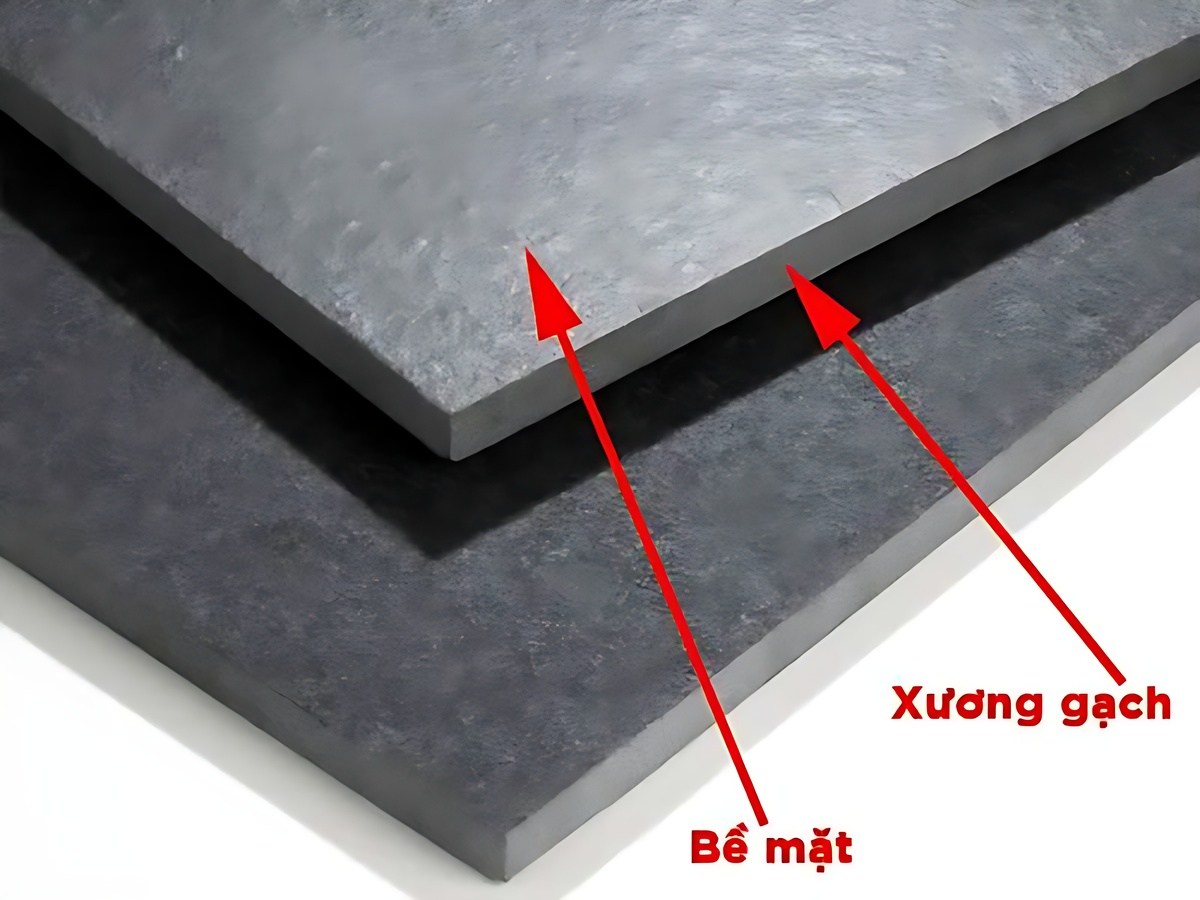
Rough surface structure and friction-increasing coating technology help improve grip for tile floors. (Source: Collected/Compilation)
The anti-slip mechanism also relates to the coefficient of friction between the tile surface and the contact force from the foot. When the surface has a certain roughness, water will not form a completely slippery film but will be dispersed. As a result, the grip ability is significantly improved, especially in areas with frequent water or high humidity.
1.3. Classification of common anti-slip floor tiles
Currently on the market, porcelain tiles have a low water absorption rate below 0.5%, helping to maintain durability and stable slip resistance over a long period. Ceramic tiles are affordably priced but their slip resistance depends heavily on the surface glaze. Granite tiles and outdoor matte tiles are commonly used in garden areas due to their good load-bearing capacity and mildew resistance.
2. Important criteria for choosing anti-slip floor tiles
2.1. R-slip rating suitable for each area
The R-value is a standard for evaluating slip resistance on an inclined surface, commonly ranging from R9 to R13 in construction. The R9 rating is typically applied to dry areas, while R11 and above are suitable for wet areas such as bathrooms and balconies. Outdoor areas or those with grease require R12 or R13 to ensure safety during use.
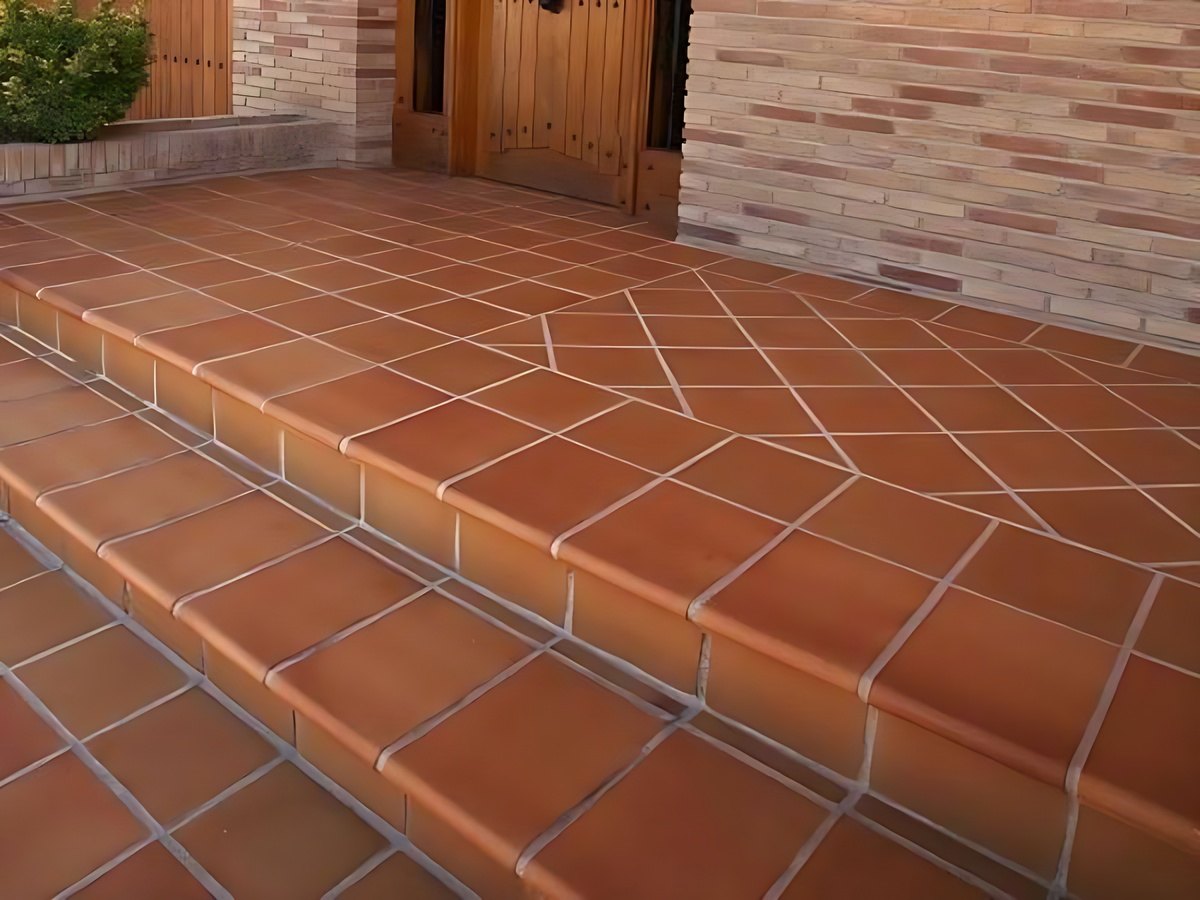
R-value standards help choose the right anti-slip tiles for each functional area. (Source: Collected)
2.2. Water absorption affects slip resistance
The water absorption of tiles directly affects slip resistance and durability in humid environments. Tiles with low water absorption help limit water penetration, thereby maintaining surface structure stability and friction. According to building material standards, standard tile lines usually have this indicator strictly controlled to ensure long-term safety.
2.3. Tile size suitable for the usage area
Tile size affects the number of grout lines on the floor surface, thereby impacting slip resistance. Small-sized tiles create more grout lines, helping to increase grip in wet areas. Conversely, large-format tiles are often suitable for dry areas but require a textured surface to ensure safety.
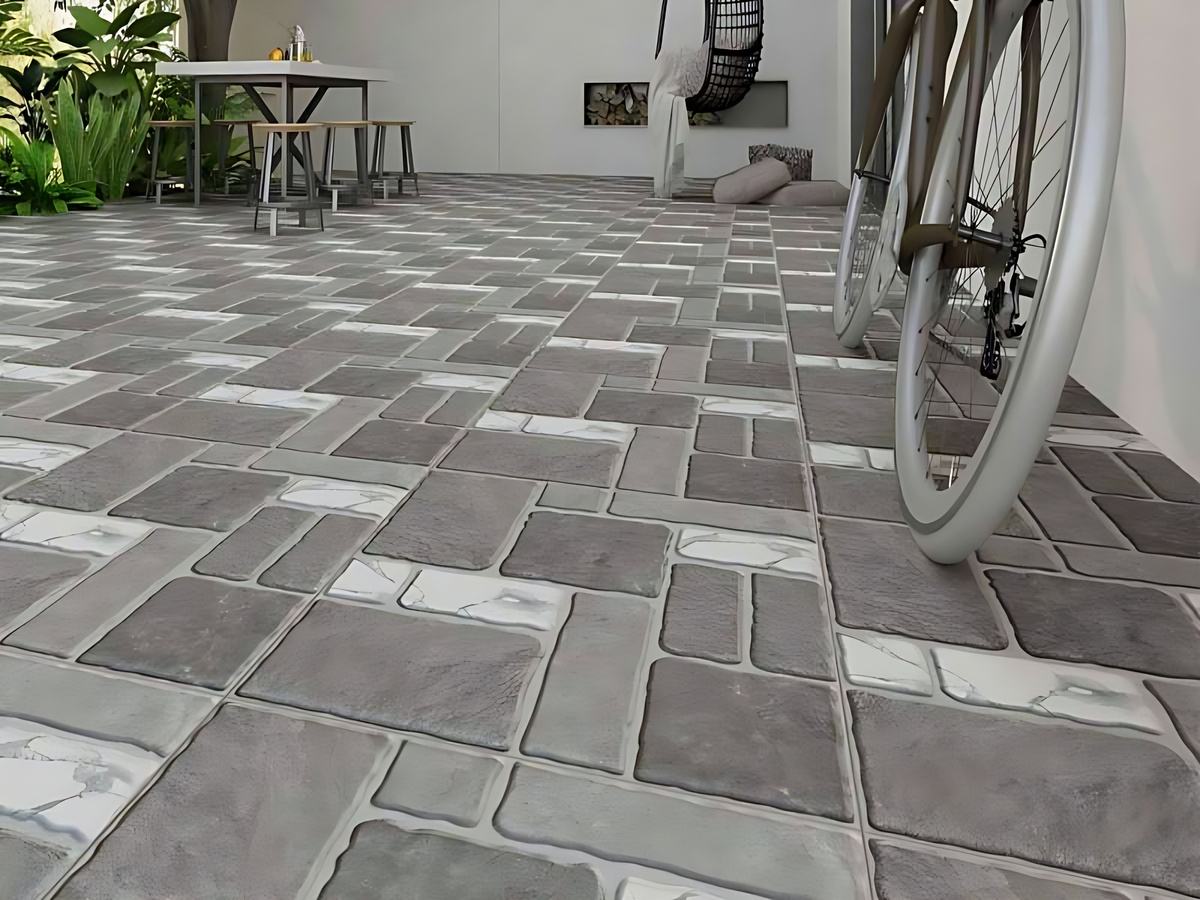
Tile size and grout system help increase grip for floors in wet areas. (Source: Collected)
2.4. Surface color limits visible slippery water marks
The color and pattern of the tile surface affect visual perception and safety during use. Neutral colors or stone patterns help hide water marks, reducing the feeling of slipperiness when moving. A textured surface combined with suitable colors also helps maintain aesthetics for a long time, especially in high-traffic areas.
2.5. Technical standards according to current construction regulations
According to the National Technical Regulation on Construction Materials Products and Goods QCVN 16:2023/BXD, ceramic tiles circulating on the market must perform conformity announcement and meet full strict technical criteria. These standards include not only water absorption and bending strength but also pay special attention to the surface friction coefficient to ensure maximum safety for users. This is an important basis when applying how to choose anti-slip floor tiles in practice.
3. Application of how to choose anti-slip floor tiles for each space
3.1. How to choose anti-slip floor tiles for bathrooms
The bathroom is a high humidity area, so it is necessary to prioritize tiles with a slip resistance rating of R11 or higher to ensure safety when moving. Tiles with a slightly textured surface combined with small dimensions help increase friction and reduce the risk of slips and falls. Choosing the right materials according to this principle contributes to improving usability in spaces that are frequently exposed to water.
3.2. How to choose non-slip floor tiles for the kitchen
The kitchen is an area prone to grease, so it's necessary to choose tiles with a matt or semi-matt glazed surface to balance slip resistance and ease of cleaning. Tiles with an R10 or R11 rating are often suitable for this environment, helping to reduce slipperiness while still ensuring convenience for cleaning. This is a popular choice in current home design.
Choosing matt or semi-matt tiles helps prevent slipping and are easy to clean for the kitchen. (Source: Compiled)
3.3. How to choose anti-slip floor tiles for garden and balcony
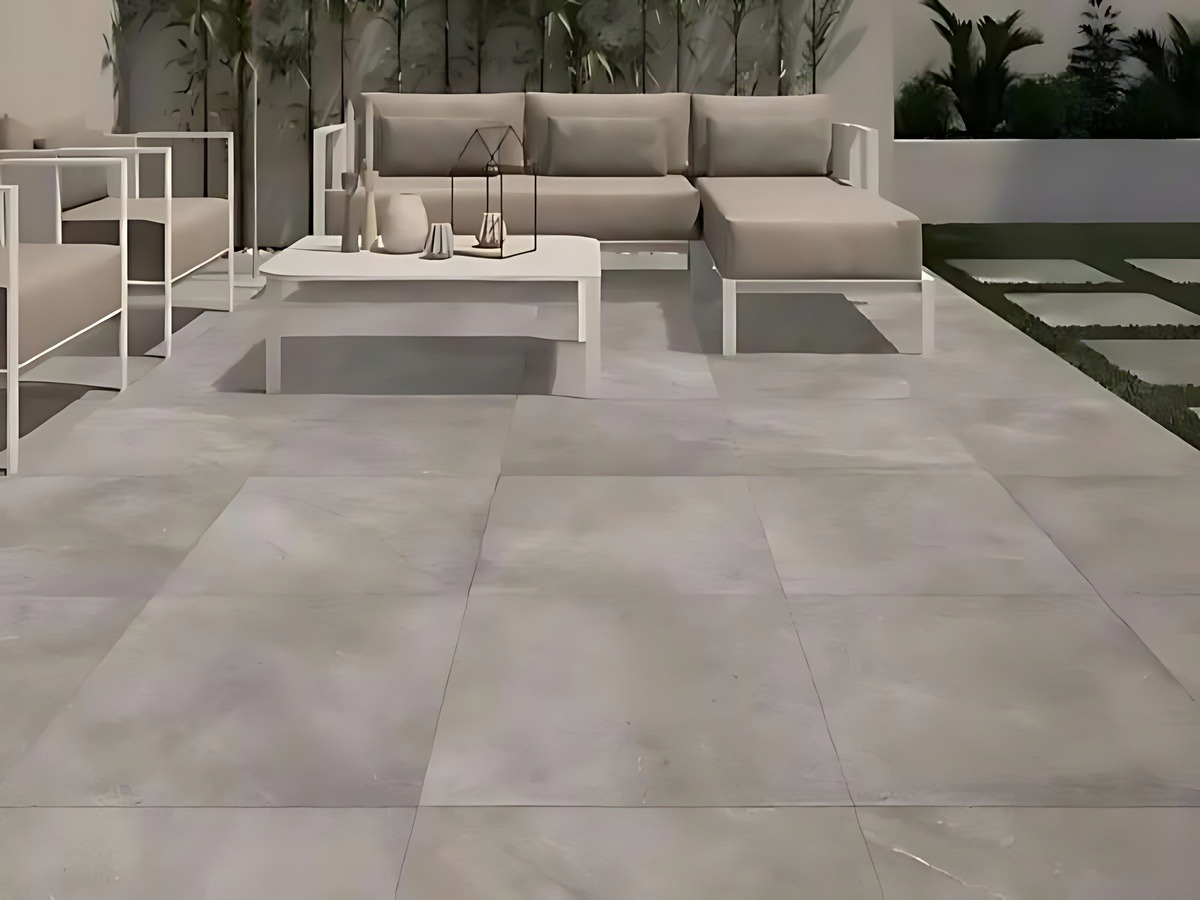
For outdoor areas, matte granite tiles or stone-look tiles are preferred due to their load-bearing capacity and resistance to moss. These tiles have a textured surface structure that increases grip when exposed to rain or high humidity. Additionally, choosing suitable materials helps maintain durability under constantly changing weather conditions.
3.4. How to choose anti-slip floor tiles for public areas
Public areas such as hallways, apartment lobbies, or shopping malls require tiles with high durability and load-bearing capacity. Tile series with R11 to R12 ratings are often used to ensure safety for high foot traffic. Adhering to technical standards in material selection contributes to improving construction quality and reducing maintenance costs.
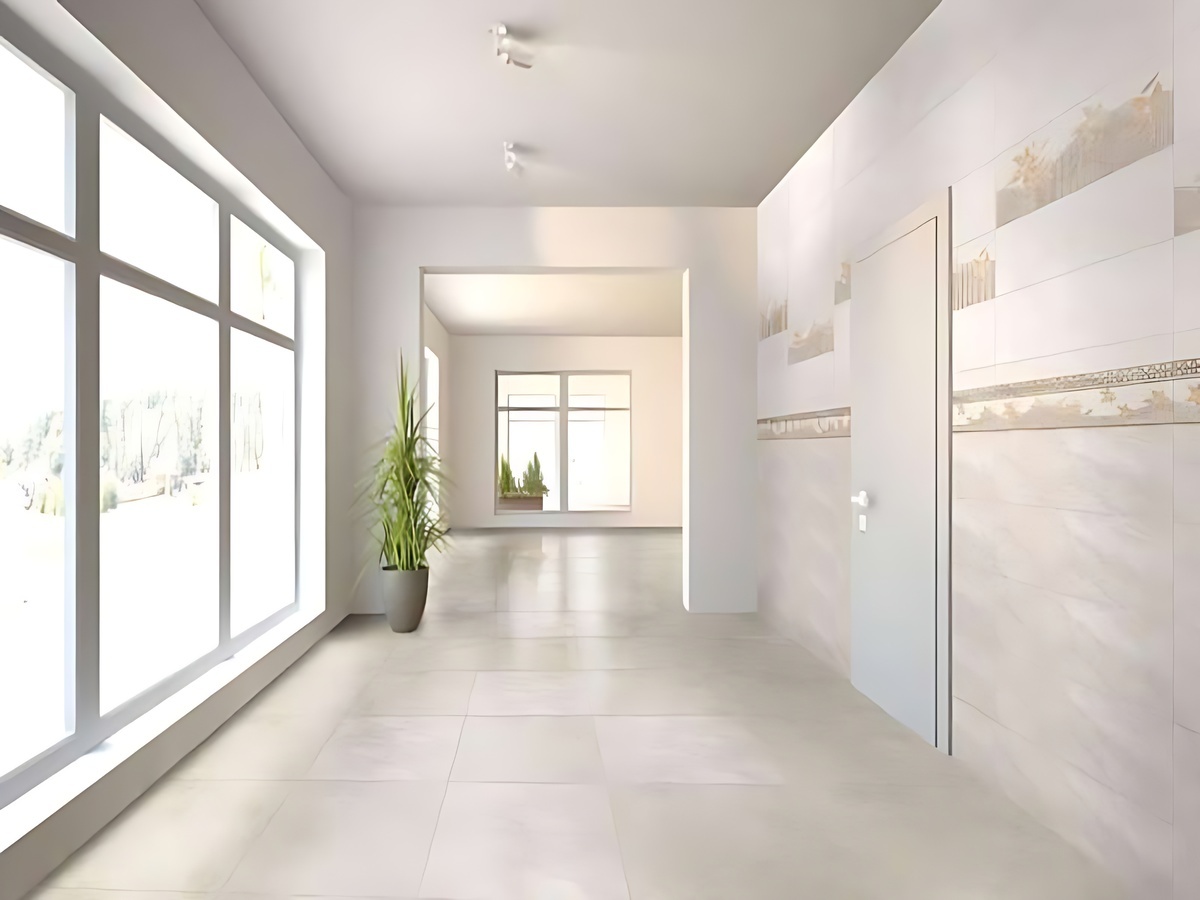
Choosing tiles with high durability and slip resistance for public areas. (Source: Collected)
4. Practical experience when applying methods for choosing anti-slip floor tiles
4.1. Checking actual roughness before buying
Before making a decision, directly checking the tile's roughness at the showroom helps accurately assess slip resistance. Users can test by dripping water onto the surface and moving lightly to feel the grip. This method helps avoid discrepancies between technical specifications and actual experience.
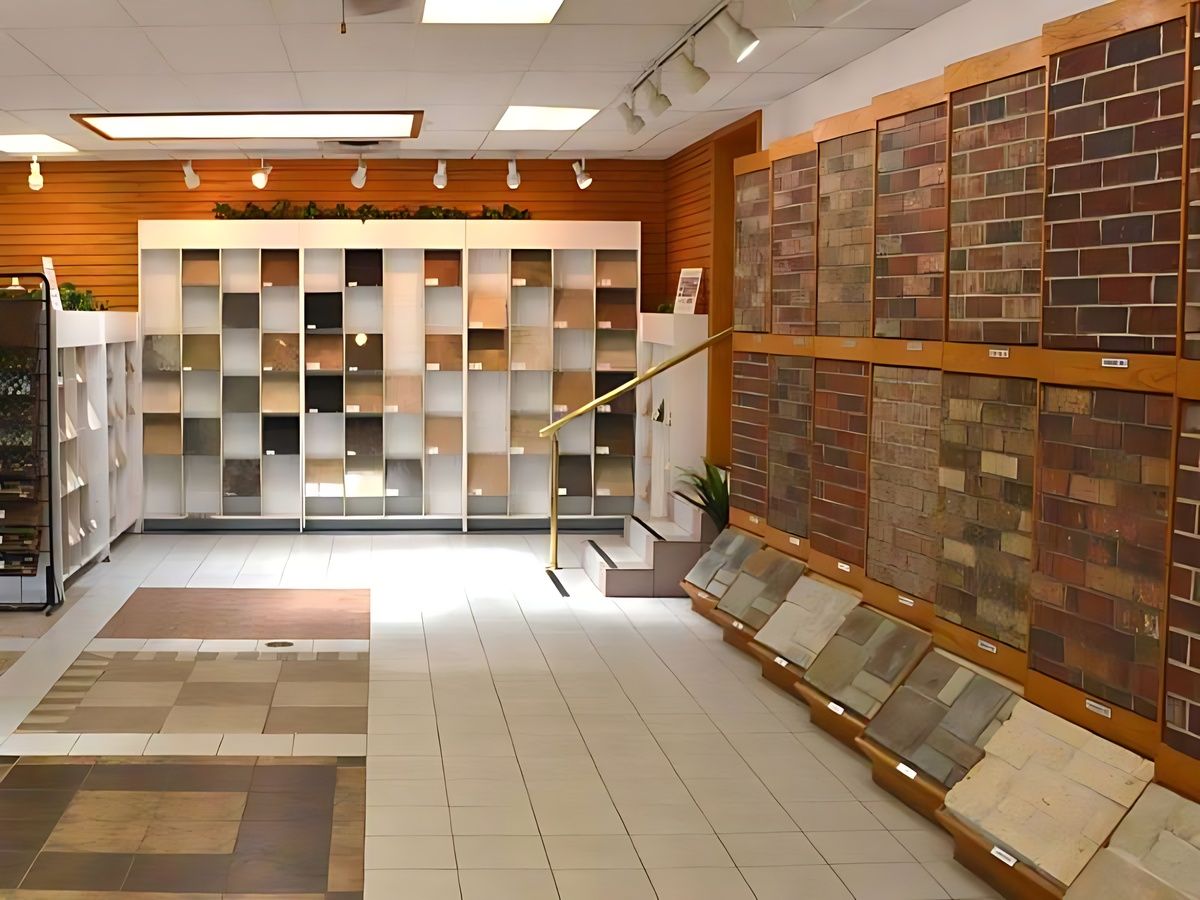
Actual check of tile roughness and slip resistance at the showroom. (Source: Collected)
4.2. Prioritize reputable brands in the materials industry
Major manufacturers often apply strict inspection processes according to current construction standards. Products from these units have high quality stability and slip resistance during long-term use. This helps minimize risks and ensure investment efficiency for the project.
4.3. Combining proper construction techniques to increase slip resistance
Anti-slip effectiveness depends not only on the material but also on the construction techniques. The substrate slope, tile adhesive, and grout lines must be implemented according to standards to prevent water pooling and increase grip. The combination of suitable materials and precise construction enhances long-term usability.
4.4. Common mistakes when choosing anti-slip floor tiles
Some common mistakes include choosing glossy tiles for wet areas or neglecting technical specifications when purchasing materials. These decisions can increase the risk of slips during use. Understanding technical criteria and usage conditions helps mitigate unnecessary risks.
How to choose non-slip floor tiles not only helps protect the safety of family members but also contributes to enhancing the quality of living space. Choosing the right type of tiles suitable for each area will help optimize durability, aesthetics, and long-term value for the project.