


How to design a small, airy bedroom that optimizes space?
Constrained living spaces cause many people headaches when arranging furniture. With a smart design for a small, airy bedroom, you can completely transform a cramped room into a comfortable resting place, optimizing space while still ensuring aesthetics and convenience for modern life.

▲Table of Contents
1. Effective principles for designing a small, airy bedroom
1.1. Optimizing usable space in the design of a small, airy bedroom
Optimizing space is an important factor when applying the design of a small, airy bedroom, especially for spaces under 12m2 common in urban areas. Reducing unnecessary furniture helps increase empty space, creating better conditions for air circulation. Many practical surveys show that a tidy bedroom can improve the feeling of spaciousness by about 20–30% compared to a cluttered layout. An airy space also helps reduce heat buildup in a closed room.
1.2. Prioritizing natural light in the design of small, airy bedrooms
Natural light plays an important role in creating a feeling of spaciousness and saving energy. According to the National Technical Regulation on Apartment Buildings QCVN 04:2024/BXD, all bedrooms must be naturally lit and directly ventilated. Window placement should not only consider the minimum size but also ensure that the area of the window opening for light is not less than 1/10 of the room's floor area. Using thin curtains and minimizing obstructions helps light diffuse evenly, reducing the need for artificial lighting by about 30–40% during the day.
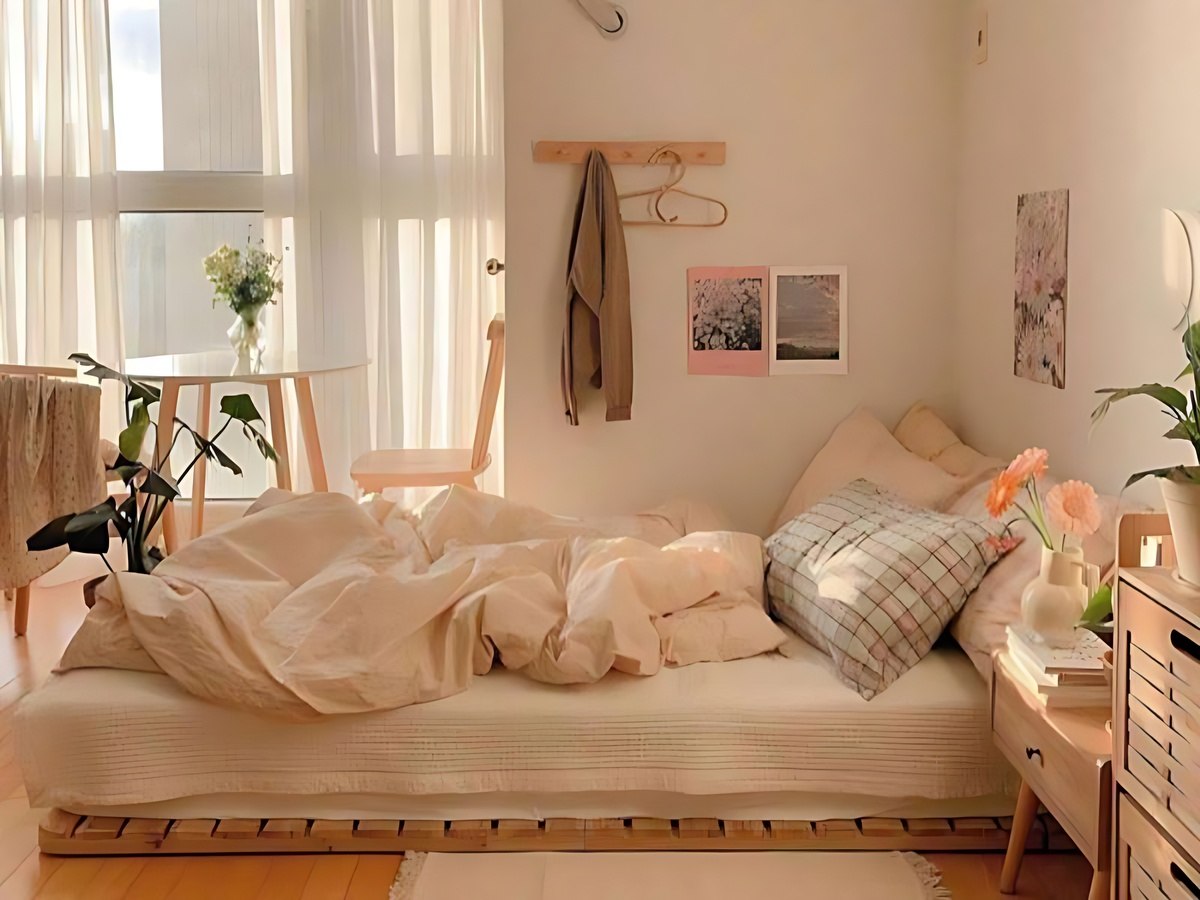
Properly designed windows help optimize natural light and save energy for bedrooms. (Source: Compilation)
1.3. Creating scientific airflow
Designing convection windows or combining them with ventilation fans helps increase air exchange efficiency in small bedrooms. Construction studies show that spaces with two convection airflow sources can reduce perceived temperature by 2–3 degrees Celsius compared to sealed rooms. This helps limit mold and the accumulation of hot air. Proper airflow arrangement also helps maintain stable air quality, especially in high-density urban environments.
1.4. Choosing a design style suitable for small spaces
Minimalist, Scandinavian, or modern styles are often applied in small bedrooms due to prioritizing simple lines and light colors. These styles reduce the number of decorative details, helping the space appear less cluttered and creating a sense of spaciousness. Design practice shows that reducing decorative items by 20–30% can significantly improve visual spaciousness. Consistency in style also contributes to optimizing the daily user experience.
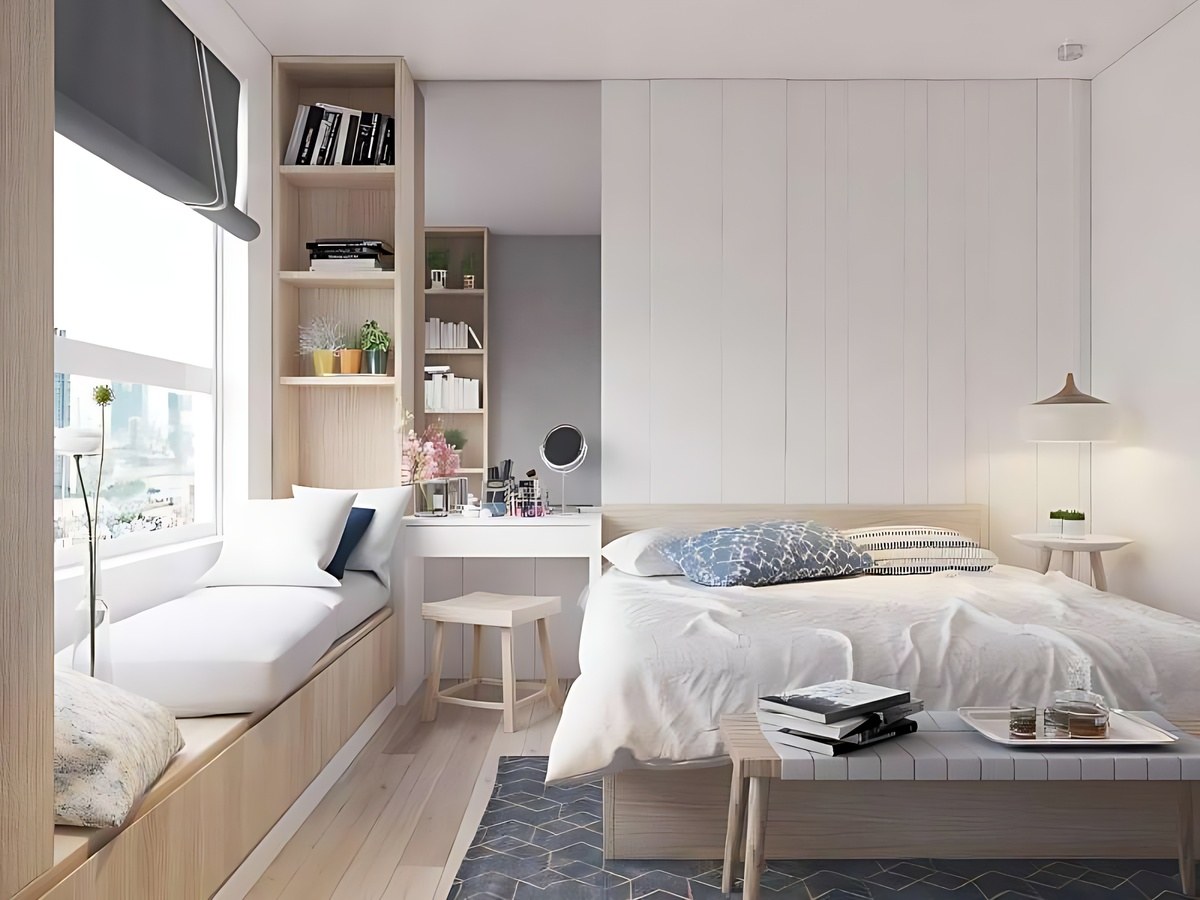
Simple design styles help optimize space and increase airiness for small bedrooms. (Source: Collected)
2. Interior layout solutions in airy small bedroom design
2.1. Using space-saving smart furniture
Smart furniture is a popular solution for apartments with areas from 25–45m2 today. Designs such as beds with drawers, built-in wardrobes, or folding tables help utilize space effectively. Integrating multiple functions into one product can save up to 15–20% of usable space. This helps small bedrooms remain fully functional without feeling cramped.
2.2. Proper bed placement creates a sense of spaciousness
The bed should be placed against the wall or near the window to optimize movement space in the room. This arrangement helps widen the walkway and increase the ability to receive natural wind, especially in rooms with an area of 9–12m2. Some practical designs show that a minimum circulation space of 60–80 cm helps ensure comfort. At the same time, a reasonable bed position also contributes to improving sleep quality.
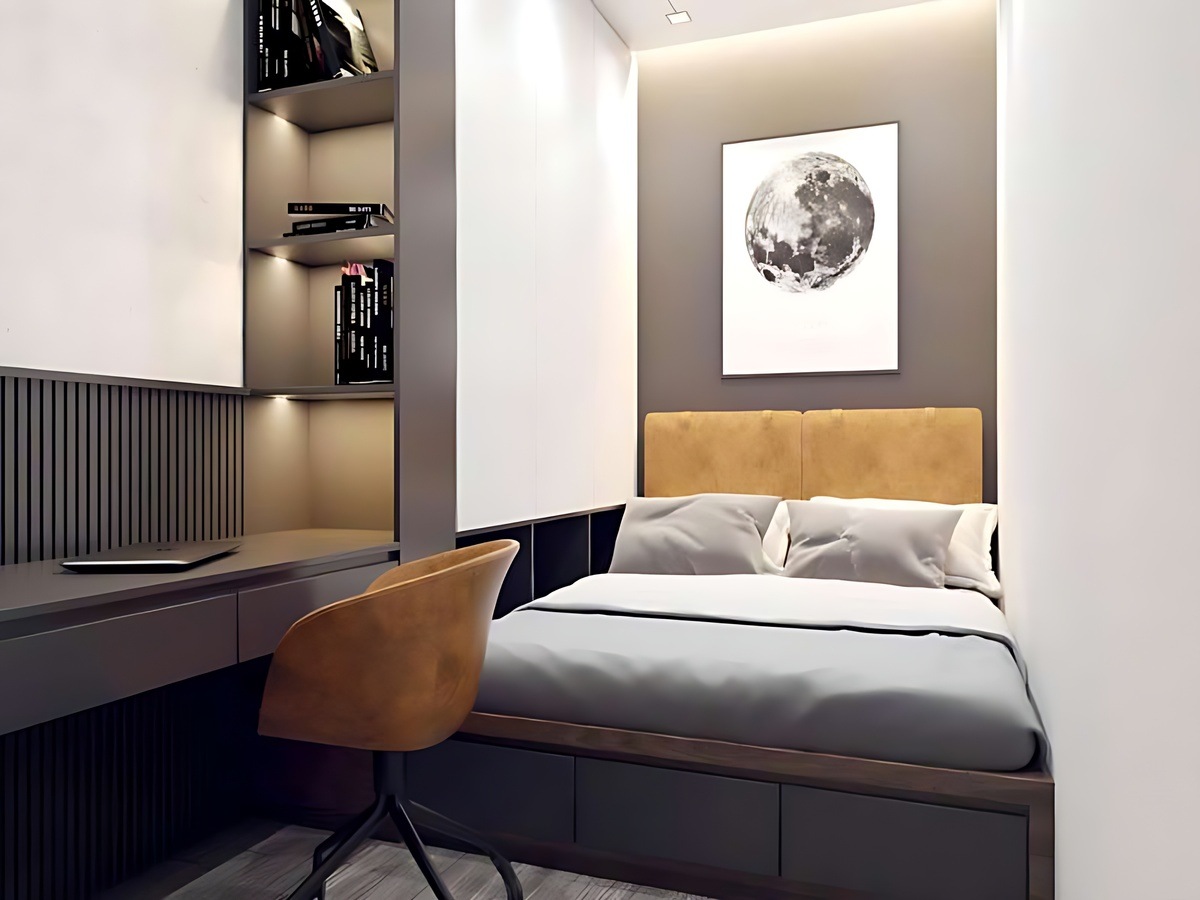
Arranging the bed close to the wall or near the window helps optimize space and air circulation. (Source: Collected)
2.3. Leveraging vertical space in designing small, well-ventilated bedrooms
Vertical space is often overlooked in small bedrooms, while this is an area that can be effectively utilized. Installing wall shelves or tall cabinets helps free up floor space, creating a more spacious feel. According to many apartment designs, utilizing vertical space can increase storage capacity by about 25%. This is especially useful for bedrooms with limited space in urban areas.
2.4. Limit bulky furniture that makes the room feel cramped
Large-sized furniture easily makes small spaces feel cramped and lack airiness. Choosing compact, multi-functional products helps maintain tidiness and easy movement within the room. Design experts recommend reducing furniture volume by at least 30% to improve the space experience. Decluttering also makes cleaning and maintaining the bedroom more convenient.
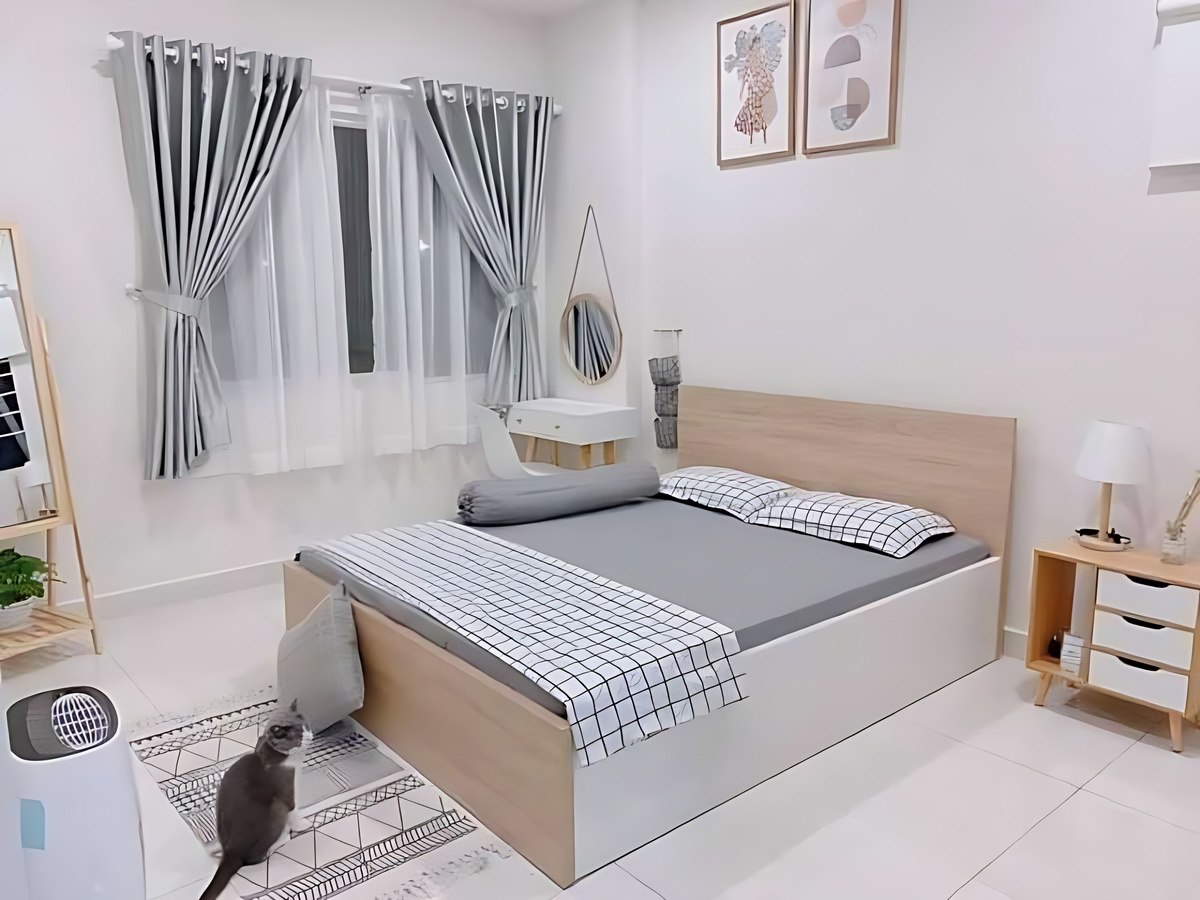
Using multi-functional furniture and minimalist furnishings helps make a small bedroom airy and tidy. (Source: Compiled)
3. Colors, materials, and lighting in the design of an airy and cool small bedroom
3.1. Choosing light colors helps expand the space
Light colors like white, beige, or pastel have good light-reflecting properties, making the space feel more spacious. In small bedroom designs, light colors can increase the sense of space by about 10–15%. This is a solution often applied in how to design a small, airy bedroom to improve visual perception. A reasonable color combination also helps create a sense of comfort and balance.
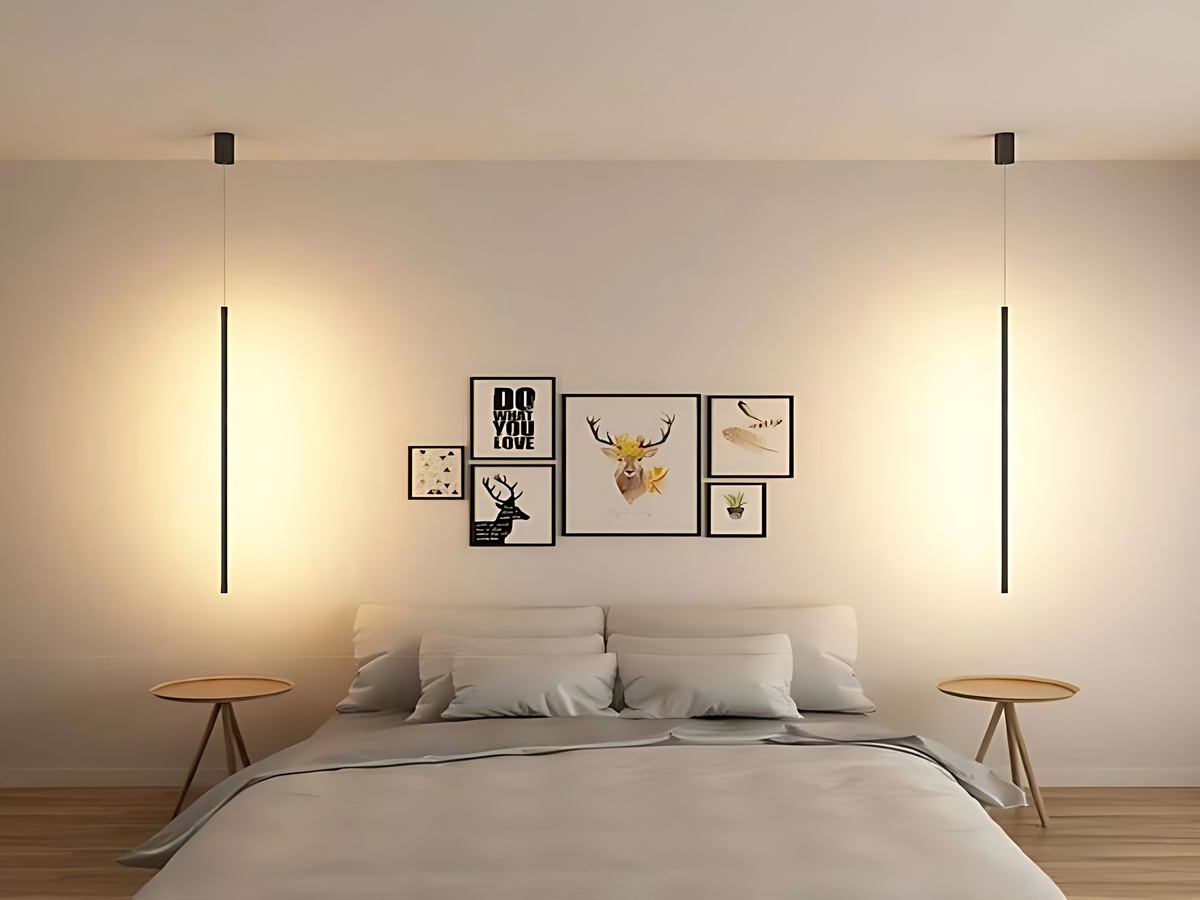
Using light colors helps expand the space and improve the visual for small bedrooms. (Source: Collected)
3.2. Combining lightweight materials creates an airy feel
Materials like glass, light-colored wood, or thin metal make the space feel lighter and less heavy. These materials are often used in modern apartments with an average area of 30–60m2. Reducing thick and heavy surfaces helps light diffuse better in the room. Additionally, lightweight materials also support optimizing construction costs and easy modification when renovation is needed.
3.3. Designing a reasonable lighting system
The lighting system should combine multiple sources such as ceiling lights, bedside lamps, and accent lights to create depth in the space. Layering light helps the room always be sufficiently lit without causing glare, especially at night. According to some design surveys, layered lighting can improve the space experience by up to 25%. This helps small bedrooms maintain a sense of spaciousness and comfort.
3.4. Utilizing mirrors in small, airy bedroom design
Mirrors are an effective solution to visually expand the space in a small bedroom. When placed correctly, mirrors can reflect light and create the feeling of a room being larger than it actually is. Many designs note that using mirrors helps increase the sense of space by about 15–20%. This is one of the factors often applied in how to design a small, airy bedroom to improve light and depth.
4. Legal feng shui considerations when applying how to design a small, airy bedroom
4.1. Bedroom area regulations according to the latest housing standards
According to National Technical Regulation on Apartment Buildings QCVN 04:2024/BXD, the usable area of a bedroom in an apartment shall not be less than 9m². This is the minimum area threshold to ensure furniture arrangement and air circulation. In addition, the clear height of the bedroom must be at least 2.6m. These regulations are mandatory in current construction design to ensure air quality and psychological well-being for users in small spaces.
4.2. Regulations on ventilation and lighting in residential housing
Bedrooms require special attention to air exchange. According to health and safety regulations in the National Technical Regulation on Housing and Public Works QCVN 04:2024/BXD, designs must ensure natural ventilation or a mechanical ventilation system with a standard fresh air flow rate. The design of windows for ventilation not only helps save energy and prevent mold but must also comply with safety indicators such as minimum windowsill height to avoid danger, especially in modern high-rise buildings.
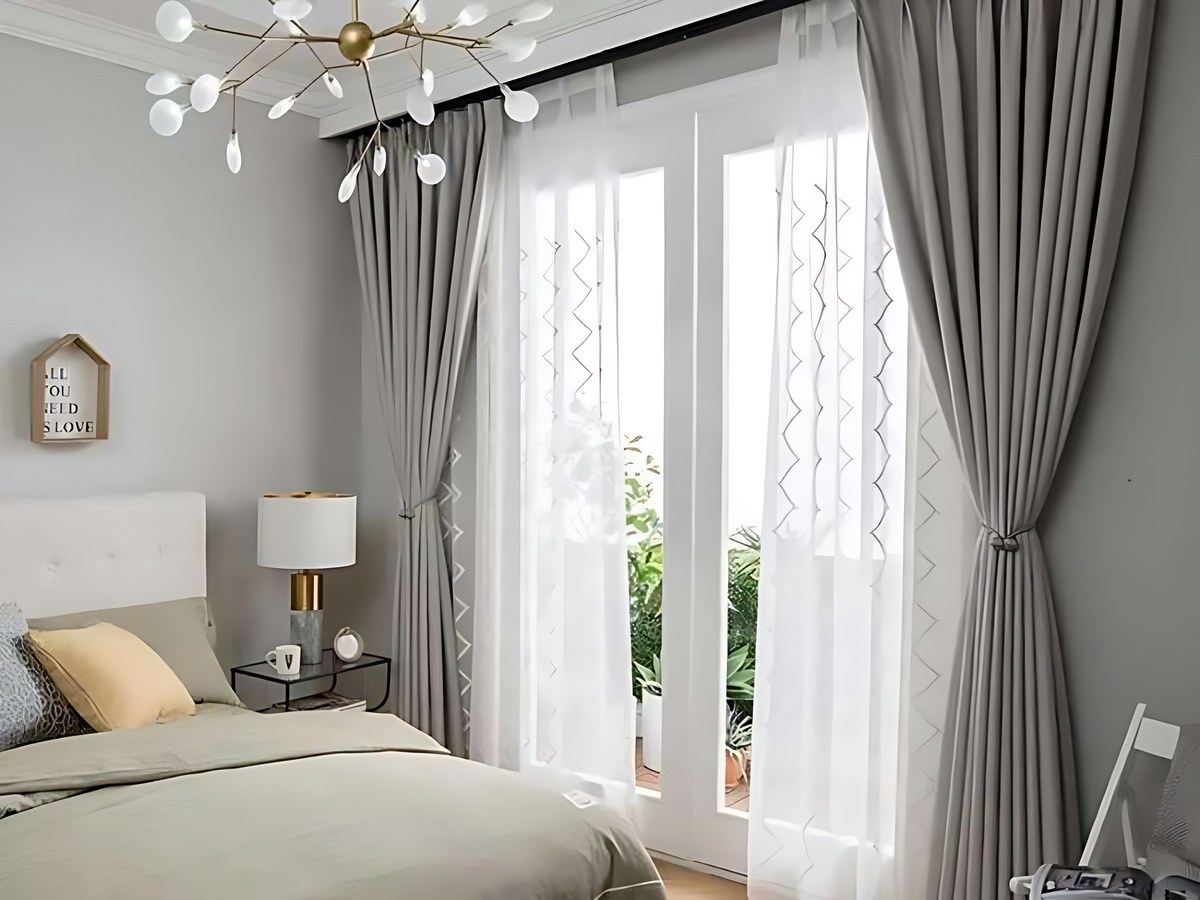
Ventilation design and window safety assurance for bedrooms according to technical standards. (Source: Collected)
4.3. Feng Shui elements in the design of small, airy bedrooms
Feng Shui in the bedroom often focuses on bed placement and spatial balance. Avoid placing the bed facing the door or a mirror to help reduce feelings of unease during rest. Additionally, a harmonious arrangement between furniture and pathways helps create energy balance in the room. These principles are often applied in conjunction with design methods for small, airy bedrooms to enhance the living experience.
To effectively apply how to design a small, airy bedroom, it requires a harmonious combination of interior layout, lighting, color, and basic legal elements. A small space can still become spacious and comfortable if designed correctly, bringing better living value every day.