


Italian Architectural Style – Timeless Aesthetic Excellence
When people think of Italy, images of art, history, fashion, and an emotional way of life immediately come to mind. These values aren't limited to painting, sculpture, or cuisine—they shine vividly in Italian architectural style, one of the most influential and enduring architectural traditions in the world. Italian architecture is more than construction; it's how Italians tell stories of culture, humanity, and time through living spaces. Unlike trends that come and go, Italian architecture exudes mature, profound beauty that transcends any single historical period. Whether in centuries-old masterpieces or modern homes inspired by tradition, it always radiates refined balance, harmony, and a distinctly emotional character.

▲Table of Contents
What is Italian architectural style?
Italian architectural style is not a single style, but a synthesis of many historical periods and architectural schools, from ancient Rome, the Renaissance, Baroque to modern Italian architecture. The common thread running through all these periods is an emphasis on proportion, humanistic values, and beauty connected to life.
From the time of ancient Rome, Italian architecture laid the foundation for many fundamental principles of Western architecture: domes, columns, plazas, and public buildings. During the Renaissance, Italian architecture entered its most brilliant period, when humans became the center of design thinking, and beauty was measured by the harmonious proportions between space, light, and form.
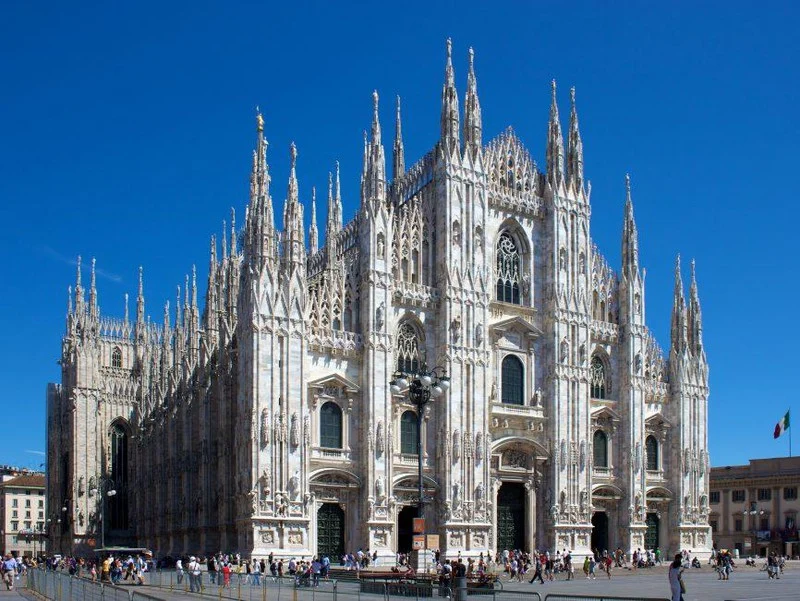
Italian architectural design style (Source: Collected.)
Today, when people talk about Italian architectural style in homes, they often understand it as a style that embodies warmth, understated elegance, closeness to nature, and rich emotional appeal. Neither ostentatious nor cold, Italian architecture creates a feeling of being "livable," "livingable," and becoming more beautiful the longer one lives there.
The core spirit of Italian architecture
The overarching spirit of Italian architectural style lies in the balance between art and life. Architecture is not merely for admiration, but must first and foremost serve daily life, for very real moments such as family meals, late afternoon conversations, or private moments by the window.
Italians don't chase absolute perfection. Instead, they appreciate the natural beauty of materials, the marks of time, and the details of craftsmanship. It is this "intentional imperfection" that creates depth and emotion in a space.
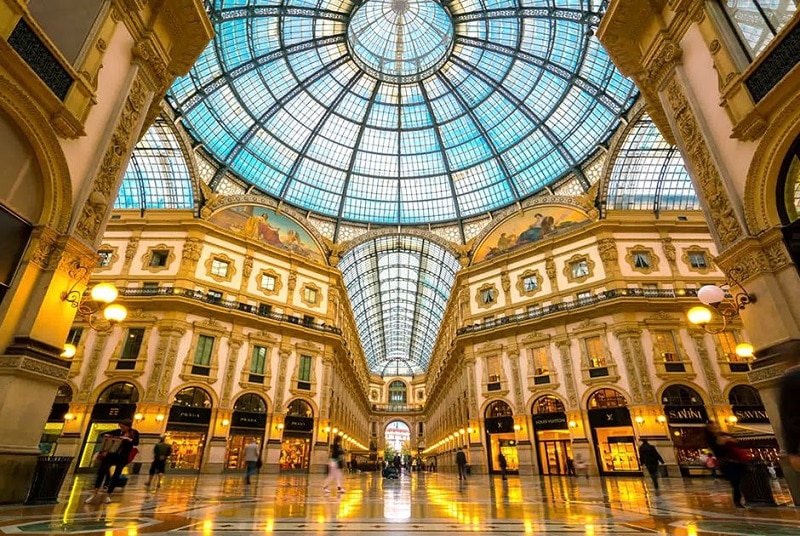
The core spirit of Italian architectural style (Source: Compiled.)
Another important factor is its connection to the context. Italian architecture has always respected its surroundings: the climate, topography, landscape, and local rhythm of life. Therefore, whether in ancient cities, the Tuscan hills, or the Mediterranean coast, Italian architecture always blends with nature rather than imposing itself on it.
The outstanding characteristics of Italian architectural style
The most recognizable feature of Italian architectural style is its clear yet not rigid form. Buildings often utilize simple, well-proportioned shapes, combined with domes, arched doorways, or wide balconies. Curves are present just enough to create softness, making the space feel welcoming and visually deep.
In terms of color, Italian architecture prioritizes warm and natural color palettes. Shades such as ivory, cream, beige, earthy yellow, brown, and terracotta are common, evoking a feeling of warm sunshine, antiquity, and a very "Mediterranean" feel. The colors are not overly contrasting but blend gently, making the space always pleasant and timeless.
Materials play a central role in Italian architecture. Natural stone, fired brick, wood, and rough mortar are familiar materials, often left in their natural state rather than being polished. Thick walls, cool stone floors, and exposed wooden beam ceilings are not only aesthetically pleasing but also well-suited to the hot climate.
Another important characteristic is the strong presence of outdoor space. Courtyards, porches, balconies, loggias, and small gardens are indispensable elements. These are not just architectural features, but also living spaces – places where families gather, where people connect with nature and the community.
Typical Italian architectural styles and their influence on contemporary housing.
Ancient Roman architecture laid the foundation for many elements still in use today, such as domes, columns, plazas, and spatial axes. Although no longer applied in their original form in residential architecture, the spirit of proportion and structure of Roman architecture continues to profoundly influence modern Italian architecture.
Renaissance architecture is the period that most clearly defined Italian architectural style. This was a time when proportion, symmetry, and harmony were paramount. In Italian-style homes, you can still see the spirit of the Renaissance through balanced layouts, regular windows, and a sense of gentle order.
Baroque architecture brings richness, drama, and movement. In modern homes, Baroque influences are often toned down, remaining only in soft decorative details, curved staircases, or artistic accents.
Modern Italian architecture is a continuation of traditional spirit, but simplified to suit contemporary lifestyles. The forms are cleaner, the spaces more open, but the materials and feel remain distinctly Italian.
Applying Italian architectural style to modern living spaces.
In modern homes, Italian architectural style is often applied with a focus on refining the spirit rather than simply copying the form. This is especially important when applied to countries with different climates and cultures, such as Vietnam.
In villas, the Italian architectural style best showcases its strengths. Open layouts, gardens, spacious verandas, and natural materials give the house a resort-like, relaxing, and very "real" feel. Swimming pools, courtyards, and outdoor dining areas are common elements that make the living space vibrant and enriching.
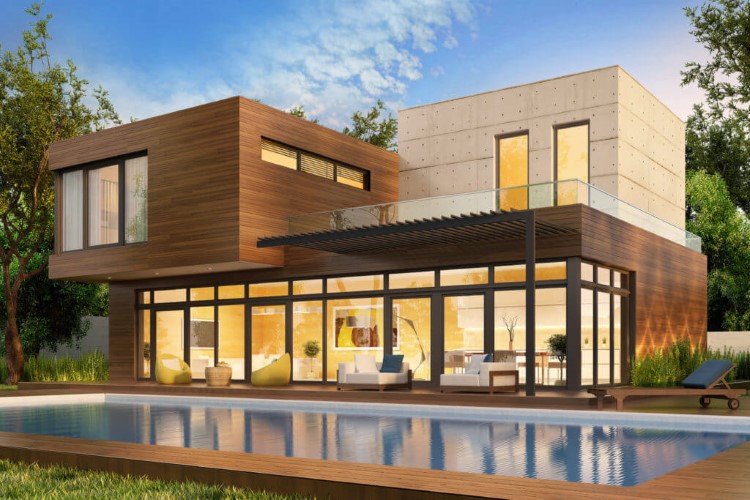
Modern Italian style (Source: Collected.)
In townhouses, the spirit of Italian architecture can be expressed through light-colored facades, wide balconies, arched doorways, or small loggias. Interiors prioritize natural materials, warm colors, and open layouts, giving the house, despite its limited size, depth and a comfortable feel.
For apartment living, Italian architectural style is often more evident in the interior: stone or tile floors, natural wood furniture, warm neutral colors, and soft yellow lighting. Adding greenery, artwork, or handcrafted items also helps to bring the Italian feel to the space more distinctly.
When applying this in Vietnam, you need to adjust the materials and technical solutions to suit the hot and humid climate, ensuring long-term durability and comfort while still maintaining the spirit of Italian architecture.
The lifestyle values that Italian architectural style brings
The unique aspect of Italian architectural style lies not only in its aesthetic beauty but also in the living experience it offers. Italian-style living spaces often encourage people to slow down and enjoy everyday moments more fully.
The values of Italian architectural style(Source: Compiled from various sources.)
This style emphasizes family bonding, connection with nature, and community. Long meals, conversations on the patio, or quiet moments by the window are all part of the Italian living space.
In the long run, Italian architecture possesses enduring aesthetic value. Not chasing trends, nor dependent on technology or fleeting forms, this style becomes more beautiful and profound the longer it is used.
Things to consider when designing in the Italian architectural style.
To truly showcase the value of Italian architectural style, it's crucial to avoid a mechanical "Italianization." There's no need for excessive columns, arches, or elaborate decorative details. Instead, focus on proportion, materials, and spatial emotion.
Light, ventilation, and indoor-outdoor connectivity are key elements. In addition, careful consideration must be given to aesthetics and functionality to ensure the space is both beautiful and suitable for daily living.
Italian architectural style is the culmination of history, art, and lifestyle – a style that is not flashy but full of vitality. In today's turbulent modern world, Italian architecture offers a space where you can live more slowly, deeply, and emotionally each day.
If you're looking for a moderately luxurious, warm, sustainable, and high-value architectural style, Italian architecture is definitely a worthwhile option to consider for your home.