


Mediterranean Architectural Style – The Breath of the Sea
Not overly ornate like European classical styles, nor stark like some modern minimalism, Mediterranean architecture brings a sense of freedom, warmth, and vibrant life. It instantly evokes turquoise seas, golden sunshine, whitewashed houses on hillside slopes, and a slow, leisurely rhythm of living. In recent years, this style has surged in popularity in Vietnam, especially for beach resorts, seaside villas, and premium residences. Beyond its stunning appearance, Mediterranean design touches the emotions, delivering a "vacation-at-home" experience deeply connected to nature.

▲Table of Contents
1. What is Mediterranean architectural style?
Mediterranean architecture originates from countries bordering the Mediterranean Sea, such as Greece, Italy, Spain, and southern France. It's not a single style, but rather a subtle blend of various cultures, shaped by the sunny, windy climate, the sea, and the open-minded lifestyle of coastal inhabitants.
The hallmark of Mediterranean architecture lies in its freedom of form, vibrant colors, and ability to maximize natural light and ventilation. Instead of rigid structures, this style offers a soft, intimate, and lively feel.
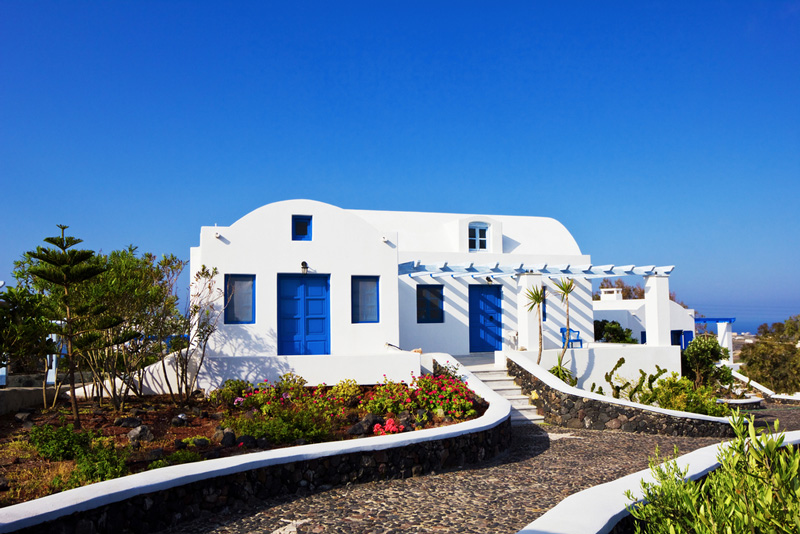
Mediterranean design style (Source: Collected.)
Essentially, Mediterranean architecture doesn't aim for absolute perfection, but rather celebrates natural, rustic, and somewhat spontaneous beauty. This is what creates its unique appeal, making residents feel comfortable and relaxed, as if they were living in a sun-drenched seaside region.
2. The design philosophy and core spirit of Mediterranean architecture
Mediterranean architectural style is built on the philosophy of living in harmony with nature. In a hot, sunny, and windy climate, people learned to design spaces that are cool, airy, and easily adaptable to the natural environment.
The core spirit of this style is openness, freedom, and relaxation. Spaces are not constrained by strict standards of proportion or absolute symmetry. Instead, Mediterranean architecture allows for flexibility, softness, and a somewhat spontaneous feel, reflecting the slow pace of life in coastal regions.
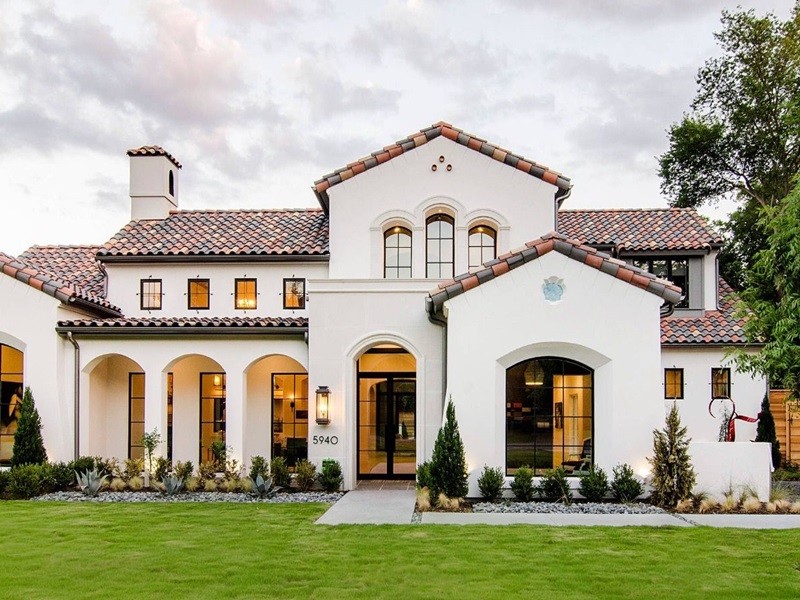
Mediterranean design philosophy (Source: Compiled.)
Another important element is community connection. Traditional Mediterranean homes often feature wide verandas, courtyards, and large balconies – intermediary spaces where people can meet, chat, and enjoy the fresh air. This makes the architecture not just a place to live, but a true living space.
3. Outstanding characteristics of Mediterranean architectural style
Soft forms, open architecture
Mediterranean architectural style is characterized by curves, arches, arched doorways, and thick walls. The forms are not overly sharp but rather fluid, creating a sense of intimacy and friendliness.
The space is typically designed with an open concept, prioritizing airflow and natural light. Large doorways and windows maximize connection with the outside environment while creating a sense of spaciousness in the living space.
The characteristic colors of the sea and sun.
The color palette of Mediterranean architecture is directly influenced by the natural environment of the sea. Common colors include white, cream, beige, sea blue, olive green, earthy yellow, and terracotta. These are all colors that create a warm, bright, and very pleasant feeling.
White is often used for walls to reflect sunlight, helping to keep the space cooler. Blue and yellow are used as accents, evoking images of the sea, sky, and tropical sunshine.
Natural, rustic materials
Mediterranean architecture prioritizes natural materials such as stone, fired brick, raw wood, ceramics, and wrought iron. These materials don't need to be overly polished; instead, they retain their natural surfaces, creating a rustic and durable feel.
The floors are often tiled with terracotta or natural stone, providing both coolness and aesthetic appeal. The ceilings may feature exposed wooden beams, creating a strong focal point and a distinctly coastal feel.
Outdoor spaces are the "soul" of architecture.
One of the indispensable elements of Mediterranean architectural style is outdoor space. Courtyards, patios, balconies, terraces, and pool areas are all considered extensions of the living space.
Greenery, flowers, climbing plants, and ceramic pots are often used to create a relaxing, nature-friendly atmosphere. This is the perfect place to enjoy the sunshine and breeze, have a morning coffee, or chat with family in the late afternoon.
4. Common variations of Mediterranean architecture
Despite sharing a common spirit, Mediterranean architectural styles still have distinctive variations depending on the region.
Greek style is characterized by white walls, vaulted ceilings, and cobalt blue accents. The spaces are typically simple, clean, and very much in the style of a resort.
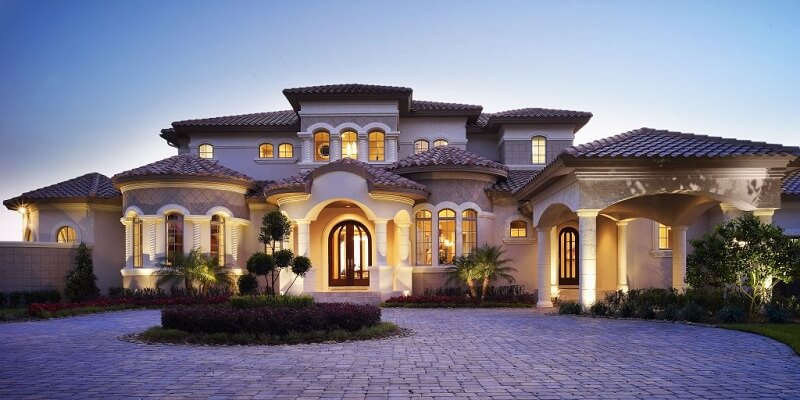
Common variations of the Mediterranean style (Source: Compiled.)
Italian style is characterized by a warmer, more classic aesthetic, featuring earthy tones of yellow, brown, and terracotta, along with materials like stone and fired brick. Italian architecture emphasizes a sense of coziness and tradition.
The Spanish style is characterized by its free-spirited nature, featuring terracotta roof tiles, large arched doorways, decorative wrought iron, and bold colors. This is an energetic variation that is well-suited to the hot climate.
5. Applying Mediterranean architectural style to contemporary living spaces.
In Vietnam, Mediterranean architectural style is particularly suitable for coastal areas, resorts, or homeowners who appreciate a living space with a free and relaxing atmosphere.
In the case of villas, this style maximizes the strengths of form, outdoor space, and landscaping. Swimming pools, gardens, and spacious patios are elements that give the house a distinctly resort-like feel.
For townhouses, the Mediterranean spirit can be expressed through light-colored facades, spacious balconies, arched doorways, or airy loggias. Interiors prioritize natural materials and warm colors to create a comfortable atmosphere.
Even in an apartment, you can still apply this style by choosing a characteristic color palette, rustic wooden furniture, natural tiles, and greenery. The important thing is to maintain a feeling of spaciousness, brightness, and closeness to nature.
When applied in Vietnam, it is necessary to adjust materials and technical solutions to suit the humidity and heavy rainfall, ensuring that the structure is both aesthetically pleasing and durable.
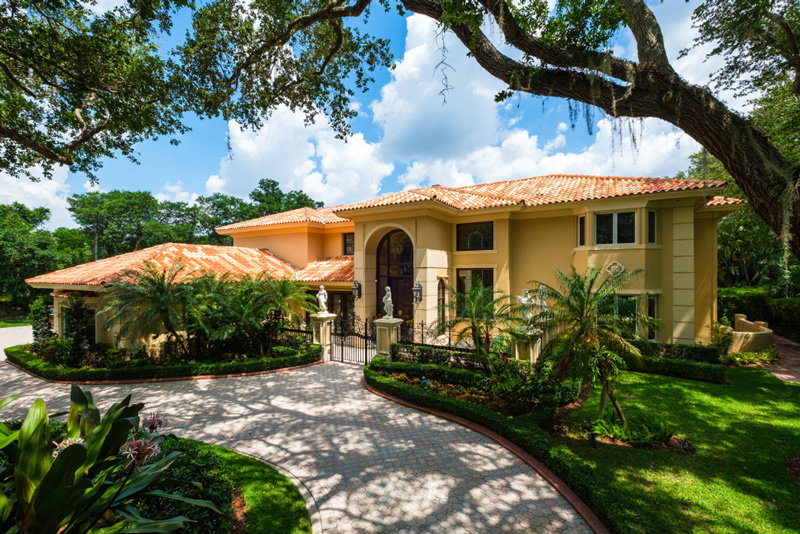
Application of Mediterranean architectural style (Source: Collected.)
6. Advantages and considerations when designing in the Mediterranean style.
The greatest advantage of Mediterranean architectural style is its relaxing and emotionally rich feel. Living spaces are highly resort-like, helping to reduce stress and improve the quality of life.
This style is also well-suited to hot climates, thanks to its ability to utilize wind, light, and cool materials. In addition, Mediterranean architecture possesses enduring aesthetics and is less likely to become outdated.
However, to achieve the desired effect, you need to avoid mechanical copying. This style requires flexibility and subtlety in design, avoiding overuse of colors or decorative details that can make the space look cluttered.
Mediterranean architectural style is not just an aesthetic choice, but also a statement of lifestyle: freedom, relaxation, and connection with nature. In a context where people are increasingly seeking a balance between work and life, Mediterranean architecture offers a space where you can truly "slow down" and enjoy every moment of the day.
If you desire a home filled with sunshine and fresh air, imbued with the essence of the sea and the feeling of a long-term vacation, Mediterranean architecture is definitely a worthwhile option to consider.