


Modern Architectural Style – The Design Mindset of the New Era
In the era of rapid urbanization, fast-paced lifestyles, and a growing demand for personalized living spaces, modern architecture has become a globally popular choice. More than just a passing trend, it mirrors how people think, live, and adapt to contemporary society. Unlike historical styles such as classical or neoclassical with clear inherited traditions, modern architecture focuses firmly on the present and the future. Every element prioritizes functionality, user experience, and long-term adaptability. This is why the style continues to evolve and thrive decade after decade.

▲Table of Contents
1. What is modern architectural style?
Modern architecture emerged in the late 19th and early 20th centuries, when society entered a period of rapid industrialization. The development of new materials such as reinforced concrete, steel, and glass allowed architecture to break free from traditional constraints on structure and decoration.
The core of modern architectural style lies in the principle of "form serving function." A beautiful building must first and foremost be a functional building that effectively serves the needs of its users. Aesthetics do not come from elaborate patterns, but from the form, proportions, and spatial organization itself.
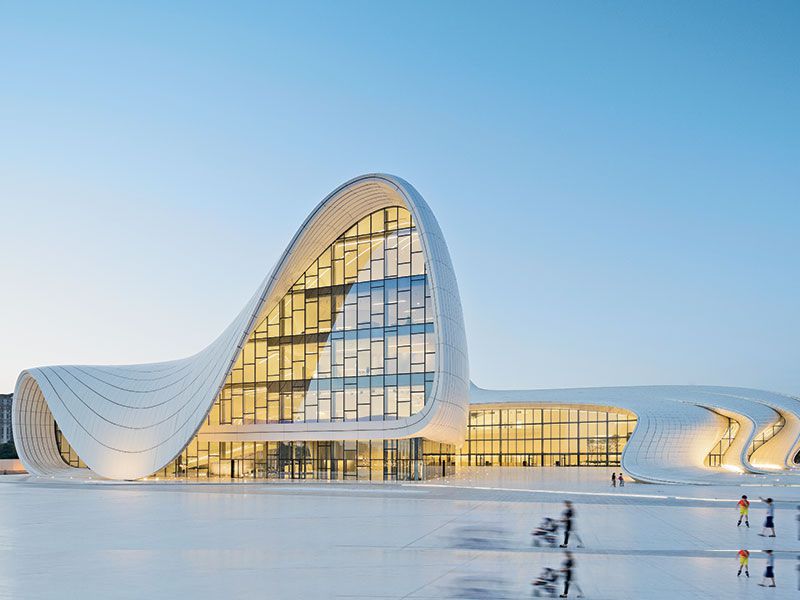
Modern design style (Source: Collected.)
Today, when discussing modern architectural style, people often associate it with buildings featuring clean lines, open spaces, the use of new materials, and an emphasis on living experience. This style is also the most widely applied in urban housing, offices, shopping malls, and public buildings.
2. The core design philosophy of modern architecture
To truly understand modern architectural style, one needs to look at the philosophy that created it – a philosophy closely linked to the changes in society and humanity.
Functionality is central.
Unlike traditional architecture, which often prioritizes expressive form, modern architecture considers functionality as its central element. Every space is designed based on practical needs: living, working, resting, and connecting. This makes the building flexible, easy to use, and suitable for a wide range of users.
Eliminate redundancy.
Modern architectural style advocates eliminating unnecessary decorative details. This "reduction" does not make the space impoverished; on the contrary, it helps the architecture become clearer, more coherent, and more focused on its core values.
Celebrating materials and structures
In modern architecture, materials are not hidden but displayed honestly. Concrete, steel, glass, wood… appear in their true nature, creating a raw yet powerful beauty. The structure of the building becomes part of the aesthetics, rather than just playing a technical role.
Architecture serves people.
Above all, modern architectural style aims to improve the quality of life. Light, ventilation, and flexibility in space utilization are all prioritized to create a comfortable, efficient, and sustainable living environment.
3. Outstanding characteristics of modern architectural style
Simple shapes, clean lines
Modern architecture utilizes basic geometric shapes such as squares, rectangles, and cubes. Straight, decisive lines give the buildings a strong, clean, and easily recognizable aesthetic. The simplicity of the shapes also ensures that the buildings do not become outdated with changing trends.
Open and flexible space
One of the most important characteristics of modern architectural style is open space. Functional areas such as the living room, kitchen, and dining room are often interconnected, minimizing rigid partitions. This not only optimizes space but also enhances connection between family members.
Natural light and ventilation
Modern architecture maximizes natural light through large windows, expansive glass surfaces, and skylights. Light not only saves energy but also creates a spacious and comfortable living environment. Natural ventilation is also carefully considered to suit the climate.
Neutral, restrained colors
The color palette of modern architectural style typically revolves around neutral tones such as white, gray, black, beige, and brown. Colors are used purposefully, avoiding an overwhelming array of colors that can be visually jarring. Color accents usually come from furniture, plants, or lighting.
Modern materials and new technologies
Reinforced concrete, glass, steel, engineered wood, composite materials… are common materials in modern architecture. The application of new technologies helps buildings achieve high efficiency in terms of structure, aesthetics, and energy saving.
4. Trends and variations of modern architecture
Modern architectural style is not a fixed pattern, but is constantly evolving with many different variations.
Minimalist Modern architecture focuses on minimizing details, colors, and materials, creating spaces that are clean, uncluttered, and very "contemporary".
Tropical Modern architecture is a popular style in countries with hot and humid climates, including Vietnam. This style combines modern thinking with solutions for sun protection, ventilation, the use of local materials, and greenery.
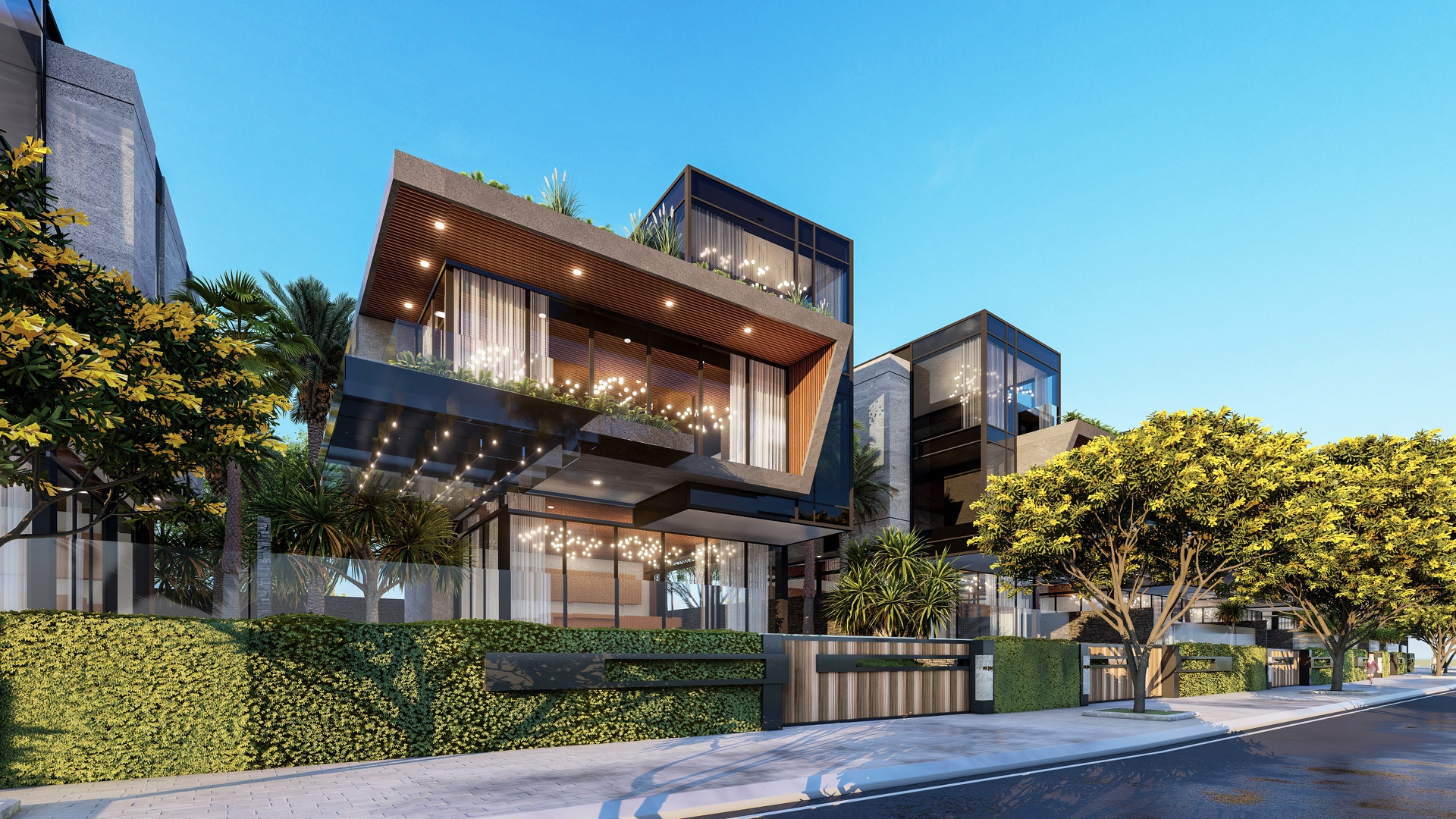
Variations of modern design style (Source: Collected.)
Industrial Modern architecture draws inspiration from factories, featuring exposed concrete and structural steel, giving it a strong and distinctive aesthetic.
Green architecture focuses on sustainability, energy efficiency, and environmental friendliness. This is an increasingly important trend in the context of climate change.
5. Application of modern architectural style in contemporary housing.
In Vietnam, modern architectural style is widely applied due to its high adaptability and suitability for diverse living needs.
For townhouses, modern architecture helps solve the problem of limited space through intelligent layouts, open spaces, and natural light. The facade is often simple but has clear focal points, creating a strong impression.
In this apartment, the modern style creates a sense of neatness, convenience, and ease of use. Minimalist furniture optimizes space while creating a comfortable living environment for the young family.
For villas, modern architecture is expressed through strong geometric forms, spacious interiors, and a connection with the surrounding landscape. Gardens, ponds, and large balconies help the building be both modern and close to nature.
When applied in Vietnam, modern architectural styles are often adapted to the climate, incorporating solutions for heat insulation, sun protection, and natural ventilation to ensure year-round comfort.
6. Advantages and considerations when designing in the modern architectural style.
The greatest advantage of modern architectural style is its flexibility and long-term adaptability. It is suitable for many types of buildings, many users, and is easily updated to meet new needs.
Modern architecture also helps optimize functionality and save on operating and maintenance costs. The clean design with minimal decorative details simplifies construction and maintenance.
However, to achieve high effectiveness, it is necessary to avoid overly simplistic or superficial designs. Modern style demands sophistication in proportions, lighting, and materials. If not handled skillfully, the space can become cold, lacking focal points or emotion.
7. Modern architecture and future lifestyle trends
In the future, modern architectural styles will continue to evolve towards sustainability, intelligence, and personalization. Smart home solutions, environmentally friendly materials, and flexible design will be increasingly integrated into architecture.
Architecture is not just a "shell" for living spaces, but becomes a tool to help people live better, save energy, and connect harmoniously with their surroundings. Modern architectural styles, with their open thinking and high adaptability, will continue to play a central role in this process.
Modern architectural style is not simply a design trend, but a clear expression of contemporary living: prioritizing functionality, flexibility, and quality of life. In an ever-changing world, modern architecture offers you a space flexible enough to adapt, sophisticated enough to enjoy, and sustainable enough to be a long-term part of.
If you're looking for an architectural style that's both relevant today and ready for the future, modern architecture is a very worthwhile option to consider.