


Poetic Cottagecore style in home design.
Inspired by peaceful rural life, many people turn to the Cottagecore style in home design to create a gentle and relaxing living space. This style brings a feeling of closeness to nature and poetic charm in every corner. If you want to know more details, please see the analysis below.

▲Table of Contents
1. An Overview of Cottagecore in Home Design
1.1. Definition of Cottagecore in the Context of Modern Interior Design and Architecture
In living space design, the Cottagecore style is understood as an aesthetic trend inspired by European rural life, emphasizing simplicity and a slow pace of life. According to Vietnam Standard TCVN 13967:2026 on Sustainable Interior Design, this style currently goes beyond mere aesthetics to meet "green architecture" standards, prioritizing the use of naturally sourced materials with sustainability certifications, commonly seen in modern eco-housing models.
Cottagecore originates from the image of small houses amidst nature, with gardens, flowers and grass, and handicraft activities such as cooking, gardening, or sewing. These elements create a relaxing living space, reflecting the connection between humans and the natural environment.
The essence of this style lies not only in its decorative form but also expresses a lifestyle oriented towards traditional values, emphasizing peace and self-sufficiency. This makes Cottagecore a trend with cultural depth in home design.
1.2. Aesthetic philosophy that emphasizes simplicity and connection with nature
When exploring the Cottagecore style in home design, its core spirit is simplicity and closeness to nature, reflected in the choice of materials and spatial arrangement. Natural elements such as light, greenery, and raw materials are prioritized for use to create a sense of relaxation.
This style aims for simple values in life, such as enjoying quiet spaces, gardening, or using handcrafted items. These activities help create a sense of peace and balance in daily life. Cottagecore also reflects the desire to escape the fast-paced and stressful urban life, by recreating a nostalgic and gentle living space. This helps the space become a place for rest and rejuvenation for its users.
1.3. Identifying points to distinguish Cottagecore from other rustic trends
To understand Cottagecore style in home design we need to compare it with other country styles like rustic or farmhouse, which also use natural materials but have different expressions. Cottagecore focuses more on emotional elements and romance in the space.
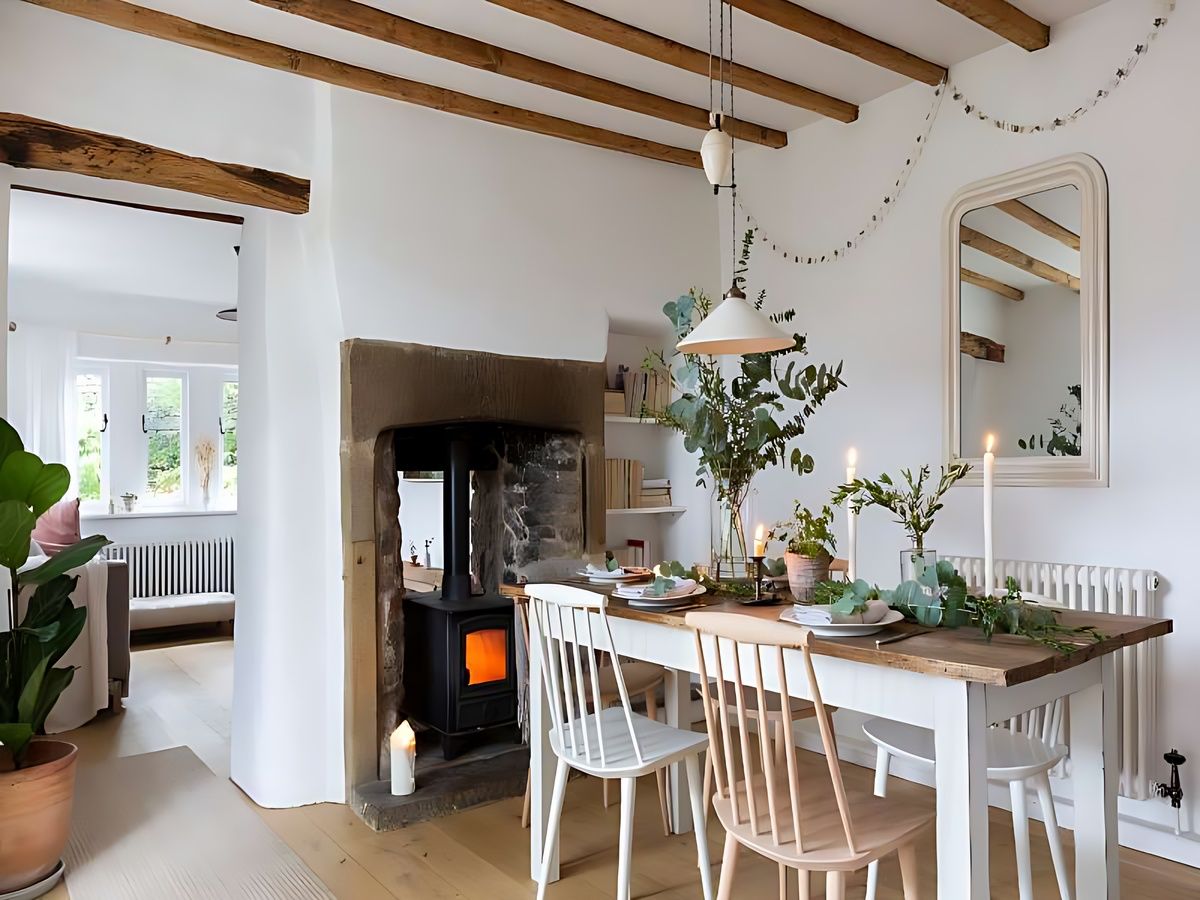
Cottagecore style emphasizes distinct romance and nostalgia. (Source: Collected)
While rustic leans towards rustic simplicity and farmhouse aims for comfort, Cottagecore focuses on decorative details that are nostalgic and handmade. This helps the style create a lighter, softer, and more personalized space. The difference is also shown in the use of colors and layout, as Cottagecore prioritizes soft, gentle colors and natural arrangements instead of clear structures.
2. Elements that create Cottagecore's unique mark in living spaces
2.1. Soft color palette inspired by nature
When analyzing Cottagecore style in home design, color is an important factor that helps shape the space with pastel, cream white, light yellow, and earth tones. These color tones bring a gentle feeling, while also reflecting the beauty of nature.
Color coordination in Cottagecore often aims for harmony and naturalness, inspired by flowers and leaves, earth and sky, and daylight. This helps the space become lively yet maintain visual stability. Additionally, the soft color palette also enhances adaptability to various interior styles, from classic to modern. This is a factor that helps this style be easily applied in many different living spaces.
2.2. Rustic materials and handcrafted furniture
The identifying characteristic of Cottagecore is the use of natural materials such as wood, linen, cotton, and ceramics. However, according to National Technical Regulation QCVN 06:2026/BXD on Fire Safety for Buildings and Construction, the application of flammable materials such as fabrics and wood in Cottagecore interiors requires surface treatment with fire-retardant agents or combination with modern fire-resistant core materials to ensure absolute safety while retaining the rustic, cozy aesthetic.
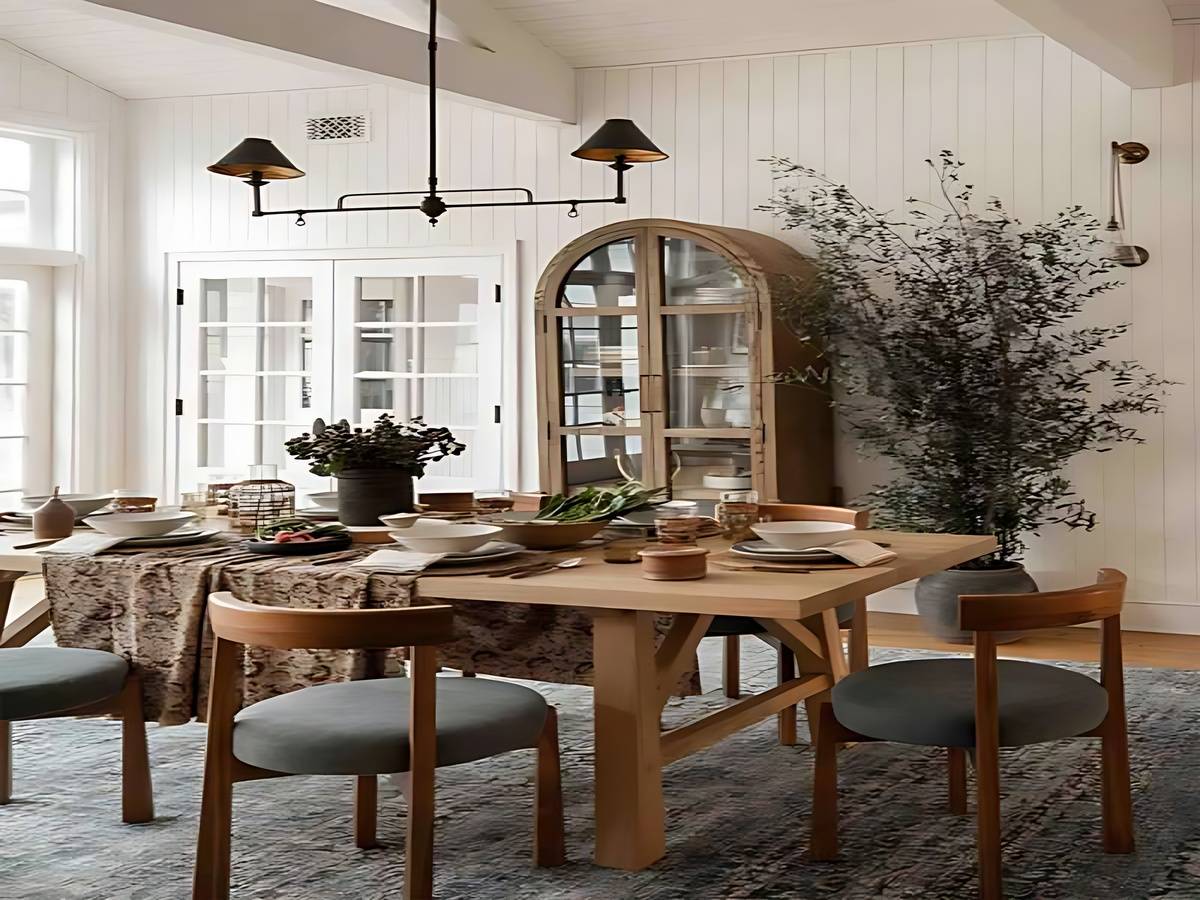
Natural materials and handcrafted interiors create a Cottagecore space. (Source: Compilation)
Handcrafted furniture plays an important role in creating the identity of the Cottagecore aesthetic, as each piece carries its own unique mark. This helps the space become more unique and aesthetically deeper. The combination of different materials also contributes to creating diversity in living spaces, while enhancing the user experience. This is an important factor in maintaining the flexibility of this style.
2.3. Decorative details evoking nostalgia and classicism
When exploring the Cottagecore style in home design , nostalgic decorative details are essential, from small floral prints to vintage items. These details help create a space with a sense of time. Accessories such as tablecloths, curtains, or cushions often use gentle patterns, contributing to softening the space and creating a subtle accent.
The repetition of these patterns helps the space become cohesive and pleasant. In addition, the use of vintage decor such as clocks, picture frames, or ceramics enhances the artistic quality of the space. This contributes to creating a balance between functionality and aesthetics in interior design.
2.4. Warm, friendly feeling in the overall space
An important factor when evaluating the Cottagecore style in home design is its ability to create a cozy and intimate space through lighting and interior layout. Natural light combined with warm yellow lighting makes the space more pleasant. The interior layout in this style is usually not too elaborate but focuses on comfort and practicality.
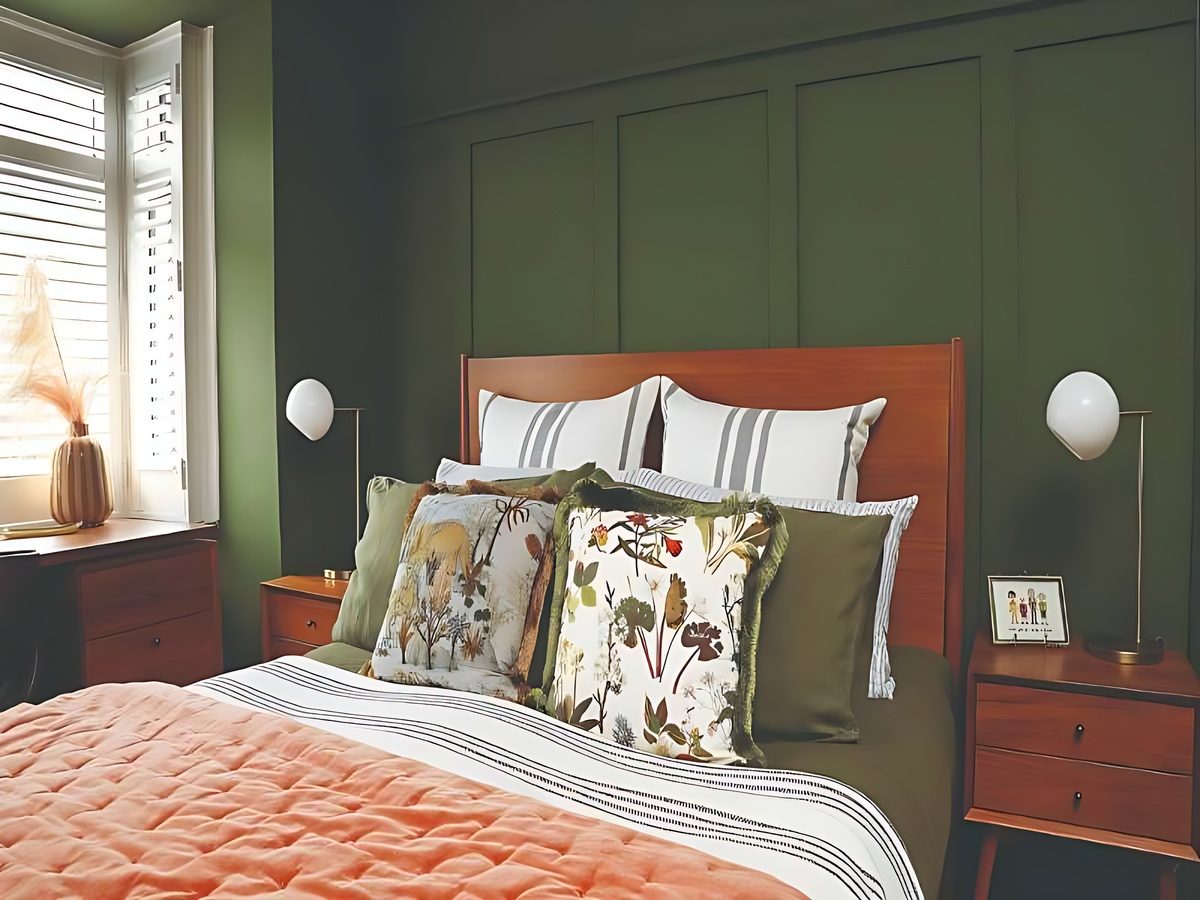
Cozy, intimate, and pleasant Cottagecore space. (Source: Collected)
The above helps users feel easily adaptable and enjoy the living space. The combination of light, colors, and materials creates a harmonious whole, bringing a sense of familiarity like in country houses. This is a factor that helps Cottagecore gain attention in modern home design.
3. Exploring Cottagecore Style in Home Design
3.1. Countryside Living Room with a Cottagecore Vibe
When applying Cottagecore style in home design to the living room, the arrangement of light furniture and the use of natural colors help create a comfortable common living space. Sofas, coffee tables, and decorative shelves often feature simple and cozy designs.
Living room spaces are often supplemented with green plants, fresh flowers, or handicraft items to enhance naturalness and liveliness. These elements help create accents without losing overall harmony. Natural light plays an important role in shaping the space, making the living room feel more spacious and comfortable. This is an element often emphasized in Cottagecore design.
3.2. Gentle Cottagecore-inspired relaxation space
In the bedroom, the Cottagecore style is expressed through the use of soft materials and gentle colors to create a relaxing feeling. Bedding, curtains, and rugs often come in pastel or neutral tones. The bedroom space is often designed with a minimalist approach but still retains aesthetic elements through small decorative details.
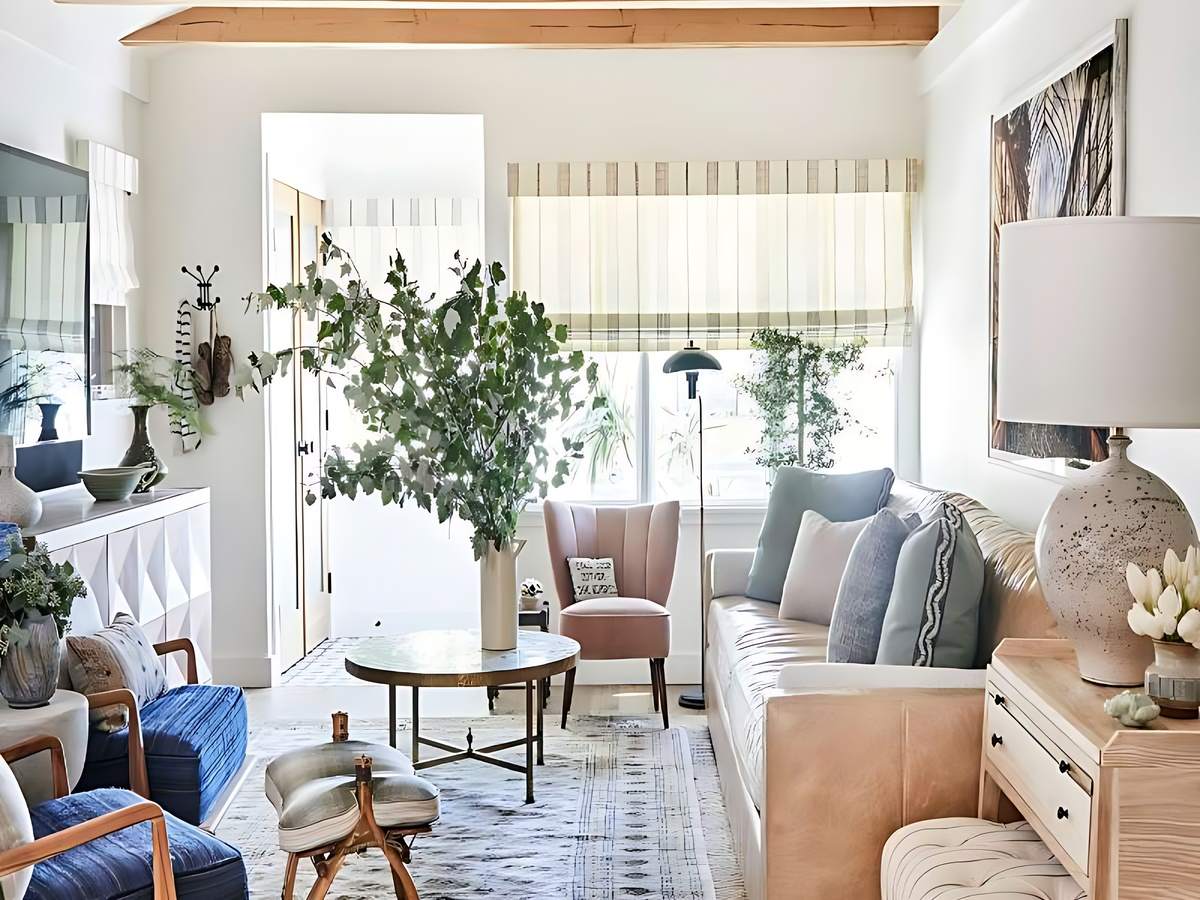
Gentle, relaxing, and aesthetic Cottagecore bedroom. (Source: Collected)
This helps create a resting environment suitable for relaxation needs. The combination of light and materials also plays an important role in creating a space that balances function and emotion. This is a factor that helps improve the quality of living space.
3.3. Solutions for bringing Cottagecore into townhouses and urban apartments
Cottagecore is versatile for townhouses and urban apartments. Notably, according to the Housing Law, renovating spaces in this style requires attention to natural ventilation and lighting systems. In limited spaces, the arrangement of Cottagecore furniture must comply with internal construction density to avoid a cramped feeling, helping the space retain its nostalgic charm while meeting the full amenities of a new generation smart apartment.
4. Tips for designing a home in the Cottagecore style effectively
4.1. How to choose materials and furniture that fit the main spirit
When implementing the Cottagecore style in home design, the selection of furniture and materials should prioritize natural and handcrafted elements to maintain a rustic spirit. Materials such as wood, fabric, and ceramics are commonly used. Decorations should be personal and have long-term usability, helping the space become intimate and deep. This contributes to creating stability in interior design.
4.2. Common mistakes when implementing Cottagecore in practice
When exploring the Cottagecore style, it is important to avoid decorating with too many details, which can make the space cluttered and lacking a focal point. Balance between elements is essential in design. Using too many colors or inconsistent patterns can also reduce the aesthetic appeal of the space. This needs to be controlled through the selection of a suitable color palette. Additionally, a lack of connection between different areas in the home can make the space lose its unity.
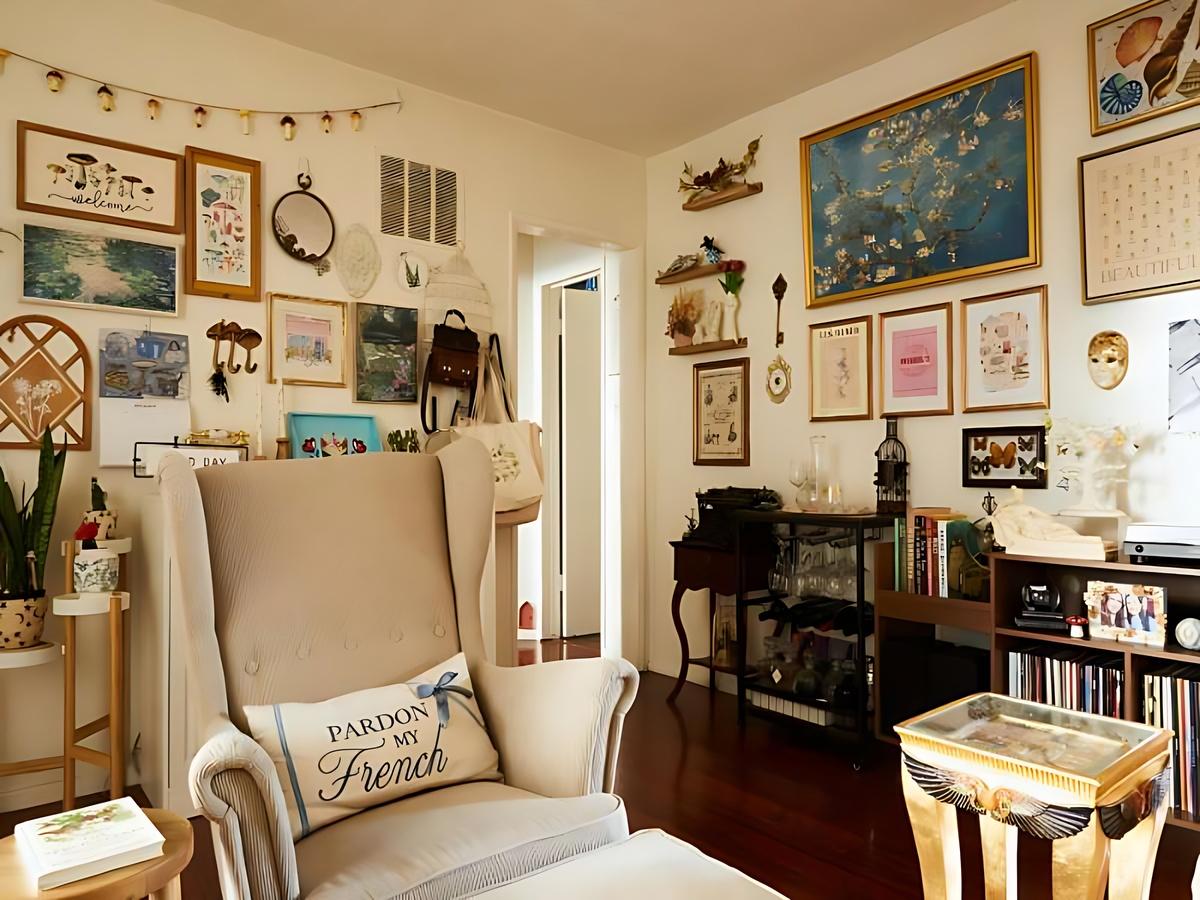
Applying Cottagecore requires avoiding visual clutter and imbalance. (Source: Collected)
Budgeting tips when pursuing the Cottagecore style
Cost optimization can be achieved by utilizing old or secondhand furniture, in line with the spirit of the circular economy encouraged in Decree No. 08/2022/ND-CP (with updated supplementary guidelines in 2026) on environmental protection.
Creative reuse not only reduces costs but also helps homeowners own unique pieces. Furthermore, DIY decoration using local recycled materials is a smart approach that helps reduce the carbon footprint for the project while retaining the soul of the Cottagecore style.
It can be said that if you apply Cottagecore style in home design will bring a warm, gentle, and emotional living space. When thoughtfully implemented, this style helps you enjoy a peaceful life and be closer to nature.