


Tips for creating a beautiful rooftop garden with optimized costs
Owning a rooftop garden not only helps improve living space but also significantly increases property value. However, to implement it effectively, you need to understand the experience of creating a rooftop garden from design to construction to ensure safety, aesthetics, and cost savings.

▲Table of Contents
1. Experience in creating rooftop gardens in modern real estate
1.1. Trends in urban rooftop garden design
During the period from 2020 to 2025, the demand for green living in major cities such as Thanh Pho Ho Chi Minh and Ha Noi has increased significantly, especially in the townhouse and apartment segment. Rooftops are gradually becoming important functional spaces to improve the living environment. Applying experience in creating rooftop gardens helps reduce thermal pressure and significantly increase air quality in crowded urban environments.
Concurrently, the trend of designing rooftop gardens is also associated with personalized lifestyles and optimizing small spaces. Flexible designs using green modules, resting chairs, and miniature landscapes are popular in areas from 20m² to 50m². This space not only serves for relaxation but also becomes a common living area, contributing to enhancing the living experience in modern residential areas.
1.2. Benefits of experience in making rooftop gardens for housing value
According to real estate market surveys as of early 2026, houses with standard green spaces such as garden terraces can increase asset value by 10% to 20% compared to products in the same segment. The proper application of experience in creating garden terraces not only helps reduce roof temperature by 3 to 6 degrees Celsius, significantly saving electricity costs, but also is a key factor helping real estate achieve "green housing" certifications, thereby enhancing liquidity and competitive advantage in transactions.
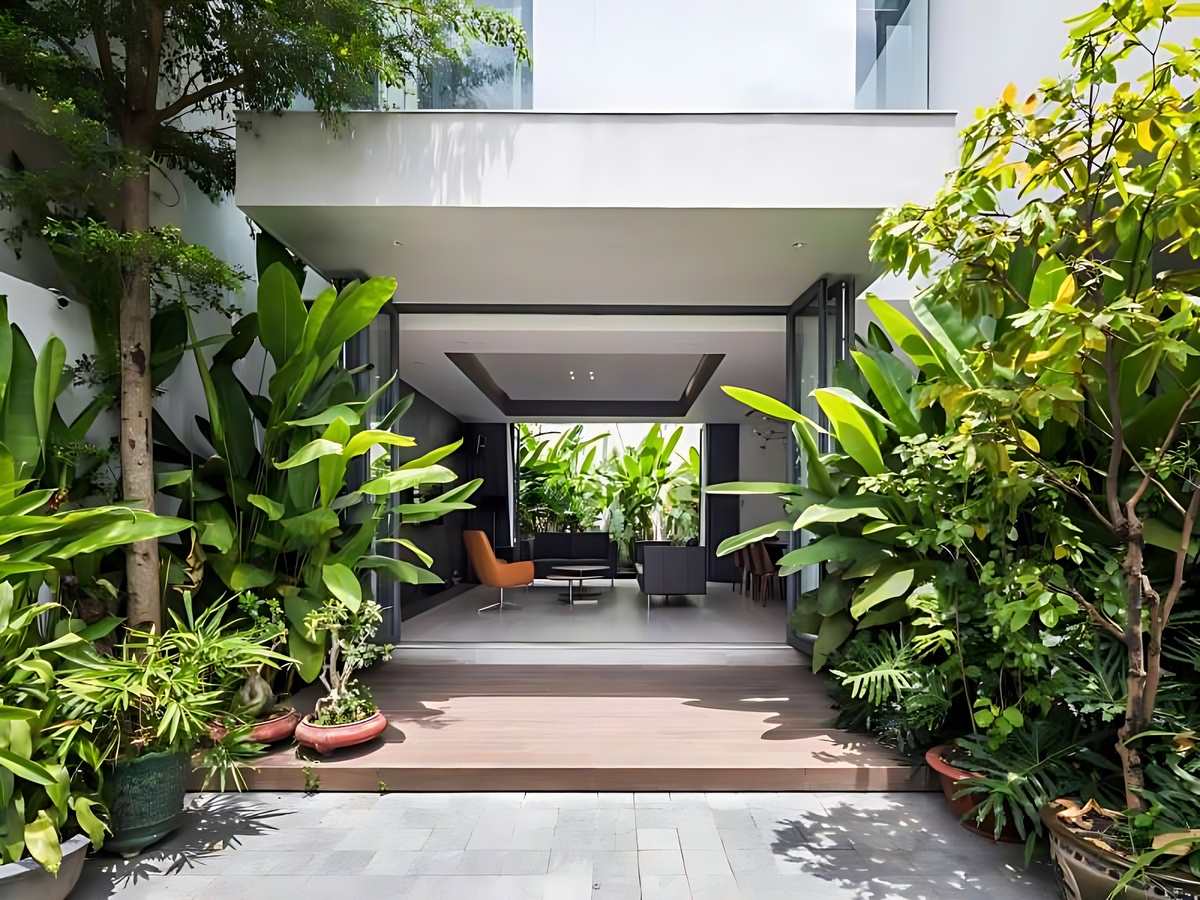
Rooftop garden design helps increase the value and liquidity of real estate. (Source: Collected)
Besides technical factors, rooftop gardens also create a distinct aesthetic highlight when trading, buying, or renting. Houses with green designs often attract young customers or families who need to live close to nature. This contributes to increasing real estate liquidity and helps owners gain a competitive advantage in a market that tends to focus on living environment factors.
2. Design principles in rooftop garden experience
2.1. Assess load-bearing structure before construction
Before implementation, checking the load-bearing structure of the roof slab is a mandatory requirement according to construction safety regulations. According to standard TCVN 2737:2023 on loads and impacts, roof repair loads for reinforced concrete roofs are usually calculated meticulously to ensure safety. Static loads (soil, pots, materials) and dynamic loads (people, irrigation water) must be within the permissible limits of the original design, typically ranging from 200kg to 400kg/m2 depending on the type of construction, whether it is a townhouse or a villa. On-site surveys combined with drawings help accurately determine the placement of heavy landscaping features or large plant pots on load-bearing points such as columns or main beams.
In addition to calculating static loads, dynamic loads from people, water, and decorative equipment must be considered. In many cases, reinforcing beams or using lightweight materials are suitable solutions to reduce pressure on the structure. This thorough assessment step helps limit the risks of floor cracking, water leakage, and ensures the durability of the construction throughout its use.
2.2. Waterproofing and drainage solutions for garden terraces
The waterproofing system is an important factor in the design of rooftop gardens to protect the concrete structure from the effects of water and moisture. Common materials include bitumen waterproofing membranes, polymer paints, and modified cementitious coatings. Proper technical construction with multiple protective layers helps increase the lifespan of the structure and limit leakage to the floors below.
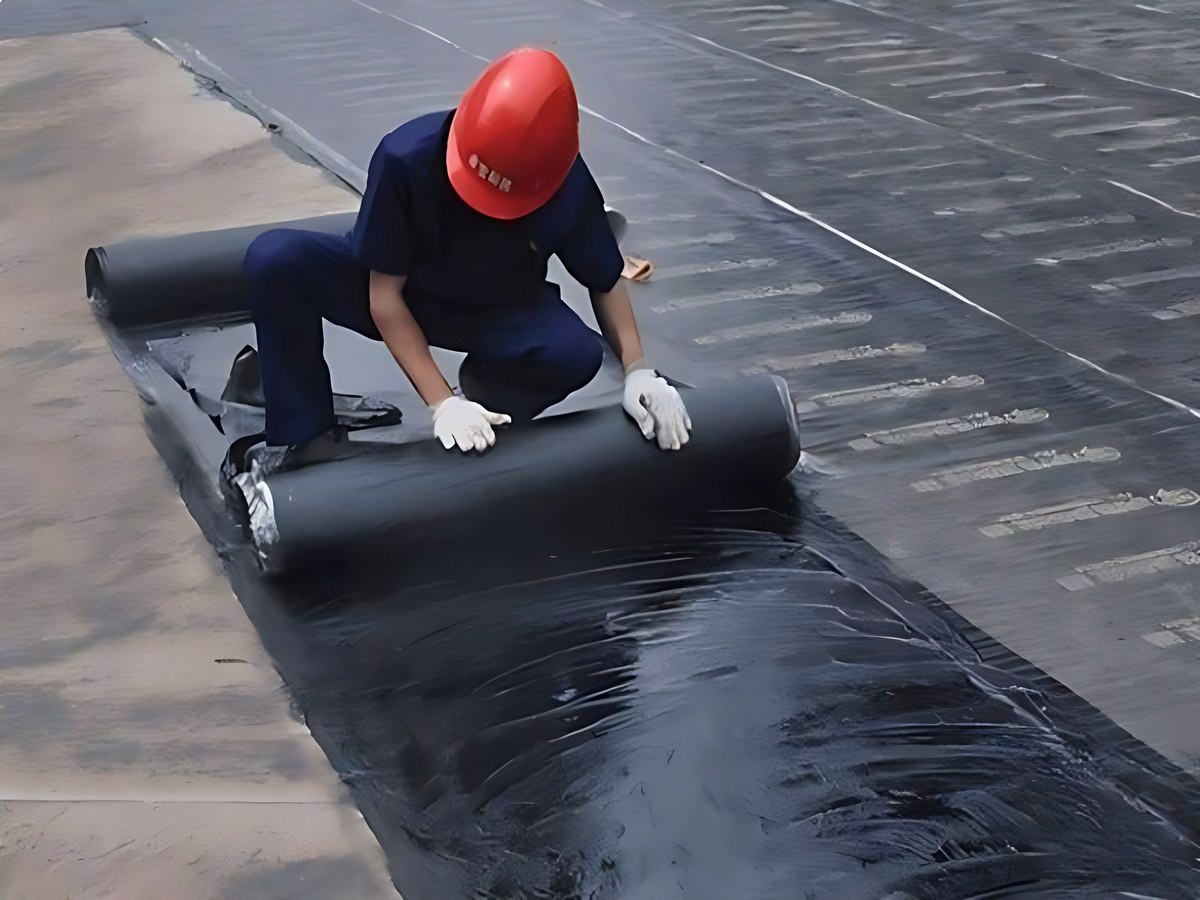
Standard waterproofing and drainage system for rooftop gardens. (Source: Collected)
Besides waterproofing, the drainage system needs to be scientifically designed with a slope of 1% to 2% to ensure rainwater does not stagnate. Drainage pipes should be reasonably arranged, combined with debris screens to prevent clogging. Regular inspections help maintain operational efficiency and reduce the risk of damage in heavy rainfall conditions in Vietnam.
2.3. Scientific arrangement of green space to optimize area
Functional zoning including resting areas, planting areas, and walkways helps optimize space effectively. Mobile planting modules or tiered shelves are commonly applied in small spaces under 30m². A scientific layout enhances aesthetics and creates convenience in daily use.
2.4. Selecting Materials Suitable for Vietnam's Climate
The tropical monsoon climate requires materials that can withstand continuous sun and rain year-round. Composite wood, natural stone, and anti-slip tiles are popular choices due to their high durability. Compared to natural wood, these new materials help reduce maintenance costs and limit warping under changing temperature conditions.
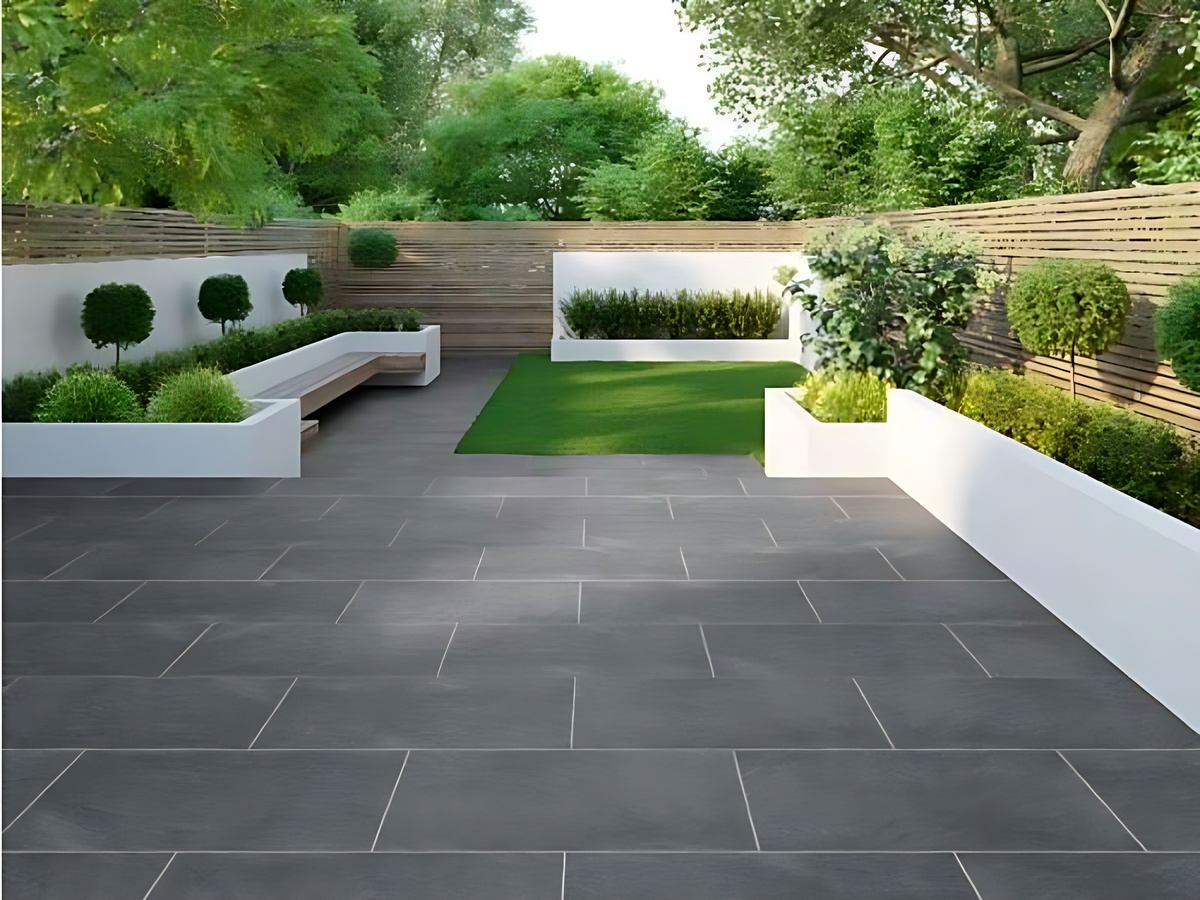
Heat-resistant wood-plastic and natural stone materials for modern terraces. (Source: Collected)
3. Tips for creating rooftop gardens based on intended use
3.1. Tips for creating rooftop gardens for growing clean vegetables
Rooftop vegetable gardening models often use styrofoam boxes or lightweight plastic pots to reduce floor load. Drip irrigation systems save 30% water compared to manual watering. Plants such as water spinach, green mustard greens, and tomatoes are suitable for the sunny conditions and limited urban space.
3.2. Experience in creating a relaxing leisure rooftop garden
The relaxation space is usually furnished with outdoor furniture, water features, and decorative lighting systems. With an area of 25m² or more, a light canopy can be combined for year-round use. A harmonious design between greenery and interior creates a sense of relaxation, suitable for the family's rest needs.
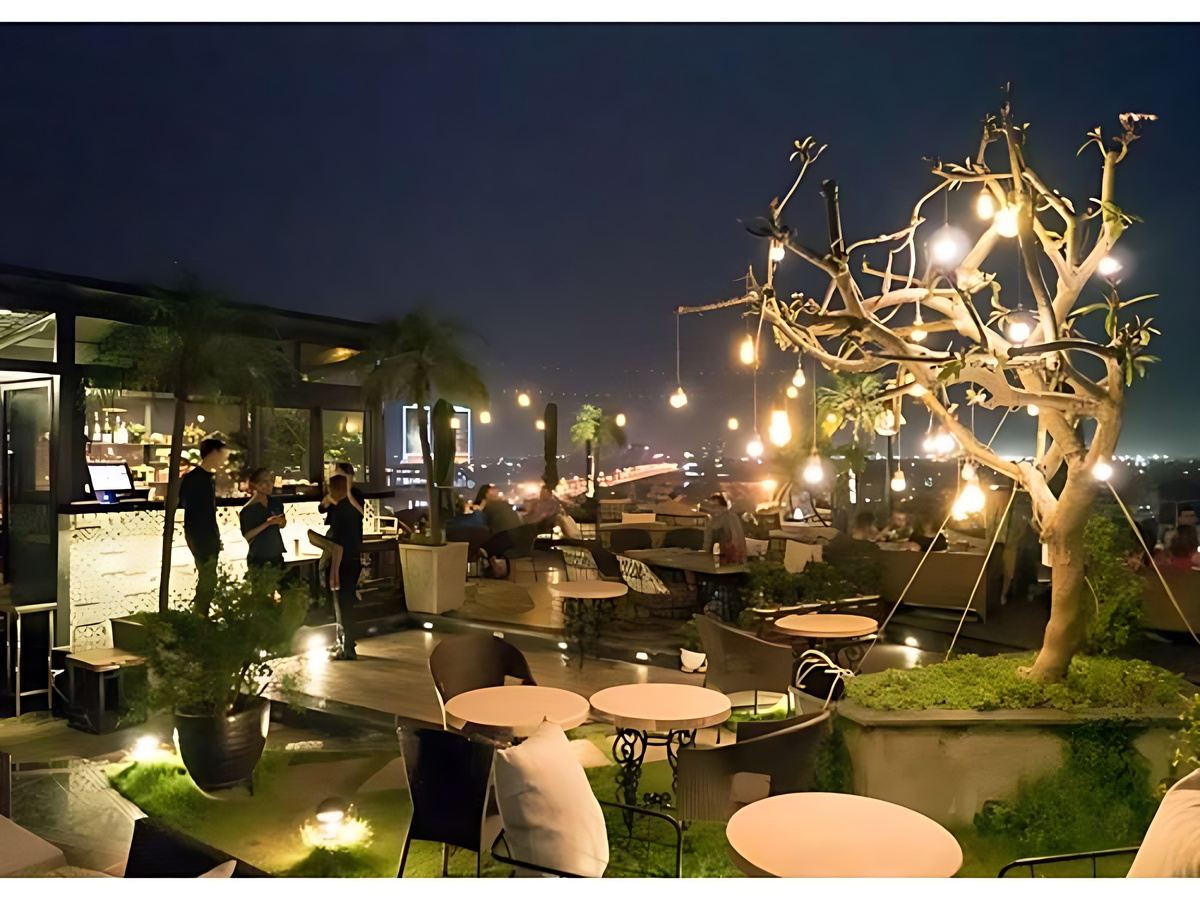
Arrangement of tables, chairs, and decorative features to create a relaxing space on the rooftop. (Source: Collected)
3.3. Tips for creating a rooftop garden combined with a small business
Rooftop cafe models or rental spaces are becoming a strong profit-generating trend. However, homeowners must strictly comply with Housing Law No. 27/2023/QH15 and Real Estate Business Law No. 29/2023/QH15 (both effective from August 1, 2024). Specifically, if renovating an apartment building rooftop or terraced house for business, you must ensure that the load-bearing capacity of the roof is not altered according to the provisions in Article 3 of the 2023 Housing Law. Concurrently, the fire prevention and fighting system must meet the latest amended regulations to ensure absolute safety during commercial exploitation.
3.4. Experience in choosing plants for rooftop gardens
Plants should prioritize sun-tolerant types such as Bougainvillea, Vinca, and Snake Plant to suit the balcony environment. Low-shedding plants help reduce maintenance effort and keep the space clean. Combining shade trees and ornamental plants creates ecological diversity, while also enhancing the aesthetics of the overall design.
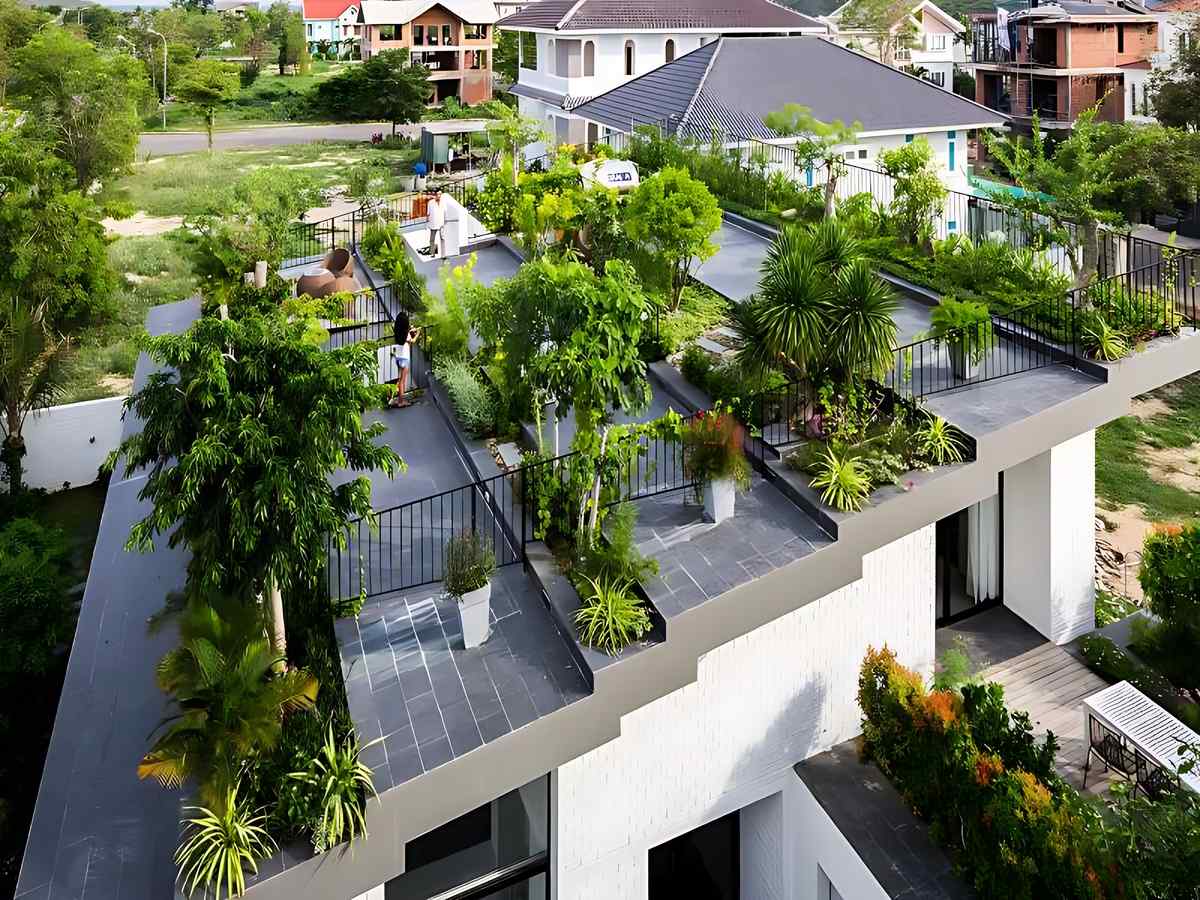
Choosing sun-tolerant and low-shedding trees for the rooftop space. (Source: Collected)
4. Construction costs and important considerations when creating a rooftop garden
4.1. Rooftop garden construction costs by item
Construction costs range from 2 million to 5 million VND per square meter depending on materials and design scale. Among these, waterproofing accounts for about 20% of the total cost, and greenery for about 15% to 25%. Creating a detailed estimate from the beginning helps control the budget and limit unplanned expenses.
4.2. Common mistakes when creating a rooftop garden
Many cases experience overload due to using excessively thick planting soil or arranging heavy materials. Lack of drainage system causes water pooling, leading to leaks and cracked floors. Choosing plants unsuitable for the climate also increases maintenance costs and reduces long-term usability.
4.3. Experience in choosing a reputable construction unit
The construction unit needs practical experience of 3 years or more and clear project documentation. The contract must specify details regarding progress, materials, and warranty policy. Inspecting completed works helps assess the contractor's capacity and ensures construction quality meets requirements.
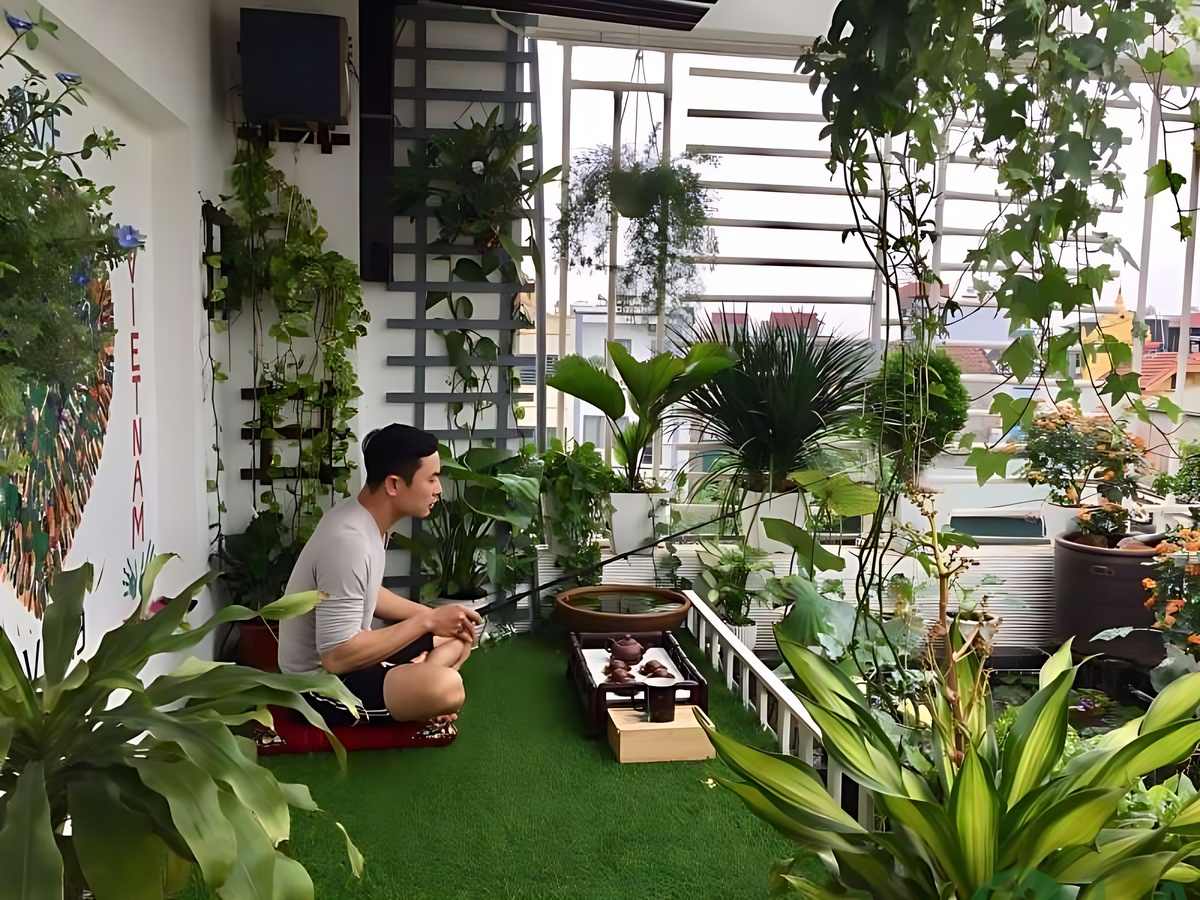
Choose a reputable contractor with experience and clear records. (Source: Collected)
4.4. Long-term rooftop garden maintenance
Regular maintenance every 3 to 6 months helps maintain the quality of the structure and the green system. It is necessary to clean the drainage system, check the waterproofing layer, and prune trees regularly. A proper care process helps the rooftop space remain stable and extend its lifespan.
To effectively apply the experience in creating rooftop gardens, you need to combine scientific design, correct construction techniques, and appropriate material selection. An elevated green space not only enhances the living experience but also contributes to sustainably increasing real estate value over time.