


What is Grandmillennial interior style and its prominent applications?
The combination of classic charm and a modern touch makes many people curious about what the Grandmillennial interior style is in today's design. This style brings a cozy, sophisticated, and highly personal feel to living spaces. If you are also curious about this style, check out the following article.

▲Table of Contents
1. Identifying the Essence of Grandmillennial in Design
1.1. Identifying the Essence of Grandmillennial in Living Spaces
The Grandmillennial style is understood as a blend of traditional classicism and a modern touch, creating spaces that are both familiar and suitable for contemporary lifestyles. This concept emerged from the need to rediscover old aesthetic values, particularly elements that were once popular in previous generations but are reinterpreted in a new way. The formation of this style is linked to the trend of personalizing living spaces, where every detail carries the imprint of memories and unique culture.
The origin of Grandmillennial stems from the recreation of vintage design elements such as patterns, wooden furniture, and ceramics, but streamlined to fit contemporary lifestyles. Especially in 2026, this style focuses on "Eco-Grandmillennial" – prioritizing the use of recycled wood and certified green natural materials. Details like patterned wallpaper, antique paintings, or traditional items are brought back but coordinated more flexibly, ensuring the space does not become outdated while still meeting sustainable living standards.
1.2. The spirit of nostalgia is recreated through design
The spirit of the Grandmillennial style is clearly expressed through a return to familiar values from the past, but adapted to suit modern life. Elements such as floral fabrics, classic patterns, or time-honored furniture are repurposed in new living spaces. This nostalgia is not about copying but about selective curation, helping to create a sense of familiarity and comfort.
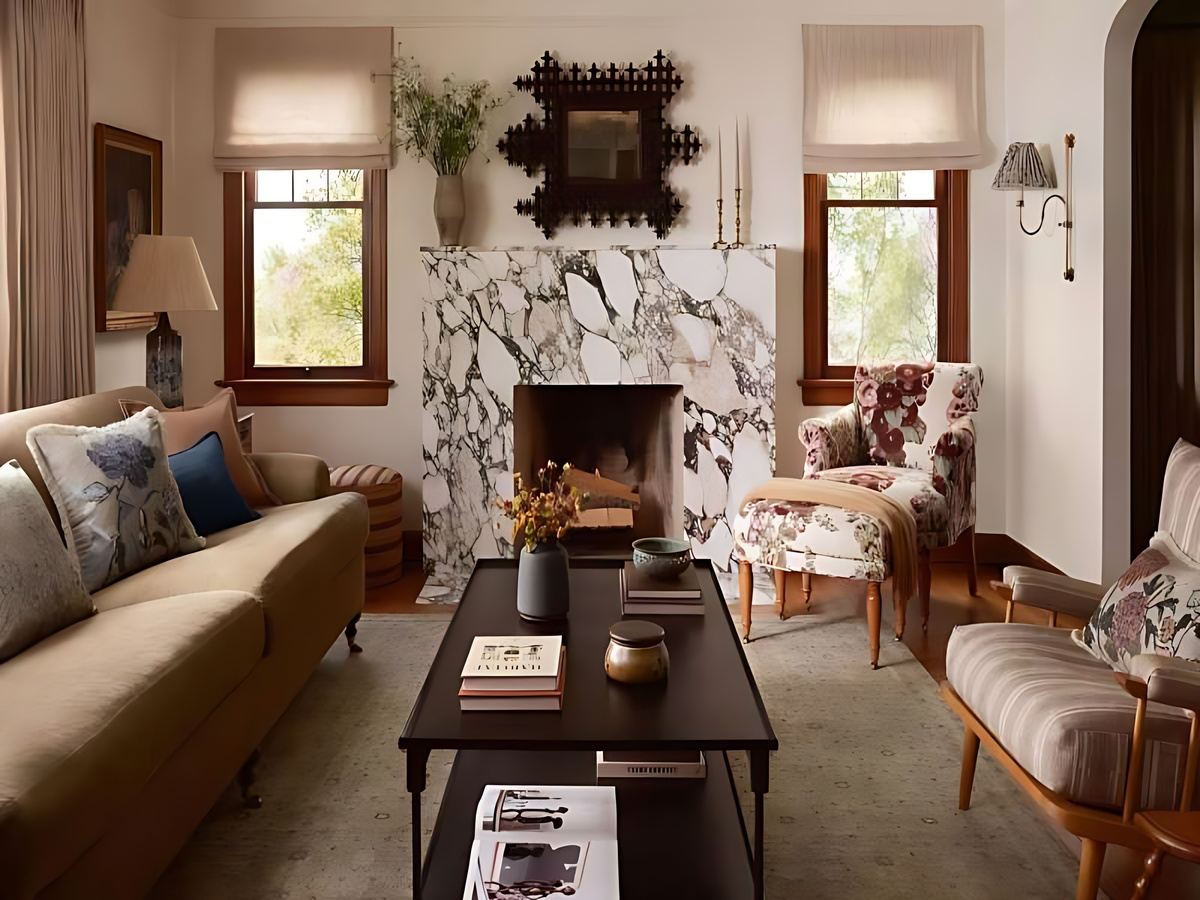
Grandmillennial style embodies a modern nostalgic spirit. (Source: Collected)
Spaces in this style often evoke traditional homes with cozy arrangements and many handcrafted details. However, the difference lies in the flexible combination of old and new elements, avoiding a heavy or outdated feel. Additionally, current lighting arrangements must comply with the latest residential lighting standards, prioritizing smart LED systems that can adjust color temperature (CCT) to honor antique pieces while maximizing energy savings.
1.3. The distinction between Grandmillennial and familiar classic styles
When learning about what the Grandmillennial interior design style is, there is a clear difference compared to the traditional classic style in terms of flexibility and applicability. If the classic style often adheres to strict standards regarding layout, materials, and decorative details, then Grandmillennial allows for variation and personalization. This helps the space become more suitable for various audiences and different areas.
The Grandmillennial style still uses classic elements such as patterns, woodwork, or natural materials but does not emphasize symmetry or rules. Details are chosen and combined according to personal preference, creating a distinctive space. This helps the style become more approachable for young people, especially in modern apartments or townhouses.
2. System of characteristics that create the unique Grandmillennial essence in interior design
2.1. Color palettes and patterns that evoke memories
In explaining what Grandmillennial interior style is, color and pattern play an important role in creating a clear identity for the space. Pastel colors such as light blue, cream, and pink are often used to create a gentle and comfortable feeling. These colors help make classic details stand out without causing visual clutter.
Vintage floral patterns are a characteristic element, often appearing on wallpaper, curtains, or sofa upholstery. These patterns are highly decorative yet maintain sophistication through harmonious color coordination. The use of patterns not only creates a focal point but also contributes to increasing the aesthetic depth of the space.
2.2. Traditional Furniture and Materials
When choosing furniture, wooden pieces with classic designs or handmade ceramics remain the soul of this style. However, according to the National Technical Regulation on Fire Safety for Buildings and Construction (QCVN 06:2025/BXD effective until 2026), the use of decorative materials in townhouses and high-end apartments requires attention to flammability ratings. Homeowners should prioritize sofa upholstery and curtains with flame-retardant properties or surface-treated wood that meets standards to ensure maximum safety for the family.
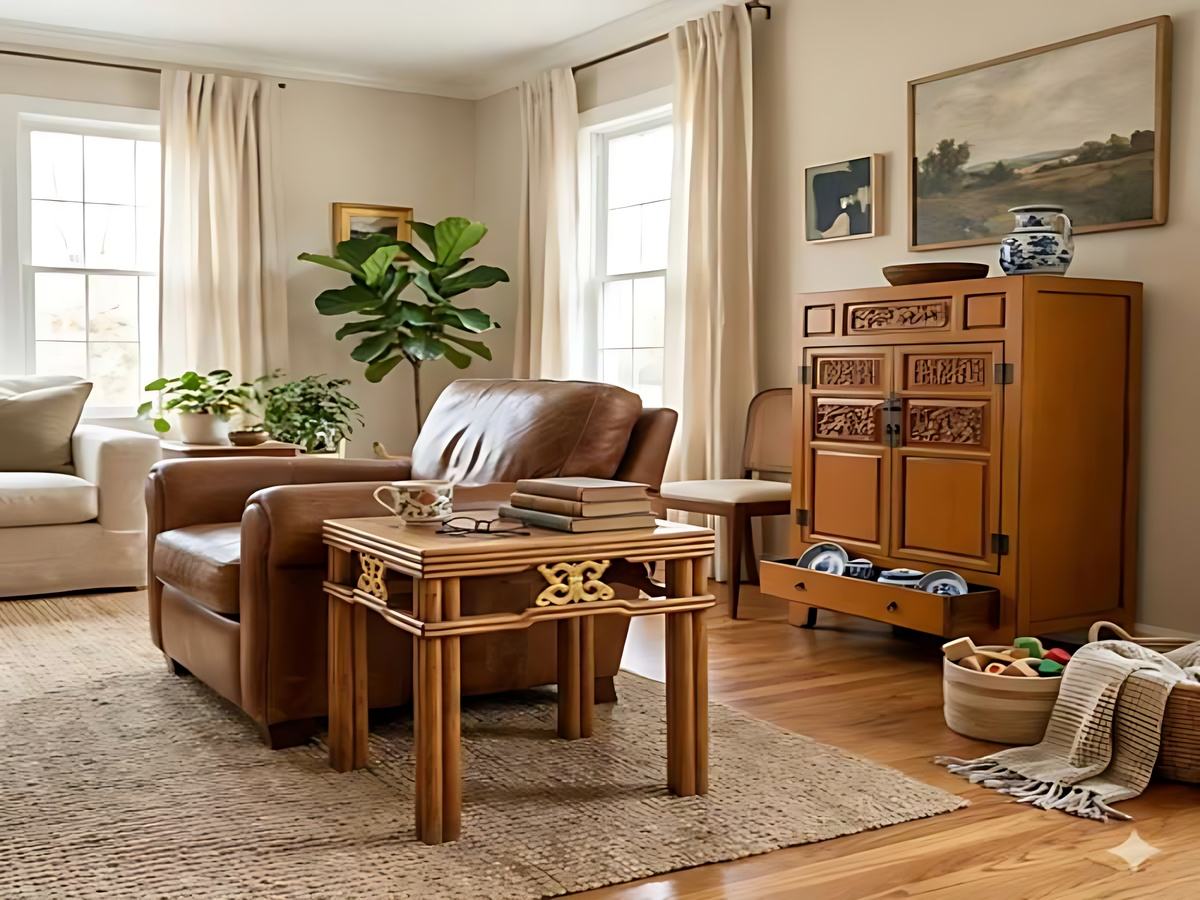
Grandmillennial interior design and materials are traditional. (Source: Collected)
Floral fabrics, lace, or other traditional woven materials are also used in many details such as curtains, decorative pillows, or upholstery. These materials not only have aesthetic value but also create a soft and warm feeling. The combination of different materials makes the space more diverse and richer.
2.3. Interplay of Old and New Elements in Layout
One of the important aspects when exploring the Grandmillennial style is how to arrange the space to harmonize between classic and modern elements. Traditional items are placed in a modern context, creating an interesting contrast while still maintaining overall balance. This helps the space feel not too heavy but still retain its characteristic nostalgic charm.
Layout in this style is often flexible, not adhering to rigid rules like the classical style. Functional areas are arranged based on usage needs, while ensuring aesthetics. The combination of modern interiors and classical details makes the space more comfortable.
2.4. Warm feeling and personalization of living space
When it comes to what is the Grandmillennial interior style, elements of coziness and personalization play an important role in shaping living spaces. Personal decorative items such as family photos, souvenirs, or vintage items are used to create a sense of intimacy. This helps the space become friendly and clearly reflect the homeowner's personality.
The space is designed to create a sense of comfort, with multiple layers of different materials and colors. The combination of lighting, materials, and decorations helps create a pleasant living environment. This aligns with the current trend of emphasizing experience and emotion in interior design.
3. Implementing Grandmillennial into Each Living Space
3.1. Suggestions for Living Room Arrangement in the Grandmillennial Spirit
In practical application, the Grandmillennial style is most clearly expressed through the living room space with an arrangement that harmonizes tradition and modernity. Floral upholstered sofas, classic wooden tables, and vintage-patterned rugs are often used as the main focal points. These elements help create a cozy and aesthetically pleasing guest space.
Colors in the living room often use pastel tones combined with neutral colors to create balance. Decorative details such as wall paintings, table lamps, or ceramic vases are arranged reasonably to increase spatial depth. The use of natural light also helps the space become more airy.
3.2. Relaxation space bearing the strong imprint of Grandmillennial
When applying the Grandmillennial style to the bedroom, the elements of gentleness and relaxation are prioritized. The bed is often upholstered in soft fabric with floral patterns or pastel colors. These details help create a comfortable feeling and are suitable for the resting function of the space.
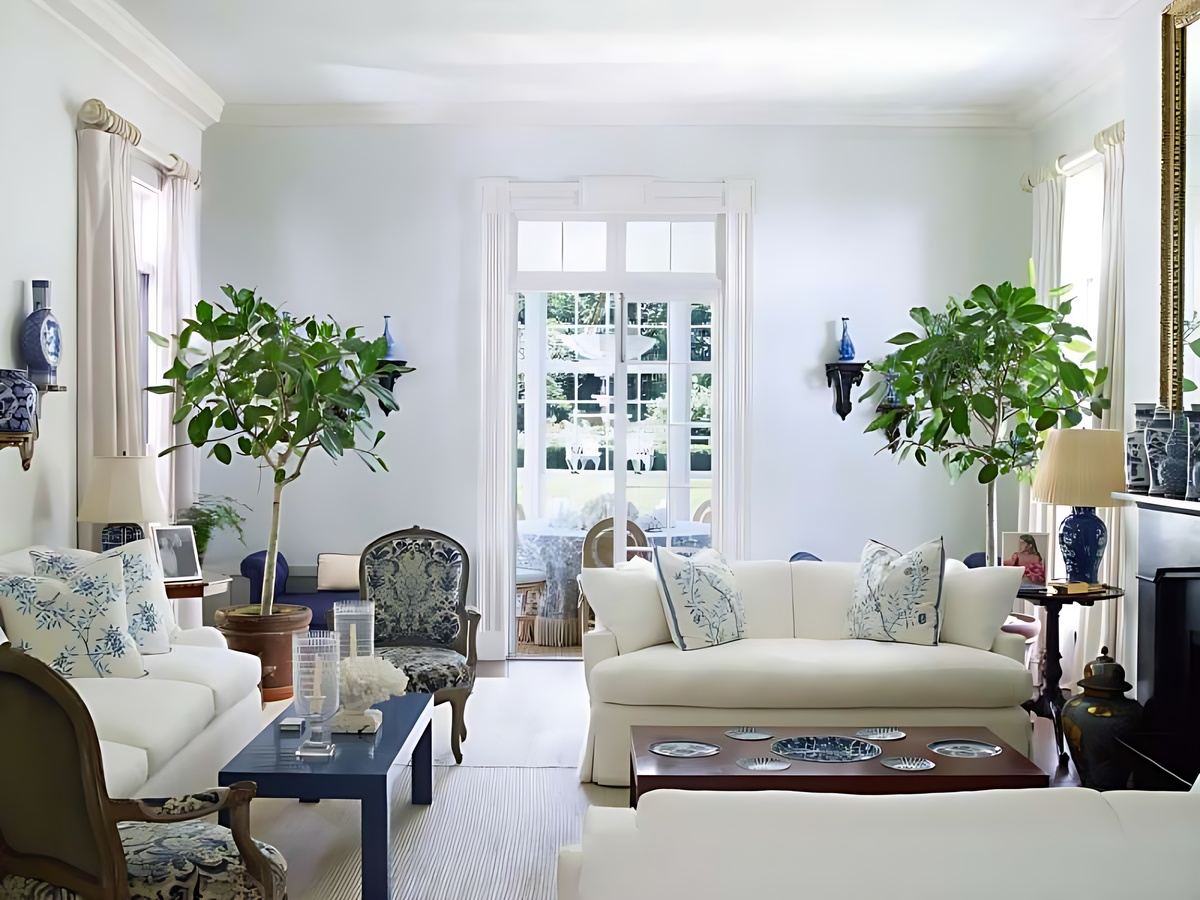
Grandmillennial bedroom gentle, relaxing, and warm. (Source: Collected)
Curtains, bedspreads, and decorative items often use traditional fabric materials to enhance aesthetics. The combination of soft colors and gentle light makes the space warm. This contributes to improving sleep quality and creating a sense of relaxation.
3.3. Adaptability in Modern Apartments and Townhouses
In an urban context, the Grandmillennial style can still be applied flexibly in apartments and townhouses thanks to its high adaptability. Classic elements are selectively chosen to suit the size and spatial layout. This helps avoid a feeling of being cramped or overloaded with details.
In modern apartments in 2026, the Grandmillennial style is applied more intelligently by integrating built-in appliances (hidden tech) behind meticulously carved wooden doors. This combination allows the space to retain a nostalgic feel, preserving personal emotions, while fully meeting the demands of high-tech living.
4. Grandmillennial Design Strategy: Both Beautiful and Practical
4.1. Experience in Choosing Harmonious Furniture and Patterns
When exploring what the Grandmillennial interior design style is, it's important to remember that the selection of furniture and patterns needs careful consideration to ensure harmony. Avoid using too many classic details in the same space, as it can create a cluttered feeling. Instead, choose a few main accents and combine them with a neutral background.
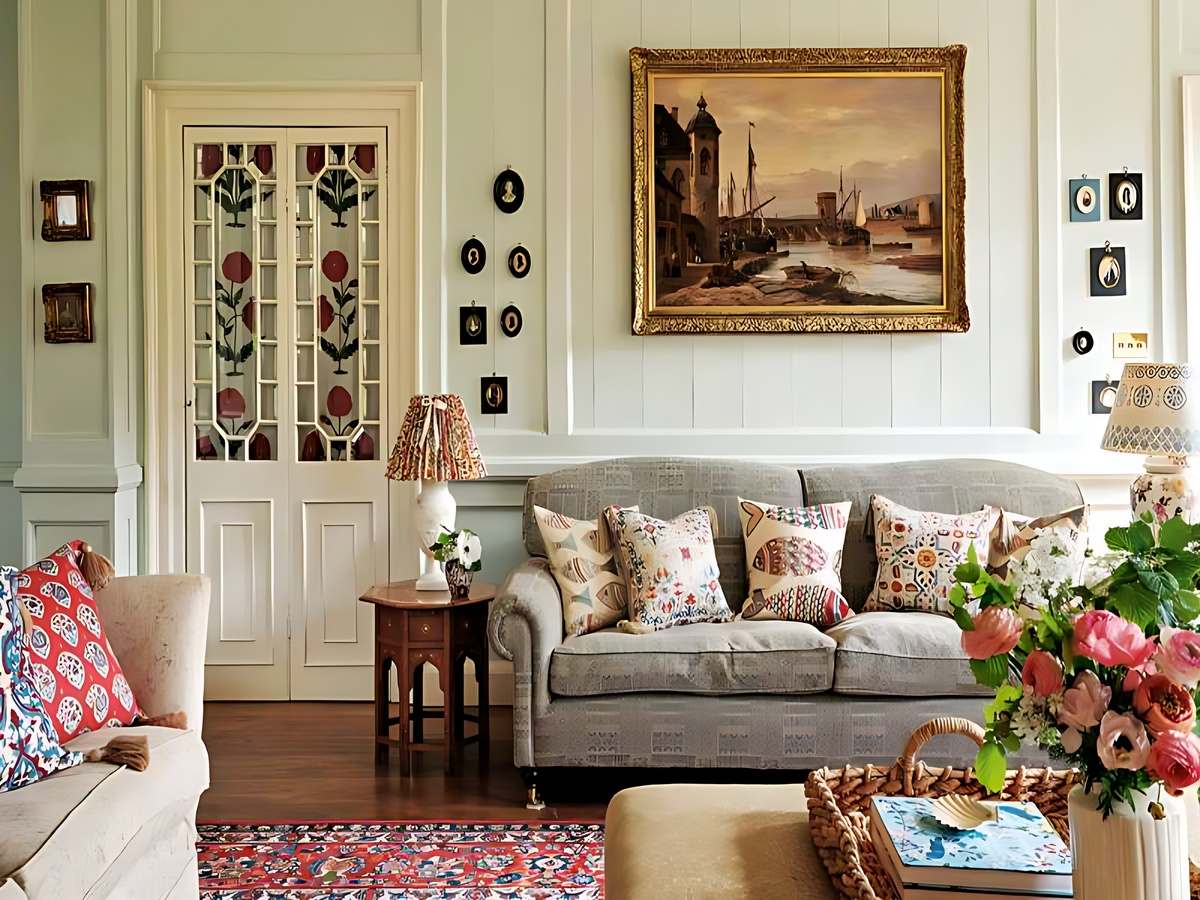
Furniture selection and Grandmillennial patterns need to be harmonious. (Source: Collection)
Floral patterns should be used selectively, prioritizing simple and easy-to-coordinate designs. Combining multiple types of patterns requires careful consideration to avoid conflicts in color and style. This helps the space maintain balance and be most visually appealing.
4.2. Common mistakes when applying this style
During the application of the Grandmillennial style, some common mistakes can reduce the aesthetic effectiveness of the space. Over-reliance on too many classic details can make the space feel heavy and unbalanced. Conversely, if modern elements are lacking, the space may become outdated and unsuitable for usage needs.
4.3. Budget-optimal solutions when pursuing Grandmillennial
When implementing the Grandmillennial style, cost optimization can be achieved by utilizing old furniture and combining it with new products. Sentimental items or those with traditional value can be reused after renovation. This helps save costs while retaining the style's distinctive characteristics.
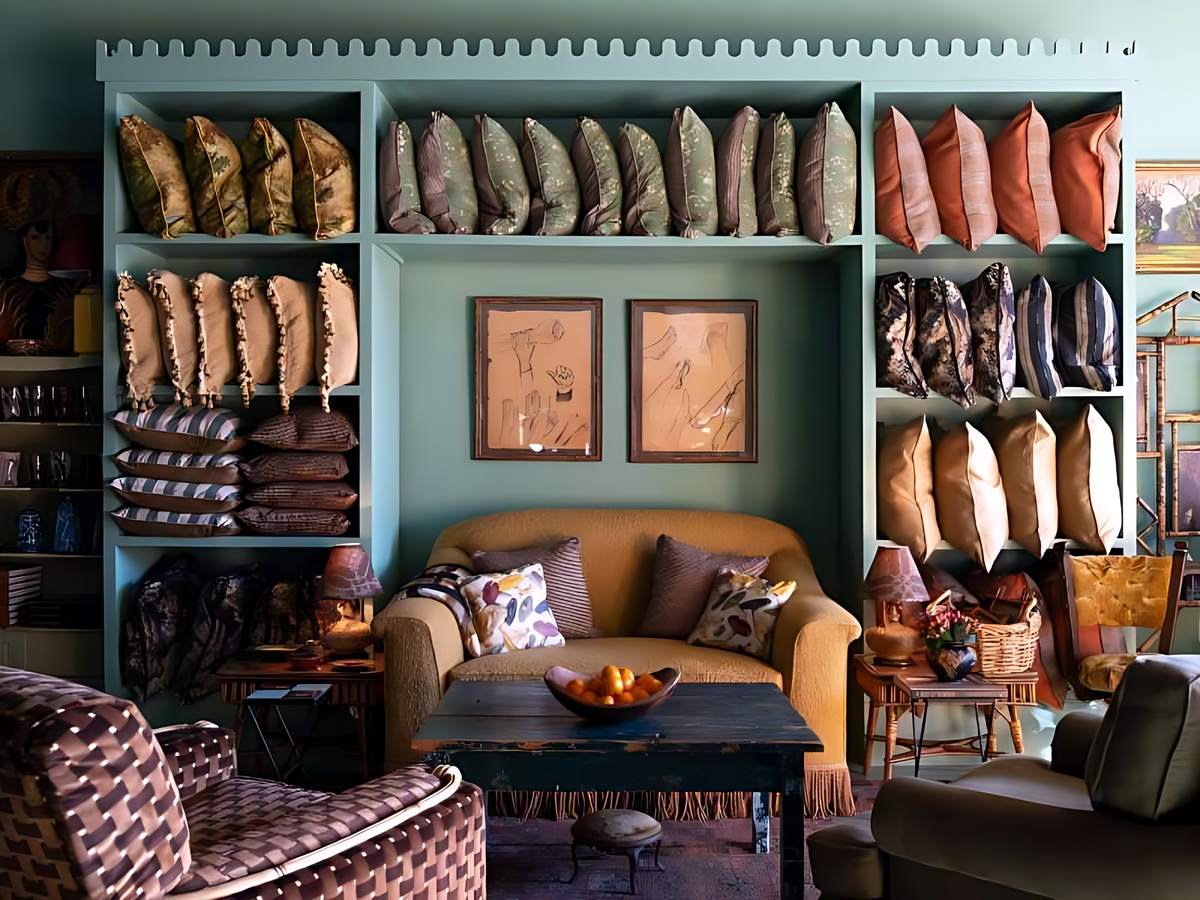
Optimize cost for Grandmillennial design using reused furniture. (Source: Collected)
Choosing suitable materials also helps reduce costs while ensuring space quality. Alternative materials such as engineered wood or synthetic fabrics can be used instead of expensive natural materials. This combination helps balance cost and aesthetics.
It can be affirmed that understanding what Grandmillennial interior design style is will help you create a living space that is both nostalgic and modern. When applied correctly and reasonably, this style promises to bring warmth, sophistication, and clearly express the homeowner's unique personality.