


What is Interior Design? Understanding It Right to Create a Meaningful Living Space
When people think of a beautiful living space, they often picture sofas, tables, wall colors, or decorative lights. However, interior design is far more than just choosing pretty items to fill a room. It's a thoughtful process of organizing space to make it functional, harmonious, and perfectly suited to the people who live there. In modern life, where homes serve not only as places to stay but also as workspaces, relaxation zones, energy-recharging spots, and expressions of personal style, the role of interior design has become increasingly vital. Understanding it correctly helps you avoid common mistakes and create a timeless living environment that excels in both aesthetics and everyday experience.

▲Table of Contents
What is interior design?
Interior design is the process of studying, conceptualizing, and organizing the interior space of a building, including floor plan layout, material selection, color, lighting, furniture, and decorative elements, in order to create a comfortable, aesthetically pleasing living or working environment that suits the needs of the user.
Simply put, if architecture creates the "skeleton" of a house, then interior design is the "flesh and soul" that brings the space to life and evokes emotion. Interior design answers very practical questions: how do you live, how do you move around, how much storage space do you need, do you prefer strong or soft lighting, and do you want a cozy or airy feel?
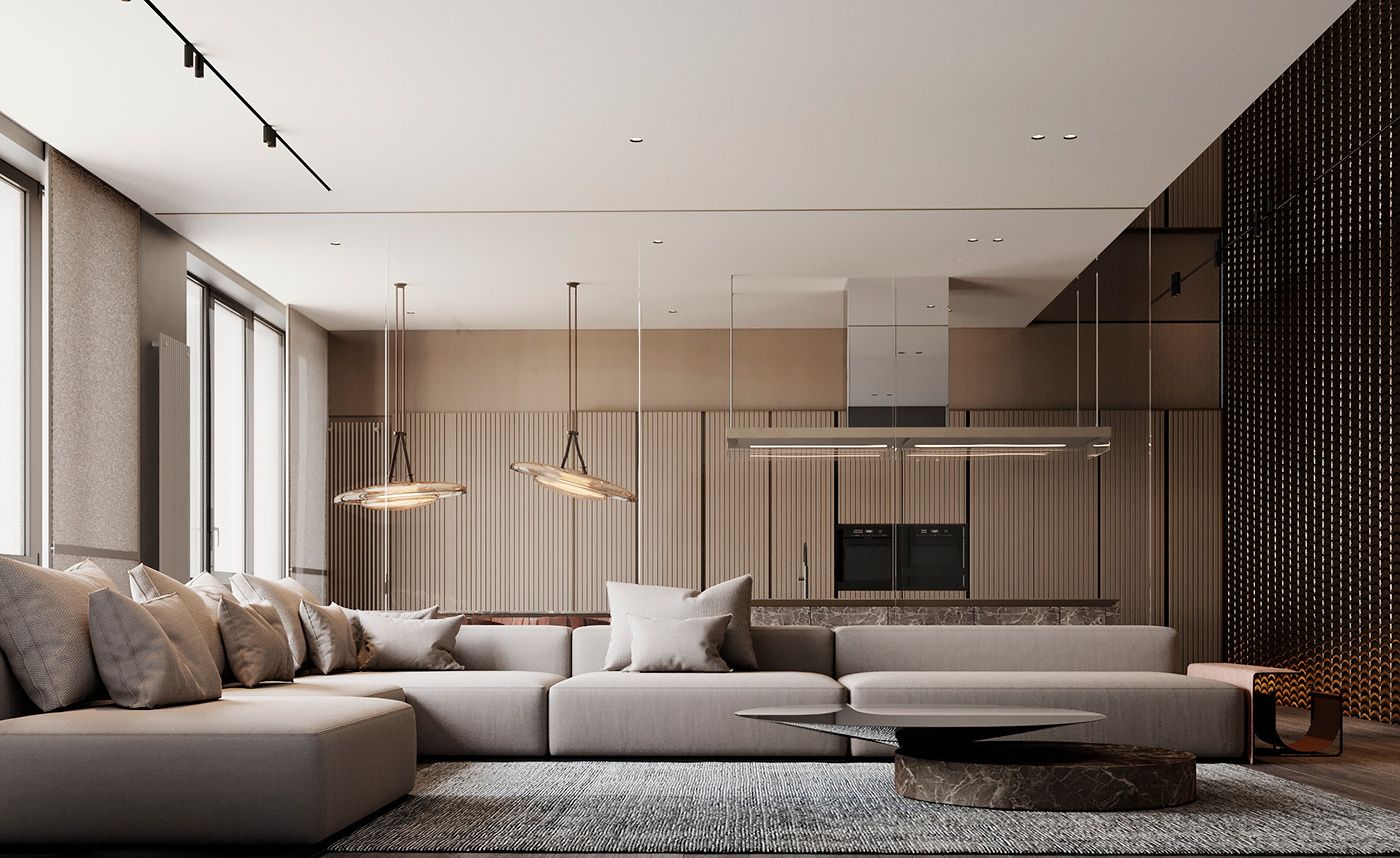
What is interior design? (Source: Compiled from various sources.)
The key point is that interior design isn't just for large or high-end spaces. Whether it's a small apartment, a townhouse, or an office, a well-designed interior can significantly improve the quality of life and the efficiency of space utilization.
The essence of interior design in modern life
The essence of interior design lies in optimizing the human experience within a space. A room may be visually stunning, but if it's inconvenient to use, lacks light, is difficult to navigate, or feels cramped, then it's not a good interior design.
In modern society, interior design is no longer just about "decorating for beauty," but rather a comprehensive solution that integrates aesthetics, functionality, and the user's psychology. Spaces need to support people in living better: working more efficiently, resting more comfortably, and connecting more with family.
Interior design today clearly reflects individual lifestyles and values. Some people prefer minimalism and neatness; others need warmth and emotional connection; some see their home as a retreat, while others view it as a vibrant center of activity. Interior design helps transform these abstract needs into concrete, organized, and distinctive spaces.
What elements does interior design include?
Interior design is a combination of many elements, each with its own role and direct influence on the spatial experience.
The first element is spatial arrangement and functionality. This is the foundation of all interior design. The arrangement of functional areas – living room, kitchen, bedroom, workspace – should be based on actual living habits. A logical layout facilitates convenient movement, comfortable use, and avoids feelings of crampedness or wasted space.
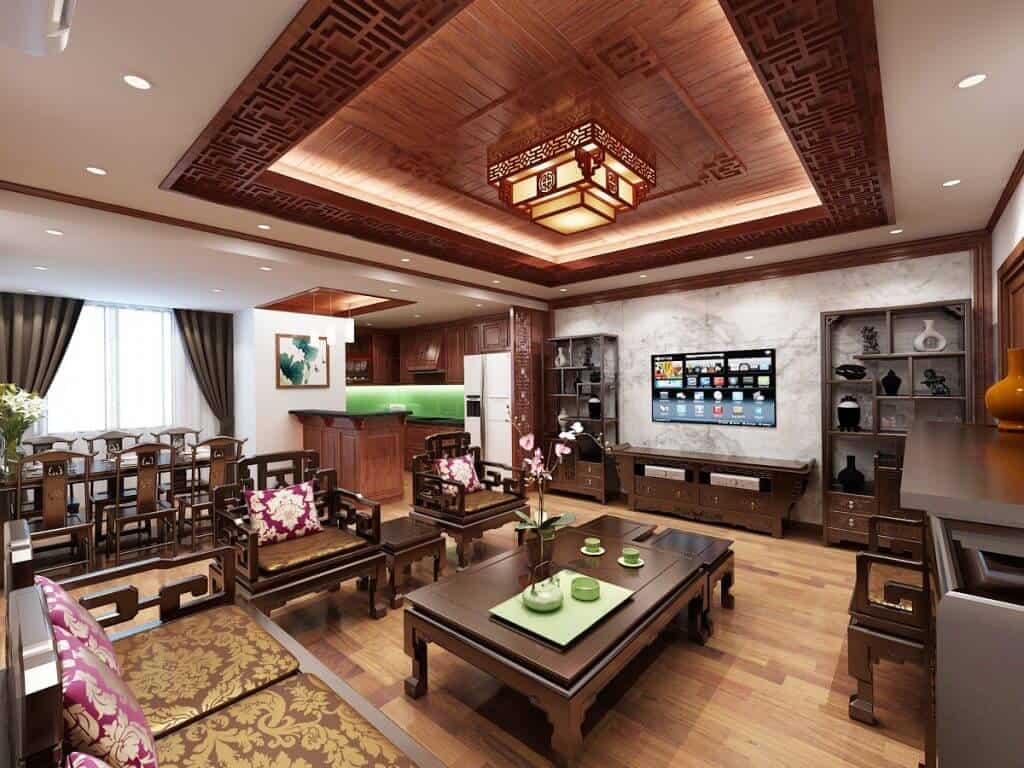
Elements in interior design (Source: Compiled from various sources.)
Next comes the furniture. Furniture not only needs to be beautiful but also appropriate in size, proportion, and function. An oversized sofa can make the living room feel cramped, while a dining table that's too small can be inconvenient for daily life. Good interior design always begins with choosing furniture that suits the space and needs.
Color is a powerful element that influences emotions. Bright colors create a sense of spaciousness and airiness, warm colors bring a feeling of intimacy, and neutral colors create balance and stability over time. Interior design doesn't use color randomly, but intentionally to shape the atmosphere of a space.
Materials also play a crucial role. Wood, stone, metal, fabric, glass… each material evokes a different feeling. Combining materials appropriately creates depth in a space, while also influencing durability and long-term usability.
Lighting is an often overlooked but extremely important element. Interior design uses light not only for illumination, but also to create focal points, divide spaces, and shape emotions. Natural and artificial light need to be harmoniously combined to ensure the space remains pleasant at all times of the day.
Finally, there's the element of decoration and personalization. Paintings, handicrafts, plants, or items with sentimental value help to give the space soul and reflect the personality of the occupant.
What is the interior design process like?
Interior design is a systematic process, not simply buying items and arranging them haphazardly. A well-structured design process typically begins with understanding the needs and lifestyles of the users.
In the initial stage, the designer will discuss with you to understand: the number of users, their lifestyle habits, budget, desired style, and specific requirements. This step is crucial in determining the direction of the entire design.
Next, a site survey and layout planning are conducted. Measuring and analyzing existing lighting, ventilation, and structures helps designers develop suitable layout solutions, avoiding costly changes later on.
After finalizing the floor plan, the designer will develop an interior design concept, encompassing style, color, materials, and overall feel. This concept serves as a guide for all subsequent design decisions.
Finally, detailed drawings are developed, and materials and furniture are selected as the basis for construction. A complete interior design dossier helps the construction process run smoothly, minimizing errors and unexpected costs.
The role of an interior designer
An interior designer is not just someone who "matches colors" or "chooses furniture," but someone who solves your spatial problems. They help you see hidden issues in your space that you might overlook: poorly designed walkways, lack of light, insufficient storage, or disproportionate layouts.
A professional interior designer can also help you optimize your budget. Instead of shopping impulsively, you'll know where to invest and where to cut back to achieve the best results in terms of aesthetics and functionality.
More importantly, the designer helps transform vague desires into a concrete, organized living space that suits you in the long term.
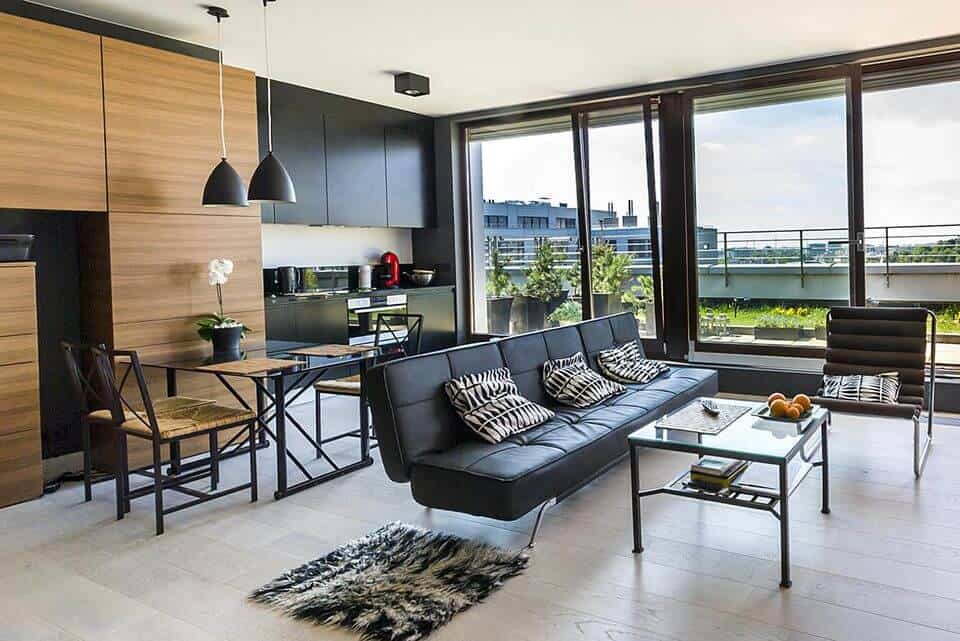
The role of interior design (Source: Compiled.)
Interior design and the difference between interior decoration
Many people often confuse interior design and interior decoration. In fact, these are two different concepts.
Interior design focuses on the overall space: layout, functionality, materials, lighting, and the relationship between different areas. Meanwhile, interior decoration primarily revolves around beautifying the space with color, decor, and accessories.
Decorations can be easily changed, but interior design has a lasting impact on how you use your space every day. A well-designed space can be beautifully decorated with simple touches, while a poorly designed space, even with elaborate decorations, will struggle to feel comfortable.
The lasting value of good interior design.
Good interior design provides lasting functional and emotional value. The space becomes comfortable, easy to use, and suitable for various stages of life. You will have to make fewer major renovations, repairs, and changes in the future.
Emotionally, a well-designed space helps you feel relaxed, secure, and more connected to your home. This directly impacts your quality of life, although it's not always immediately apparent.
What is interior design? It's not just about beautifying a space, but about organizing and shaping the living environment to best serve people. When you understand interior design correctly, you'll realize that a good living space doesn't need to be overly elaborate, but rather needs to meet needs, evoke emotions, and have a long-term vision.
If you're planning to renovate or remodel your living space, investing seriously in interior design from the outset is the most effective way to create a livable, user-friendly, and sustainable environment.