


What is Japandi interior style and how to apply it effectively
Amidst the stressful modern pace of life, the desire for a minimalist living space is becoming increasingly evident. The Japandi interior style has emerged as a topic of interest due to its harmonious fusion of Japanese and Nordic aesthetics, offering a sense of relaxation and warmth while maintaining a high level of visual appeal for the home.

▲Table of Contents
1. Discover Japandi style in modern interior design
1.1. The fusion between Japan and Nordic
Japandi style is a combination of Japanese and Scandinavian (Nordic) design, reflecting the cultural exchange process between two regions with many similarities in life philosophy and aesthetic thinking. From the late 19th century, when Japan opened its doors to interact with the world, many Nordic designers approached Japanese art and craftsmanship, thereby forming the foundation for the mutual influence between the two design schools. However, Japandi was only truly shaped and popularized as a distinct interior design style in recent years, as the trend of minimalist, sustainable living and the need to find a balanced living space have become increasingly popular.
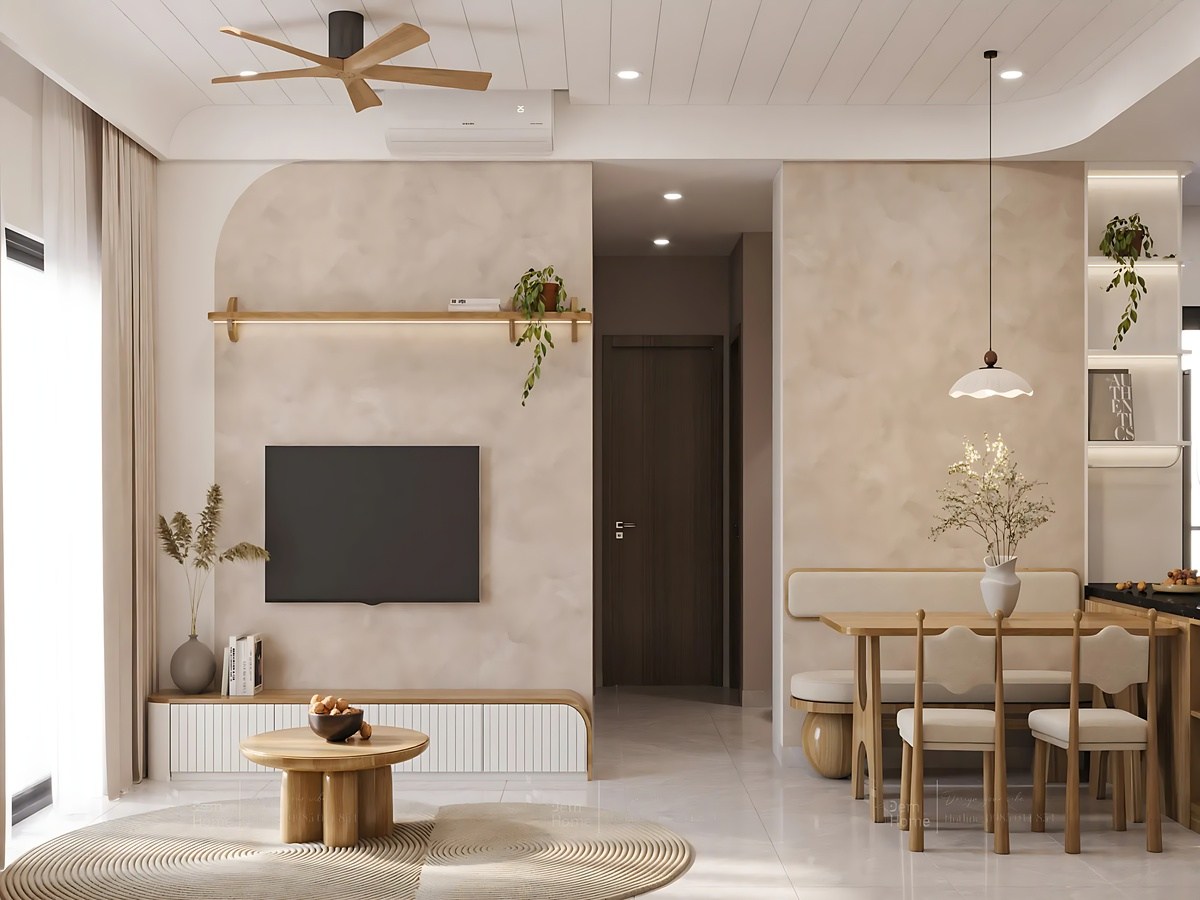
Japandi's origin from the combination of Japan and Scandinavian. (Source: Collected)
When exploring what Japandi interior style is , it can be seen as the result of the intersection between Japan's wabi-sabi philosophy and Nordic hygge. Both schools of thought emphasize simplicity, naturalness, and a sense of relaxation in living spaces. This combination creates a style that has both cultural depth and suitability for modern design needs
1.2. The core spirit of Japandi style
Japandi style is defined as a blend of minimalist aesthetic elements and functional utility in modern living spaces. The design philosophy focuses on eliminating redundant details while retaining essential elements to create balance. Spaces in this style often bring a feeling of lightness, sophistication, and emotional depth.
1.3. The popularity of Japandi in current interior design trends
Japandi style has become popular due to meeting the need for minimalist living and seeking balance in modern life. Spaces designed in this style help reduce visual clutter and create a sense of relaxation in the living environment. This is especially suitable for the fast-paced life and pressure in large urban areas.
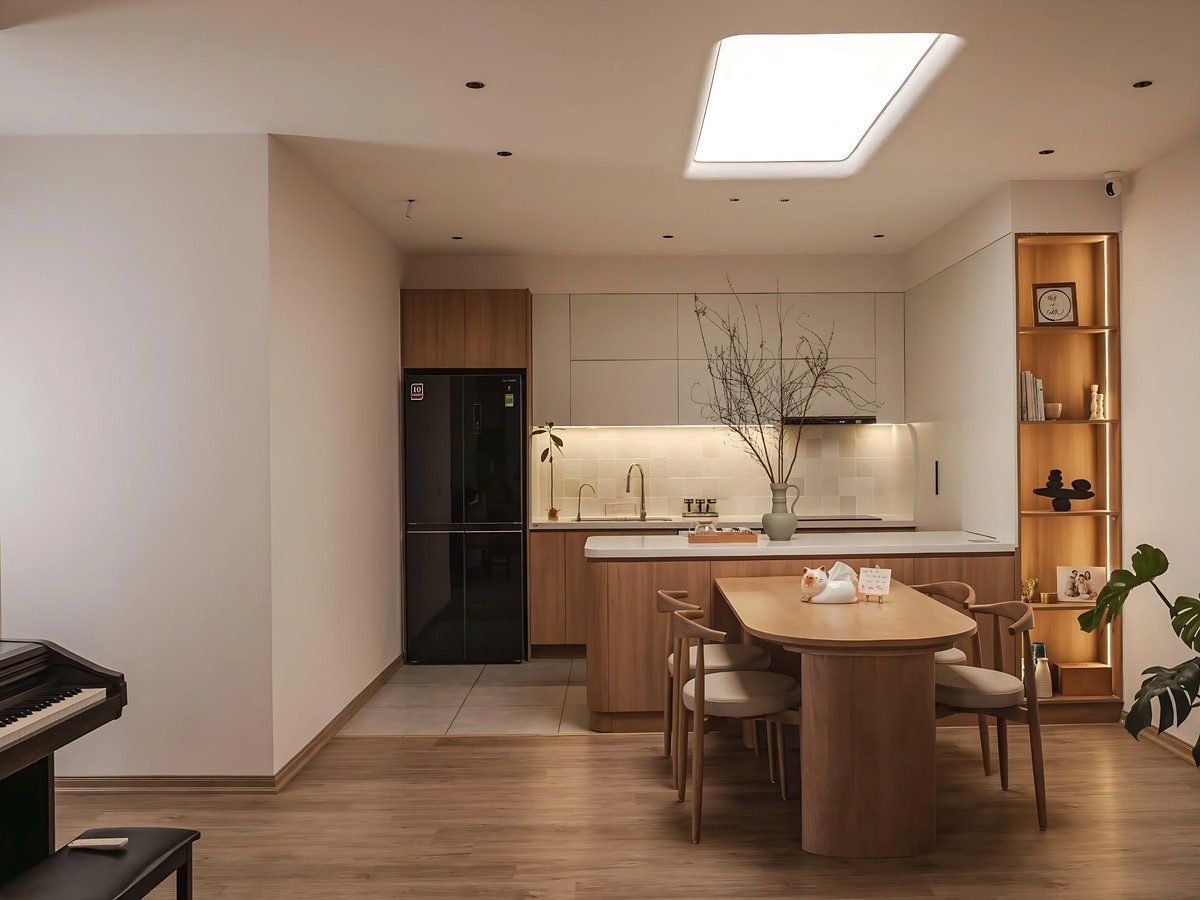
Japandi design combines minimalism and exquisite warmth. (Source: Collected)
When exploring what is Japandi interior style, its popularity also comes from its ability to create a quiet and pleasant living environment. This style helps people embrace a slow living lifestyle, focusing on experiences and emotions within their living space. This is a factor that makes Japandi increasingly popular in home design.
2. Identifying characteristics of Japandi style in interior design
2.1. Neutral and warm color palette
Color trends for 2026 are called "Earthly Japandi". Instead of just white/beige, architects are adding earth tones like muted sage or light terracotta to make spaces less cold. When analyzing what Japandi interior style is, color is considered the foundational element that creates the identity of the space. The combination of light and dark colors helps balance vision and create depth in the design. This makes the space both modern and close to nature.
2.2. Minimalism but optimized functionality
Japandi aims to minimize the amount of furniture while ensuring high usability in living spaces. Each item is carefully selected with simple designs and clear functionality. This helps the space become tidier and easier to use
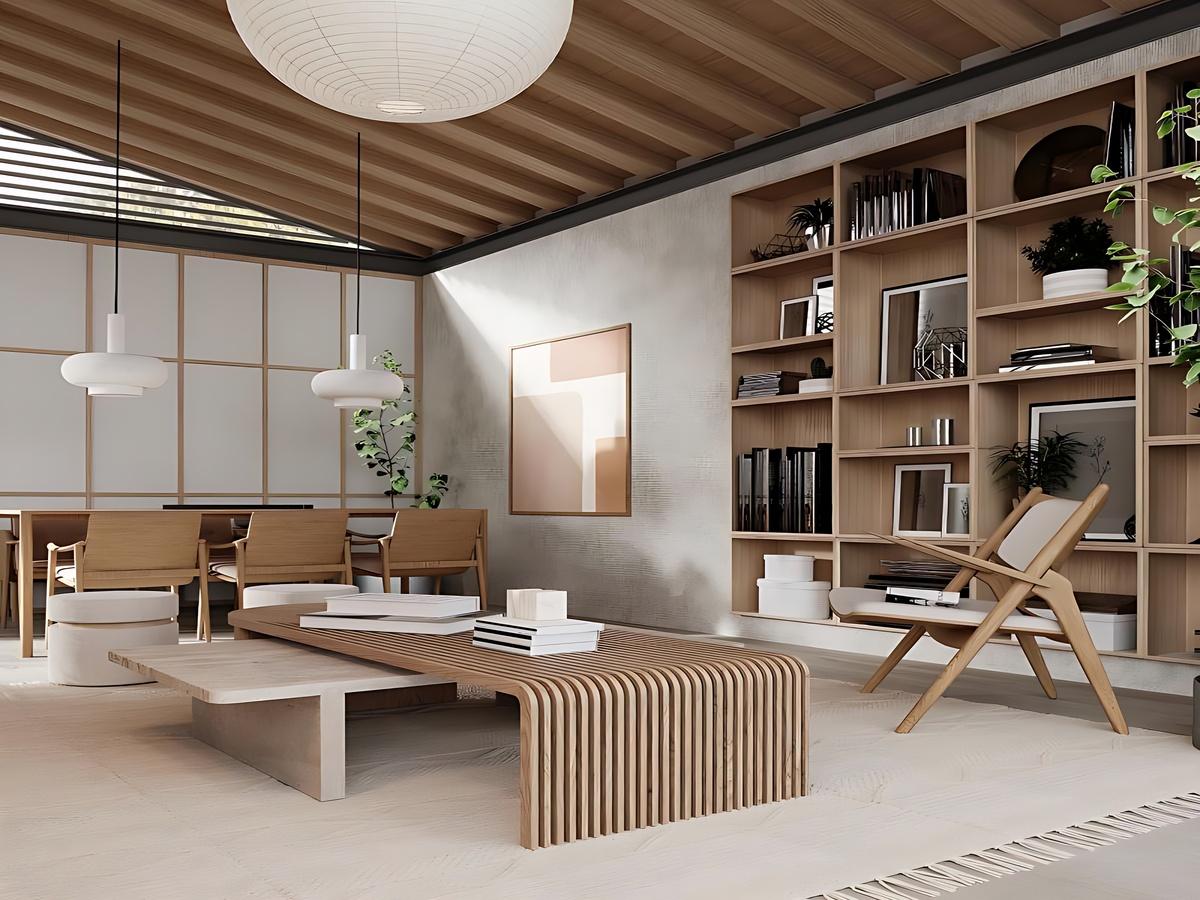
Japandi combines minimalism and functionality in every piece. (Source: Collected)
When exploring what is Japandi interior style , it can be seen that minimalism does not mean lack of comfort but rather intentional optimization. Multifunctional furniture helps save space and increases flexibility in use. This is an important factor in modern apartments
2.3. Application of natural materials in living spaces
By 2026, Japandi will evolve into "Eco-Japandi". Besides traditional materials, the use of high-end recycled materials (such as terrazzo made from seashells, fabrics woven from pineapple fibers) is becoming the new standard for sustainability.
When analyzing what is Japandi interior style, materials play an important role in creating emotion for the space. Materials are often kept in their rustic form instead of being elaborately processed to honor natural beauty. This helps the space become more authentic and comfortable.
2.4. Light and open space
In townhouses in 2026, light is not only natural but also "Smart Lighting (Circadian Lighting)". The lighting system in Japandi homes will automatically adjust color temperature according to the biological rhythm (warm yellow in the evening, blue-white in the morning) to optimize mental health.
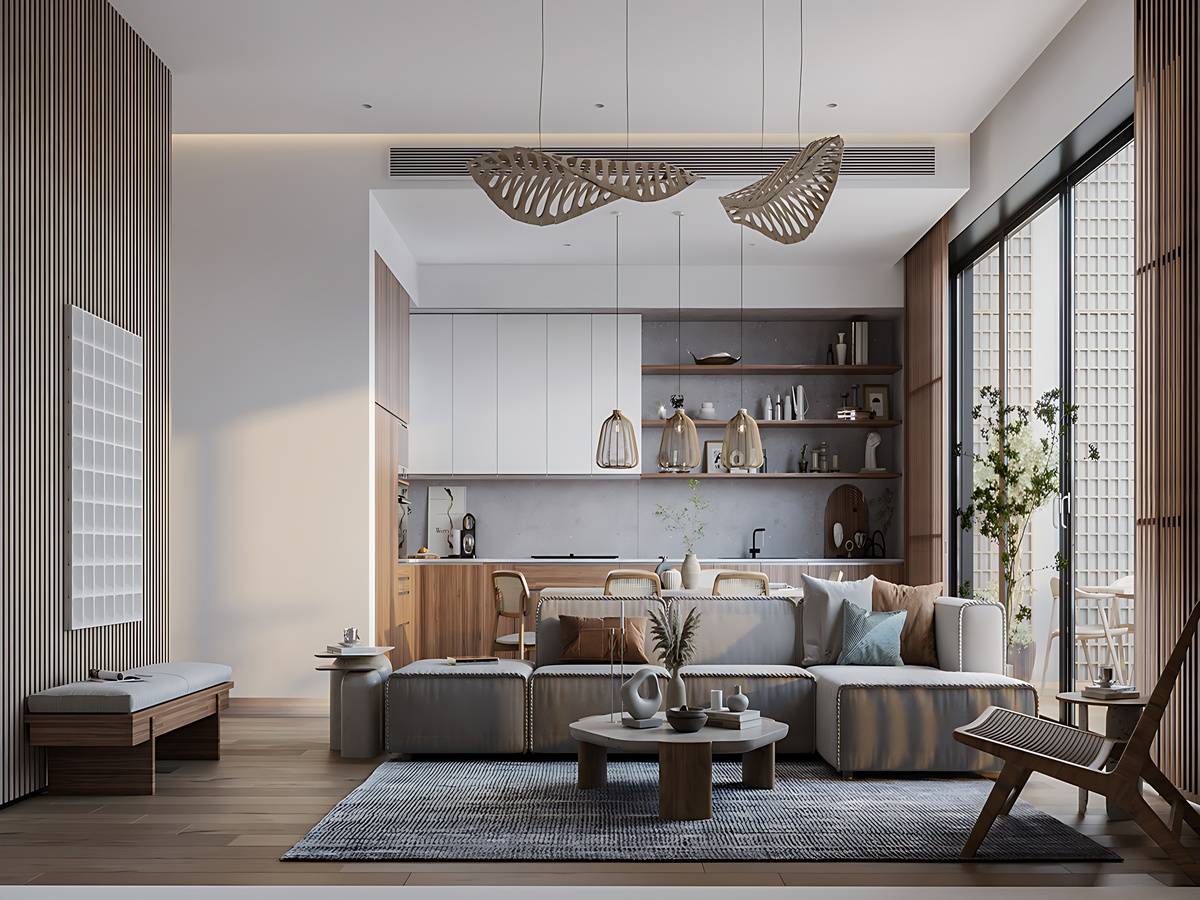
Large window design helps the Japandi space be bright and spacious. (Source: Collected)
When learning about what Japandi interior design style is, light and open space play an important role in creating a connection between the inside and outside. This combination helps the living space become harmonious and close to nature. This is one of the outstanding characteristics of this style.
3. Shaping living spaces in the Japandi style
3.1. Organizing living rooms with a minimalist and balanced approach
Japandi living rooms are often arranged with simple furniture such as low sofas, small coffee tables, and minimalist decorative details. This remains a characteristic, but in 2026, there is an emphasis on "Hidden Functionality". Low Japanese-style sofas integrated with wireless charging ports hidden under the wood, or platform beds with touch-sensitive drawer systems, are how Japandi is modernized. Neutral colors combined with natural materials help create a cozy and comfortable space. Tidy arrangement enhances the connection between different areas in the house.
When analyzing what Japandi interior style is , the living room clearly shows the balance between aesthetics and functionality. Decorative details are used moderately to create accents without being visually distracting. This helps the common living space become harmonious and convenient.
3.2. Creating a highly relaxing resting space
The Japandi bedroom aims for simplicity and creates a relaxing feel through the use of low beds and warm colors. The space is arranged minimally to reduce distracting elements and support sleep. Natural light is utilized to create a pleasant feeling.
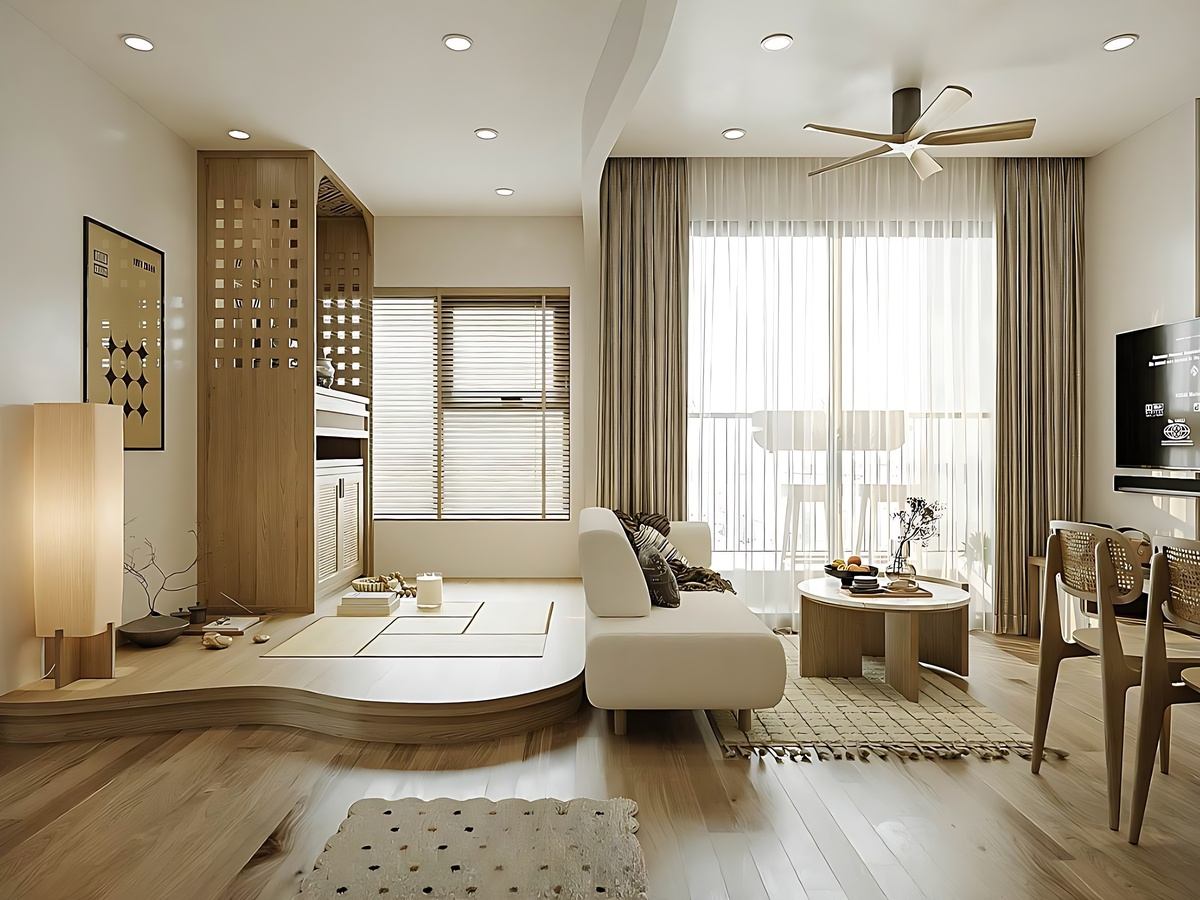
Japandi bedroom balances natural light and neutral colors. (Source: Collected)
When exploring what Japandi interior design is , the bedroom is a place that clearly expresses the spirit of slow living and balance. The design aims to create a stable and gentle resting environment. This helps improve the quality of life in urban spaces.
3.3. Optimizing the kitchen area with the Japandi philosophy
The Japandi kitchen is designed to be neat with appliances and furniture arranged logically to optimize functionality. Natural materials such as wood and stone are used to create a sense of closeness and enhance aesthetics. The kitchen space is often designed to be open to connect with the common living area. When analyzing what Japandi interior design style is , the kitchen clearly demonstrates the combination of comfort and aesthetics. The design makes the cooking process more convenient and easier. This contributes to enhancing the living experience within the family.
4. Effective and sustainable Japandi interior design strategies
4.1. Controlled Style Coordination Guidance
Japandi style requires a balance between Japanese and Nordic elements to create a harmonious whole. The combination needs attention to color ratios, materials, and layout to avoid tonal dissonance. This helps the space retain its unique identity without being disjointed. When exploring what Japandi interior style is, the coordination principle plays an important role in creating unity. The balance between the two styles makes the space both sophisticated and functional. This is a decisive factor for the overall design effectiveness.
4.2. Identifying and Limiting Common Design Mistakes
Some common mistakes when designing Japandi include excessive minimalism, which makes the space feel empty and lack focal points. Furthermore, inappropriate color choices can disrupt the overall harmony. These factors directly affect the perception of the space.
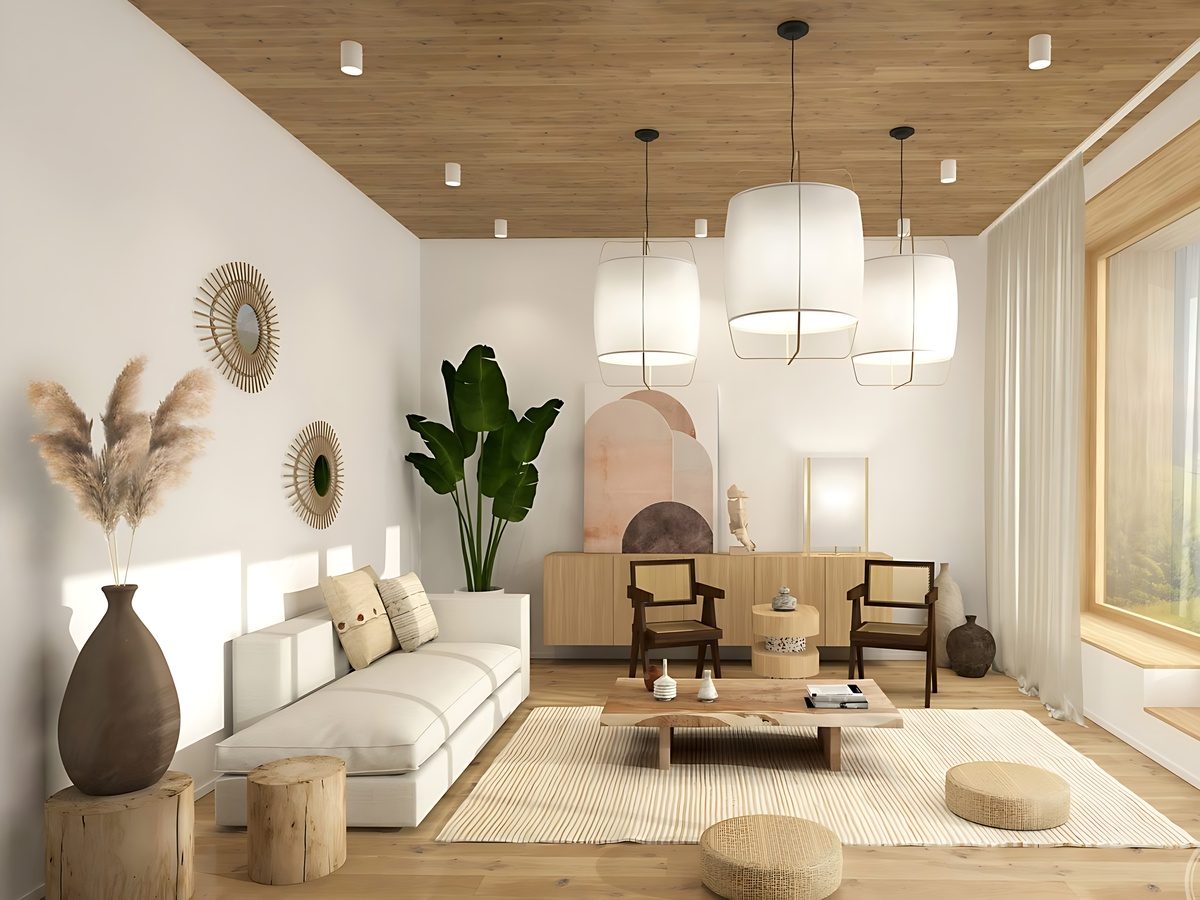
Common Japandi mistake is the lack of focal points, making the space monotonous. (Source: Collection)
When analyzing what Japandi interior style is, avoiding mistakes helps maintain balance between aesthetics and functionality. The space needs a subtle accent to create depth. This helps the Japandi style be effective in practice.
4.3. Budget management and practical construction process
Japandi design costs depend on materials, area, and the level of completion of the project. Using natural materials may increase costs but brings long-term usability value. In addition, it is necessary to consider choosing suitable furniture to optimize the budget. A reasonable choice helps balance cost and space quality.
Not just a trend, what is Japandi interior style also reflects a balanced and sophisticated lifestyle. When applied correctly, Japandi helps spaces become light, comfortable, and emotionally rich, suitable for modern living needs while still emphasizing relaxation and connection with nature.