


What is Senior Living and current trends in senior housing
As society enters a period of population aging, housing models specifically for the elderly are increasingly gaining attention. Among them, what is senior living has become a prominent topic in the real estate sector. The article below will help you understand the concept and practical value of this model.

▲Table of Contents
1. Comprehensive View of Senior Living in Real Estate
1.1. New Understanding of the Senior Living Model
Senior living is a housing model for the elderly, designed to meet the needs of daily living, healthcare, and support for everyday life within the same space. This model often integrates amenities and services suitable for the physical condition of the elderly.
Senior living is currently more clearly defined in the income-generating real estate segment. According to Housing Law No. 27/2023/QH15, this model is encouraged to develop in the form of social housing or commercial housing with special purposes, closely combined with standards for social welfare facilities to optimize medical care benefits for residents.
Unlike traditional nursing homes, senior living allows the elderly to maintain an independent life in their own private space, while accessing support services when needed. The level of privacy and autonomy in daily activities is emphasized more compared to the centralized care model. This helps improve the living experience of elderly residents in urban environments.
When learning about what senior living is, it can be seen that this is a model that combines housing and care services, aiming to create a living environment that balances independence and support. This model is gradually gaining attention in the context of a rapidly aging population. This is a new development direction for the real estate market.
1.2. Journey of Formation and Expansion Worldwide
Senior living first appeared in developed countries, where social security systems and elderly care have been prioritized from early on. This model was formed to address the need for independent living with medical support. This is a result of the urbanization process and changes in family structure.
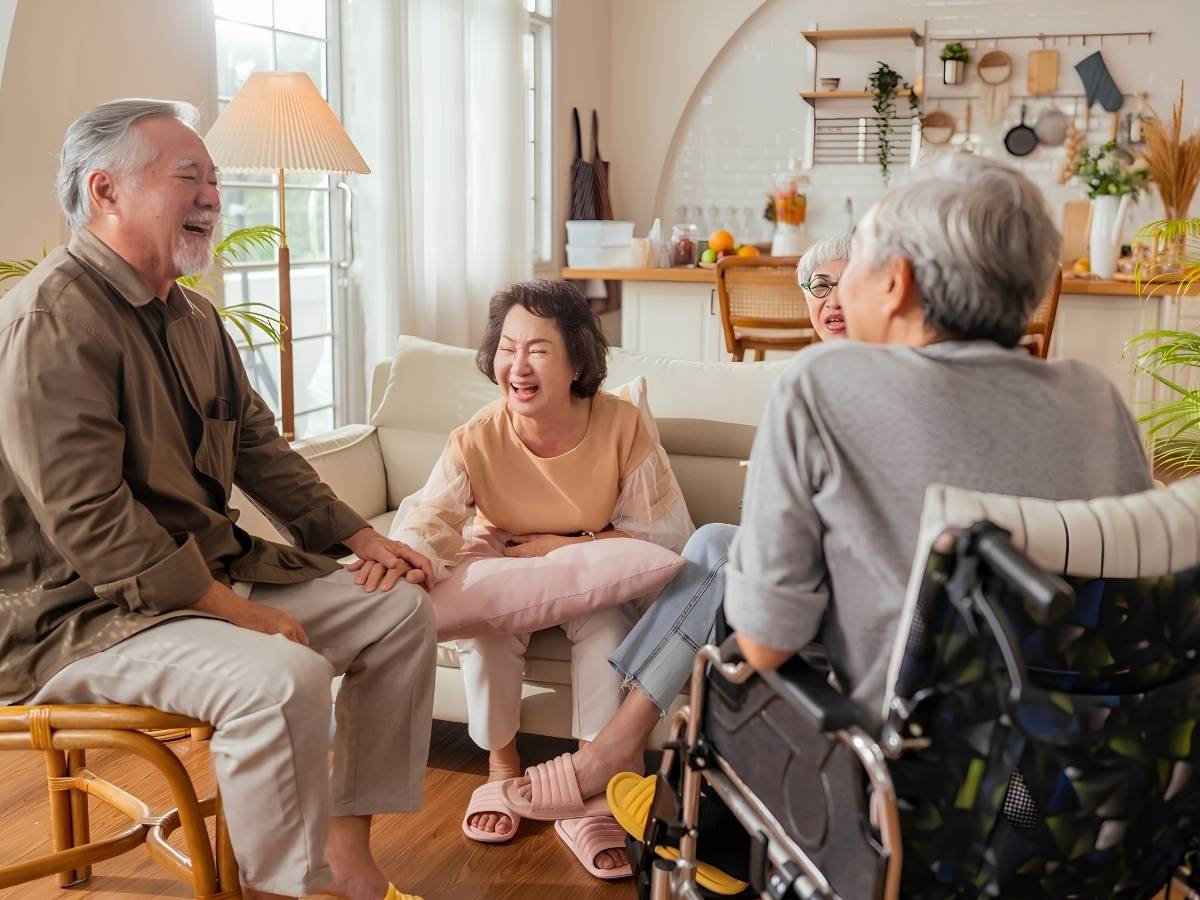
Senior living developed from the need to care for the elderly. (Source: Compilation)
In countries like the US, Japan, and Europe, senior living has developed into a large service industry with many different segments. Models are designed diversely to suit each level of care and living needs. This helps expand the elderly's access to specialized services.
When analyzing what senior living is, it can be seen that the development of this model is closely linked to the global aging population trend. Countries with a high proportion of elderly people often lead in developing specialized housing solutions. This serves as a basis for new markets to reference and apply.
1.3. Foundational values that create the model
One of the important characteristics of senior living is the combination of living space and healthcare services within the same model. This allows residents to access medical services conveniently and continuously. The living environment is designed to ensure safety and support daily activities.
When learning about what is senior living, it can be seen that the core element lies in the balance between care and independence in daily life. This model not only provides accommodation but also aims to enhance the quality of life. This is a distinguishing feature compared to many other types of housing.
2. Spatial solutions and operational mechanisms of senior living
2.1. Designing living environments adapted for the elderly
The space in senior living is designed to ensure safety for the elderly, with features such as non-slip floors, handrails, and spacious walkways. These details help reduce the risk of accidents in daily life. The design prioritizes convenience in movement and use. Additionally, apartments often have limited obstacles and are reasonably arranged to suit the physical condition of the elderly. Natural light and lighting systems are designed to support vision.
2.2. Ecosystem of amenities and accompanying care services
Senior living usually integrates healthcare systems such as regular health check-ups, rehabilitation, and health monitoring. These services help detect problems early and support timely treatment. This is an important factor in improving quality of life.
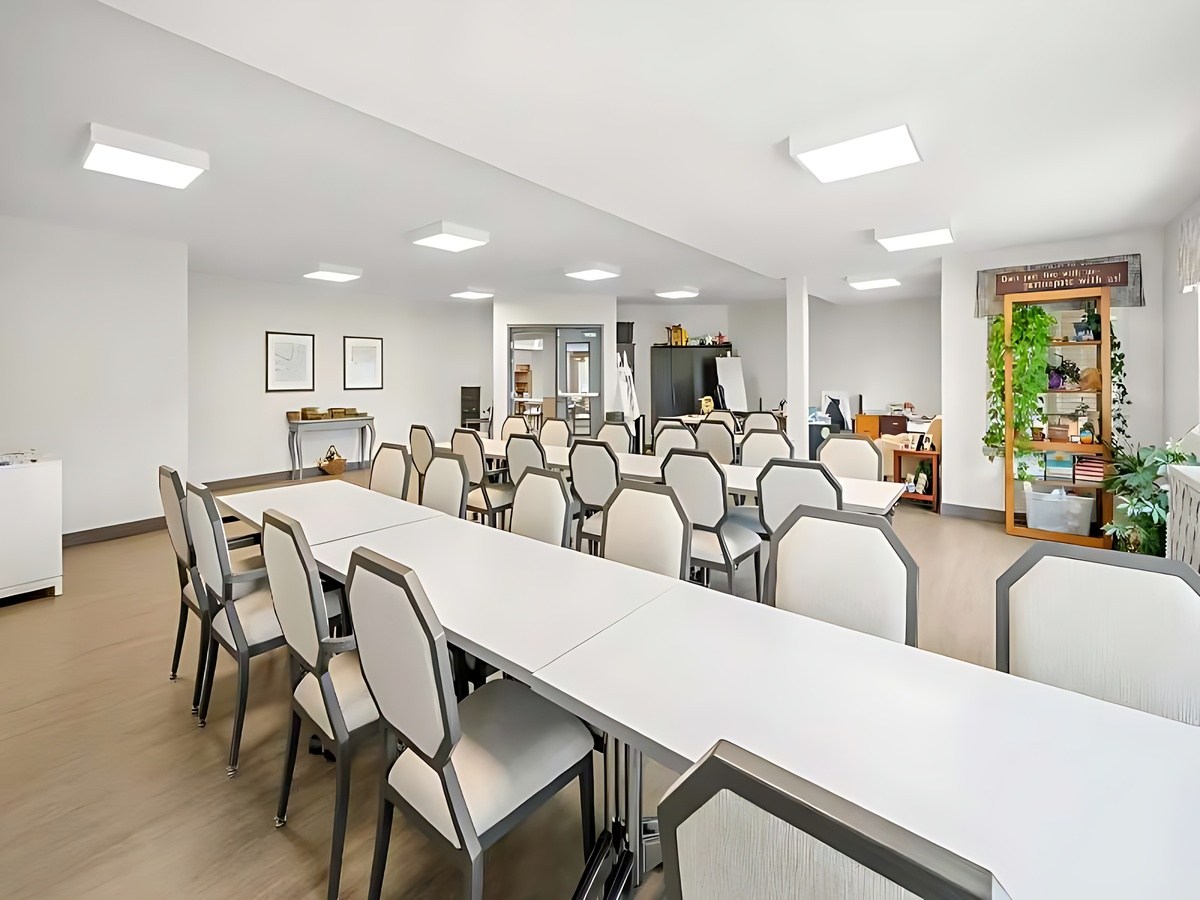
Senior living provides healthcare amenities and community activities. (Source: Compilation)
In addition, recreational and community activities are organized to maintain morale and increase connection among residents. These activities may include light exercise, cultural activities, or social gatherings. This helps create a positive living environment. When learning about what senior living is, it can be seen that the utility system not only serves material needs but also focuses on spiritual aspects. This combination helps improve overall quality of life.
2.3. Synchronized Management and Operational Organization
Senior living is operated by a professional team including medical staff, care staff, and service managers. Coordination between departments helps ensure stable operations. This helps residents receive timely support in all situations. The operating process is often built in a closed loop, from healthcare to daily life management. This helps maintain service quality and ensures a stable living environment.
3. Evaluation of the positive aspects and limitations of senior living
3.1. Impact on physical health and mental well-being
Senior living helps seniors receive regular healthcare through an integrated healthcare system within the residential community. This aids in early detection and management of health issues. The living environment also supports recovery and maintains physical condition. Additionally, participating in community activities helps reduce feelings of loneliness and increases social connection.
This has a positive impact on the mental health of seniors. The living environment becomes more dynamic and positive. When learning about what senior living is, it can be seen that this model brings comprehensive benefits in both physical and mental aspects. The combination of care and community helps improve quality of life. This is a notable aspect of the model.
3.2. Creating a safe and comfortable living environment
Senior living is designed to ensure maximum safety for the elderly during daily activities. Architectural elements and amenities are arranged appropriately for physical condition and usage needs. This helps minimize risks in daily life. Additionally, a comprehensive support service system helps residents not worry about daily living issues such as dining, hygiene, or healthcare.
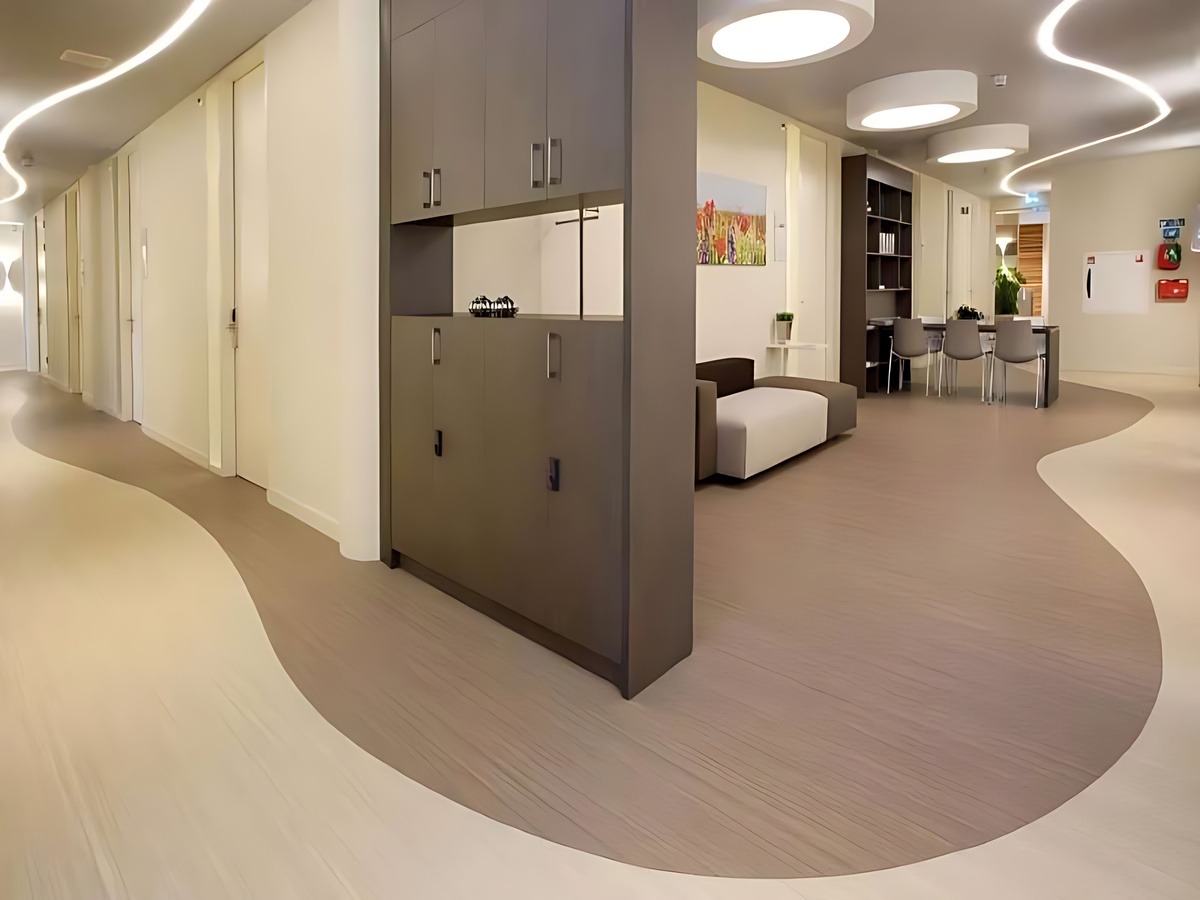
Senior living creates a safe and comfortable living environment. (Source: Collected)
This creates a convenient and stable living environment. Services are organized synchronously. When analyzing what is senior living, it can be seen that this model aims to create a living space suitable for the specific needs of the elderly. Comfort and safety are core elements. This is a difference compared to ordinary housing.
3.3. Disadvantages to consider before choosing
One of the limitations of senior living is the relatively high investment and operating costs compared to the financial capacity of many families. Although costs remain a barrier, with the application of Land Law No. 31/2024/QH15, investors of senior living projects currently benefit from many preferential policies regarding land use fees and land rent when building welfare facilities, helping to reduce product costs. This allows the model to become more accessible to the middle class, rather than being exclusive to the high-end segment as before.
Additionally, psychological factors play an important role in the decision-making process. This influences the living experience. When evaluating what senior living is, it is necessary to consider the suitability between the model and individual needs. Not everyone can adapt to this model. Careful consideration helps make a more suitable choice.
4. Potential for developing the senior living model
4.1. Pressure of an aging population and the increase in practical demand
According to the latest updated figures from the General Statistics Office, Vietnam has officially entered an aging population phase faster than expected. This reality promotes the implementation of the Law on the Elderly and policies encouraging the socialization of healthcare services. The demand for senior living is no longer a forecast for 2038 but has become a present pressure on urban infrastructure in the 2025-2030 period.
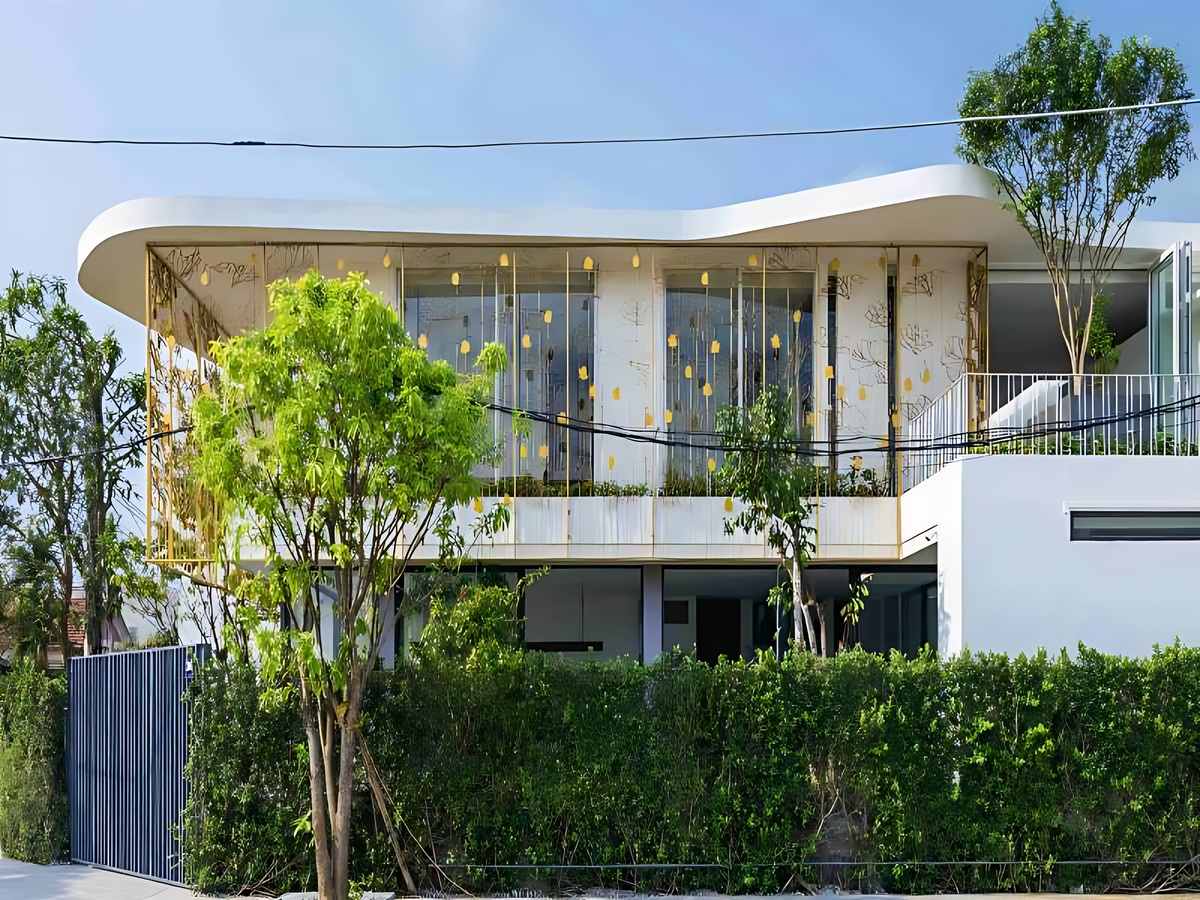
Aging population drives the need for senior living development. (Source: Collected)
In addition, the demand for specialized care is increasing as the elderly tend to live longer and face many health issues. This requires housing models integrated with medical services. Market demand is becoming increasingly apparent. When analyzing what senior living is, it can be seen that this is a suitable model for demographic trends and care needs in Vietnam. The increase in demand creates conditions for market development.
4.2. Obstacles in the implementation process
One of the major challenges is the culture of living with multi-generational families which is still prevalent in Vietnam, making the independent living model not yet widely accepted. This affects the actual market demand. Changes in perception take time.
When learning about what senior living is, it can be seen that currently, the legal framework is gradually being perfected with Decree No. 95/2024/ND-CP detailing the management and operation of housing, including specific technical standards for housing for the elderly. The biggest challenge currently shifts from "lack of legal framework" to "training a team of professional caregivers" to meet the stringent operational standards of this model.
4.3. Guidance on choosing a suitable model for each target audience
Senior living is suitable for families with financial means and the desire to provide a quality living environment for the elderly. This model helps ensure comprehensive and stable care. This is a suitable choice for a specific customer group. Additionally, considering long-term care needs is an important factor in the selection process.
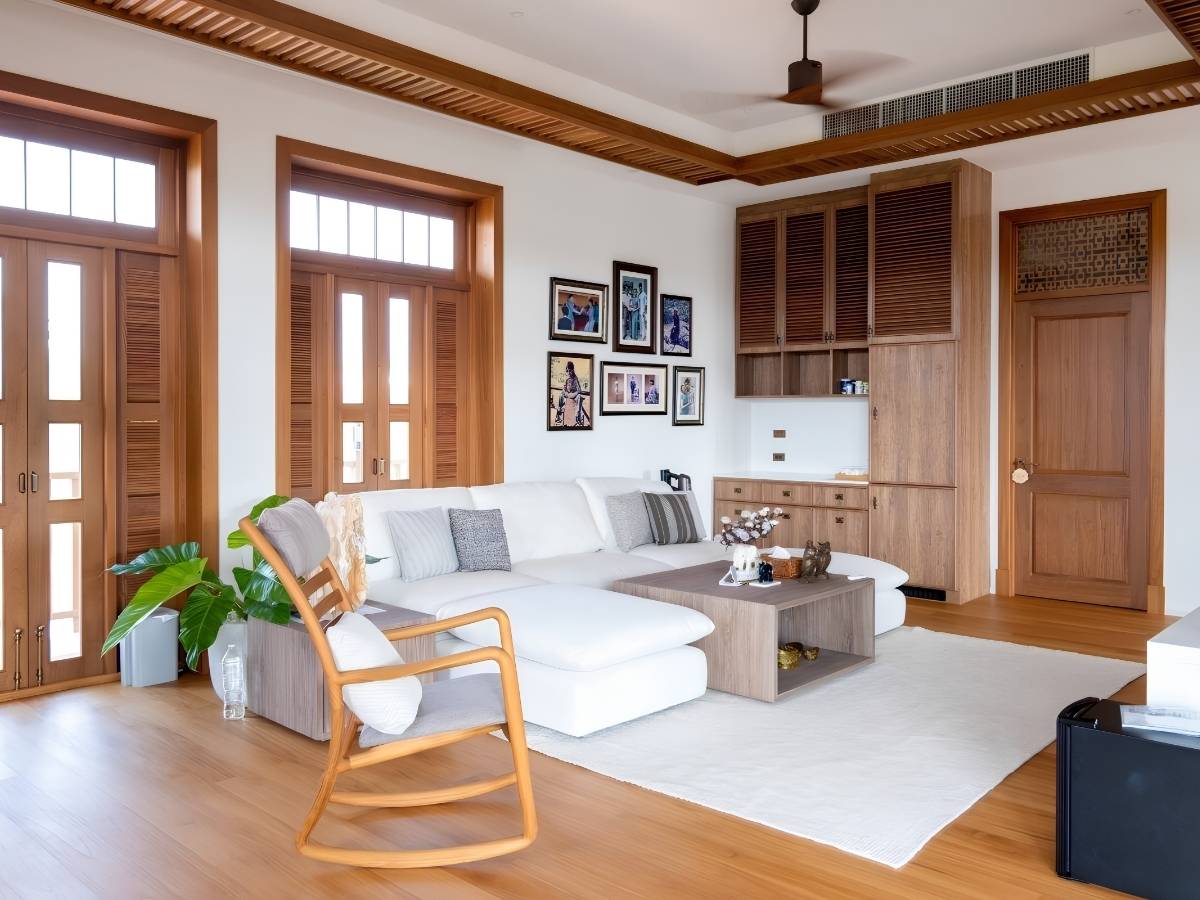
Choose the right senior living model according to needs and finances. (Source: Collected)
Each individual has different health conditions and needs. This affects the choice of a suitable model. When analyzing what is senior living, it can be seen that the choice needs to be based on many factors such as finances, health, and family circumstances. Overall suitability helps improve quality of life. This is a factor that needs careful consideration.
4.4. Development prospects and opportunities in the coming period
Senior living has development potential in large urban areas such as Hanoi, Ho Chi Minh City, or areas with developed healthcare infrastructure. These areas have high demand and favorable conditions for implementing the model. This is a potential market in the future. Furthermore, the trend of combining real estate with medical and healthcare services is gaining attention in urban planning. Integrated models help improve the quality of life for residents.
Understanding what senior living is not only helps you stay updated on new real estate trends but also opens up perspectives on the future quality of life for the elderly. As the need for care increases, this model promises to become an important choice, bringing peace of mind to the whole family and loved ones.