


What's the difference between luxury apartments and standard apartments, and how to choose?
When looking to buy a home, many people wonder how luxury apartments differ from regular apartments to make a decision that suits their needs and finances. Not only do these two types differ in price, but they also have a clear disparity in amenities, construction quality, and overall living experience.

▲Table of Contents
1. The Overall Picture of High-End Apartments and Regular Apartments in the Market
1.1. Evolution of Apartment Segmentation in the Context of Urbanization
The current apartment market is divided into many segments to meet diverse financial needs. This differentiation is evident in urban areas as the pace of urbanization increases. According to the provisions of the Real Estate Business Law No. 29/2023/QH15, apartment projects must ensure publicity and transparency regarding planning and sales conditions. These factors not only affect selling prices but also determine the living experience and exploitation potential of the apartments.
When exploring how luxury apartments differ from regular apartments, it can be seen that each segment is positioned based on factors such as location, design, amenities, and construction quality. These factors not only affect the selling price but also determine the living experience and usability of the apartment.
Market trends show that the luxury segment is increasingly expanding in large cities, while regular apartments still play a role in meeting the actual living needs of the majority of people. This creates a relative balance between supply and demand in the real estate market.
1.2. Role and position of the luxury segment in real estate
To understand clearly how luxury apartments differ from regular apartments, it is necessary to determine that luxury apartments are a type of housing built to high standards of design and infrastructure. According to Housing Law No. 27/2023/QH15, the classification of apartment buildings (including luxury class) must be carried out according to technical standards for construction quality, technical infrastructure systems, and operation management services. Currently, luxury apartments not only meet area requirements but must also be certified for classification by competent authorities, ensuring strict criteria for architecture and synchronized living spaces.

Luxury apartments defined by superior design standards and amenities. (Source: Collected)
Additionally, operational management and security factors are also emphasized to ensure a stable living environment. This segment is often developed in areas with high land values and complete infrastructure, contributing to the long-term increase in real estate value. This is also a group of products linked to the need to improve the quality of life for urban residents.
1.3. Basic identifying characteristics of the affordable apartment segment
When analyzing how luxury apartments differ from regular apartments, regular apartments are understood as a type of housing focused on basic functionality with more affordable costs. The design of this type of apartment is usually simple, meeting the essential living needs of a household. Additionally, the location of apartment projects is often in areas outside the city center or where infrastructure is not yet fully developed. This can affect connectivity and the appreciation of real estate value over time.
2. How do luxury apartments differ from regular apartments in terms of standards
2.1. Differences in location and project planning
An important factor when evaluating how luxury apartments differ from regular apartments is the project location, as luxury apartments are often located in central areas or places with integrated infrastructure development. These areas have convenient transportation connectivity and access to many urban amenities. Meanwhile, regular apartments are often built in areas further from the center, where land is abundant and development costs are lower. This helps reduce the selling price but may lead to limitations in accessing services and amenities.
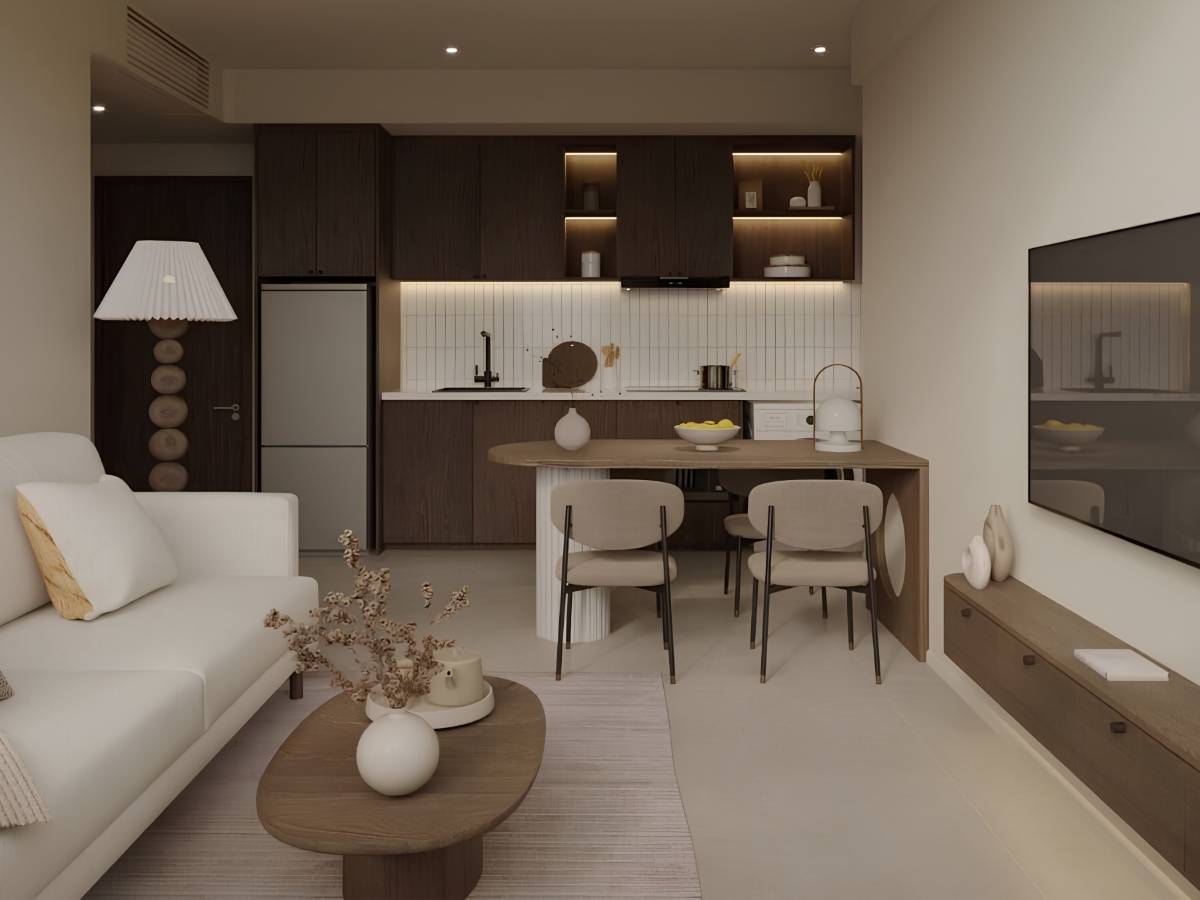
Apartments are usually in areas far from the center with lower prices. (Source: Collected)
2.2. Differences in design and construction quality
When learning about how luxury apartments differ from regular apartments, the clear differences lie in architectural design and the quality of materials used in construction. Luxury apartments often focus on open spaces, natural light, and rational arrangement of functional areas. Finishing materials in luxury apartments are usually of higher quality, ensuring durability and safety for long-term use.
Meanwhile, apartments usually use standard-grade materials to control investment costs. Additionally, high-end apartment designs usually have larger areas and are equipped with full functional rooms, from the living room to private living areas. This helps enhance the user experience compared to regular apartments.
2.3. Differences in internal amenities and services
When analyzing how luxury apartments differ from regular apartments, it can be seen that the internal amenity system is the factor that clearly shows the difference between the two types of apartments. High-end projects often integrate many amenities such as swimming pools, gyms, community living areas, and green spaces. Meanwhile, regular apartments only provide basic amenities to meet daily living needs, such as elevators, parking lots, and standard security systems.

Luxury apartment with diverse amenities such as a swimming pool, gym, and green space. (Source: Collected)
This difference reflects the level of investment and positioning of each segment in the market. Furthermore, management services in high-end projects are often professionally operated with security systems and continuous maintenance. This contributes to maintaining a stable quality of life over the long term.
2.4. Differences in resident community and operational management
An important factor when evaluating how luxury apartments differ from regular apartments is the resident community living in the project. Luxury projects often attract a group of residents with similar income levels and living needs, creating a stable living environment.
Resident density in high-end projects is usually controlled at a reasonable level, combined with a professional operation and management system that helps maintain service quality. This helps limit overloading during use. Conversely, apartments often have a more diverse resident community in terms of occupation and income level, thereby creating a flexible living environment but potentially lacking uniformity. This is a factor to consider when choosing the right type of apartment.
3. Strengths and limitations of each apartment segment
3.1. Outstanding value of high-end apartments for the living experience
When researching what differentiates luxury apartments from standard ones, it can be stated that luxury apartments offer a living experience with spacious areas, modern designs, and integrated amenities. These factors contribute to enhancing the daily living quality of residents. Furthermore, the living environment in luxury projects is often meticulously planned with green spaces and professional management services.
This helps create stability and convenience for long-term living. The value of luxury apartments tends to remain stable due to their location and construction quality, thus creating an advantage for investment or usage. This is a factor many people consider when choosing.
3.2. Advantages of Standard Apartments in Terms of Cost and Accessibility
Research shows that standard apartments have an advantage in terms of price, making them suitable for a wider range of customers. This allows buyers to more easily access and own housing under limited financial conditions. The operating costs of standard apartments are also lower due to less complex utility and service systems. This helps reduce financial pressure during long-term use. Additionally, standard apartments are suitable for actual housing needs, especially in developing areas where real estate prices are still reasonable.
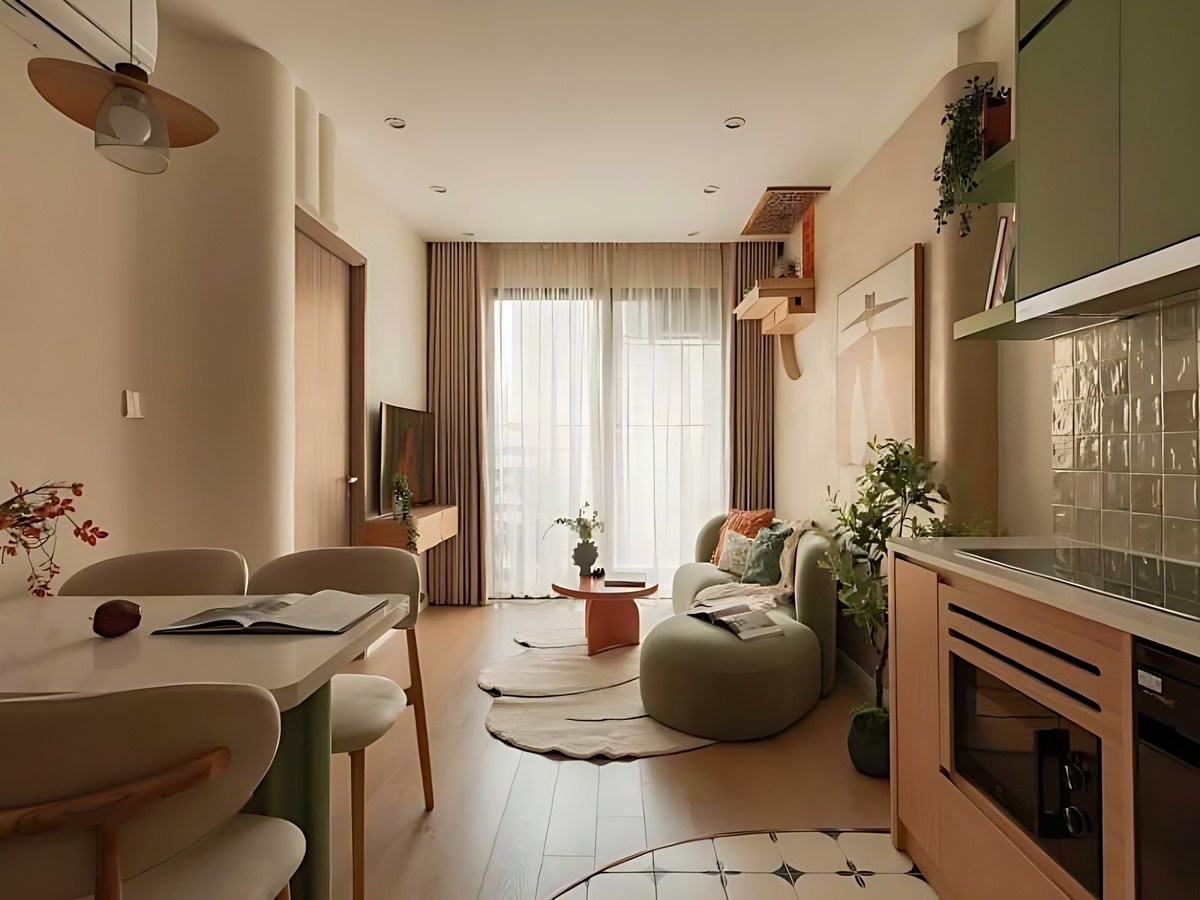
Apartments are usually affordable, making housing more accessible. (Source: Collected)
3.3. Drawbacks to Consider
When evaluating how luxury apartments differ from regular apartments, it can be seen that each type has certain limitations that need to be carefully considered before making a decision. Luxury apartments have a higher price and greater operating costs compared to regular apartments. Meanwhile, regular apartments may be limited in amenities, construction quality, and living environment compared to luxury projects.
This can affect the living experience and long-term usability. Additionally, the price appreciation potential of regular apartments often depends heavily on regional infrastructure development, while luxury apartments usually have a location advantage from the outset. This is a factor to consider for investment goals.
4. Tips for choosing an apartment that suits your needs
4.1. Clarify ownership purpose: settling down or investing for profit
When learning how high-end apartments differ from regular apartments, you need to understand that determining the goal of buying to live in or to invest plays an important role in the selection process. Each goal will have different evaluation criteria regarding location, amenities, and usability. If the goal is to live long-term, factors such as living environment, amenities, and construction quality need to be prioritized to ensure stability in daily life.
This helps improve the quality of life in the long term. In the case of investment, factors such as location, price appreciation potential, and rental potential will play a more important role. This is the basis for evaluating the future financial performance of real estate.
4.2. Balancing financial resources and payment plans
When analyzing how luxury apartments differ from standard apartments, personal financial assessment will help determine an appropriate budget for each apartment segment. This helps limit risks during the property ownership process. Luxury apartments usually require greater financial resources, both in terms of initial purchase costs and operating costs during usage.
Meanwhile, standard apartments have lower costs and are suitable for more people. Additionally, long-term costs such as management fees, maintenance, and repairs need to be calculated to ensure stable affordability. This is an important factor in personal financial planning.
4.3. Caution when evaluating projects and developer reputation
Developer reputation is a key factor influencing project quality. Especially, buyers need to note the regulations in the 2023 Real Estate Business Law, which require developers to complete land financial obligations and obtain a construction permit before selling. Thoroughly checking legal documents, including bank guarantees for future housing, is a prerequisite to protect your rights and avoid risks regarding progress or ownership disputes later on.
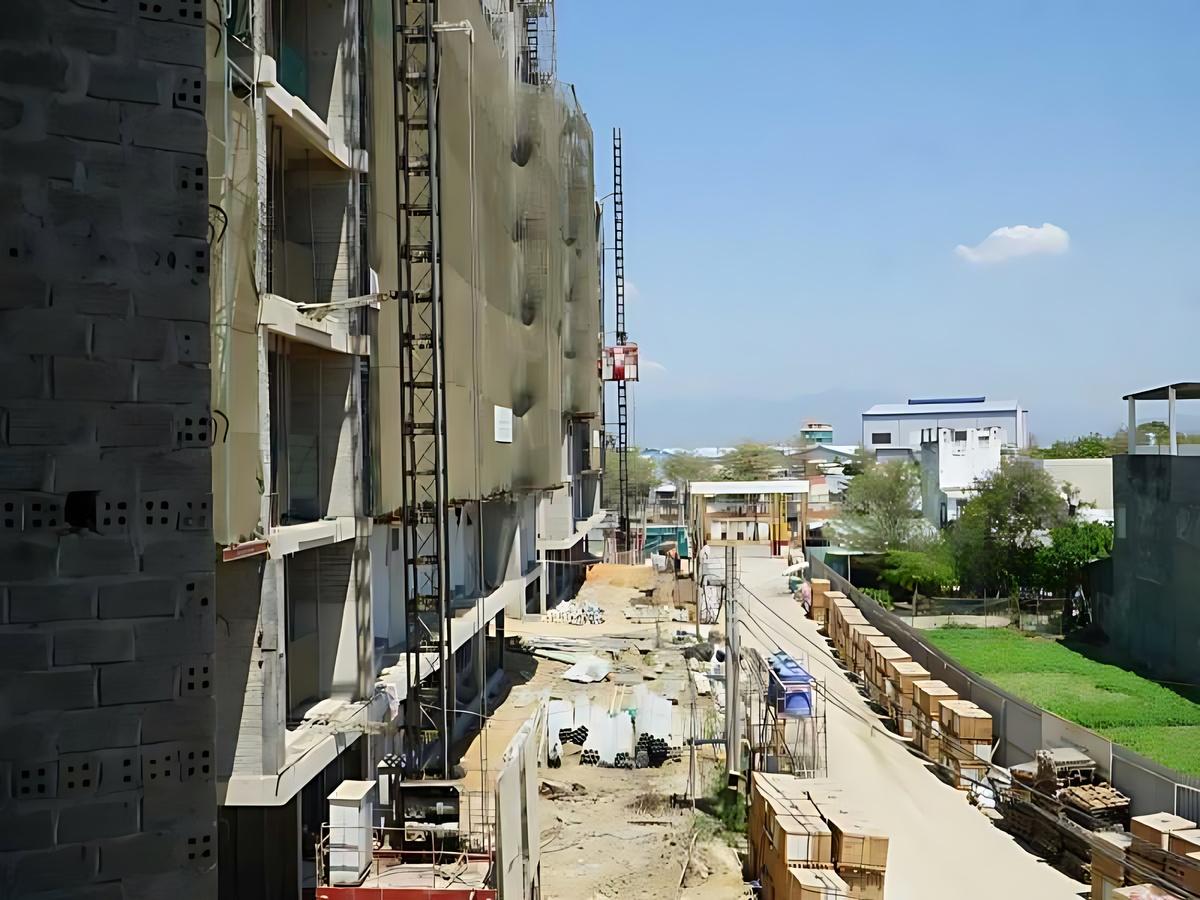
Investor reputation determines project quality and progress. (Source: Collected)
Understanding how luxury apartments differ from regular apartments will give you a comprehensive view before making a decision. Each type has its own advantages, suitable for different needs and financial capabilities. The important thing is to choose correctly to ensure long-term living value as well as effective investment potential.