


What's unusual about the Bauhaus style in modern interior design?
In modern design trends, many people are interested in the Bauhaus style for interior design due to its combination of functionality and aesthetics. This style emphasizes minimalism while still providing high usability for living spaces. The following article will introduce it in more detail, so please read on.

▲Table of Contents
1. General Overview of Bauhaus Style in Interior Design
1.1. Definition of Bauhaus in the Context of Interior Design
The concept of Bauhaus style in interior design is understood as a design movement born in Germany in the early 20th century, associated with the development of modern architecture and the mindset of industrialization. This style originated from the Bauhaus school founded by architect Walter Gropius. The initial principles aimed at simplifying forms while enhancing the practicality of products in daily life.
In the current context, the Bauhaus style not only stops at pure functionality but must also strictly comply with Law on Environmental Protection No. 72/2020/QH14 (updated with the latest emission standards in 2026). System design must ensure material recyclability and minimize carbon footprint right from the production stage.
1.2. Design philosophy focused on functionality and minimalism
The core philosophy of Bauhaus style in interior design lies in the principle “form follows function”, meaning form must serve its function. This leads to every detail in the space being designed based on a specific purpose, avoiding purely decorative elements. Minimalism is not just about form but also about optimizing the user experience within the living space.
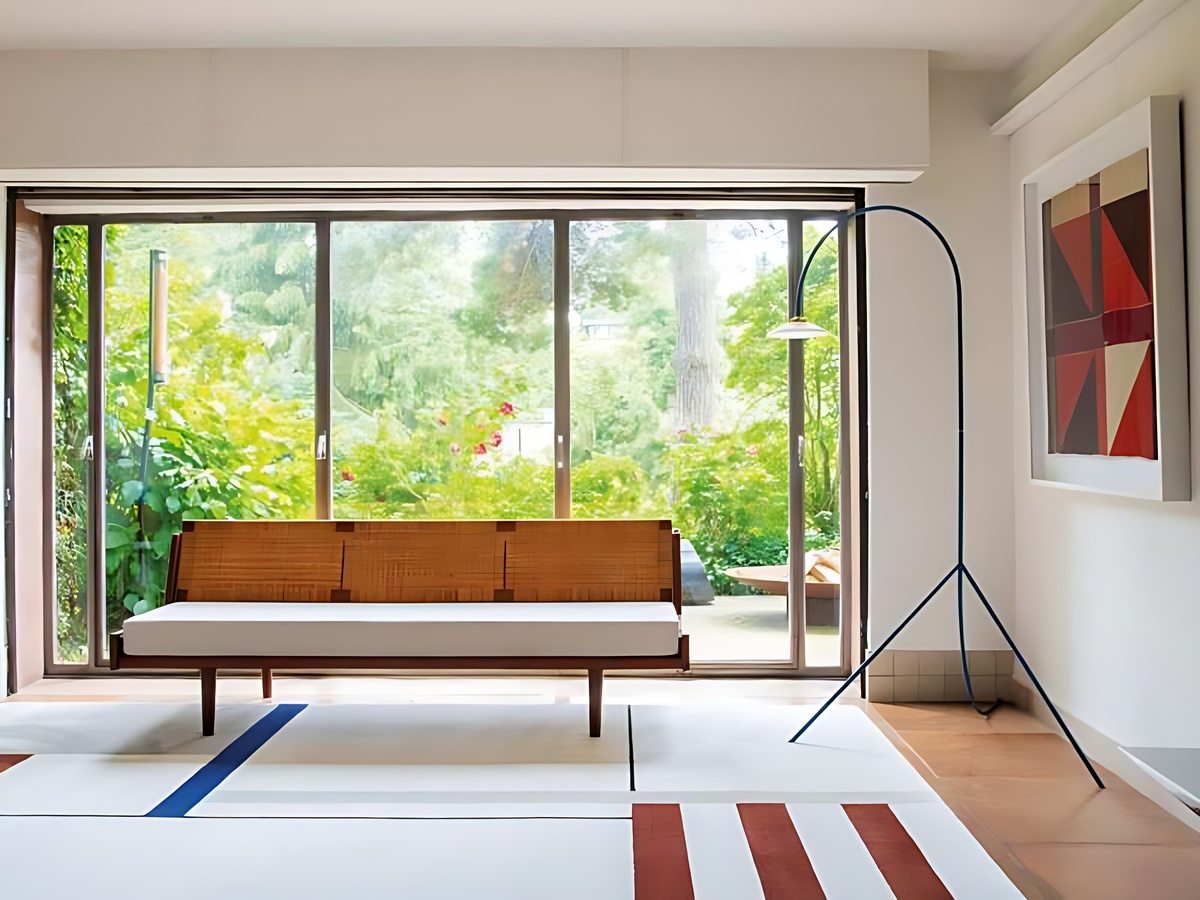
Bauhaus style emphasizes functionality and minimalism. (Source: Collected)
In practice, Bauhaus designs often use simple lines, clear shapes, and logical layouts to create convenience. Furniture not only meets basic needs but is also designed to save space and increase usability. This aligns with modern housing trends, especially in densely built urban areas.
1.3. The Influence of Bauhaus on Modern Architecture and Interior Design
In the field of interior design, Bauhaus contributed to shaping open-plan layouts, the use of industrial materials, and minimalist details. These elements help spaces become flexible and suitable for various usage needs. This is especially important in the context of urbanization, where living spaces are increasingly limited.
Furthermore, Bauhaus also influenced how people approach design by emphasizing practicality. Spaces not only need to be beautiful but also comfortable and easy to use. This combination forms the foundation for many modern interior design styles that are widely applied today.
2. Prominent characteristics of the Bauhaus style in living spaces
2.1. Simple Shapes and Clear Lines
A noticeable characteristic of the Bauhaus style in interior design is the use of basic geometric shapes such as squares, circles, and triangles in spatial design. These geometries help create clarity and recognizability, while also bringing a sense of order to the overall composition. The limitation of complex details helps the space become neater and easier to use.
Lines in Bauhaus are usually straight, decisive, and use few complex curved details. This creates a modern feel and aligns with contemporary design trends. Simplicity in form helps users easily focus on the function of each area in the space.
2.2. Basic colors and color schemes
An important factor when exploring the Bauhaus style in interior design is the use of colors with a basic palette such as red, yellow, blue combined with white and black. These colors are used selectively to create accents in the space. The contrast between the color schemes enhances visual effect and highlights the composition.
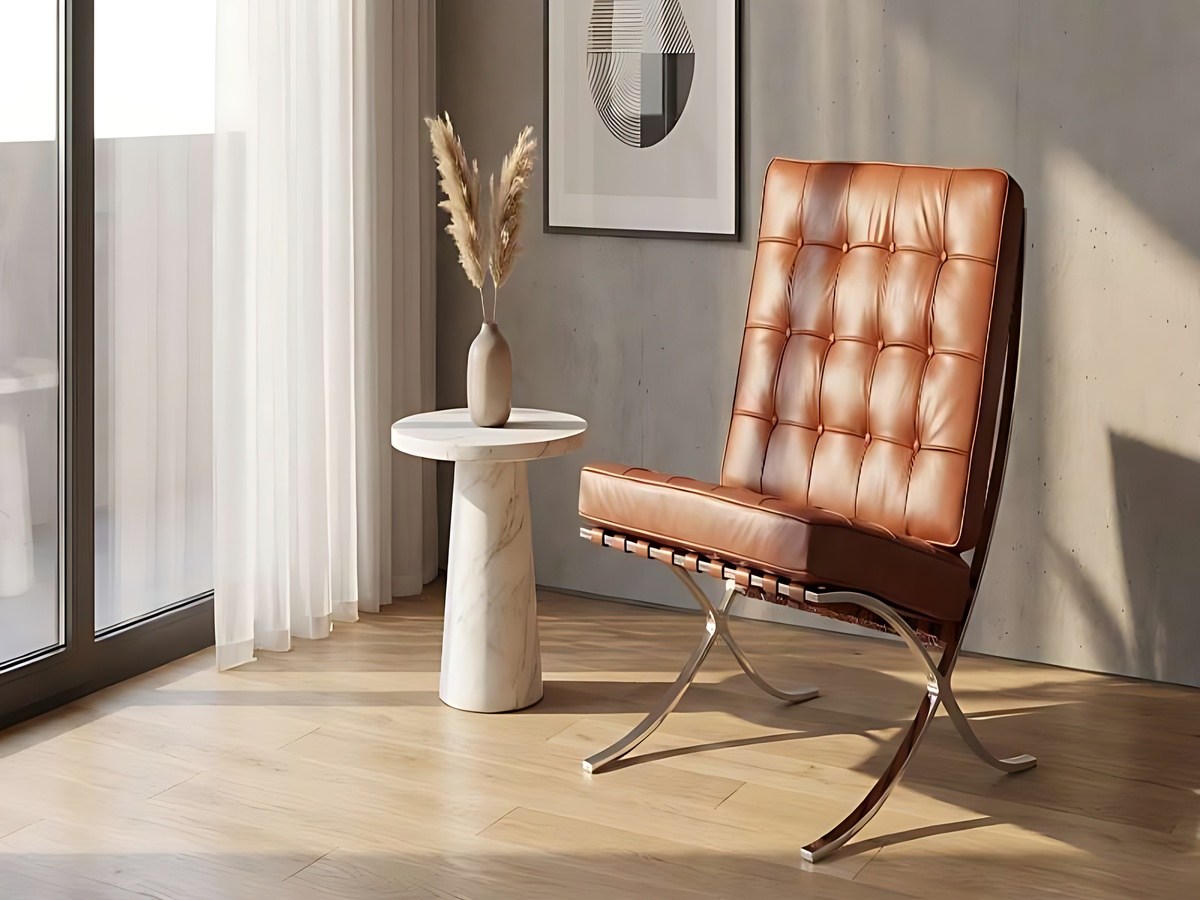
Bauhaus style uses basic colors and harmonious coordination. (Source: Collected)
The background color in Bauhaus spaces is often neutral tones to create balance and serve as a backdrop for prominent details. This color scheme helps prevent the space from being visually cluttered even when using strong colors. The calculated use of color enhances the overall aesthetic value.
2.3. Industrial materials and high applicability
In the Bauhaus style of interior design, materials play a crucial role in reflecting the industrial spirit of this school. According to National Technical Regulation QCVN 06:2026/BXD on fire safety for buildings and constructions, industrial materials in Bauhaus interiors such as tempered glass, stainless steel, and engineered wood must achieve fire resistance certification and not emit formaldehyde above the threshold. Notably, the 2026 trend prioritizes bio-based polymer materials and recycled lightweight concrete to optimize building weight.
2.4. Minimalist design but optimized for functionality
One of the important characteristics of Bauhaus style in interior design is the elimination of unnecessary details to focus on functionality. Spaces are designed to be neat, with a limited but carefully selected amount of furniture. This helps increase usability and creates a sense of spaciousness.
Furniture items often have multi-functional designs, meeting multiple needs within a single product. This helps save space and is suitable for small apartments. Minimalism in design does not reduce aesthetic value but on the contrary, creates a refined beauty.
3. Ways to incorporate Bauhaus style in interior design
3.1. Living room layout options in the Bauhaus spirit
In practical application, Bauhaus style in interior design is clearly expressed through living room spaces with simple and functional layouts. Furniture typically includes sofas with clear geometric shapes, minimalist coffee tables, and essential items. Open spaces help enhance connectivity between areas and create a sense of spaciousness.
Colors in the living room usually use neutral tones combined with basic color accents to create balance. The utilization of light must go hand in hand with insulation solutions according to Law on Economical and Efficient Use of Energy No. 50/2010/QH12. Modern Bauhaus design prioritizes the use of Low-E insulating glass to block UV rays and retain heat, helping the space to be both airy and minimize cooling costs, meeting green building standards for 2026.
3.2. Bauhaus-style resting space
When applying Bauhaus style in interior design to bedrooms, the elements of neatness and comfort are prioritized. Beds, wardrobes, and desks are arranged scientifically to optimize space. Unnecessary details are removed to create a relaxing space. Colors in the bedroom often use neutral tones to create a pleasant feeling. Some color accents can be added to avoid monotony.
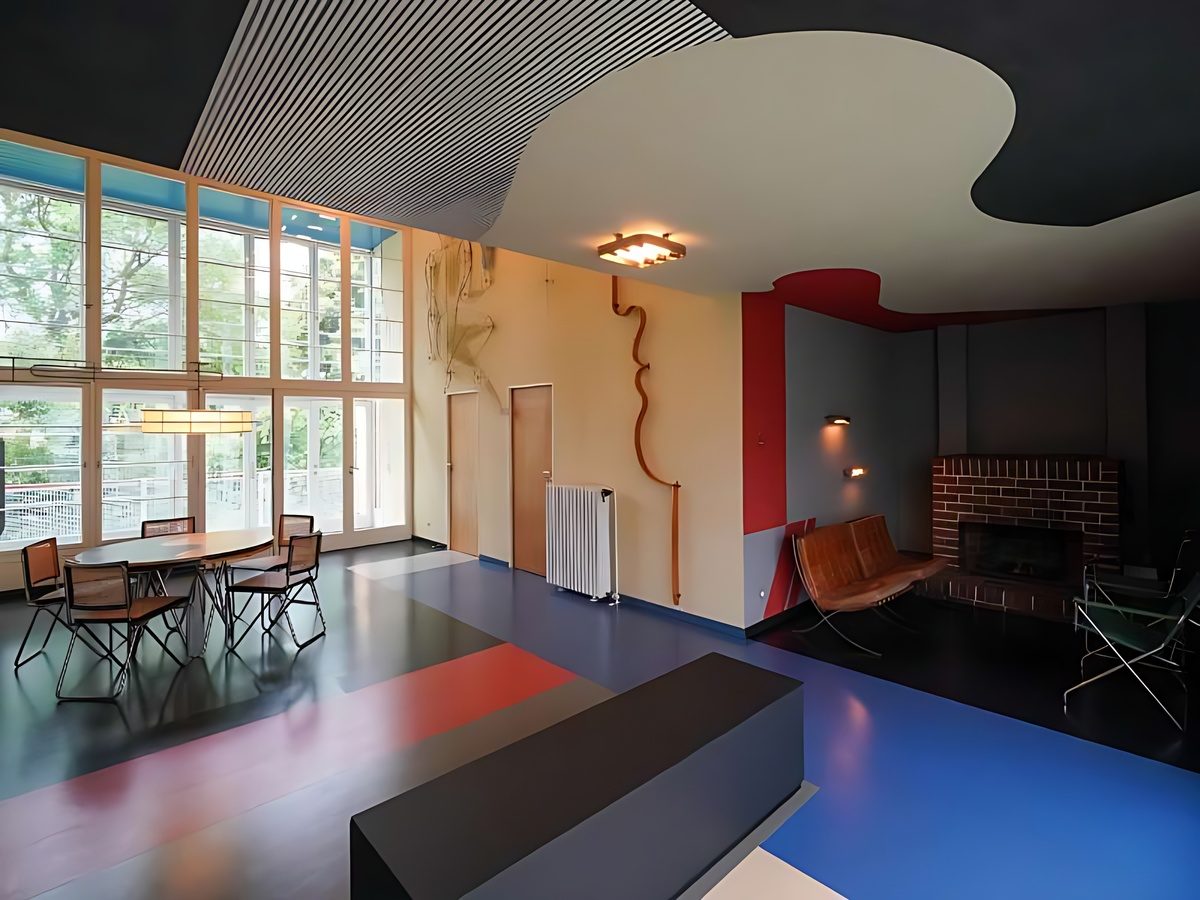
Neat, comfortable, and harmonious Bauhaus-style bedroom. (Source: Collected)
3.3. In apartments and townhouses with a modern trend
In the urban context, Bauhaus style in interior design is considered suitable for many types of housing such as apartments and townhouses. The minimalist design helps save space and creates a more spacious feeling for living areas. This is especially important in densely populated urban areas.
Open space and flexible layout enhance usability in small apartments. Functional areas are linked together to create convenience in daily life. The combination of modern furniture and industrial materials enhances usability. In addition, the Bauhaus style is also suitable for the minimalist living trend that many people are interested in. Reducing furniture makes the space tidy and easy to manage.
4. Revealing interior design tips in the Bauhaus style
4.1. Criteria for selecting suitable furniture and materials
When applying Bauhaus style in interior design, the choice of furniture should prioritize simple and highly functional designs. Items should have clear geometric shapes and avoid complex decorative details. This helps ensure the true spirit of the Bauhaus style.
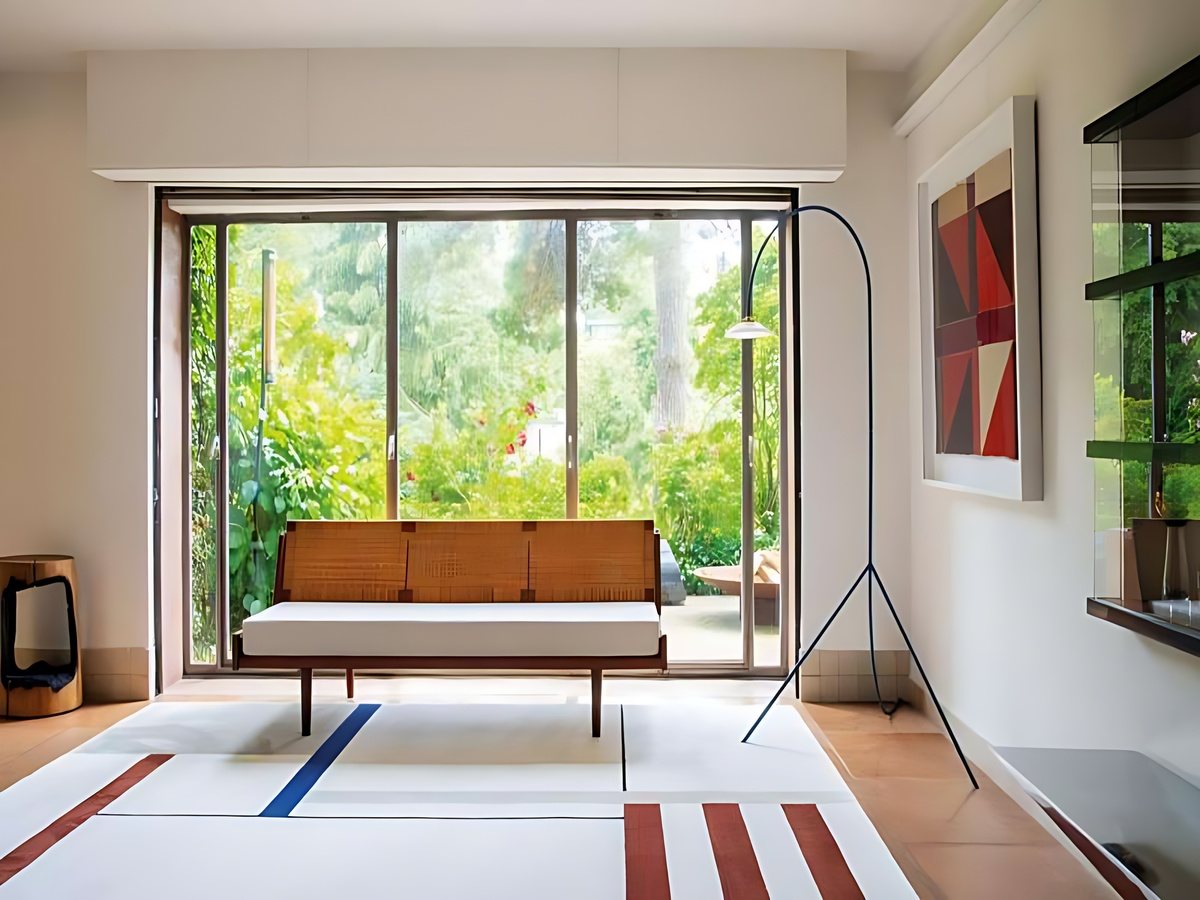
Simple, modern Bauhaus furniture and material selection. (Source: Collected)
Materials should prioritize modern types such as metal, glass, or industrial wood to increase durability and aesthetics. The combination of materials requires consideration to create a harmonious whole. This helps the space to be both modern and easy to use. In addition, attention should be paid to the proportion and size of the furniture to suit the space area. Choosing the right size helps optimize usability. This contributes to creating a comfortable and rational living space.
4.2. Common mistakes when applying the Bauhaus style
In the process of implementing Bauhaus style in interior design, some mistakes can reduce the effectiveness of the space if not properly controlled. Overly simple design without focal points can make the space monotonous. This disrupts the balance between aesthetics and functionality.
Conversely, adding too many decorative details also detracts from the minimalist spirit of Bauhaus. Balance between elements is essential to create a harmonious space. The selection of furniture should be based on practical needs. In addition, not paying attention to lighting and color can affect the overall design. Inappropriate lighting can reduce the aesthetic value of the space. Therefore, careful consideration is needed in every detail.
4.3. Effective Cost Control Solutions in Design
When implementing Bauhaus style in interior design, cost optimization can be achieved through choosing multi-functional furniture and limiting unnecessary details. Although the initial investment cost for materials meeting ISO 14021:2026 (regarding eco-labels) may be higher, durability and low maintenance help homeowners save significantly. Furthermore, choosing modular furniture helps minimize construction waste, in line with the spirit of the circular economy currently being promoted.
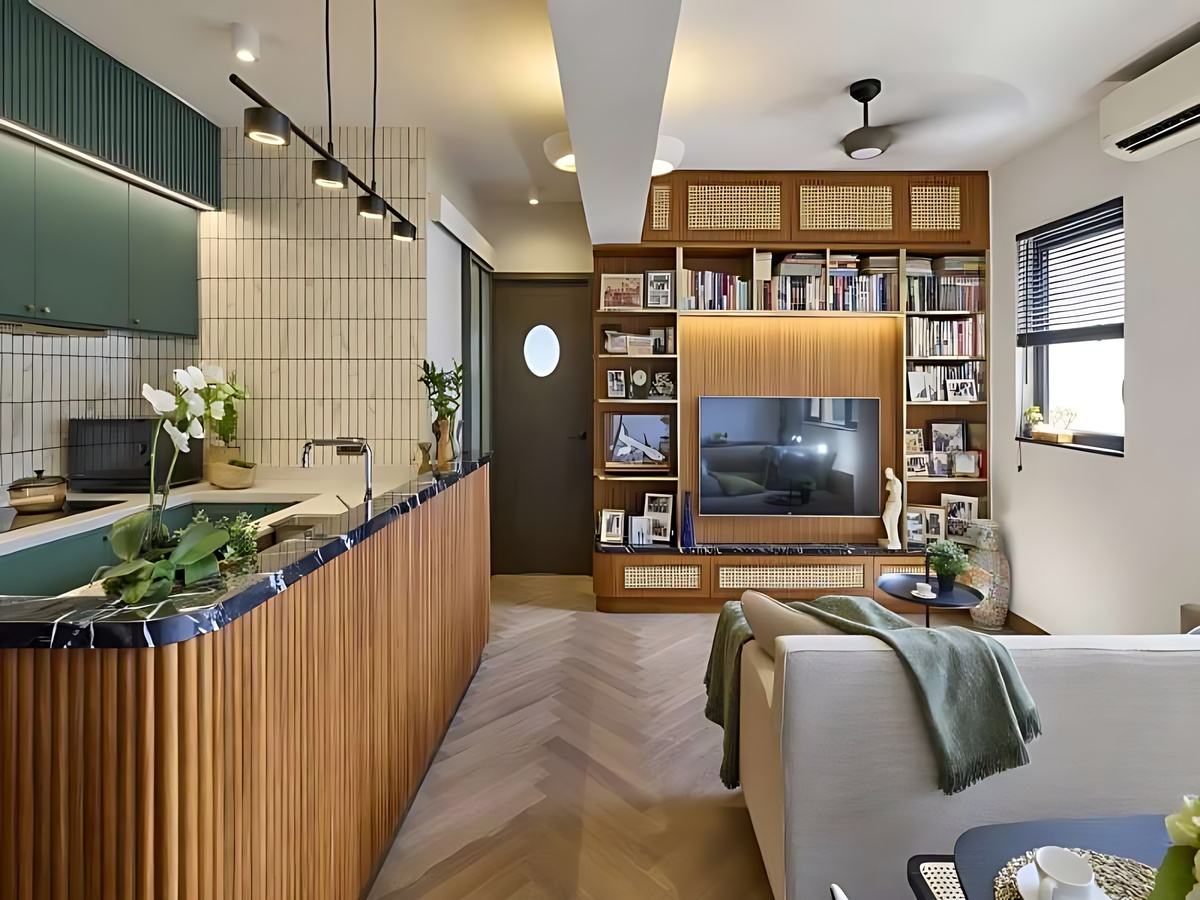
Optimizing Bauhaus design costs with multi-functional furniture. (Source: Collected)
Choosing the Bauhaus style in interior design will bring a modern, neat, and functionally optimized living space. When applied correctly, this style not only enhances aesthetics but also helps optimize the user experience in daily life.