


Benefits of living near a refreshing park elevate the quality of life
The benefits of living near a refreshing green park not only bring an airy green space but also enhance daily quality of life. From physical and mental health to real estate value, this area is becoming a priority choice for many modern families.

▲Table of Contents
1. Trend of living near climate-regulating parks in modern urban areas
1.1. Climate-regulating parks in urban planning
A climate-regulating park is understood as a green space combined with water bodies, planned to regulate climate and balance ecology in urban areas. These areas typically include lakes, trees, and natural drainage systems, helping to moderate temperatures and reduce localized flooding. According to planning standards, the area of green space and water in parks usually accounts for 60% to 70% of the total area to ensure ecological efficiency.
In Vietnam's urban planning, buffer parks also play a role as part of the technical infrastructure system, helping to regulate rainwater and reduce pressure on the drainage system. Current regulations require ensuring a reasonable proportion of green land and water surfaces in park projects to maintain environmental functions. This helps cities develop more sustainably in the context of climate change and increasing population density.
1.2. Role of buffer parks for the living environment
Parklands have a significant impact on the urban microclimate, especially in reducing surface temperature and improving air quality. Studies show that areas with abundant greenery and water bodies can reduce temperatures by 1 to 3 degrees Celsius compared to concrete-dominated areas. Furthermore, greenery also helps absorb fine dust and CO2, contributing to the reduction of air pollution in large cities.
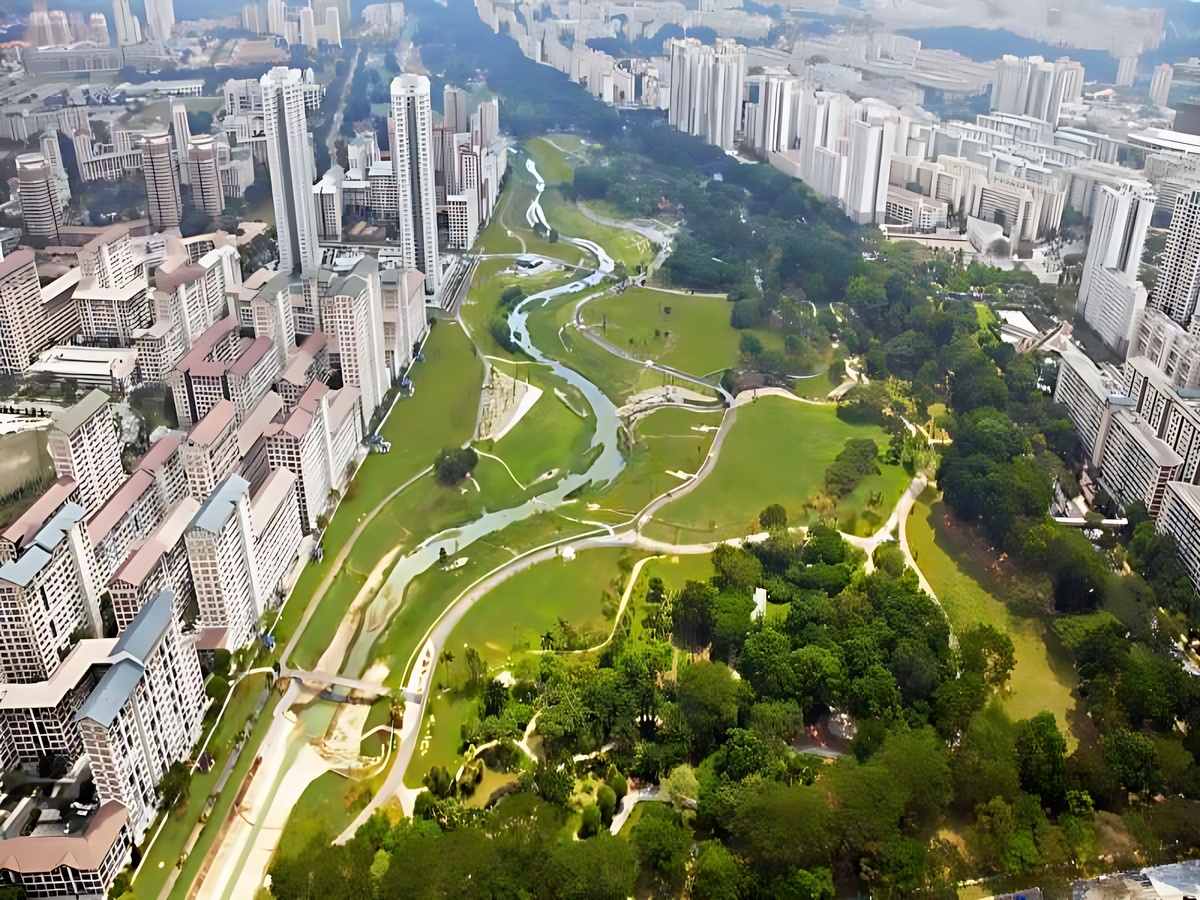
Climate-regulating parks help lower temperatures and improve the urban air environment. (Source: Compiled)
In addition, climate-regulating parks also help improve urban ecosystems by maintaining biodiversity and creating habitats for many species. Green spaces act as the lungs of the city, helping to balance the natural environment in the context of rapid urbanization. Increasing park areas is also one of the sustainable development goals set in many localities.
1.3. Trend of choosing real estate near green spaces
In recent years, the trend of choosing real estate near parks offering a refreshing environment has become increasingly apparent, especially in large urban areas like Hanoi and Ho Chi Minh City. Homebuyers are shifting from crowded central areas to urban developments with green spaces to improve their quality of life. This reflects a change in demand, where environmental factors are placed on par with amenities and location.
The development of eco-urban areas integrated with regulating parks also contributes to this trend. Current projects often allocate significant land for greenery and water bodies, creating a more balanced living environment. This is considered one of the important factors influencing the investment and settlement decisions of modern urban dwellers.
2. Benefits of living near regulating parks for health and spirit
2.1. Improving air quality and reducing urban pollution
Climate-controlled park spaces help improve air quality through dense greenery and large bodies of water. Greenery can absorb CO2, fine dust, and other pollutants, thereby purifying the air around residential areas. This is one of the important factors that create the benefits of living near a climate-controlled park in the context of increasing urban pollution.
The water surfaces in the park also contribute to regulating humidity and reducing air temperature, making the living environment more pleasant. The combination of greenery and lakes creates a small ecosystem, supporting the reduction of the urban heat island effect. This is particularly meaningful in areas with high construction density and a lack of green space.
2.2. Enhance physical health through outdoor activities
Living near a park facilitates physical activities such as walking, jogging, and exercising. These spaces are often designed with walking paths, exercise areas, and playgrounds, meeting residents' daily movement needs. Maintaining regular physical activity helps improve cardiovascular health and reduces the risk of chronic diseases.

Living near a park helps maintain an active lifestyle and improves health. (Source: Collected)
Furthermore, the fresh environment at the park enhances the effectiveness of outdoor activities. People can take advantage of this space to maintain a healthy lifestyle without having to travel far. This is also part of the benefits of living near a green park when considering long-term physical health.
2.3. Mental balance, stress reduction, and improved quality of life
Green spaces have a positive impact on the mind, helping to reduce stress and improve emotional states. Exposure to nature, greenery, and water bodies helps people relax and restore energy after work. This is an important factor in improving the quality of life in urban areas.
Many studies show that residents living near parks have higher life satisfaction compared to areas lacking green space. A quiet and airy environment facilitates relaxation activities such as reading, meditation, or community interaction. This contributes to reinforcing the value of the benefits of living near a regulating park in modern life.
2.4. Positive impact on children and the elderly
The air-conditioned park provides a safe and suitable environment for children to play and develop physically. The spacious area allows children to have opportunities for physical activity, explore nature, and develop social skills. This is an important factor in building a healthy living environment for families.
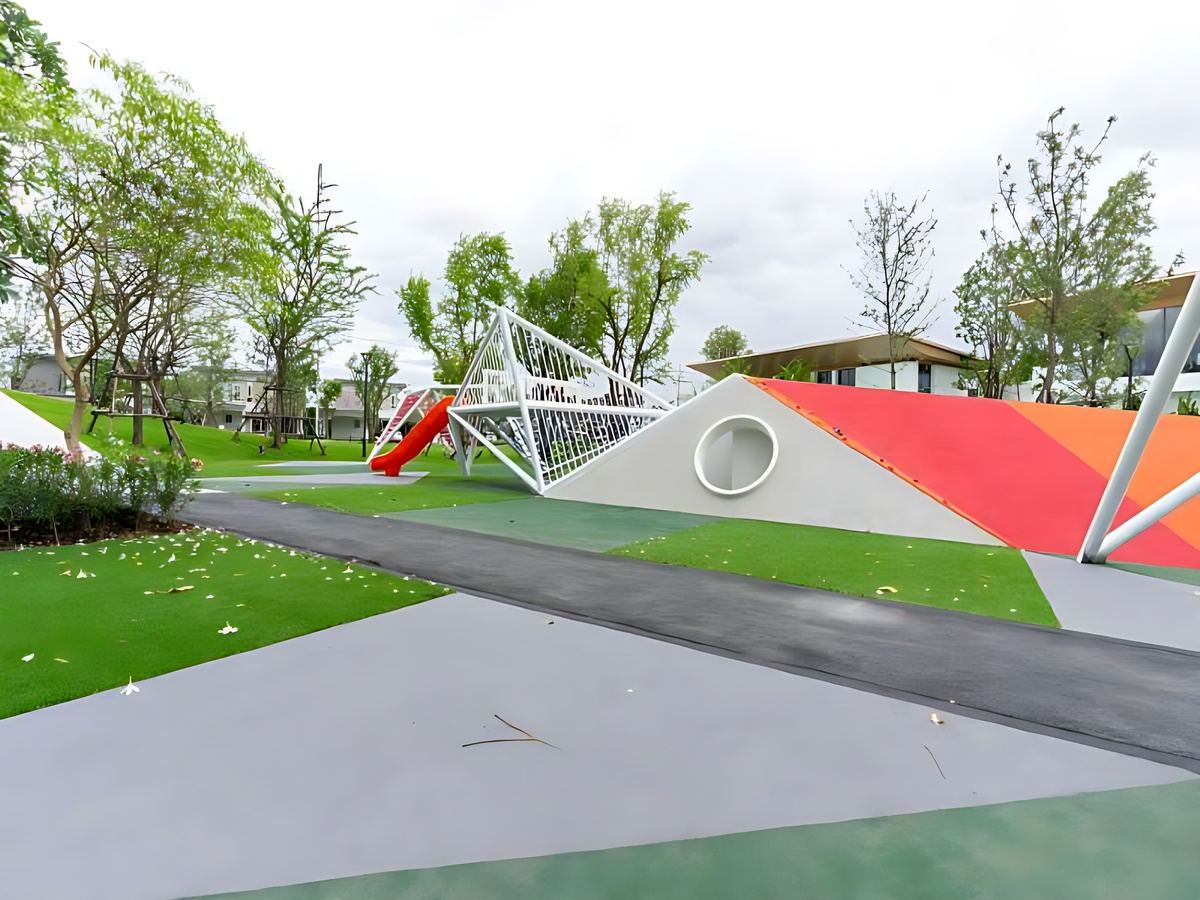
Climate-regulating parks help young children develop and improve the health of the elderly. (Source: Collected)
For the elderly, parks are ideal places for walking, light exercise, and community interaction. A fresh environment helps improve health and reduce the risk of age-related diseases. The presence of green space contributes to creating a harmonious living environment for many different groups of people.
3. Benefits of living near a climate-regulating park from a real estate perspective
3.1. Increasing real estate value over time
Real estate near green parks tends to increase in value over time due to high demand and limited supply. Projects with green spaces are often valued higher by 5% to 20% compared to equivalent areas but lacking ecological amenities. This reflects the market's growing interest in living environments.
Furthermore, landscape and environmental factors also contribute to maintaining asset value in the long term. Areas with green parks are often less affected by market fluctuations than other areas. This is one of the important advantages of the benefits of living near green parks in real estate investment.
3.2. High Liquidity, Easy to Buy, Sell, and Rent
Real estate products near a park typically have high liquidity due to genuine demand from residents and investors. A quality living environment enhances rental potential and reduces transaction times. This is particularly important in the context of a volatile real estate market.
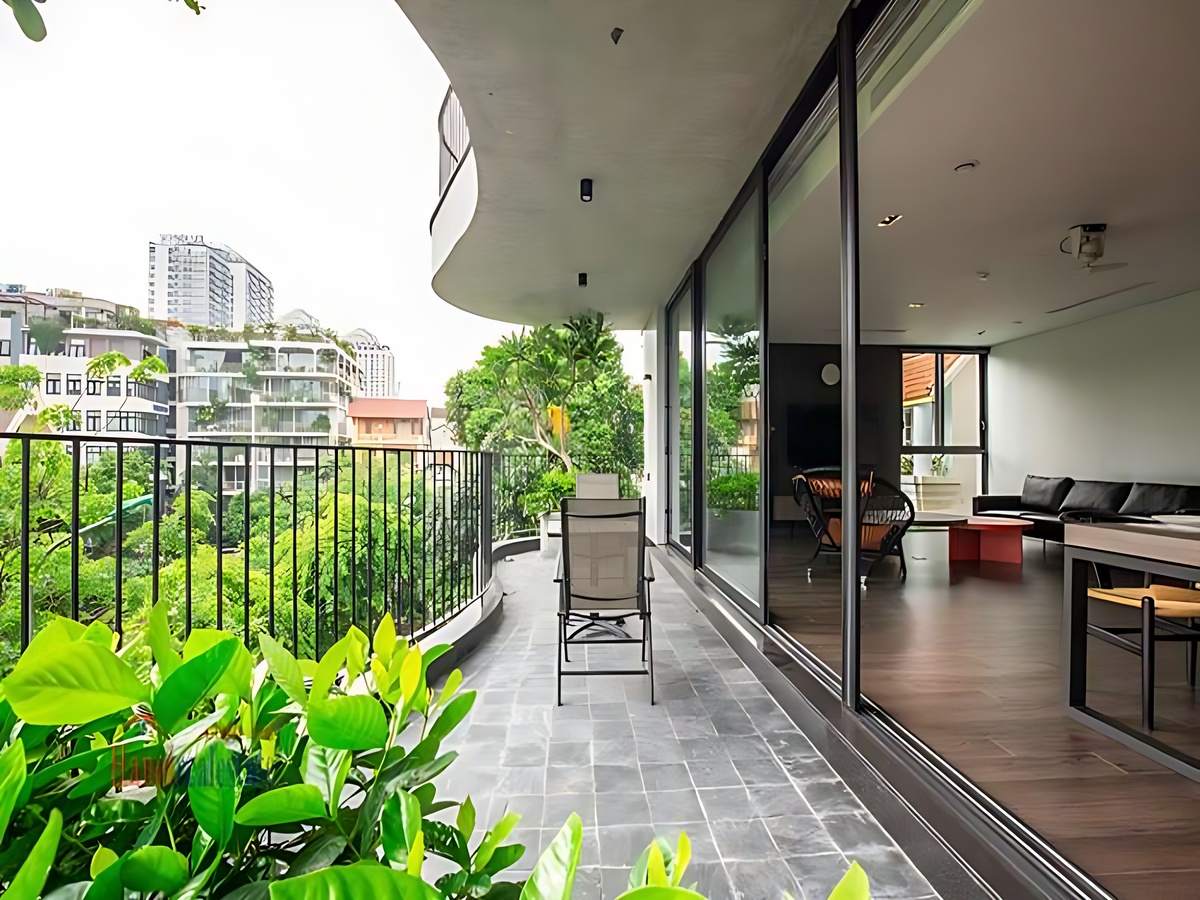
Real estate near parks has high liquidity thanks to green spaces. (Source: Collected)
The demand for housing near parks is increasing, especially from young families and people with stable incomes. This creates a competitive advantage for projects with green planning. Stable liquidity is one of the factors that helps the real estate market develop sustainably.
3.3. Attracting a civilized and modern resident community
The area near the regulating park often attracts residents who tend to care about quality of life. This contributes to forming a civilized, modern, and highly connected living environment. Community activities in the park also help strengthen the bond between residents.
The presence of green space also creates conditions for outdoor cultural and recreational activities. This is an important factor in improving quality of life and building a sustainable community. Urban areas with regulating parks are often highly rated for their overall living environment.
3.4. Planning factors related to urban green space
The development of climate-controlled parks is currently regulated by the Urban and Rural Planning Law 2024 and the Environmental Protection Law 2020, requiring strict maintenance of green space ratios in detailed planning projects. According to the latest national technical regulations on construction planning, urban areas must allocate a minimum land fund for green spaces and water bodies to adapt to climate change.
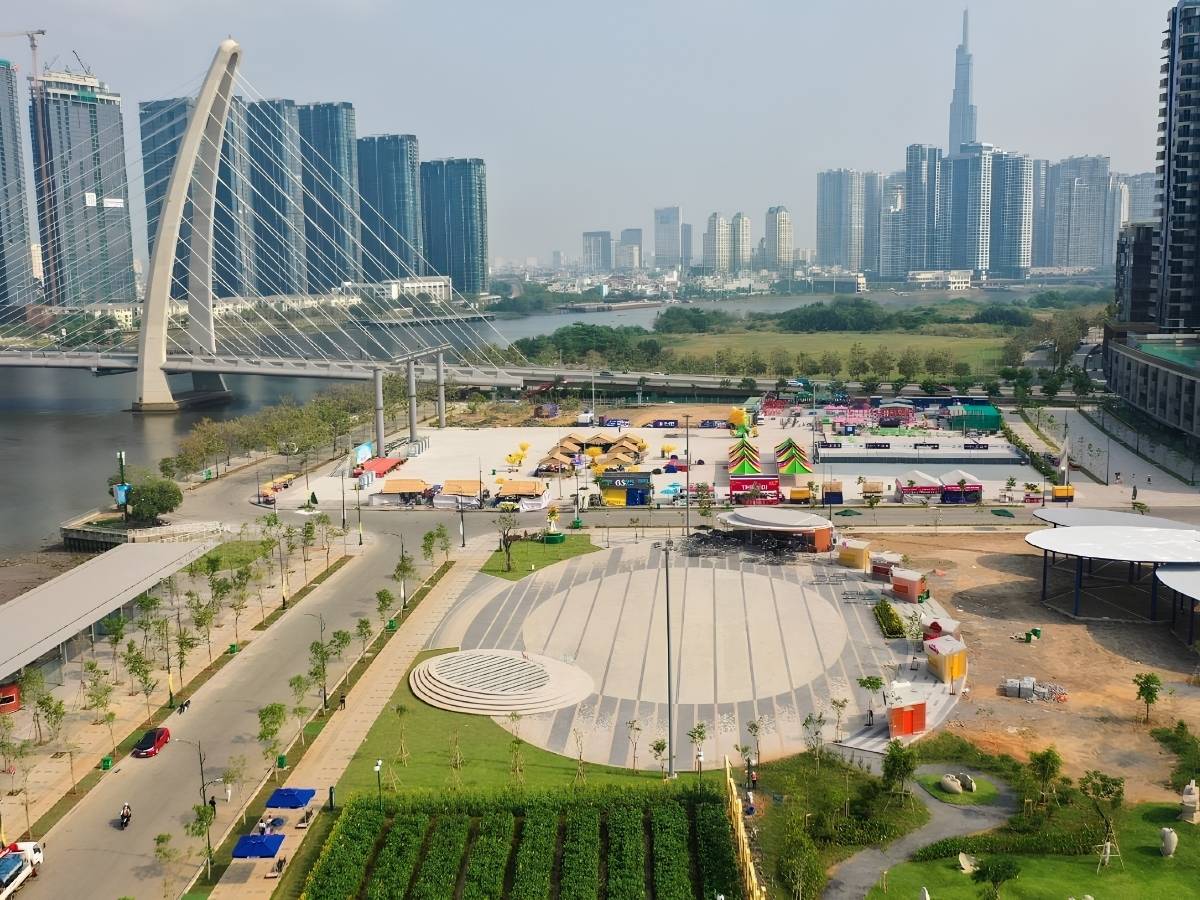
Legal regulations on green space ratio are a solid guarantee for long-term real estate value. (Source: Collected)
The protection of park and regulating lake boundaries is strictly monitored, prohibiting any planning adjustment actions that reduce public areas for business interests. These legal regulations not only protect the "green lungs" but also serve as a solid guarantee for long-term real estate value in the surrounding area.
4. Experience in choosing real estate near suitable regulating parks
4.1. Assessing the actual distance to the park
The distance from the property to the recreational park needs to be carefully considered to ensure convenience in daily life. A reasonable distance is usually within a few hundred meters, allowing residents easy access without being negatively affected by noise or overcrowding. Furthermore, a practical survey of the travel route also helps to accurately assess the value of the location.
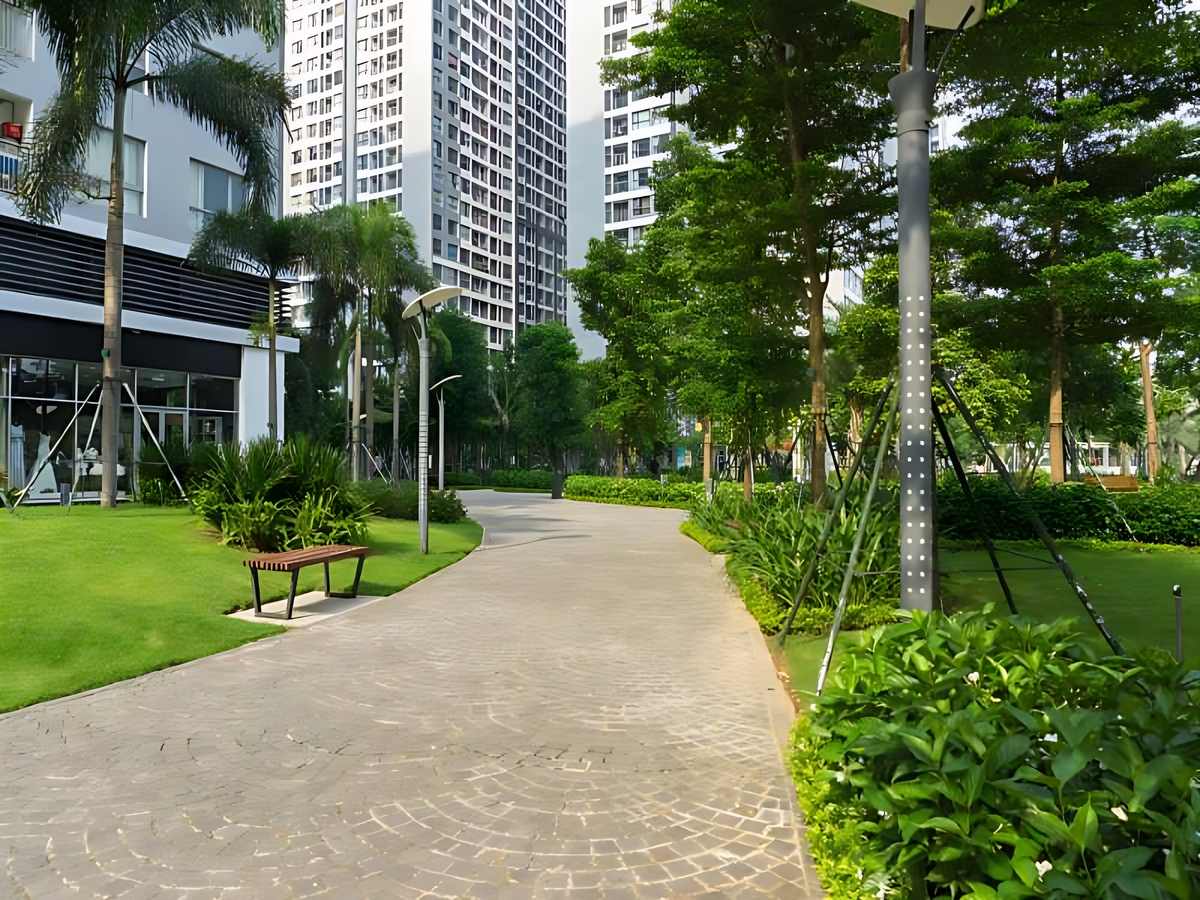
Proximity to the park brings convenience but requires ensuring privacy and quietness. (Source: Collected)
4.2. Check planning to avoid risks of land use changes
Checking planning information plays an important role in limiting risks related to future changes in land use purposes. Some areas planned as parks but not yet developed may be adjusted, affecting real estate values. Buyers need to cross-reference information from local management agencies to ensure legal compliance and long-term stability.
4.3. Prioritizing projects integrating synchronized green amenities
Projects integrating green amenity systems such as internal parks, balancing lakes, and walking paths often bring a more harmonious living environment. Synchronized green spaces enhance living experiences and improve air quality. This is also a factor that increases real estate value over time, while meeting the urban residents' need to live close to nature.
4.4. Outstanding urban areas integrating balancing parks
Many urban areas today are planned with a central regulating park, combining large green spaces and water bodies to create a balanced living environment. These projects are often located in suburban areas, where land is abundant and integrated infrastructure is easy to develop. This trend reflects the direction of green urban development, aiming for a sustainable living environment and suitable for practical needs.
The benefits of living near a regulating park is not just a choice of residence but also an investment in long-term health and sustainable asset value. As the trend of green urban development continues to grow, real estate associated with ecological spaces will continue to assert strong appeal in the market.