


Children's amenities in urban areas enhance family life.
In the trend of choosing modern residences, children's amenities in urban areas are becoming a key factor for many young families. Not just simply playgrounds, this amenity system also contributes to nurturing children's physical, intellectual, and emotional development right within their daily living space.

▲Table of Contents
1. The role of child-friendly amenities in urban areas in modern life
1.1. Trends in choosing child-friendly urban areas
Criteria for choosing housing nowadays have changed significantly, especially in satellite areas. Buyers no longer prioritize proximity to the center but are shifting to evaluating living environment quality, internal amenities, and long-term development potential for their children. Integrated urban areas with full educational, entertainment, and living functions are becoming the new living standard. Increased income and awareness of early education have made the demand for children's amenities a decisive factor, reflecting a clear shift towards the "people-centric urban area" model.
1.2. Impact on the comprehensive development of young children
Access to well-organized internal utility systems for children brings many clear physical and mental benefits. Play areas, parks, and creative spaces help children increase physical activity, improve health, and reduce screen time. According to the latest surveys, the demand for play combined with education in urban areas is increasing rapidly as parents are concerned about the balance between study and play.
Furthermore, a well-planned living environment also helps children develop social skills through interaction with peers in the same residential area. Community activities, skill classes, or experiential zones help children form independent thinking and communication skills. The integration of child-friendly amenities in urban areas also contributes to creating a comprehensive development ecosystem, in line with modern educational trends in Vietnam.
1.3. Added value for real estate thanks to child-focused amenities
Projects with comprehensive, synchronized children's amenities tend to have a significantly faster absorption rate than those lacking such features. As the market enters a transparent development cycle, buyers increasingly prioritize the real value and safety of products. Utility systems not only increase exploitation value but also help real estate maintain sustainable prices. This makes children's amenities in urban areas a crucial factor in enhancing the liquidity and long-term competitiveness of projects.
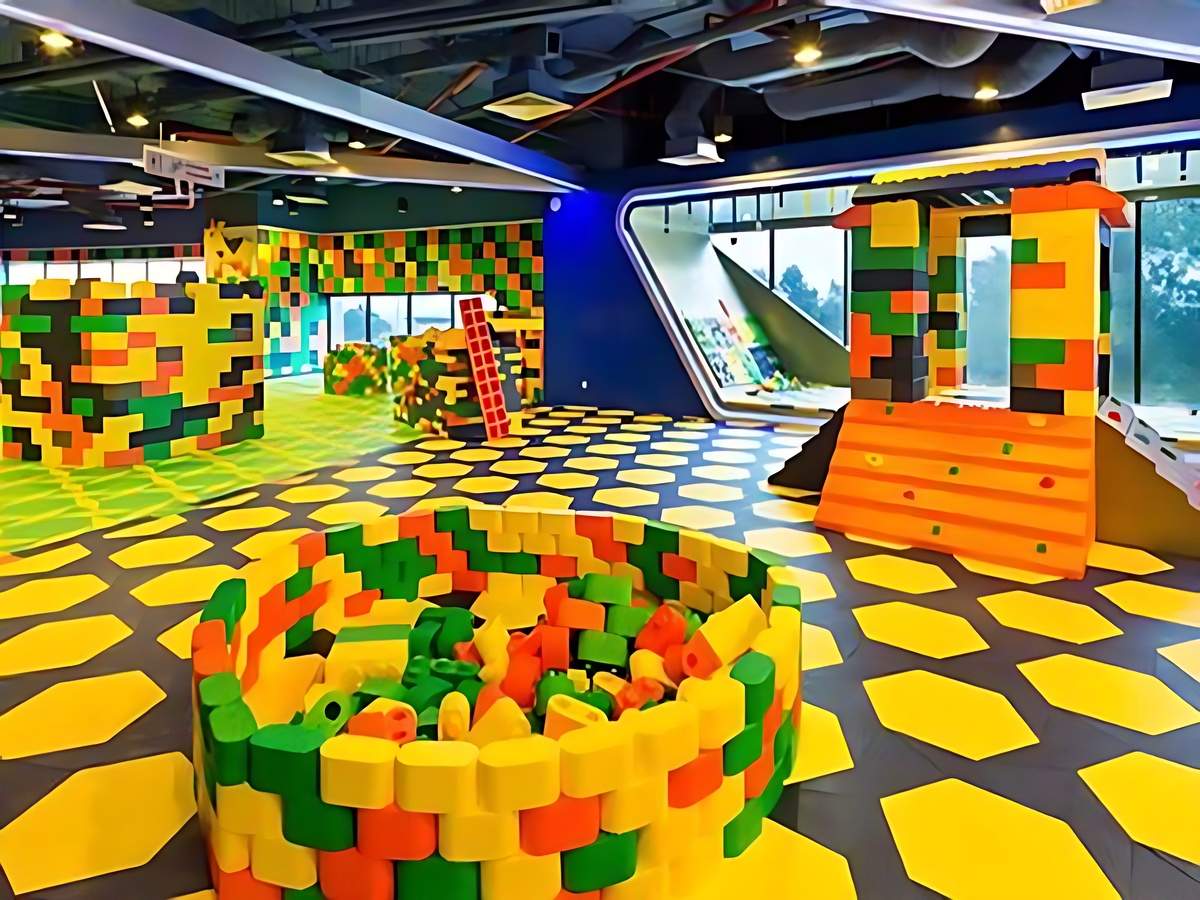
Synchronized children's amenities help increase project liquidity and competitiveness. (Source: Collected)
2. Popular types of children's amenities in urban areas today
2.1. Outdoor play areas in urban areas
Outdoor play areas are often designed in the form of integrated playgrounds, internal parks, or multi-functional activity areas. These facilities include slides, artificial climbing walls, grassy areas, and jogging paths, helping children develop physically in a natural way. Many current projects allocate from 20% to 40% of their area for green spaces and activity spaces to meet this demand.
Besides physical activity, outdoor playgrounds also provide opportunities for children to connect with nature and form healthy living habits. The arrangement of open spaces, combined with greenery and rest areas for parents, helps increase interaction among family members. This is also an important part of the ecosystem of amenities for children in modern urban areas.
2.2. Safe and convenient indoor play areas
Indoor playgrounds are becoming a popular choice in large cities due to their suitability for weather conditions and safety needs. Indoor models typically include soft play areas, creative rooms, intellectual game areas, and interactive spaces. This design allows children to play continuously without being affected by rain, sun, or environmental pollution.
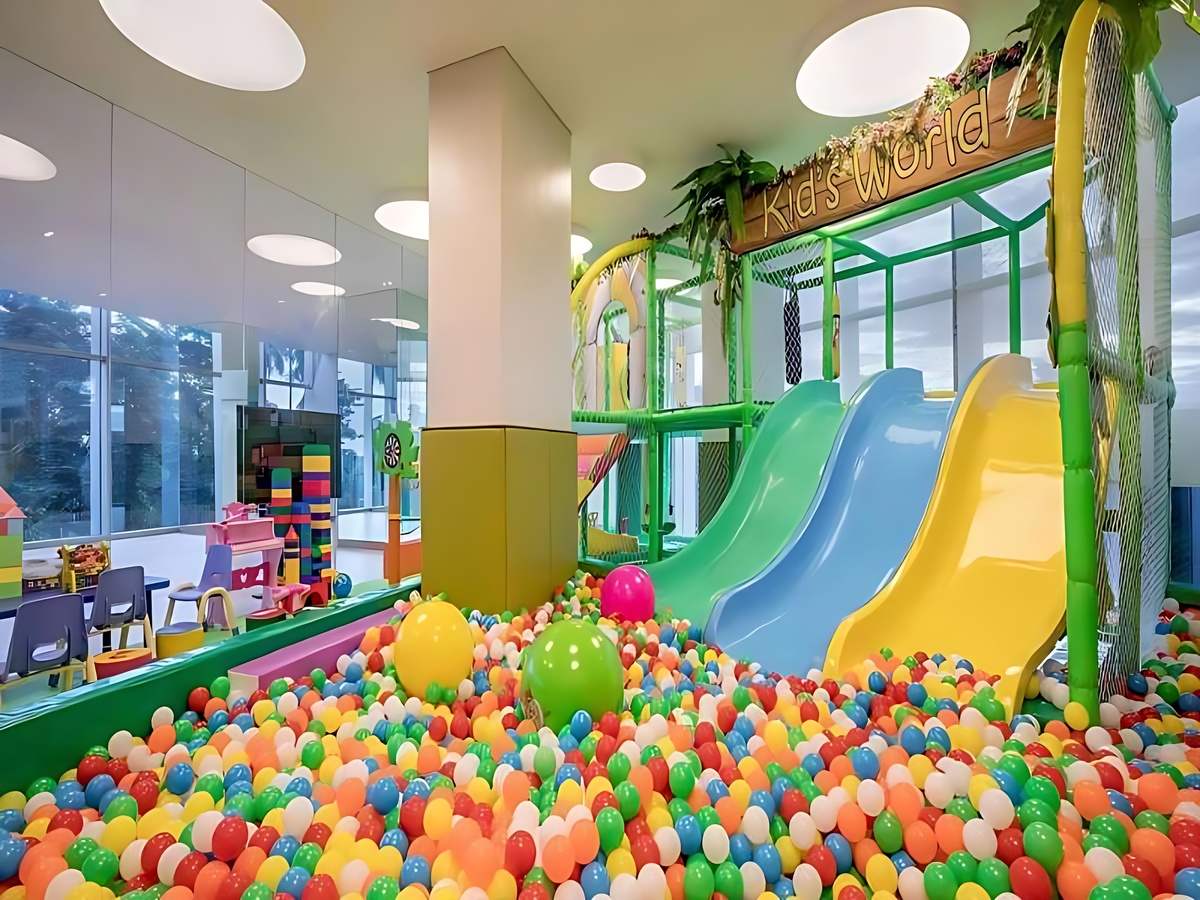
Indoor playgrounds ensure safety and are unaffected by weather. (Source: Collected)
In addition, indoor entertainment areas are invested with security control systems and safe materials, helping parents feel at ease when children participate. Many projects integrate this model right within the central utility complex, creating convenience in movement. This is a factor that helps enhance living experience and increase the value for integrated urban areas.
2.3. High-quality internal education system
Preschool and education center systems within urban developments play an important role in reducing travel pressure for parents. Many current projects integrate schools right within the internal area, helping children to study in a familiar and safe environment. This is especially suitable for large-scale urban developments in provinces bordering Ho Chi Minh City.
According to the provisions of the Housing Law 2023 No. 27/2023/QH15, large-scale urban areas must ensure synchronized social infrastructure, where the land fund for education is mandatory. The internal school system not only reduces travel pressure but also helps children study in a safe environment. The proper development of internal education contributes to improving resident quality and forming a civilized community, helping parents feel absolutely secure when choosing a long-term residence for their children.
2.4. Green space supports natural development for children
Green spaces, including parks, landscape lakes, and walking paths, play an important role in creating a balanced living environment. Studies show that children living in environments with abundant greenery tend to be less stressed and develop better emotionally. This is why many current projects prioritize high-density green space planning.
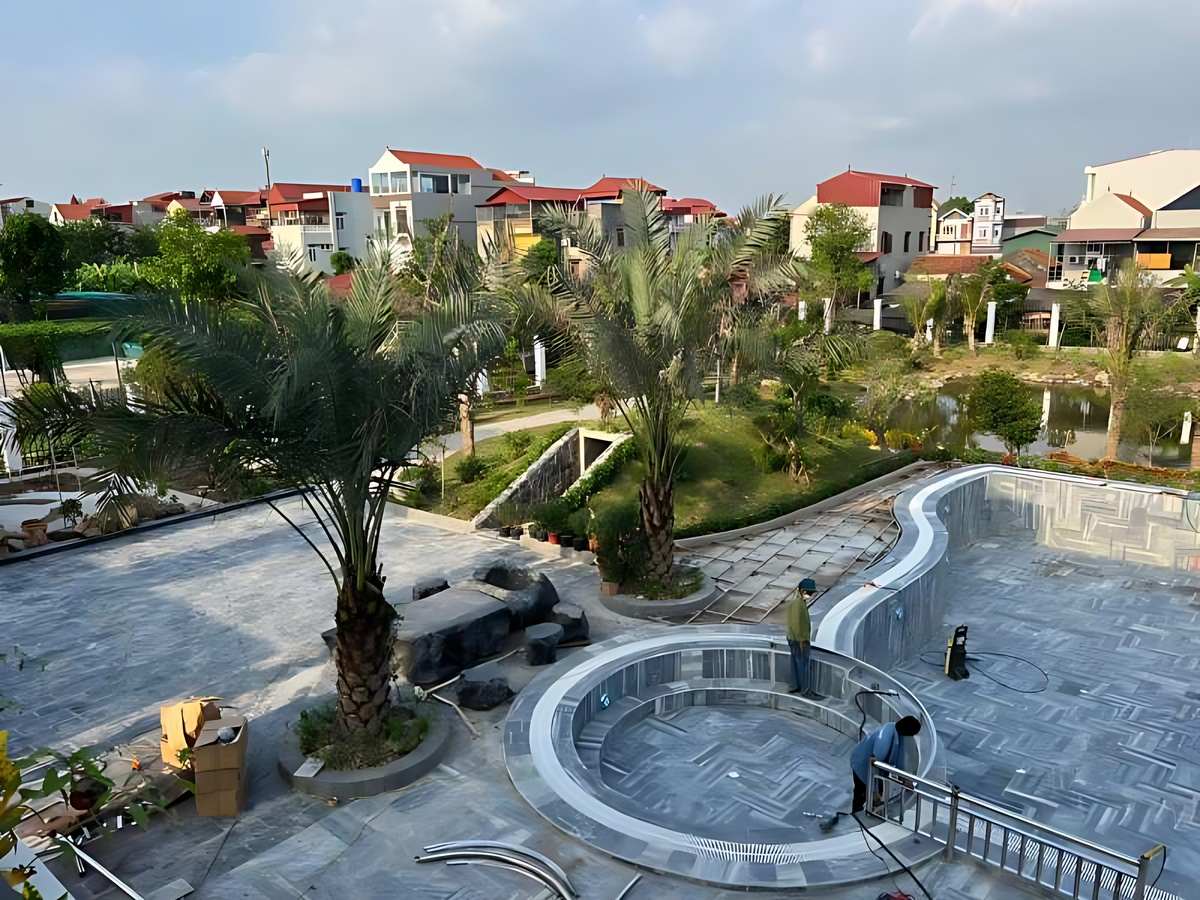
Green spaces help children balance their emotions and form exercise habits. (Source: Collected)
Besides, green spaces also help form exercise and outdoor living habits for children. Activities such as walking, cycling, or participating in community events help increase resident cohesion. This contributes to building a sustainable living environment that is in line with modern urban trends.
2.5. Technology and creative amenities for children
Technological amenities such as smart libraries, STEM zones, and creative learning rooms are being increasingly integrated into new urban areas. These spaces help children access technology early and develop logical, creative thinking. This is a trend that aligns with the educational orientation in the digital age.
Furthermore, the application of technology in learning spaces also helps improve educational effectiveness and creates novel experiences for children. These models are often combined with skill training programs, helping children develop comprehensively. This is an important part of the modern amenity ecosystem in large urban areas.
3. Evaluation Criteria for Children's Amenities in a Livable Urban Area
3.1. Safety Level in Design and Operation
Safety is a core factor according to current construction standards, including friendly standard-compliant materials, safe rounded corner designs, and modern monitoring systems. According to the latest standards for fire prevention and building safety, play areas must be located separately from motorized traffic flows and have clear emergency exits. Furthermore, a professional operating team helps maintain a stable environment, minimizing risks during children's play and interaction.
3.2. Diversity and Age-Appropriateness
Facilities should be divided by age group to meet the different developmental needs of children, from basic motor skills to creativity and learning. Diversity in activity types helps children maintain interest and explore many new skills. Flexible design also creates opportunities for families to choose spaces suitable for each developmental stage.
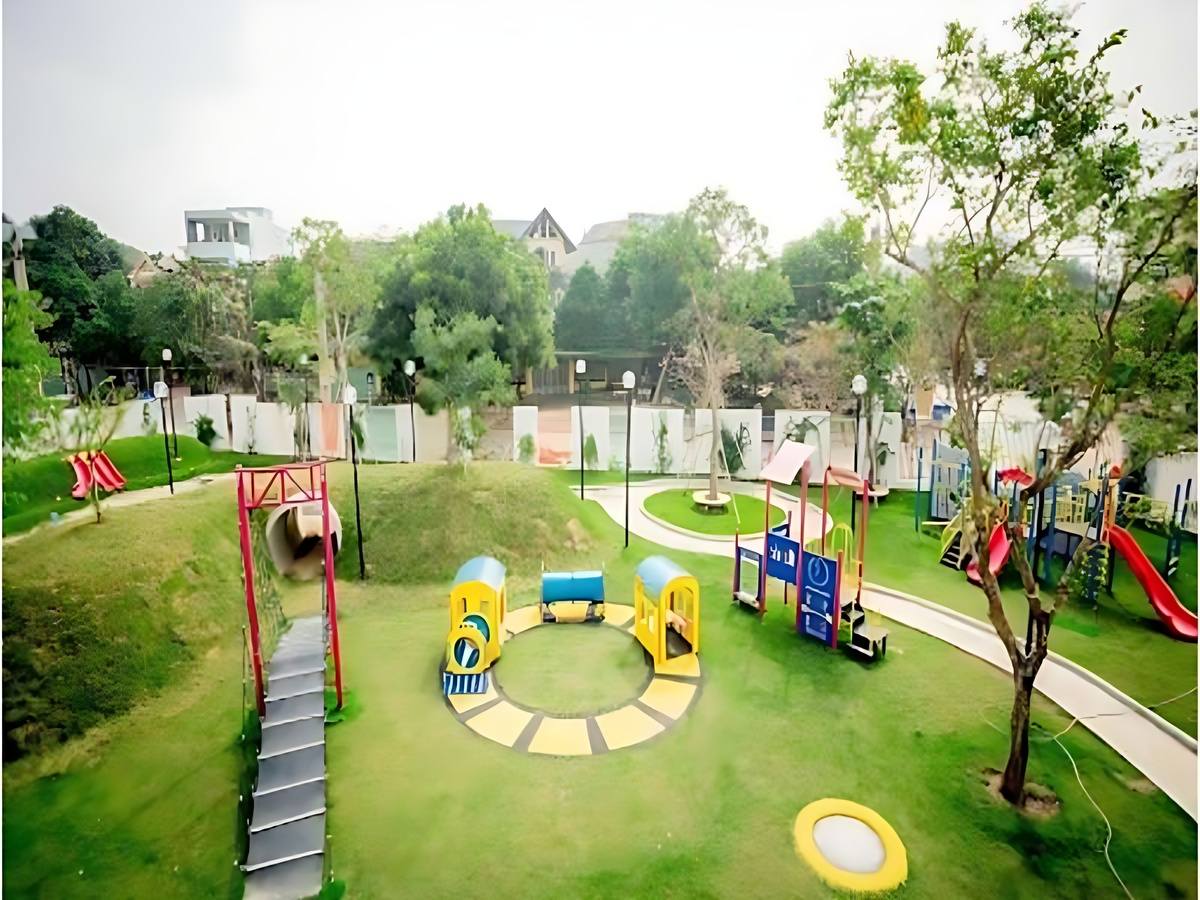
Amenities are divided by age group to meet the developmental needs of young children. (Source: Compiled)
3.3. Density of amenity distribution within the entire urban area
The density of facility distribution directly affects residents' accessibility and experience, especially for young children. Modern urban areas usually ensure short travel distances, under 500m from residence to play areas. This helps increase convenience, reduce reliance on vehicles, and create conditions for children to form active living habits.
3.4. Connectivity between children's facilities and the resident community
Children's amenities also play a role in connecting the community through common activities such as events, skill classes, and outdoor activities. These interactions help children develop social skills and build friendships. At the same time, the resident community is strengthened, forming a stable and long-term cohesive living environment.
4. Trends in the development of amenities for children in future urban areas
4.1. Integrating experiential education into living spaces
The trend of integrating experiential education is being applied in many urban areas, helping children learn through practical activities right where they live. Learning and playing spaces are flexibly combined to create a natural development environment. This contributes to reducing travel pressure and is suitable for modern educational orientations.
4.2. Personalizing experiences for each group of children
Future amenities aim to personalize the experience, meeting the specific interests and abilities of each child. Flexible space design allows for a variety of activity choices, from physical to intellectual. This trend helps improve developmental effectiveness and create engagement during participation.
4.3. Application of technology in facility management and operation
Technology applied in facility management helps enhance safety and convenience for residents. Smart monitoring systems, mobile applications, and tracking devices support parents in managing children's activities. At the same time, technology also helps optimize operations and improve the quality of experience.
4.4. Role of major real estate developers in raising amenity standards
Major real estate developers are shaping new standards for children's amenities through large-scale and synchronized projects. Investment in educational, recreational, and technological spaces helps improve living quality. This contributes to creating a sustainable development trend and meeting the increasing market demand.
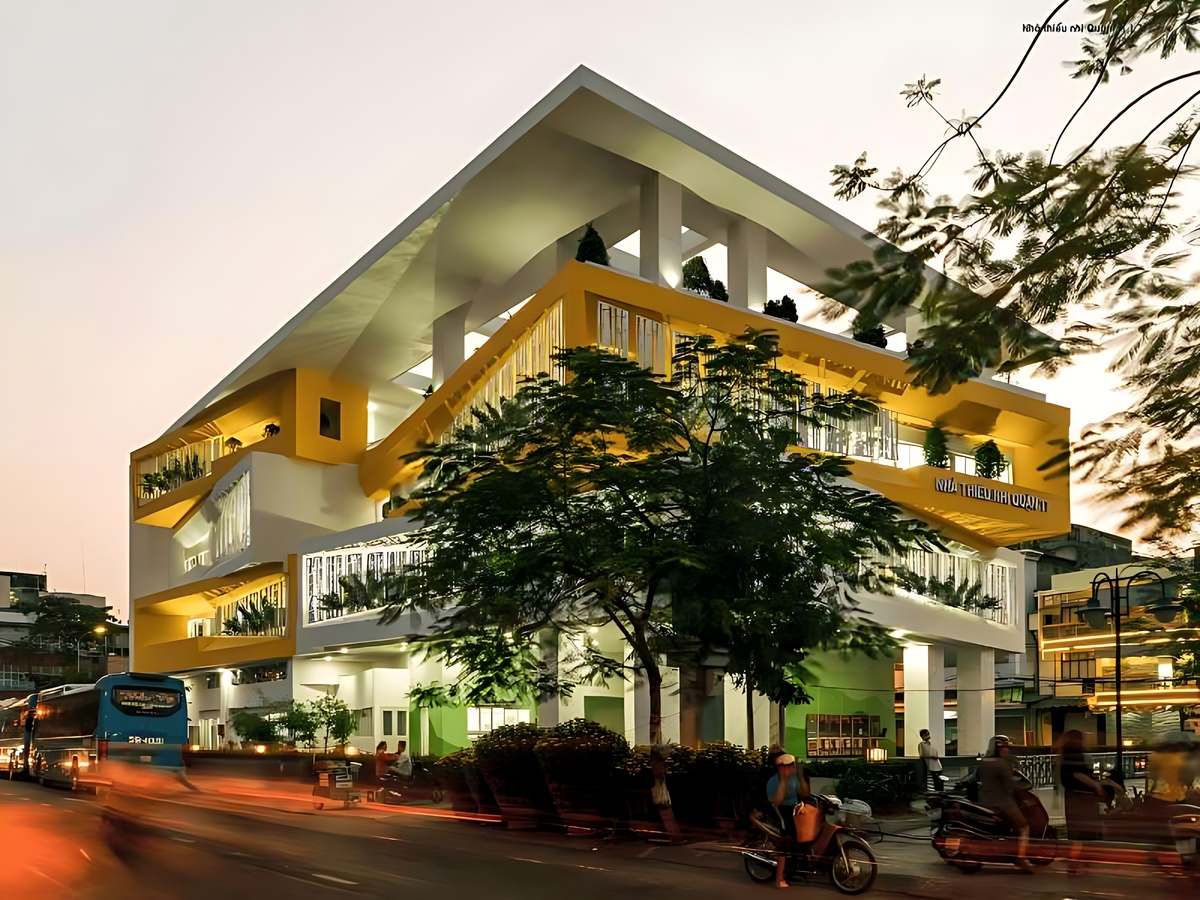
Investing in modern children's amenities creates a sustainable development trend. (Source: Collected)
Investing in children's amenities in urban areas is not just a choice of residence but also a long-term decision for the future of children. A safe, experience-rich living environment will help children develop comprehensively, while also bringing peace of mind to parents and sustainable value to real estate.