


Co-living model for young people and the modern lifestyle trend
The Co-living model for young people is becoming a popular living trend in large urban areas thanks to reasonable costs, full amenities, and community connection capabilities. This is also a real estate model evaluated as having great potential in the future.

▲Table of Contents
1. Overview of the Co-living Model
The Co-living Model for Young People is a form of shared living in a modernly designed space, where each person still has a private area but simultaneously shares common amenities and living spaces such as a living room, kitchen, workspace, or entertainment area. This is considered a new housing trend that has become popular in major cities, especially suitable for young people who love connection and flexibility in life.
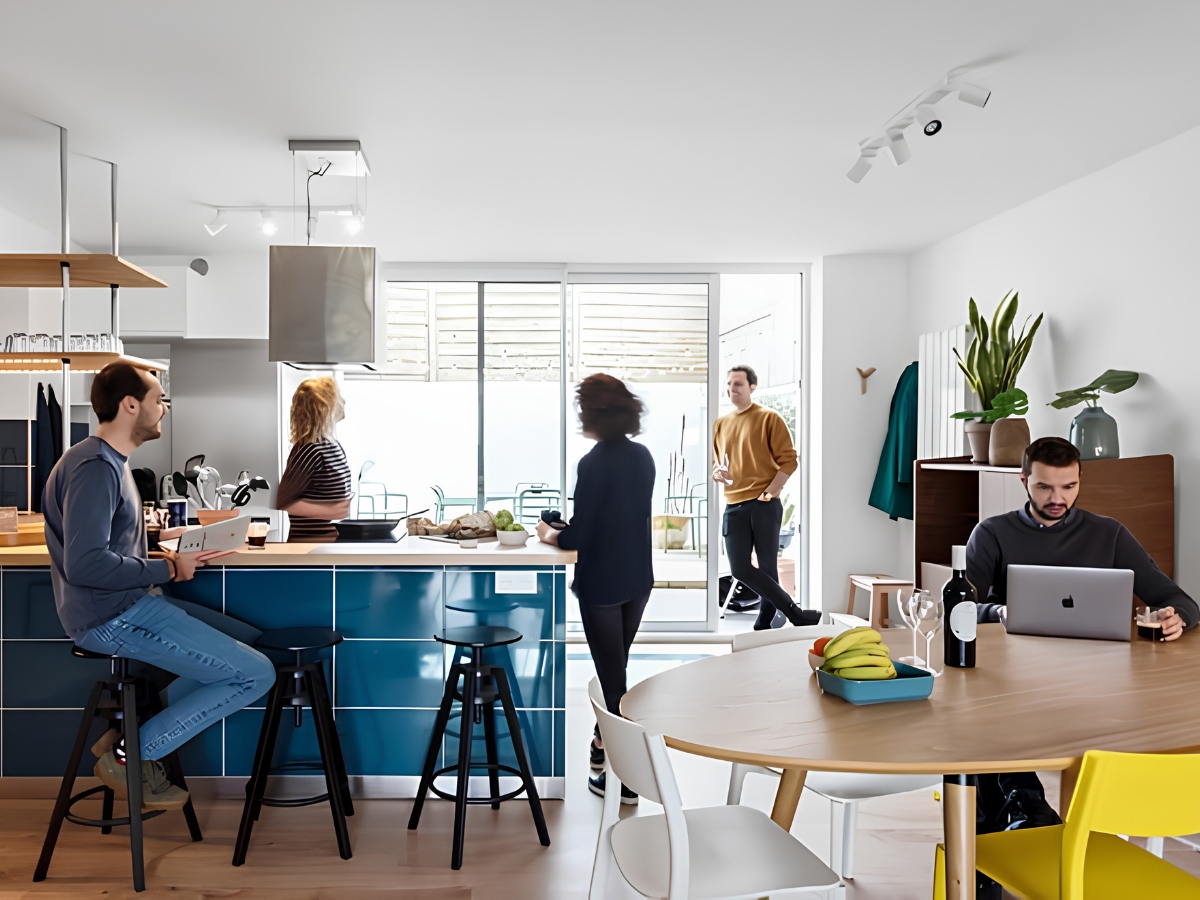
The Co-living model is a form of many people living together and sharing amenities in a common space. (Source: Compiled)
Unlike traditional rental forms, Co-living is usually equipped with synchronized furniture, amenities, and management services. Residents not only rent a place to live but also experience a modern, comfortable, and highly communal living environment. This is also a model that many young people are interested in amidst rising urban housing costs.
2. Why is Co-living favored by young people?
In recent years, the Co-living model for young people is increasingly gaining attention in large urban areas, thanks to its ability to meet modern and flexible living needs. More than just a place to live, Co-living also offers a convenient living environment, highly connected, and suitable for the financial capabilities of many young people today. This is also seen as a new housing trend reflecting the changes in the lifestyle of the young generation in the city.
2.1. Rental costs suitable for young people
One of the biggest reasons why young people choose Co-living is the ability to optimize housing rental costs. Instead of paying the full cost for a private apartment, residents can share rent, electricity, water, and many other living expenses with others living in the shared space. This significantly reduces financial pressure but still ensures a comfortable living environment.
For many young people who are new to work or living in big cities, rent costs often account for a large portion of monthly income. Therefore, the Co-living model for young people becomes a suitable solution as it helps save costs while providing access to modern living spaces in convenient areas for commuting and working.
2.2. Modern and comfortable living space
Unlike many traditional rental forms, Co-living is often equipped with synchronized furniture and amenities to enhance the resident experience. Common spaces such as living rooms, kitchens, workspaces, or community areas are all designed to be modern, optimized for functionality, and suitable for the current lifestyle of young people.
Besides aesthetic factors, many Co-living models also integrate services such as internet, cleaning, laundry, or shared workspaces to help residents save time in daily life. This is also one of the factors that make the Co-living model for young people increasingly popular in large urban areas, where young people prioritize convenience and flexibility in life.

The Co-living model is synchronously invested in furniture and amenities to enhance the living experience. (Source: Collected)
2.3. Increase community connection
More than just a place to live, Co-living also creates an environment that helps young people easily connect and expand their relationships. Living together in a common space allows everyone to interact, share hobbies, and support each other in daily life. This is a major difference that makes this model attractive to many young people living and working away from home.
Furthermore, the community environment in Co-living is also suitable for those who love dynamism and want to expand personal or professional relationships. Many Co-living spaces nowadays also organize common living activities to increase connection among members. This community factor has contributed to helping the Co-living model for young people become a living trend that many people have been interested in recently.
3. Limitations of the Co-living model
Besides many advantages in terms of cost and connectivity, the Co-living model for young people still has certain limitations during use. Due to the characteristic of sharing common living spaces, this model will be more suitable for those who love openness and flexibility than for those who need absolute privacy. Therefore, before choosing Co-living, residents need to carefully consider their own needs and lifestyle.
3.1. Privacy limitations
One of the noticeable limitations of Co-living is that private spaces are often not very large due to many shared living areas. Residents may have to share kitchens, living rooms, workspaces, or living amenities with other residents in the same living space. This can sometimes cause inconvenience for people accustomed to independent living or who need absolute quiet.
Additionally, living in close proximity with many people can also affect rest time and personal habits if there is a lack of mutual respect. This is why the Co-living model for young people is often more suitable for people with open personalities, who enjoy a community environment, and are willing to adapt to shared living spaces.
3.2. Reliance on resident community awareness
Due to sharing many spaces and amenities, the quality of life in Co-living depends quite heavily on the awareness of the residents living together. If people do not maintain cleanliness, cause noise, or lack respect for common spaces, it is very easy for inconveniences to arise in daily life.
Besides that, maintaining a comfortable living environment also requires members to have mutual respect and comply with the general regulations of the accommodation. This is an important factor directly affecting the actual experience when choosing the Co-living model for young people . Therefore, many current operators also focus on building internal rules and managing the resident community to ensure a more stable living environment.

Living together in a large group can easily lead to conflicts. (Source: Collected)
3.3. Not suitable for all customer groups
Although it is becoming a popular trend, Co-living is not a model suitable for everyone. People who need high privacy, families with young children, or the elderly will often prefer independent housing types rather than living in an environment that shares common spaces.
Additionally, some people with different living habits or who need a quiet environment to work may also find it difficult to adapt to Co-living. Therefore, before choosing, tenants need to carefully consider their personal needs, lifestyle, and ability to adapt to a community environment to ensure a suitable and comfortable long-term living experience.
4. Development potential of Co-living in Vietnam
The changing living needs of young people are creating conditions for the Co-living model to develop more strongly in Vietnam, especially in large urban areas. As the number of young people living independently, working freelance, or frequently moving increases, the demand for flexible and cost-optimized living spaces also becomes more apparent. This is a customer segment suitable for the Co-living model due to prioritizing convenience, community connection, and financial balance.
In addition, the continuously increasing housing rental prices and living costs in big cities also cause many people to seek more affordable housing solutions. Co-living not only helps reduce financial pressure but also brings a modern living environment that suits the dynamic lifestyle of today's young people. This is considered a factor helping this model have much room for future development, especially in areas near the center, universities, or large office areas.
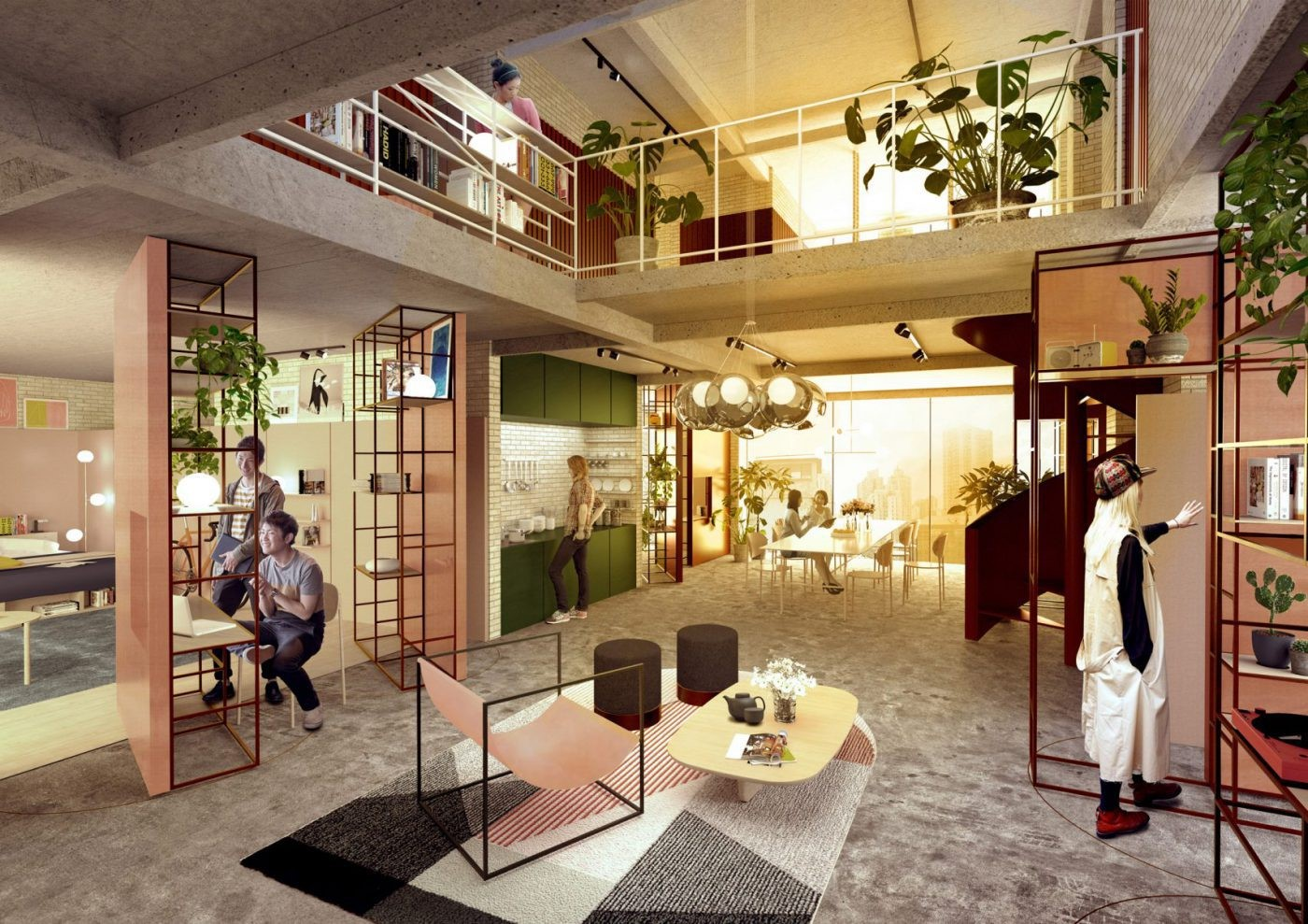
Co-living models are increasingly developing in Vietnam, especially in large cities. (Source: Collected)
5. Tips for choosing a suitable Co-living model
When choosing a Co-living model for young people, tenants should prioritize factors such as location, amenities, and community environment to ensure suitability for daily living needs. Spaces located near places of study, work, or convenient for commuting will often help save significant time and living costs. Additionally, tenants should thoroughly research the quality of furnishings, security levels, and accompanying amenities before making a decision.
Besides living space factors, the community environment is also very important when choosing Co-living. Because many common living areas must be shared, tenants should prioritize places with clear regulations, good management, and residents whose lifestyles suit their own. Learning in advance about additional costs, living rules, and how the space is operated will help the living process be more comfortable and stable in the long term.

Tenants need to establish clear regulations and have good management policies to ensure a community environment. (Source: Collected)
Evidently, the Co-living model for young people is gradually becoming a new living trend in modern urban areas thanks to its cost optimization capabilities, convenient spaces, and high community connectivity. With the changing living needs of young people, this model is expected to continue to develop strongly and become a suitable choice for many people in the future.