


Cost optimization experience for profitable wooden homestays
Experience building wooden homestays is not just about beautiful construction, but also involves costs, legalities, and efficient operation. If you are looking to invest in this type of resort model, this article will help you clearly understand each important step to optimize profits and minimize risks.

▲Table of Contents
1. Experience building wooden homestays in real estate investment
1.1. Current development trend of wooden homestay models
The trend of resort tourism in Vietnam is shifting significantly towards natural spaces, where tourists seek relaxation and local cultural experiences. According to recent surveys, the demand for family resort tourism and exploring new destinations has surged, with approximately 39% of Vietnamese tourists choosing to travel with relatives in 2025. This is driving the development of small, flexible accommodation models like homestays in mountainous areas, lakeside, and suburban regions.
Besides, natural landscape areas such as Lao Cai, Kon Tum, or Quang Ngai recorded a rapid increase in visitor numbers, with many homestays achieving high occupancy rates during the peak season. The wooden homestay model is suitable for this trend thanks to its ability to blend with the landscape and create an intimate experience, contributing to expanding opportunities for small-scale resort real estate investment.
1.2. Reasons why wooden homestays are popular in the accommodation business
Wooden homestays have flexible investment cost advantages compared to traditional concrete structures, especially in the initial exploitation phase. Many localities also have policies to support homestay development, up to about 100–150 million VND for each project or renovation item, helping to reduce financial pressure for investors. This creates conditions for individuals and households to participate in the accommodation market.
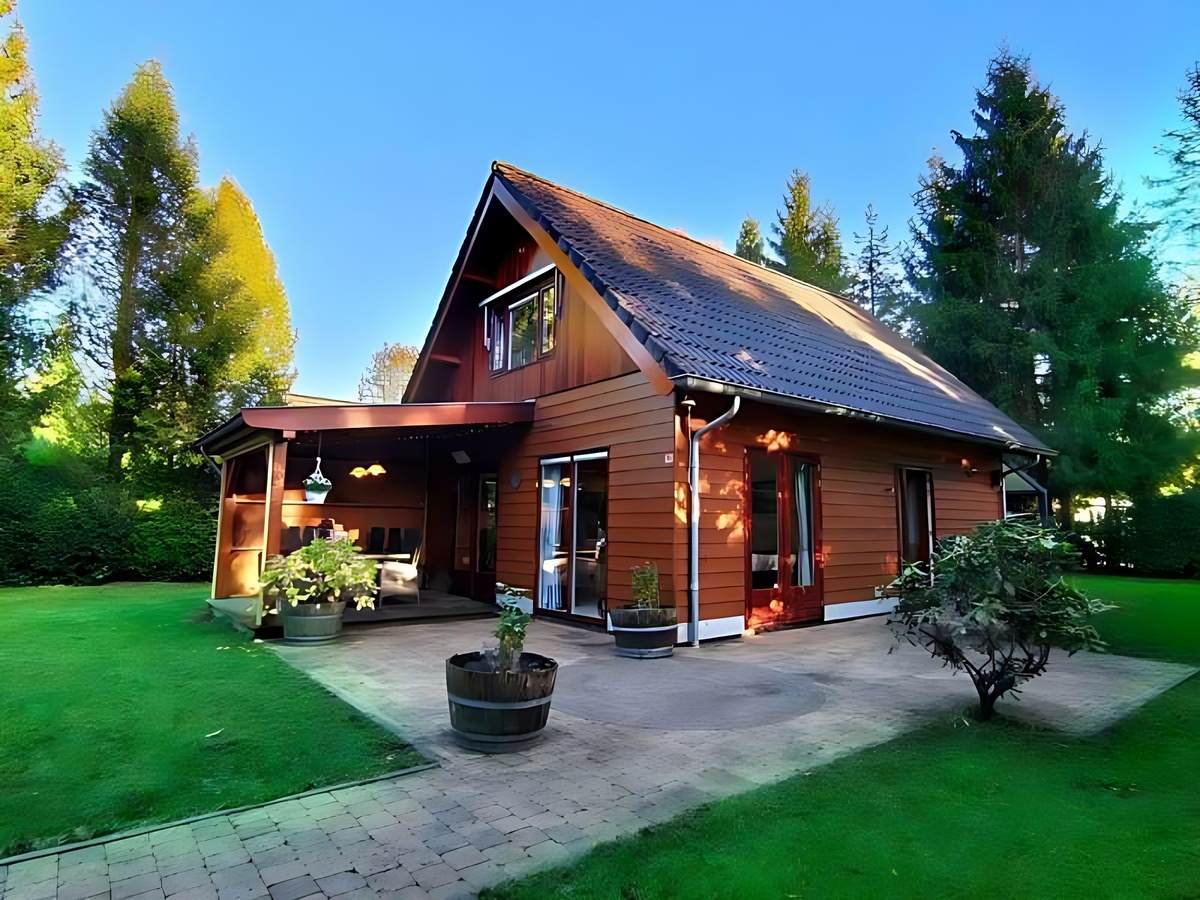
Cost advantages and policies to support the development of wooden homestays. (Source: Collected)
Furthermore, this model easily allows for the creation of unique concepts, aligning with the check-in trends and unique experiences sought by young travelers. The wooden space provides a cozy, intimate feeling and is often highly appreciated by international guests seeking local experiences, contributing to enhanced competitiveness in the accommodation business.
1.3. Popular wooden homestay models today
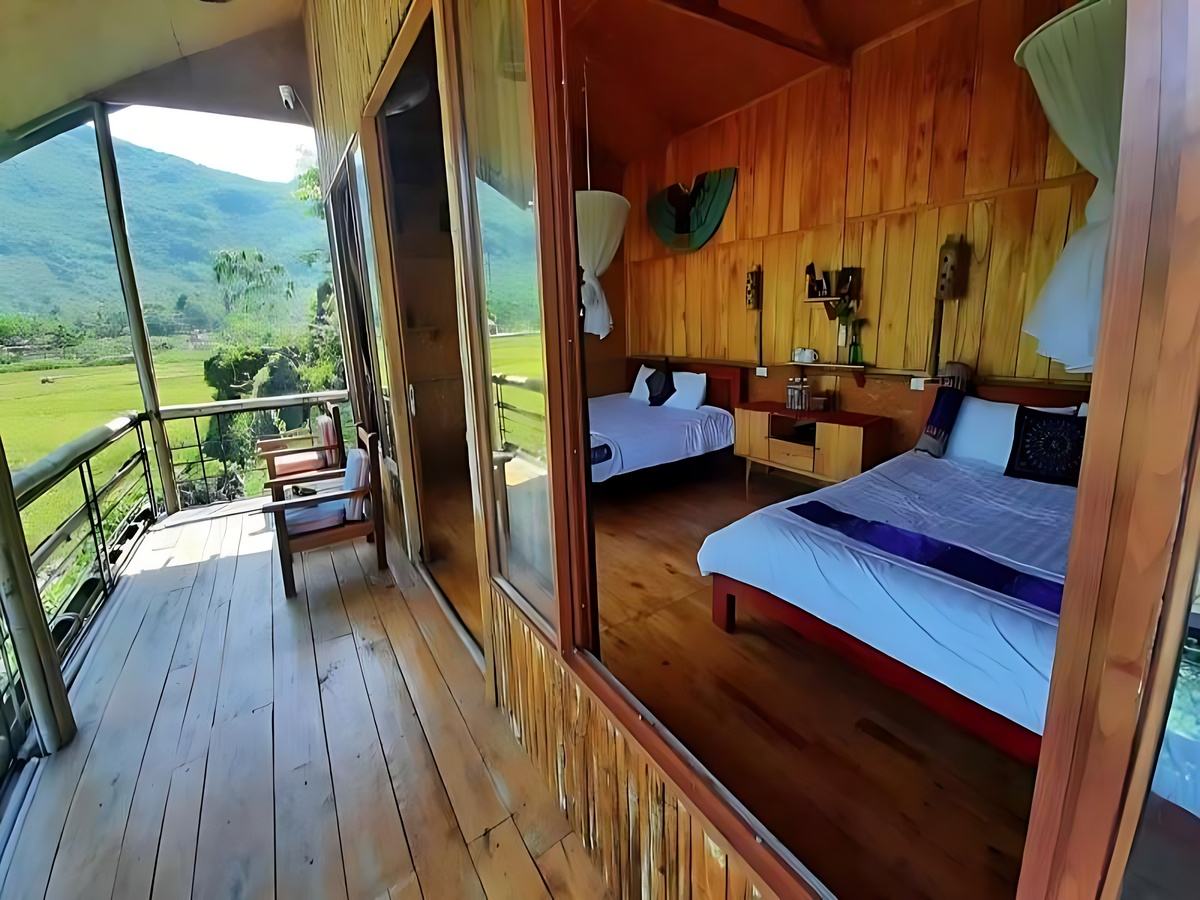
Currently, diverse wooden homestay models are being developed to meet market demand. Small wooden bungalows are often built in clusters, with an area of about 20–40 m² per unit, suitable for ecological resorts. Compact wooden cabins or entire wooden houses are suitable for family groups, and can be priced higher on weekends or during peak seasons.
In addition, the trend of combining containers and wooden materials is also being applied in many localities to optimize costs and construction time. These models are flexible in design, easy to assemble and disassemble, and suitable for land that is not long-term stable, contributing to diversifying choices in homestay wooden house construction experience.
2. Experience building wooden homestays from design to construction
2.1. Choosing a suitable location when building a wooden homestay
Location is the decisive factor for the long-term operational efficiency of a homestay, especially for wooden houses integrated with nature. Areas with mountain views, lakeside locations, or proximity to famous tourist attractions often have high occupancy rates, particularly during holidays. Localities with stable tourist growth, such as provinces in the Central and Central Highlands regions (Mien Trung and Tay Nguyen), demonstrate long-term operational potential.
Besides landscape factors, traffic and climate need to be considered to ensure stable operation. Areas easily accessible by car, not too far from the district center, will be more convenient for attracting customers. This is one of the important factors in homestay wooden house building experience to ensure stable room occupancy.
2.2. Experience in designing wooden homestays to optimize guest experience
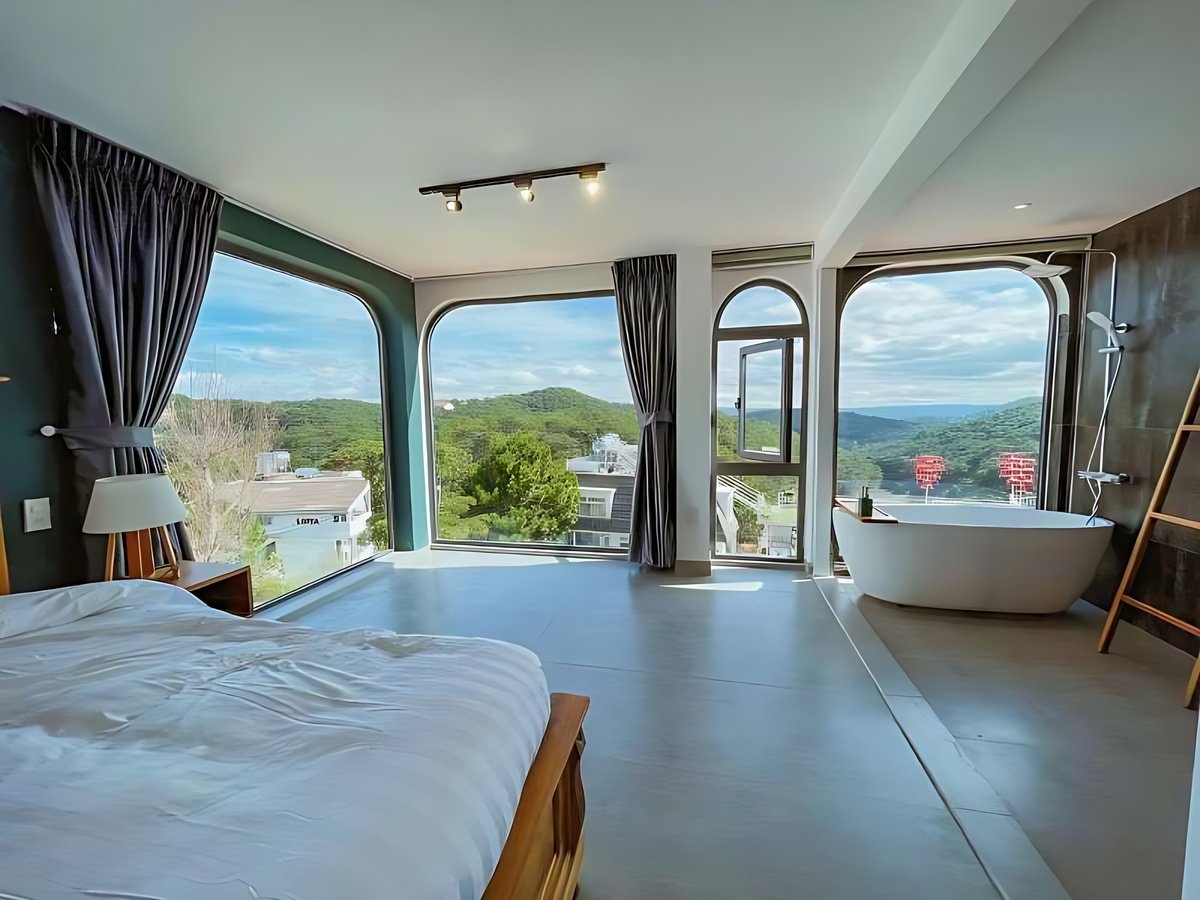
Wooden homestay design needs to focus on the resort experience, where natural light and open space play an important role. The use of large glass doors, balconies with views helps increase the perceived value for guests, while creating an advantage in promoting images on digital platforms.
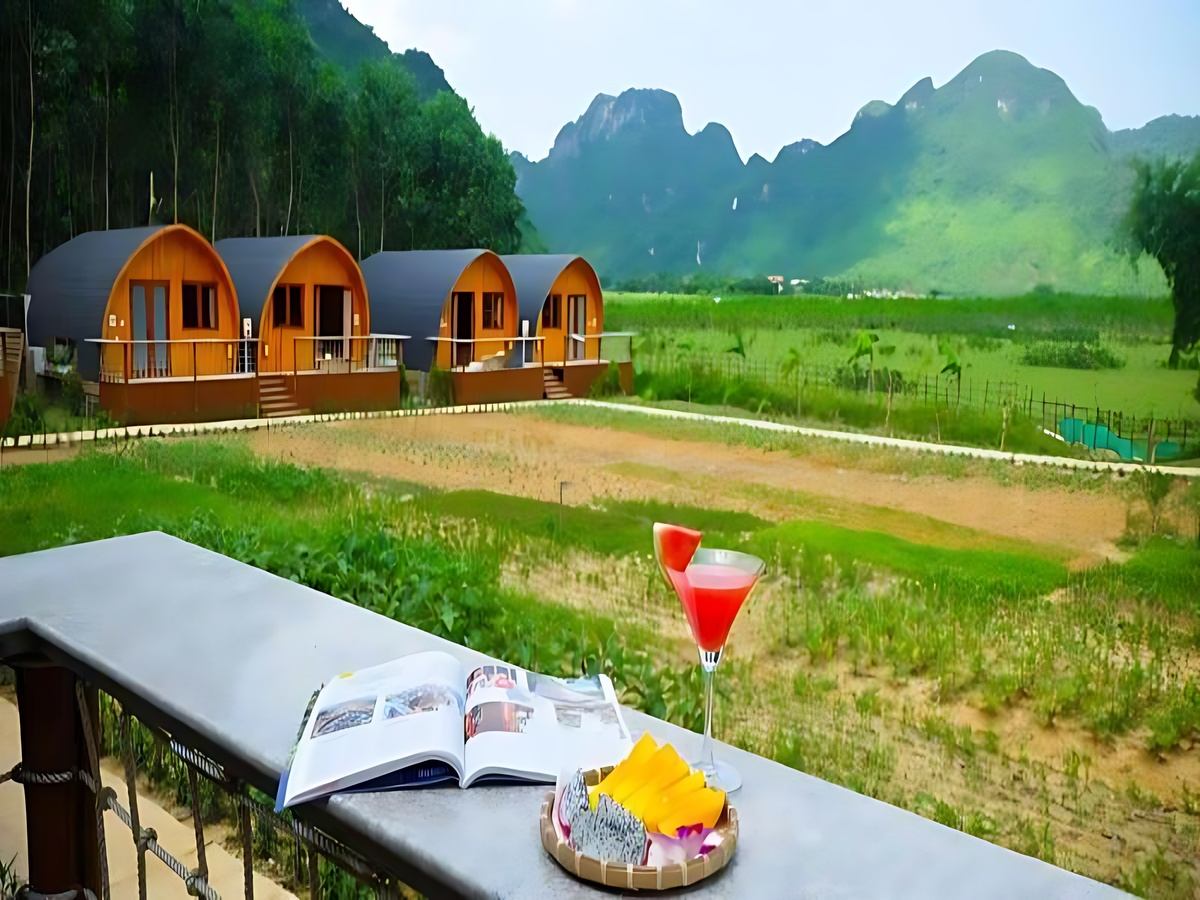
Open space design and architectural concept highlight the homestay. (Source: Collected)
Architectural concepts also need to be clearly established, from minimalist, vintage to rustic styles, to create a unique identity. Interior spaces should prioritize adequate comfort, combining relaxing elements such as outdoor areas, small kitchens, or relaxation corners to enhance the guest experience.
2.3. Choosing suitable and sustainable wood materials
Wood materials are a factor that directly affects the lifespan of a structure and maintenance costs. Natural wood has high durability and good load-bearing capacity, but the initial investment cost is high, while engineered wood is more affordable but requires careful treatment to prevent moisture and termites. In practice, many projects choose to combine both types of materials to optimize cost and durability. Waterproofing, insect protection treatments, and regular maintenance are crucial factors in extending the lifespan of a structure, especially in tropical climates.
2.4. Cost estimation for building wooden homestays
The cost of building wooden homestays is usually divided into categories such as foundation, wooden frame, interior finishing, and landscaping. Depending on the scale, costs can range from several hundred million to over 1 billion VND for each small homestay cluster, with the wooden frame accounting for a large proportion. In addition to construction costs, initial operating costs such as marketing, personnel, and maintenance must be considered. Detailed budgeting helps investors control their budget and avoid unnecessary expenses, especially during the initial implementation phase of the project.
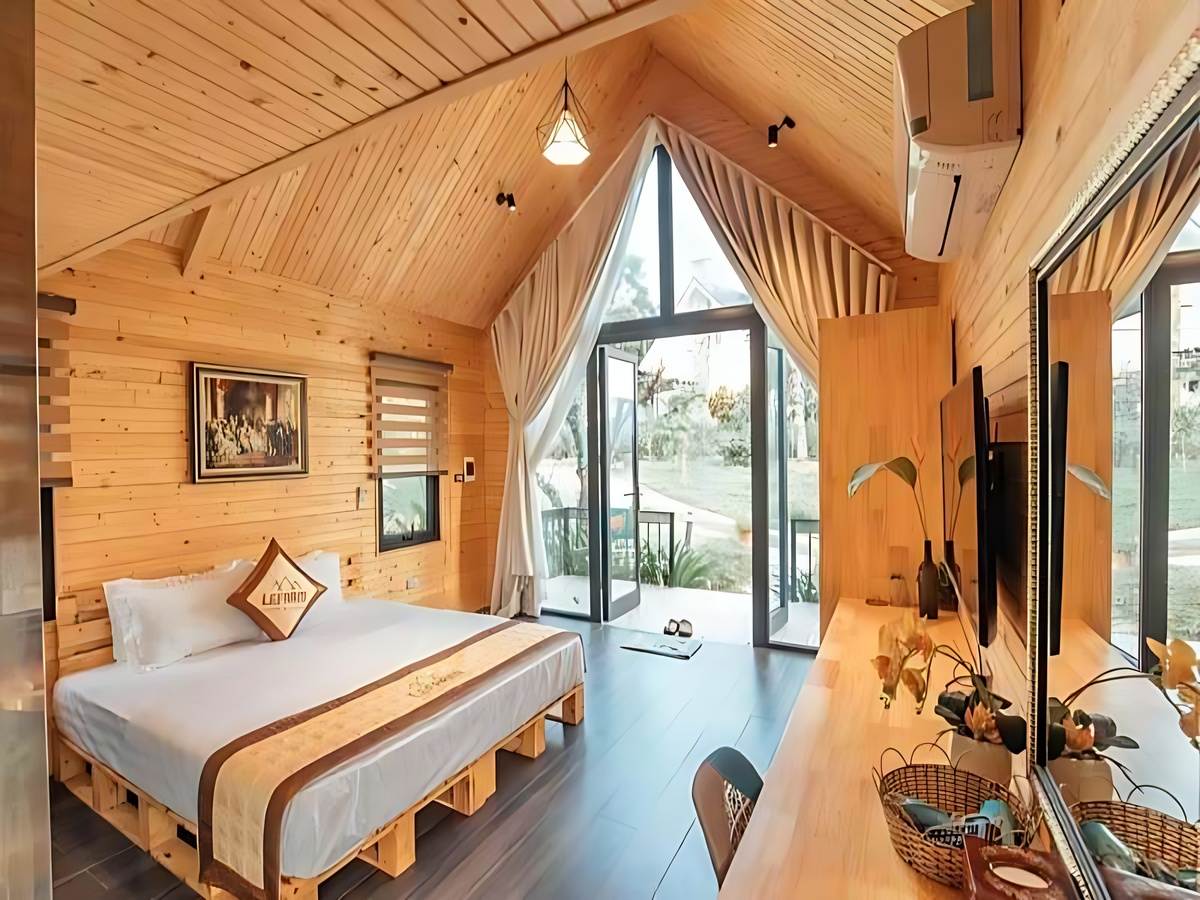
Detailed cost estimation for the construction and operation of a wooden homestay. (Source: Collected)
2.5. Actual construction process of a wooden homestay
The construction process typically begins with site surveys, architectural design, construction permit applications, and implementation. Each step requires strict control to ensure project progress and quality, especially in mountainous or lakeside terrain. After construction is completed, the operational setup phase, such as interior furnishing, staff training, and building room sales channels, plays a crucial role in bringing the homestay into effective operation. This is the transition from investment to operation, determining the project's profitability.
3. Legal Aspects to Know for Building Wooden Homestays
3.1. Regulations on land for building homestay wooden houses
According to Land Law No. 31/2024/QH15, effective from August 2024, the use of land for tourism service business (homestay) must strictly comply with local annual land use planning and plans. Particularly, for the type of "multi-purpose land" (combining agricultural production and service business), investors must develop a land use plan to be submitted to the competent authorities for approval. Building wooden houses on agricultural land without changing the purpose or registering land use changes according to new regulations will face a very high risk of administrative penalties and forced demolition in 2026.
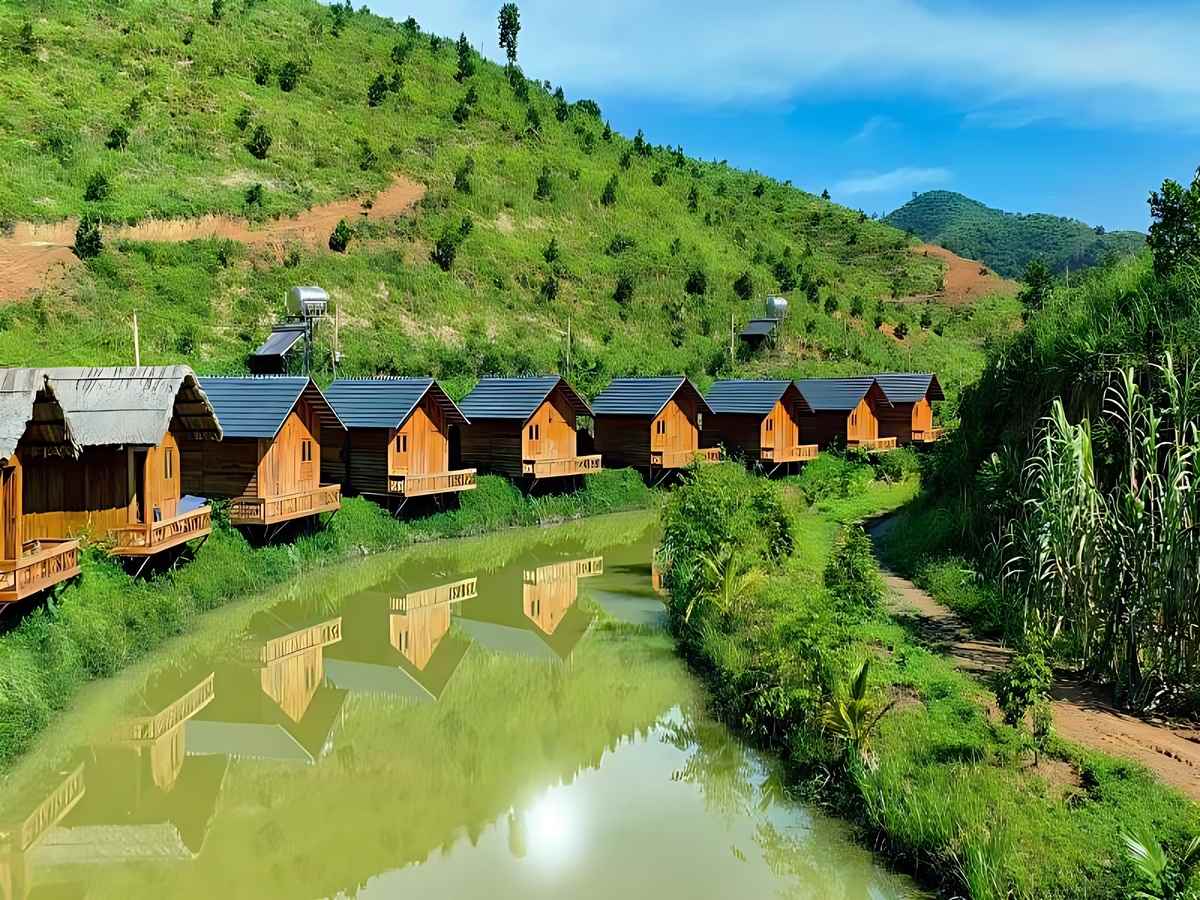
Strict management of land use purpose for homestay business services. (Source: Collected)
3.2. Regulations on the construction of homestay accommodation facilities
Current homestay wooden house construction activities must comply with Construction Law No. 135/2025/QH15 and especially Law No. 06/2022/TT-BXD on fire safety for houses and structures. As wood is a flammable material, the design appraisal process must include fire spread prevention solutions, heat-resistant paint, and early warning systems. Understanding these regulations helps investors ensure the project is eligible for acceptance and put into business, while also meeting the stringent criteria for accommodation facility insurance in the new context.
3.3. Homestay business registration in accordance with regulations
To operate a homestay legally in 2026, investors need to register their business in a suitable form (household business or enterprise according to the law). In case of choosing to establish an enterprise, registration and operation are carried out according to Enterprise Law No. 59/2020/QH14 and fully meet the conditions for security and order.
Currently, guest registration is mandatory through an online management software system connected to the police agency according to Project 06 on electronic identification. Fulfilling legal procedures not only helps stabilize business operations but also helps homestays easily access preferential loan packages for sustainable tourism development in the locality.
Legal compliance and online registration for operating homestays. (Source: Collected)
3.4. Safety standards for operating wooden homestays
Fire safety is a mandatory requirement for structures using wooden materials. Investors need to equip with a fire alarm system, fire extinguishers, and ensure clear escape routes to minimize risks during operation. Additionally, electrical and water systems must be designed to match usage capacity, avoiding overload or leakage. Compliance with safety standards not only protects assets but also ensures a stable accommodation experience for guests.
4. Profitable Operation Experience for Wooden Homestays
4.1. Building a Concept and Positioning the Homestay Brand
Building a clear concept helps homestays make their own mark on the market, especially in an increasingly competitive landscape. Elements such as brand story, decor style, and customer experience need to be shaped from the initial stage to ensure consistency. Many homestays succeed by leveraging local cultural identity combined with modern design, creating a unique experience. This is a suitable direction for the experiential tourism trend that is developing strongly in Vietnam.
4.2. Pricing strategy and room capacity optimization
Pricing strategies need to be developed flexibly according to the tourist season and market demand. Room rates on weekends or holidays are usually 20-40% higher than on weekdays, helping to optimize revenue during peak periods. In addition, combining service packages such as dining, local experiences, or short day tours helps increase the value per guest. This is how many homestays enhance operational efficiency without needing to increase investment scale.
Build a flexible pricing strategy to optimize revenue according to the tourism season. (Source: Collected)
4.3. Effective marketing experience for wooden house homestays
Marketing plays an important role in attracting customers, especially for new homestays. OTA platforms and social media currently account for a large proportion of bookings, with over 70% of bookings coming from mobile devices. Realistic images, experiential content, and customer reviews are factors that greatly influence booking decisions. Investing in digital content helps homestays reach customers more effectively in a competitive environment.
4.4. Operations Management and Customer Care
Operational processes need to be systematically built from check-in, room cleaning to customer care. Ensuring a stable experience helps increase repeat rates and positive reviews on booking platforms. Additionally, handling feedback quickly and professionally helps improve brand image. This is a crucial factor in maintaining service quality and increasing market competitiveness.
4.5. Mistakes to Avoid When Building a Wooden Homestay
Some common mistakes in the process of investing in homestays include choosing an unsuitable location, spreading investments too thin, or lack of market research. These factors can lead to low occupancy rates and prolong the payback period. Additionally, a lack of legal understanding or poor operations also affect business performance. Learning from practical models helps investors optimize strategies and minimize risks during implementation.
Experience building wooden homestays is a decisive factor for success when entering the resort real estate sector. When you understand everything from design, costs, to legalities and operations, you can completely build a sustainable homestay model, attract stable guests, and create long-term cash flow.