


Effective Building Operation Management Evaluation Standard 2026
Evaluating building operation management not only helps investors control costs but also ensures service quality and resident safety. In the context of an increasingly competitive real estate market, a proper understanding of evaluation criteria will help optimize operational efficiency and increase sustainable asset value.

▲Table of Contents
1. Reference on how to evaluate building operation management
1.1. Building Operation in Real Estate
Building operation management is the activity of organizing and coordinating the entire system of technical, utility services, security, and sanitation within a real estate property. In major cities like Ho Chi Minh City, with nearly 1,800 apartment buildings already in operation, the demand for operation management is increasingly high to ensure a stable living environment and limit risks arising during use. This activity is not only technical but also related to services and long-term resident experience.
The goal of operational management is to maintain the quality of the facility, ensure the system operates stably, and enhance user satisfaction. Unlike asset management which focuses on investment value and profit, operational management emphasizes daily operations and actual usage efficiency. In the context of a rapidly developing market, understanding the concept correctly is an important foundation when implementing building operational management evaluation methods suitable for each type of real estate.
1.2. The role of operational evaluation
Building operation management evaluation plays a role in controlling actual service quality, helping to detect inappropriate aspects during operation. Reality in many projects shows that conflicts between residents and the management unit often stem from a lack of transparency and uneven service quality. Periodic evaluation helps ensure operational standards are maintained stably over time.

Periodic evaluation helps maintain quality, transparency, and increase real estate value. (Source: Collected)
In addition, evaluation activities also help minimize risks related to technical, safety, and financial aspects within the building. When the operating system is well-controlled, real estate value tends to be maintained and increase in the long term. This also serves as a basis for investors or the management board to choose a suitable management unit, especially in the context of increasingly stringent legal regulations regarding transparency and service quality.
2. Important criteria in evaluating building operation management
2.1. Actual operational service quality
Operational service quality is reflected in factors such as cleanliness of common areas, landscape care, and maintenance of internal facilities. Common areas like corridors, elevators, lobbies, and shared living spaces need to be cleaned regularly to ensure a living environment. Furthermore, green landscapes also contribute to the usability and overall perception of residents within the building.

Sanitation and landscape quality are key indicators for evaluating operational efficiency. (Source: Collected)
Service quality assessment is usually based on resident feedback through surveys or online feedback systems. In many cases, feedback on hygiene or amenities are direct indicators of operational efficiency. When implementing building management evaluation methods, the factor of residents' actual experience is considered an important basis for making objective judgments.
2.2. Building Technical Management Efficiency
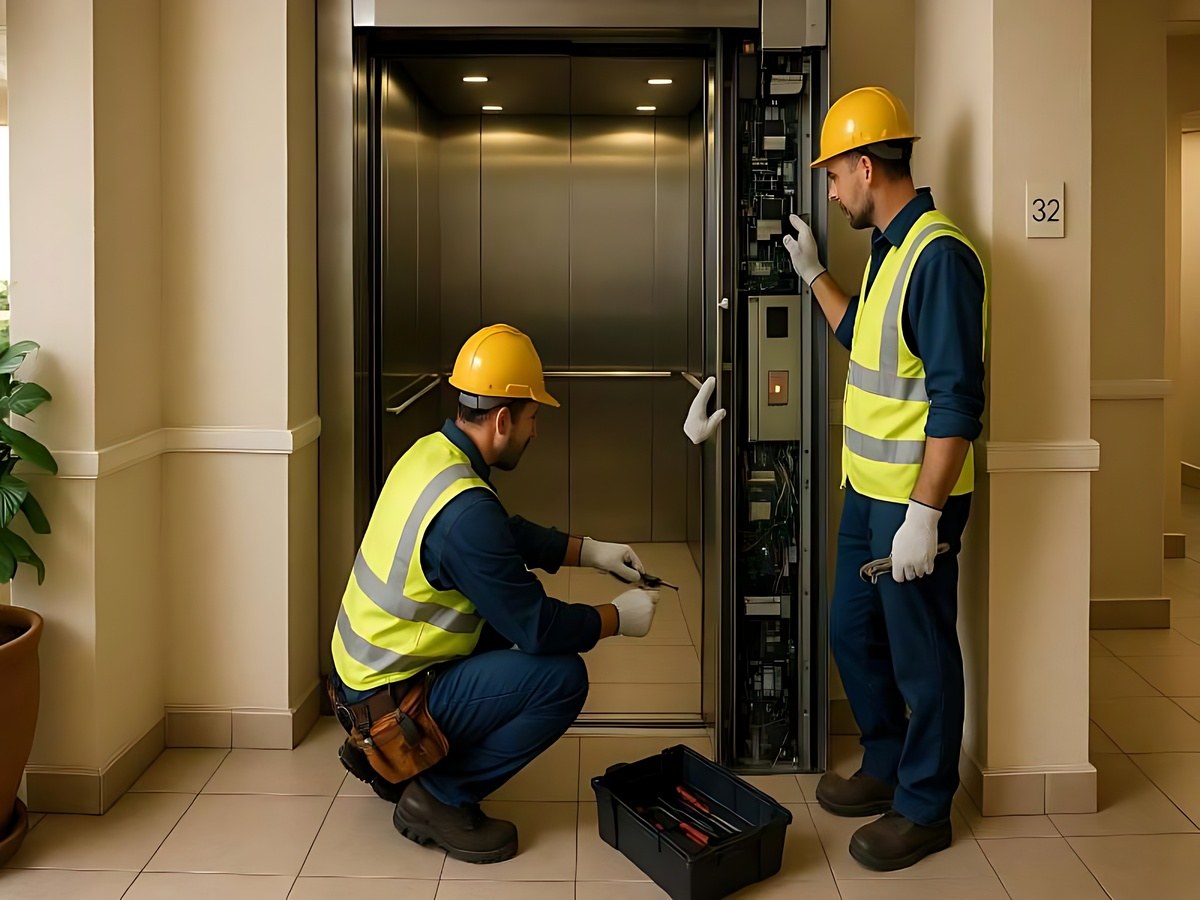
Technical systems such as electricity, water, elevators, and fire protection are core components in building operation. Regular maintenance and frequent inspections help limit incidents and ensure resident safety. According to current regulations, technical system maintenance must comply with specific standards to minimize risks during use.
Besides maintenance factors, the ability to quickly handle incidents is also an important criterion in operational evaluation. Many units have applied technology such as intelligent management systems or monitoring software to improve operational efficiency. The integration of technology not only helps optimize costs but also enhances the ability to respond to situations arising in the building.
2.3. Financial Transparency of Operations
Financial management is one of the sensitive issues in building operations, especially concerning maintenance funds and service fees. According to Housing Law No. 27/2023/QH15, the management and use of maintenance funds are strictly regulated, requiring mandatory handover and public management through the Management Board's account.
This creates a solid legal basis for financial control, avoiding disputes over maintenance funds that were common previously. The reporting of income and expenses needs to be done periodically, transparently, in accordance with current financial procedures. When operating costs are optimized and publicized, residents' trust in the management unit will be strengthened, thereby enhancing the building's brand value in the market.
Revenue and expenditure reporting needs to be carried out periodically, clearly, and auditable. When operating costs are optimized, residents will have a more positive view of the management unit. When applying building operation management evaluation methods, financial transparency is often considered an important indicator reflecting the professionalism of the operating unit.
2.4. Operational team's capability
The operations team includes various positions such as technical, security, reception, and customer care, playing a direct role in maintaining service quality. Professional qualifications and service attitude greatly affect residents' experience during their stay. Additionally, the ability to handle situations and staff stability help ensure continuous operation, limit disruptions, and enhance overall management efficiency.
Professional operating team helps maintain services and enhance resident experience. (Source: Collected)
2.5. Security and Safety System
The building's security system includes surveillance cameras, access control, and regularly operating security personnel. Safety assurance also involves the fire prevention and fighting system and clearly established emergency response procedures. These factors help minimize risks and protect residents during use. Security assessment is an important part of determining the overall operational quality of the building.

The security system, fire prevention and fighting, and emergency procedures help ensure maximum safety for residents. (Source: Collected)
3. Legal factors in assessing building management and operation
3.1. Regulations on apartment building management and operation
Housing Law No. 27/2023/QH15 has detailed the operational management model, the powers and obligations of the Management Board, as well as professional operational management units. These regulations clearly define responsibility boundaries, helping to minimize disputes arising between developers and residents. This is the highest legal framework for parties to refer to when evaluating operational efficiency, ensuring all processes comply with the supremacy of law in modern real estate management.
Additionally, the law also mentions standards for selecting operational management units to ensure capacity and service quality. Compliance with legal regulations not only helps ensure transparency but also creates a foundation for evaluating operational efficiency. In reality, many issues arise from the failure to fully implement these regulations.
3.2. Regulations on Management Service Business
Law on Real Estate Business No. 29/2023/QH15 strictly stipulates the conditions for organizations and individuals doing business in building management and operation services. These entities are required to have sufficient technical expertise, and personnel must possess training certificates in apartment building management and operation as stipulated by the Ministry of Construction. Tightening the conditions for practice helps to purify the market, eliminate unqualified entities, and maximize the protection of real estate users' rights against unnecessary operational risks.

Regulations on operational capacity and certification help protect residents' rights. (Source: Collected)
Besides, the law also clearly stipulates the legal responsibilities of the operating unit when incidents occur. Determining responsibility helps protect the rights of residents and investors during the usage process. This is an important factor to consider when evaluating operating management units in the market.
3.3. Operation Contracts to Consider
The operation management contract is an important document that defines the rights and obligations of the involved parties. Service terms need to be clearly stipulated, including the scope of work and performance standards. This helps limit disputes and ensures transparency during the operation process.
In addition, KPIs and breach clauses need to be specifically established in the contract. The evaluation of operational efficiency is often based on the extent to which these indicators are met. When rights are transparent, the cooperation process between parties will be more stable and minimize emerging risks.
4. Standard Process for Evaluating Building Operation Management
4.1. Actual Data Collection
The evaluation process begins with collecting data from resident surveys, site inspections, and cross-referencing operational reports. These data sources help accurately reflect the building's actual situation at the time of evaluation. Consolidating multiple information sources enhances reliability and helps detect discrepancies between reports and actual operations.

Collecting and cross-referencing multiple sources helps accurately assess the current operational status of the building. (Source: Collected)
4.2. Developing evaluation criteria
After obtaining the data, it is necessary to build an evaluation criterion set based on operational KPIs, service standards, and a quantitative scoring system. The criteria must be clear, measurable, and suitable for the building's scale. This set of criteria helps ensure consistent evaluation and provides a basis for comparing the performance of different operating units.
4.3. Comparison of Operating Units
Comparing operating management units based on cost, service quality, and brand reputation in the market. Benchmarking helps determine the competitiveness and position of each unit in the industry. Additionally, referencing similar projects also provides more practical data, supporting the process of selecting a unit suitable for operational needs.
4.4. Recommendations for operational improvement
After completing the assessment, solutions should be proposed to improve operational efficiency, such as adjusting processes, changing suppliers, or applying technology. These solutions must be based on the analysis results and suitable for the actual conditions of the building. Continuous improvement helps maintain service quality and optimize operational costs in the long term.

Suggest optimal solutions for processes and technology to improve operational efficiency. (Source: Collected)
How to evaluate building operation management if done correctly will help investors and the management board comprehensively control service quality, optimize costs, and enhance asset value. In the context of the increasingly competitive real estate market, choosing the right operating unit is the key to creating sustainable differentiation for each project.