


Explore what prefab houses are and modern construction trends
As construction increasingly focuses on optimizing costs and time, the question of 'what is a prefab house' has become a topic of great interest. This type of prefabricated house is not only flexible in design but also aligns with modern, convenient, and economical living trends.

▲Table of Contents
1. Overview of Prefab Houses and Construction in Modern Building
1.1. Concept of Prefab Houses in the Construction Industry
Prefab houses (short for prefabricated) are modular homes constructed from components manufactured off-site in a factory, then transported to the construction site for assembly. In the context of 2026, this model is not just an industrialized construction method but also a key solution for sustainable architecture. Quality control at the factory ensures compliance with green building standards (such as LEED or LOTUS), while minimizing technical errors compared to traditional on-site construction.
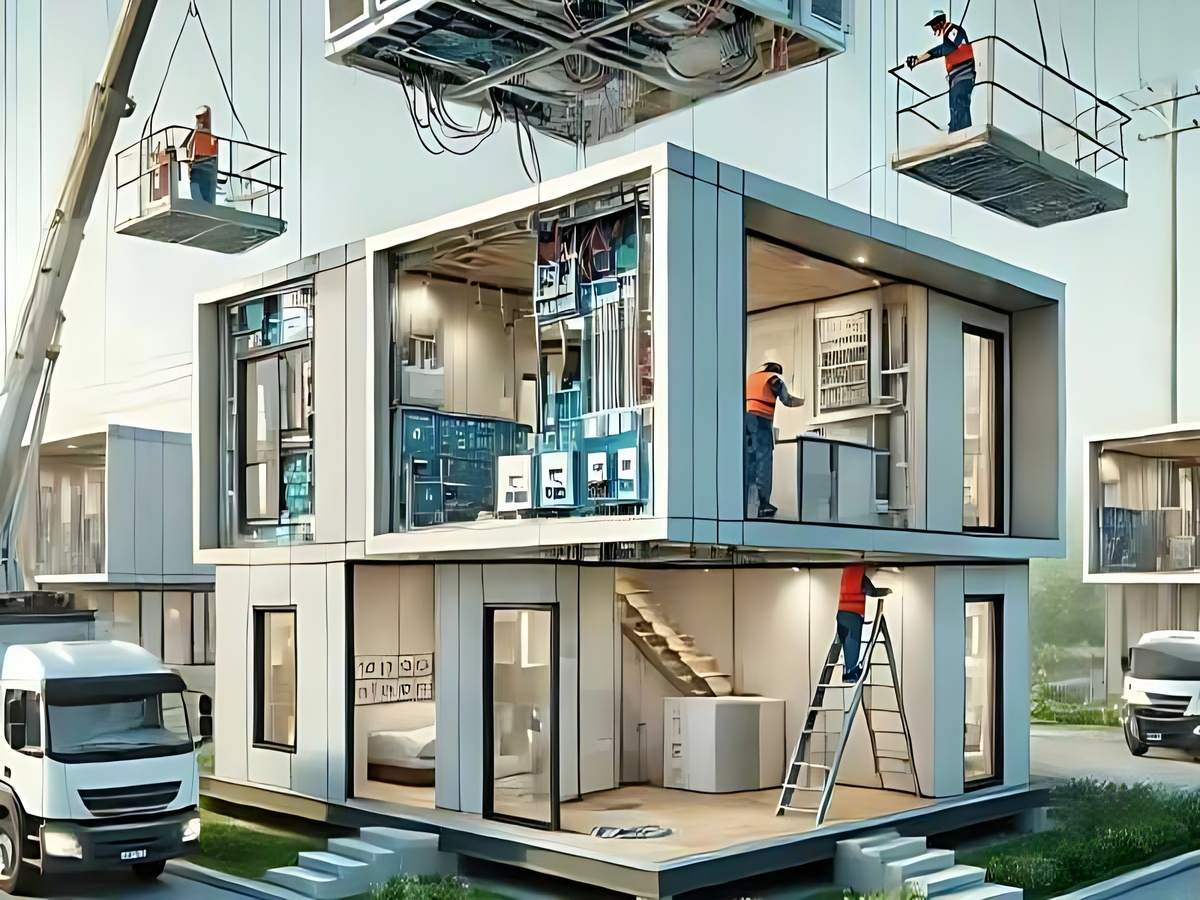
A prefab house is a house assembled from factory-made components. (Source: Collected)
Prefabricated houses are made from modules or structural panels such as walls, floors, and roofs, which are pre-fabricated to standard dimensions at the factory. When brought to the construction site, these components are assembled according to a pre-defined design, helping to reduce dependence on weather conditions and on-site labor. This construction method is becoming increasingly popular in civil and residential construction due to its flexibility and ability to optimize the construction process.
1.2. Basic structure of a prefab house
When learning about what a prefab house is, it can be seen that the structure is the decisive factor for the durability and operational capability of prefabricated houses. Currently, modern prefab house models often use high-strength steel frames or corrosion-resistant aluminum alloy frames to ensure superior load-bearing capacity. Wall and floor sections prioritize the use of ALC (autoclaved aerated concrete) panels or new composite materials to enhance fire resistance and sound insulation, strictly meeting the current national technical regulations on construction safety.
Walls, floors, and roofs are designed as separate modules, which can be quickly assembled on-site without the complex construction of traditional houses. Finishing materials such as insulation, waterproofing, and surface coatings are integrated during the component manufacturing process. Thanks to their modular structure, prefab houses can be easily disassembled or reconfigured according to usage needs at different stages.
1.3. Prefabricated house construction process
The construction process is a factor that clearly shows the difference compared to traditional construction methods. Building components are manufactured at the factory with high precision and strict quality control before transportation. This process helps reduce errors and ensures consistency between building elements.
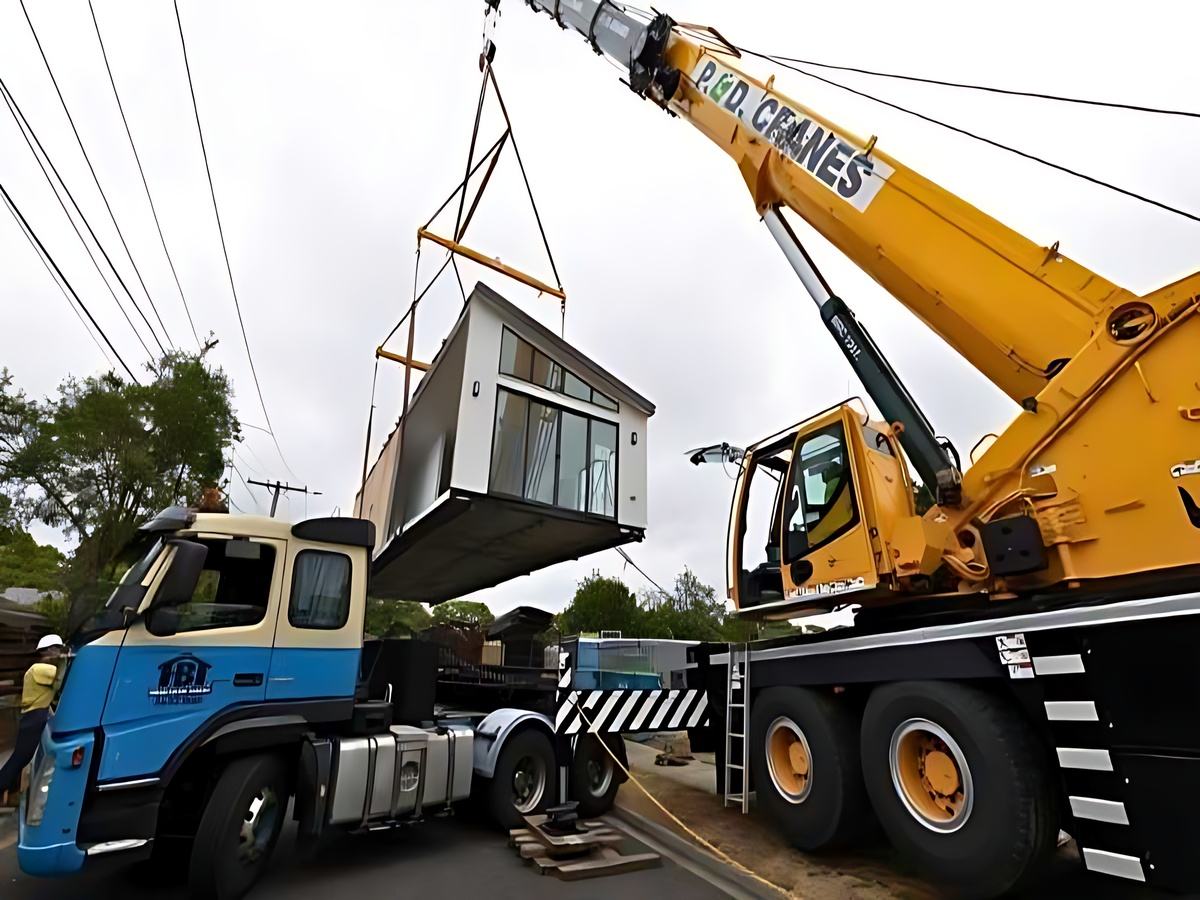
The prefabricated house process involves pre-manufacturing and rapid on-site assembly. (Source: Compilation)
After production is completed, the modules are transported to the construction site and assembled according to the pre-defined design in a short period. The installation process is quick because the components are pre-prepared, reducing the workload on-site. Thanks to this process, the construction completion time can be significantly shortened compared to traditional construction methods.
2. Outstanding advantages of prefab houses in practice
2.1. Time-saving construction
When evaluating what prefab houses are, it can be noted that the advantage of construction time is a prominent factor in current construction practices. The parallel production of components with the foundation preparation process significantly shortens the total construction time of the project. The assembly process at the construction site proceeds quickly because the parts have been completed beforehand.
Short construction times help reduce the impact of weather factors and limit disruptions during the construction process. As a result, project progress is better controlled and suitable for projects that need to be completed in a short period. Additionally, shortening the construction time also helps reduce associated costs related to labor and project management.
2.2. Optimizing Construction Costs
Construction costs are a factor of great interest to many people during the selection process. Prefab homes help reduce labor costs because most of the work is done at the factory with standardized production processes. Furthermore, limiting material waste also contributes to optimizing the overall cost of the project.
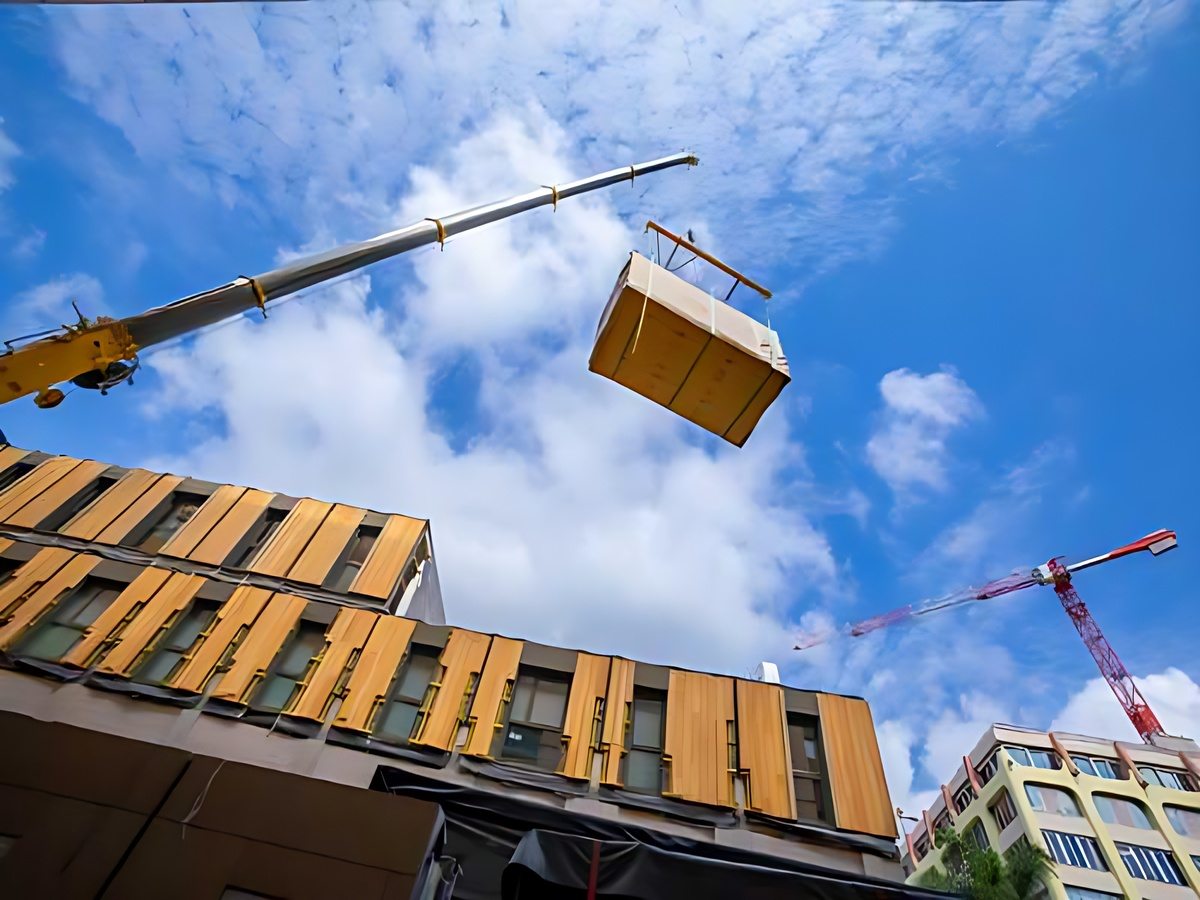
Prefab houses optimize costs through standardized production and reduced labor. (Source: Collected)
Good control of the production process helps cost estimation become clear and limits arising costs during construction. Components are produced to precise dimensions, minimizing errors and repair costs. As a result, total investment costs can be effectively controlled throughout the project implementation process.
2.3. Flexibility in design and expansion
Flexibility in design is a prominent feature of this type in practice. Modules can be easily changed, added, or removed to suit usage needs at each stage. This allows the structure to adapt to various purposes.
Modular design allows prefab houses to expand space by assembling new components without significantly affecting the original structure. This design style is suitable for structures that need to change function or expand area over time. As a result, prefab houses can meet various usage needs, from housing to offices or temporary structures.
2.4. Environmentally friendly
When evaluating what is a prefab house, environmental factors can be seen as one of the notable benefits of this construction method. Manufacturing components in a factory helps reduce excess materials and limit construction waste at the site. The construction process also reduces noise and impact on the surrounding environment.
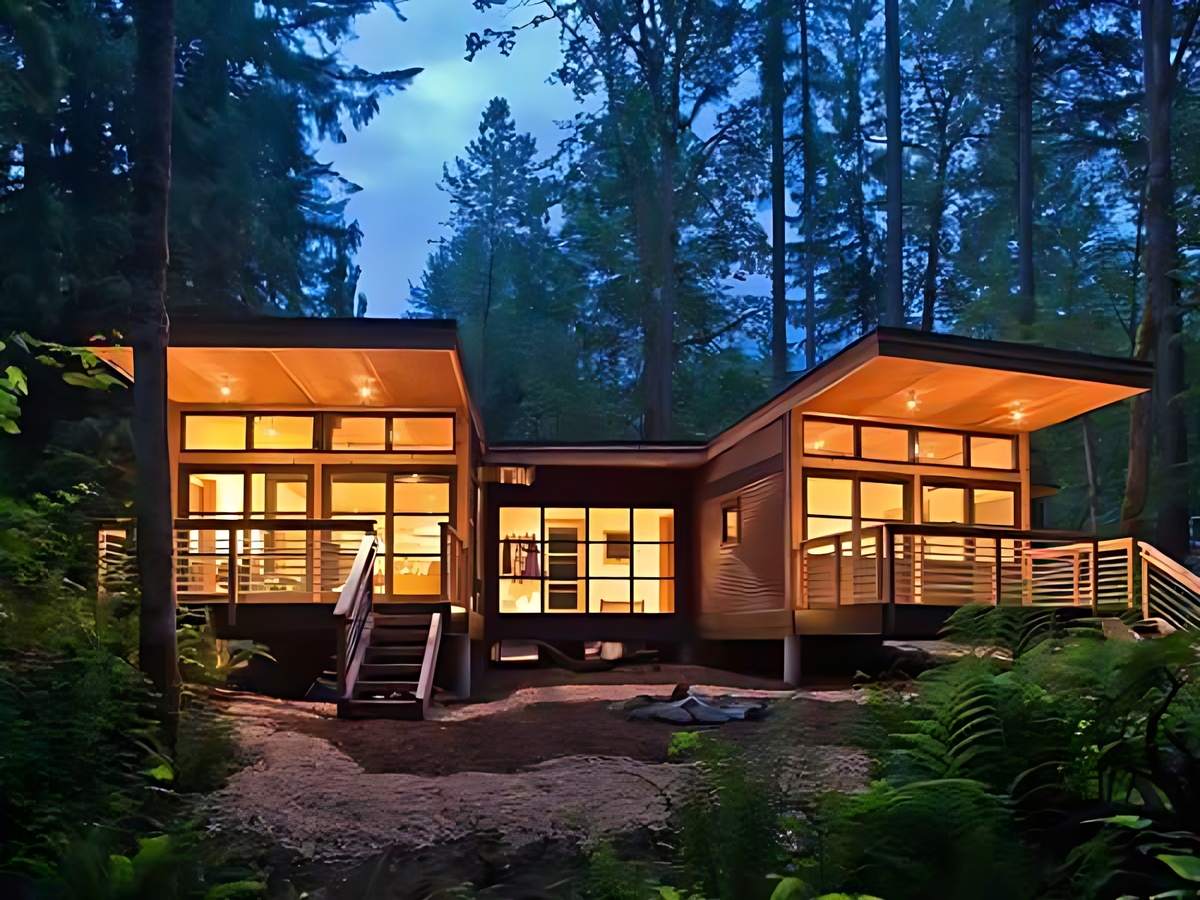
Environmentally friendly prefab houses thanks to reduced waste and resource saving. (Source: Collected)
Furthermore, the optimization of materials and production processes helps reduce resource and energy consumption during the construction process. The biggest advantage of prefab houses is their environmental protection aspect. Factory production processes help reduce construction waste at the site by up to 90%. In particular, the construction trend for 2026 prioritizes fully recyclable materials or bio-based materials. The reduction of noise and fine dust during the assembly process not only protects the surrounding ecosystem but also helps the project easily achieve certifications for environmental protection and sustainable development.
3. Disadvantages of prefab houses to consider
3.1. Limitations in soundproofing and thermal insulation
When analyzing what prefab houses are, many experts note that soundproofing and thermal insulation capabilities are factors to be considered during use. Thermal insulation efficiency depends on the materials used in the modules and the technical solutions applied during installation.
Despite many advantages, soundproofing and thermal insulation capabilities remain a challenge without the right technical solutions. In the hot and humid climate conditions of Vietnam, homeowners should pay attention to using double-glazed insulating glass units and high-density insulation panels. Passive architectural solutions such as extended roof designs or modern sunshade systems will help maintain stable indoor temperatures, ensuring comfort and energy saving for the house.
To improve this issue, specialized insulation materials must be used and the building envelope design must be suitable for the climate conditions. Additional solutions such as multi-layer insulation or ventilation systems help improve efficiency. Proper technical implementation helps ensure comfort in daily life and enhance the quality of living space.
3.2. High Technical Assembly Requirements
Assembly technique is a factor that directly affects the quality of the construction. Modules need to be assembled precisely according to the design to ensure airtightness and load-bearing capacity. Errors during the construction process can affect durability and usability.
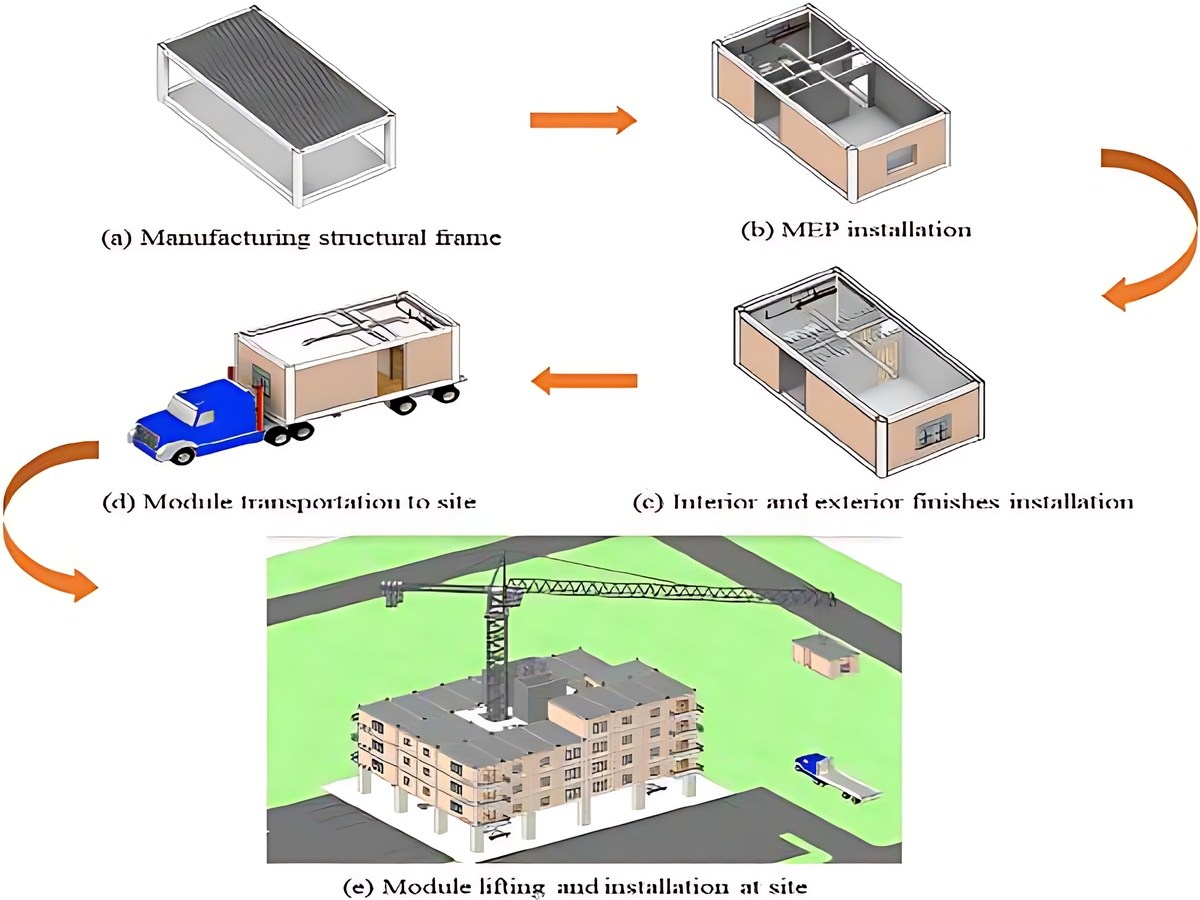
Prefabricated houses require precise assembly techniques to ensure quality. (Source: Collected)
Assembly requires a construction team with experience and a thorough understanding of the prefab system's technical process. Minor deviations during installation can affect the overall structure of the building. Therefore, choosing a specialized construction unit is a crucial factor in the implementation process.
4. Effective Prefabricated House Construction Experience
4.1. Types of Structures Suitable for Prefabricated Houses
When learning what a prefab house is, it can be seen that this type is applied in many different structures. Prefab houses are suitable for homes, homestays, offices, or temporary structures due to their fast and flexible construction capabilities. Projects requiring rapid deployment often prioritize this method.
Additionally, prefab houses are also used in semi-permanent constructions or areas requiring rapid construction such as construction sites or tourist areas. The ability to disassemble and move enhances usability flexibility. This type effectively meets construction needs in various conditions.
4.2. Experience in selecting materials and construction units
The selection of materials and construction units directly affects the quality of the construction. Materials need to ensure durability, thermal insulation capability, and suitability for the usage environment. Construction units need to have experience in the prefab field to ensure the assembly process is carried out accurately and technically. The coordination between design and construction needs to be carried out closely to limit errors. This helps ensure the quality and durability of the construction during use.
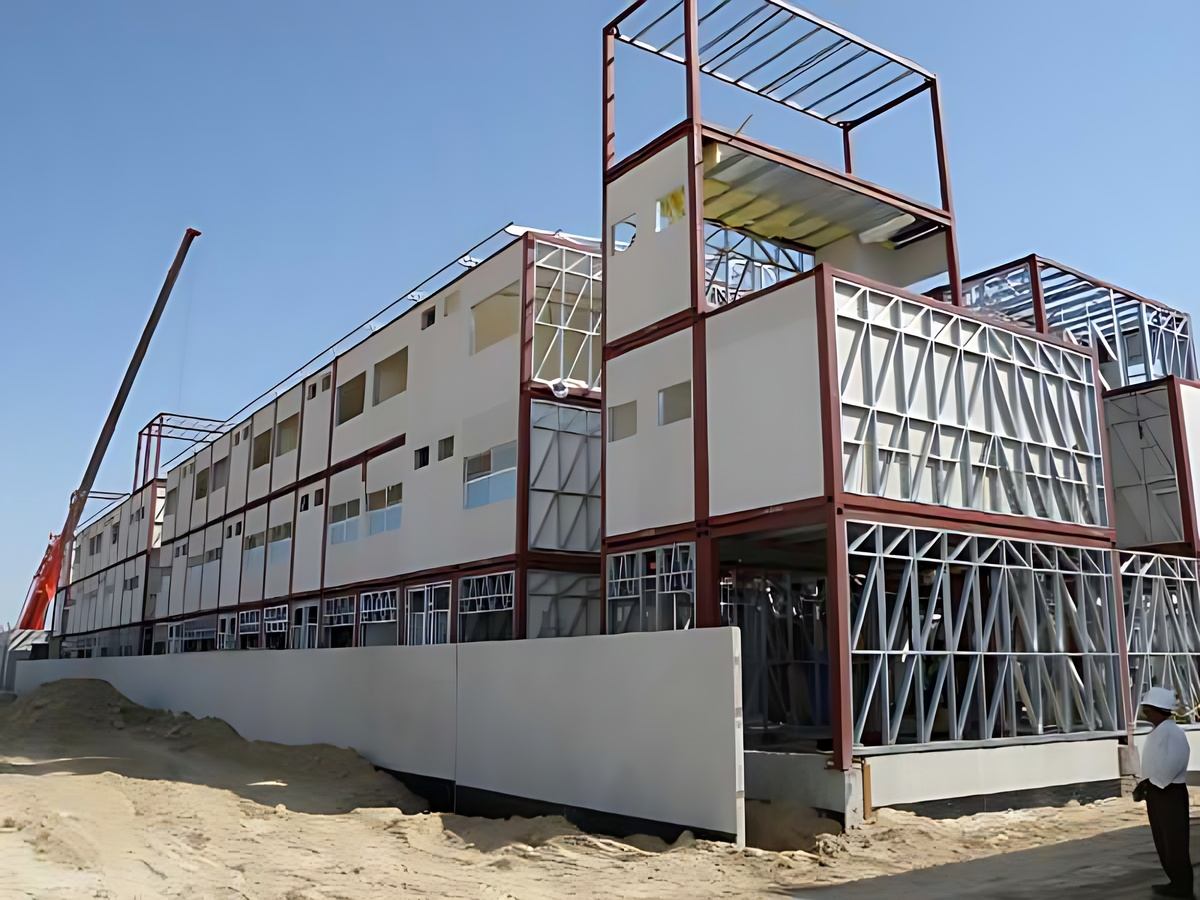
Choose suitable materials and a reputable construction unit to ensure quality. (Source: Collected)
Thus, the article has explained what is a prefab house , thereby helping you correctly assess the potential of this unique construction type. With many advantages in cost and time, prefab houses are becoming a new trend, suitable for flexible and modern living needs.