


Feng Shui Placement for a Safe in the House to Keep Money
Many families buy safes but place them in the wrong position, making it difficult for wealth to accumulate. In reality, the placement of a safe in a house for keeping money is not only related to safety but also affects feng shui. This article will help you choose the right position to both protect your assets and increase your good fortune.

▲Table of Contents
1. Overview of Safe Box Placement in the House for Money Security
1.1. The Important Role of Safe Box Placement
The selection of safe box placement in the house for money security directly impacts the ability to protect family assets. In reality, many interior design studies show that discreet areas with low foot traffic help reduce the risk of theft, especially in densely populated urban areas. When a safe box is placed in the correct position, assets are not only better controlled but also limited from environmental factors such as humidity or temperature.
Besides security factors, the placement of the safe is also related to the flow of financial energy in the living space. According to popular feng shui beliefs, placing the safe in an area with stable energy will help maintain financial balance and support long-term accumulation. Positions with strong or frequently fluctuating energy flows can cause financial energy to be unstable, thereby affecting the family's cash flow.
1.2. Principles for choosing a safe placement location
When choosing a safe's location, discretion is always prioritized to ensure privacy and limit external attention. In many urban homes, placing the safe in a hidden corner or a private area such as a bedroom or study room helps increase control and reduce risk. At the same time, the location must ensure stability, free from shaking or external forces.
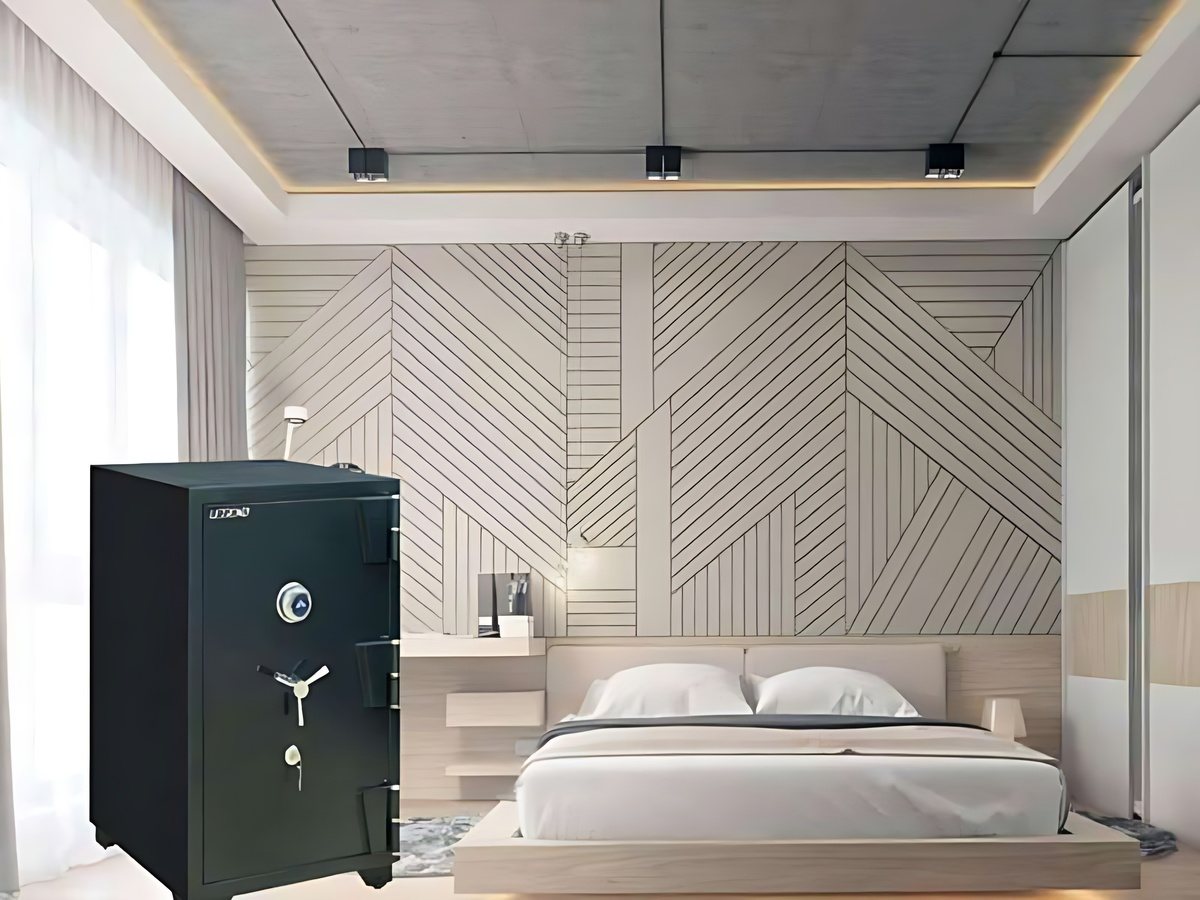
A discreet and safe location helps secure assets, convenient for daily use. (Source: Collected)
Besides, the safety criterion needs to go hand in hand with convenience in use. Users need to easily access the safe when necessary while maintaining security. The combination of utility and safety helps ensure long-term effectiveness, especially in the context of increasing demand for storing family assets in developing residential areas.
1.3. Common mistakes when placing a safe
Some common mistakes when placing a safe at home are placing it near the entrance or areas with high foot traffic. These locations make the assets easily noticeable and increase the risk of insecurity. Furthermore, placing the safe in damp places such as near bathrooms or poorly ventilated areas can affect the durability of the device and the quality of the assets inside.
These mistakes not only affect security but also impact financial feng shui. According to many perspectives, placing the safe in the wrong position can cause the flow of wealth energy to disperse, making it difficult to accumulate and manage assets. This is particularly noteworthy in the context of the real estate market increasingly emphasizing feng shui elements in living space design.
2. Position of the safe in the house for keeping money according to feng shui
2.1. Placing the safe in the wealth sector
In Feng Shui, the wealth corner is usually identified as the diagonal corner opposite the room's entrance. This is the area believed to gather good energy (qi) and has the ability to maintain stable wealth. Placing a safe in this position helps increase financial accumulation and supports sustainable cash flow within the family.
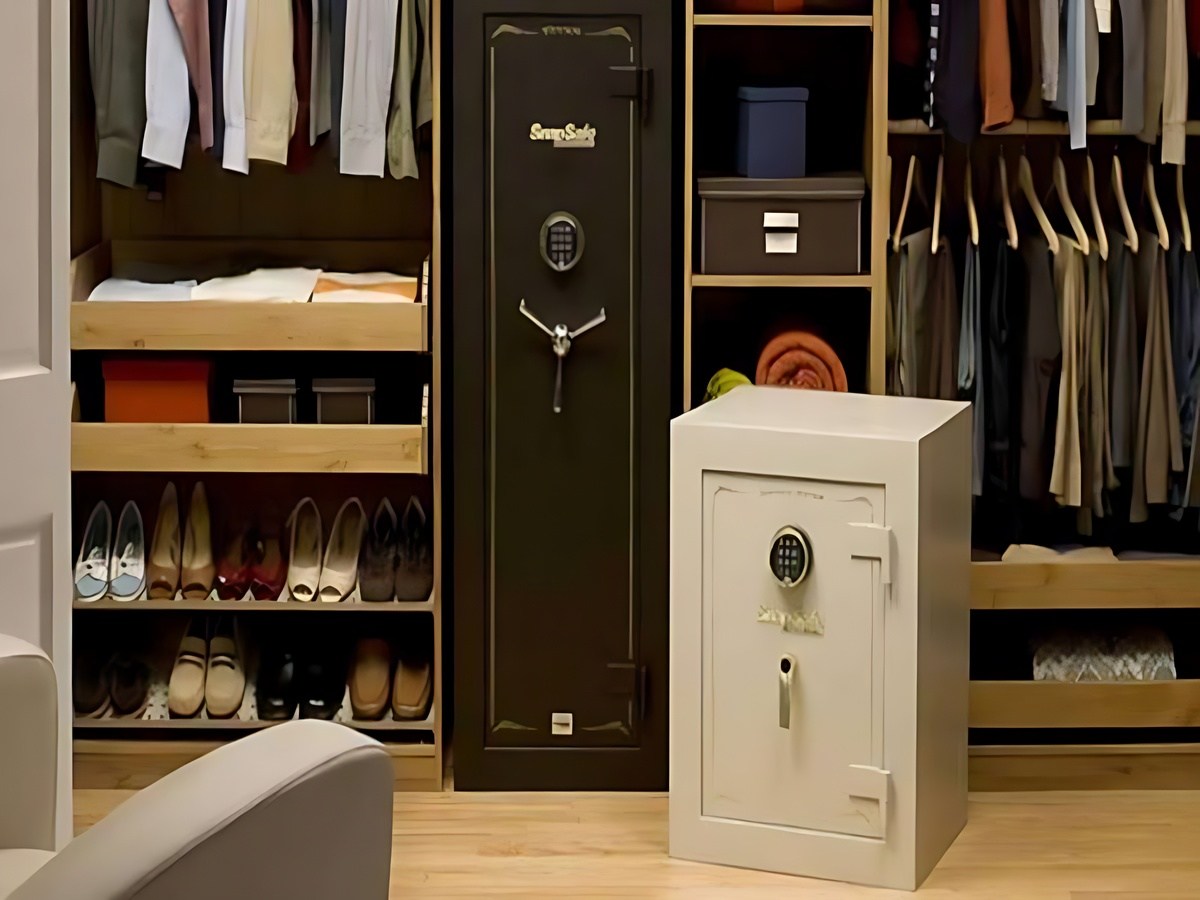
Placing a safe in the wealth sector helps gather energy and accumulate sustainable finances. (Source: Collected)
When arranged in the correct wealth sector, a safe can act as a point for gathering wealth energy in the living space. This contributes to maintaining financial stability and creating a sense of peace of mind for the homeowner. In many current home designs, this area is often prioritized for placing important furniture to optimize functionality and feng shui elements.
2.2. Direction to place the safe according to the homeowner's destiny
The choice of the safe's opening direction should be based on the owner's element to ensure balance among the Five Elements. For example, people with the Wood element are often suited to the East or Southeast direction, while those with the Water element are compatible with the North direction. These principles help increase harmony between the living space and personal Feng Shui.
Furthermore, choosing the appropriate direction also helps support financial and work activities. When the safe is placed in a favorable direction, positive energy is maintained stably, contributing to improved asset management efficiency. This is a factor many families consider when designing interiors amidst the increasingly popular trend of space personalization.
2.3. Positions to Avoid When Placing a Safe
Some areas recommended not to place a safe include opposite the main door, near the toilet, or under a window. These positions often have strong air currents or unstable characteristics, easily causing the loss of wealth energy. Additionally, placing a safe in a location with direct sunlight can also affect feng shui energy.
The main reason for these taboos is the conflict between energy flows in the space. When the safe is placed in an unsuitable position, wealth energy (tai khi) can be dispersed or weakened, affecting the ability to accumulate assets. This is a factor often carefully considered in modern housing design in urban areas and real estate projects.
3. Suggestions for placing a safe in each room of the house
3.1. Placing a safe in the bedroom
Bedroom is considered a space with high privacy, suitable for placing a safe to protect personal assets. In many apartments in urban areas, placing a safe in the bedroom helps limit access from outsiders and increases control. In addition, this is also an area with little traffic fluctuation, helping to maintain stability for stored assets. These factors contribute to making the location of placing a safe in the house for keeping money in the bedroom popular.
However, the arrangement must ensure it does not affect daily activities and the spatial layout. The safe should be placed in a secluded corner, avoiding a position opposite the bed or the main walkway to prevent inconvenience. Besides, attention should be paid to aesthetic factors and the overall harmony of the interior to maintain a comfortable resting space. Proper arrangement will help balance usability and necessary privacy.
3.2. Placing the safe in the study room
The study room is often a place for managing finances and important documents, therefore, placing a safe here brings convenience during use. For families with business activities, this is also an area associated with cash flow and financial decisions. Placing the safe in the study room helps save time when accessing assets and improves management efficiency. This space is also usually well-controlled, limiting unnecessary entry and exit.
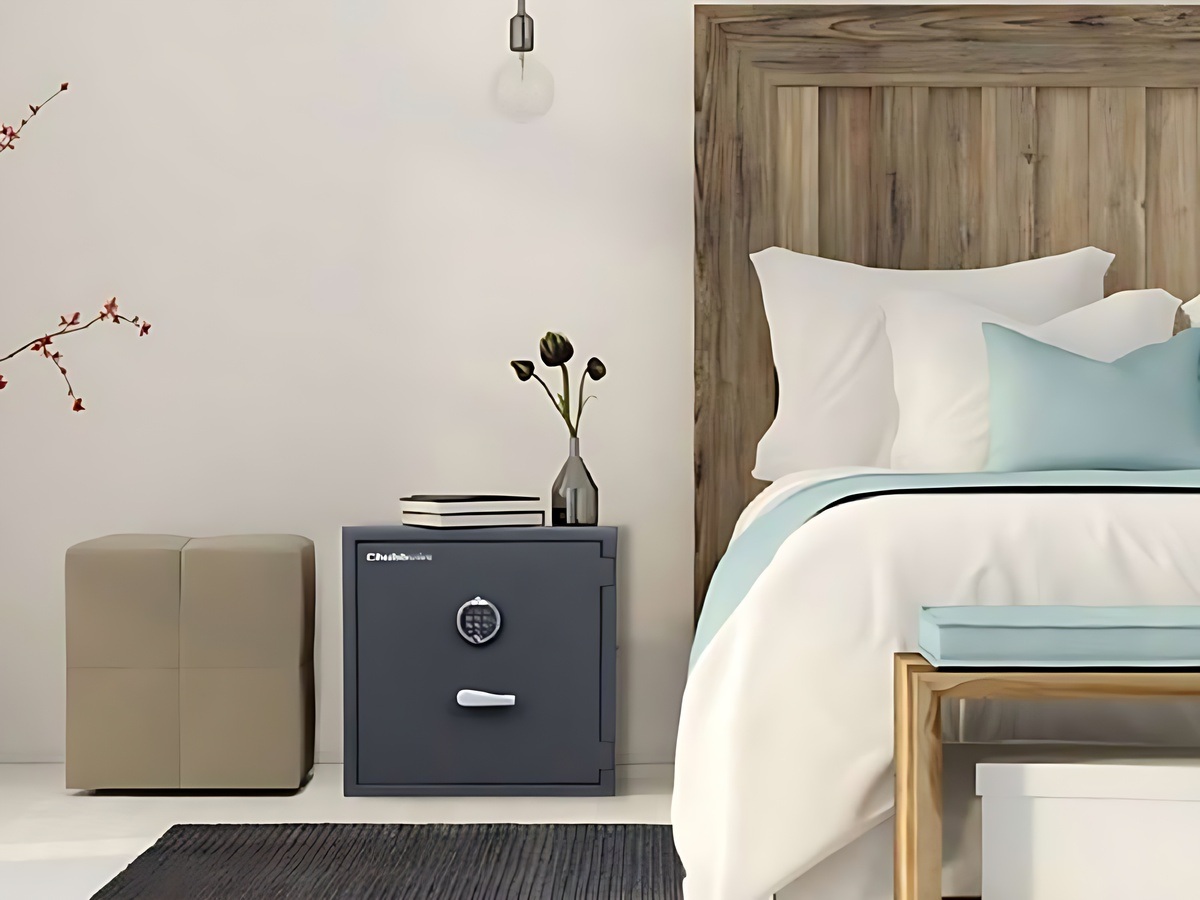
Placing a safe in the study room helps manage finances conveniently and optimize security. (Source: Collected)
When placing a safe in the office, choose a discreet location that is still easily accessible when needed. The safe can be placed near the desk or in a separate cabinet to increase security and keep the space tidy. Additionally, maintaining a tidy and airy work environment also helps enhance the effectiveness of using the safe. This aligns with the current trend of optimizing home office space.
3.3. Safe Placement by Housing Type
In apartment buildings, the choice of safe placement location must comply with Housing Law No. 27/2023/QH15, avoiding drilling into the building's load-bearing structural system when installing a wall safe. When placing a heavy safe, consider the floor's load-bearing capacity according to structural design documents; these structures are designed based on standards such as TCVN 2737:2023.
Optimizing the space for safe placement should be based on the overall structure of the house. Solutions such as integrating the safe into the interior or placing it in less-used corners help ensure aesthetics and functionality. This is a design trend adopted by many residential projects today to enhance the user experience.
4. Optimal Placement Experience for Home Safes for Money Security
4.1. Increasing Safety for the Safe
To enhance safety, safes should be securely fixed to the wall or floor to prevent unauthorized movement. In reality, many urban families choose hidden locations such as cabinet corners or behind large furniture to reduce the chance of detection. Additionally, selecting a sturdy floor material and avoiding areas prone to shaking contributes to increased stability for the safe during use.
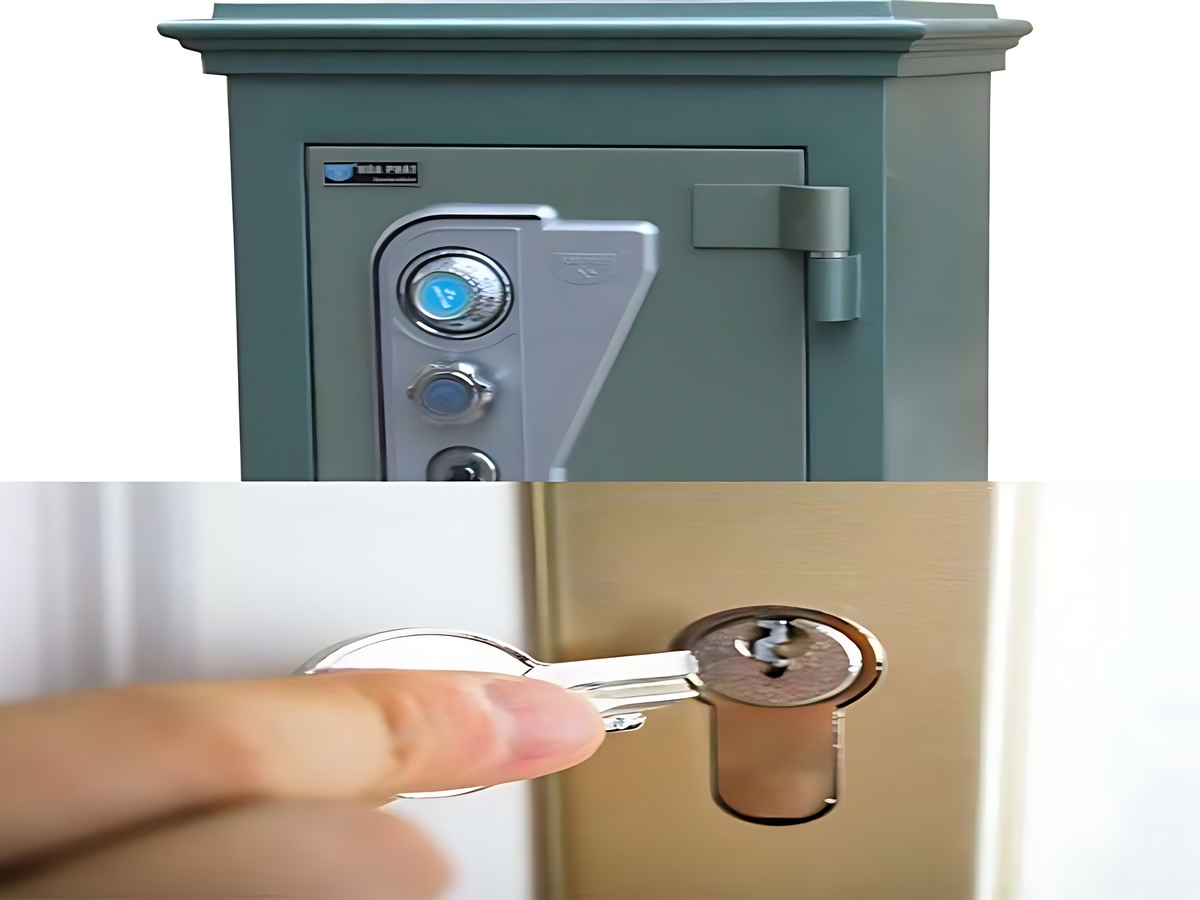
Fixed installation and the use of smart locks help optimize and secure safes. (Source: Collected)
Besides the placement of the safe, homeowners can enhance security with electronic locks, fingerprint locks, multi-layer codes, or alarm systems connected to mobile devices. However, these solutions should only be considered an additional layer of protection, not a replacement for choosing a secure, discreet, and hard-to-access location from the outside.
According to the Law on Fire Prevention, Fighting, and Rescue No. 55/2024/QH15, households and individuals have the responsibility to ensure safety in the use of fire sources, heat sources, and electrical equipment, and to mitigate fire and explosion risks. Therefore, safes should be placed in a location that does not obstruct escape routes, does not obscure electrical equipment, is not close to heat sources, and does not impede movement in emergency situations.
4.2. Tips to enhance wealth for safes
Besides safety, many families are also concerned with enhancing prosperity through the arrangement of safes. Some feng shui items such as coins and mascots symbolizing finance are often placed inside the safe to maintain positive energy. These elements not only carry spiritual significance but also contribute to creating a sense of peace of mind in asset management.
Additionally, the space around the safe needs to be kept clean and airy to maintain a stable energy flow. Proper arrangement helps limit the accumulation of negative energy and supports balance in the living space. When the safe is placed in a harmonious environment, its usability and financial accumulation ability are also maintained stably over time.
4.3. Notes for long-term safe preservation
During use, periodic inspection of the locking system and safe placement is necessary to ensure safety. Experts recommend checking the lock every 6 to 12 months to detect early signs of wear or damage. This helps limit risks and maintain the effectiveness of asset protection over the long term.
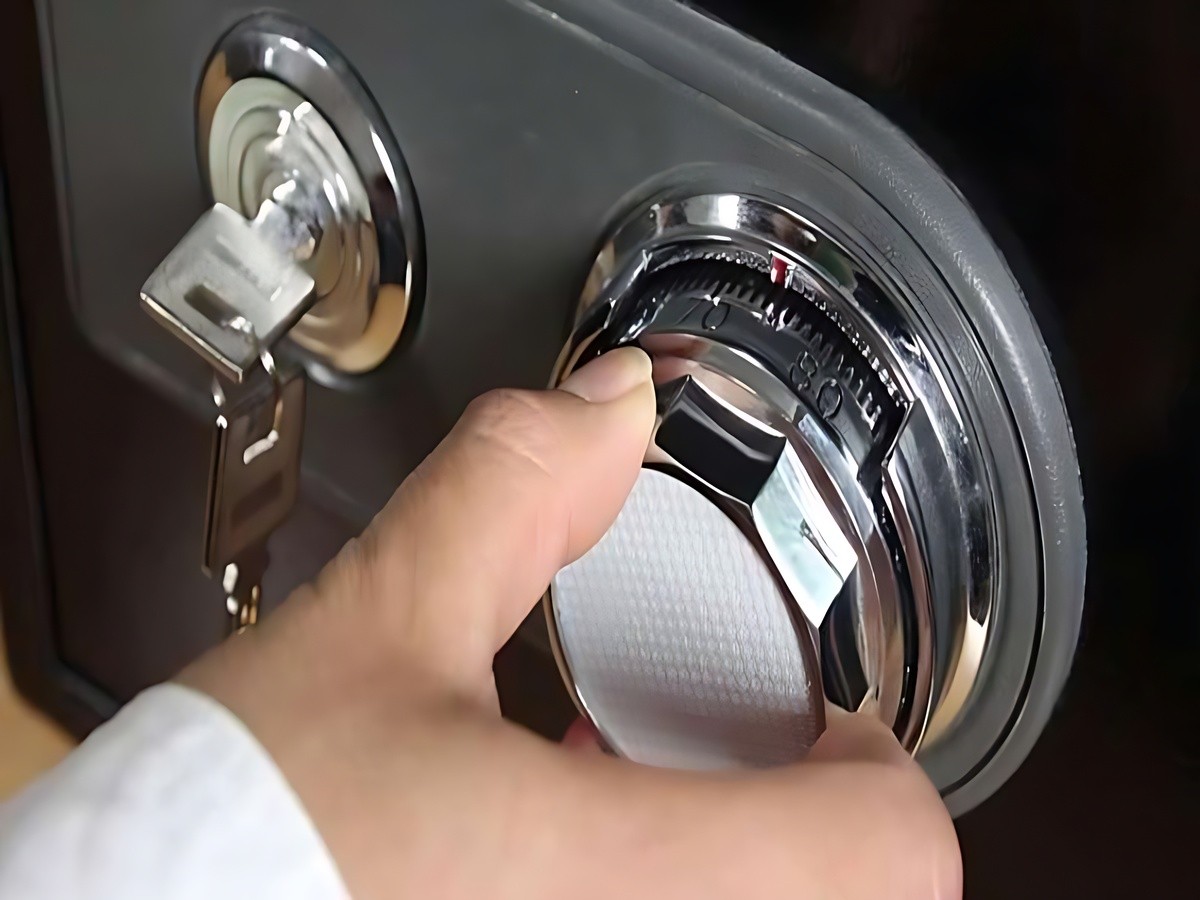
Regularly checking the lock and maintaining the safe ensures safety and durability. (Source: Compilation)
Additionally, keeping the safe dry and avoiding areas with high humidity is also an important factor. A stable environment helps protect the safe's structure and the assets inside from the effects of weather. When properly maintained, the safe not only maintains its durability but also ensures stable operation for many years of use.
The right placement of a safe in the house for money not only helps protect assets but also contributes to maintaining long-term financial stability. When harmoniously combining safety and feng shui elements, homeowners can easily control cash flow, limit risks, and increase opportunities for effective accumulation.