


How to choose a prosperous apartment floor number according to Feng Shui
Choosing an apartment floor number not only affects the living experience but is also closely related to feng shui and financial luck. Many people believe that each floor carries its own meaning, affecting the homeowner's fortune. This article will help you clearly understand how to choose a suitable prosperous apartment floor number, optimizing both living value and investment.

▲Table of Contents
1. General Information on How to Choose a Prosperous Apartment Floor Number
1.1. Feng Shui Meaning of Apartment Floor Numbers
The floor number in an apartment not only reflects the unit's location but is also considered a factor related to home Feng Shui in East Asian culture. According to traditional beliefs, each number corresponds to an element in the Five Elements (Kim, Moc, Thuy, Hoa, Tho), thereby creating different energies that affect the living environment. Therefore, the choice of floor is often associated with the desire for harmony between people and their living space.
Besides the symbolic factor, the floor number is also believed to affect the homeowner's fortune, health, and life stability. Many people believe that applying the method of choosing prosperous apartment floor numbers can contribute to a sense of peace when living long-term. However, this is mainly a reference factor and needs to be combined with other practical factors when choosing an apartment.
1.2. The relationship between floor number and homeowner's fortune
The height of the apartment directly affects air circulation and natural light, two elements considered representative of vital energy in Feng Shui. Higher floors usually have better wind reception, are less obstructed, thereby creating a feeling of spaciousness and comfort in the living space. This also contributes to improving the quality of air and the daily living environment.
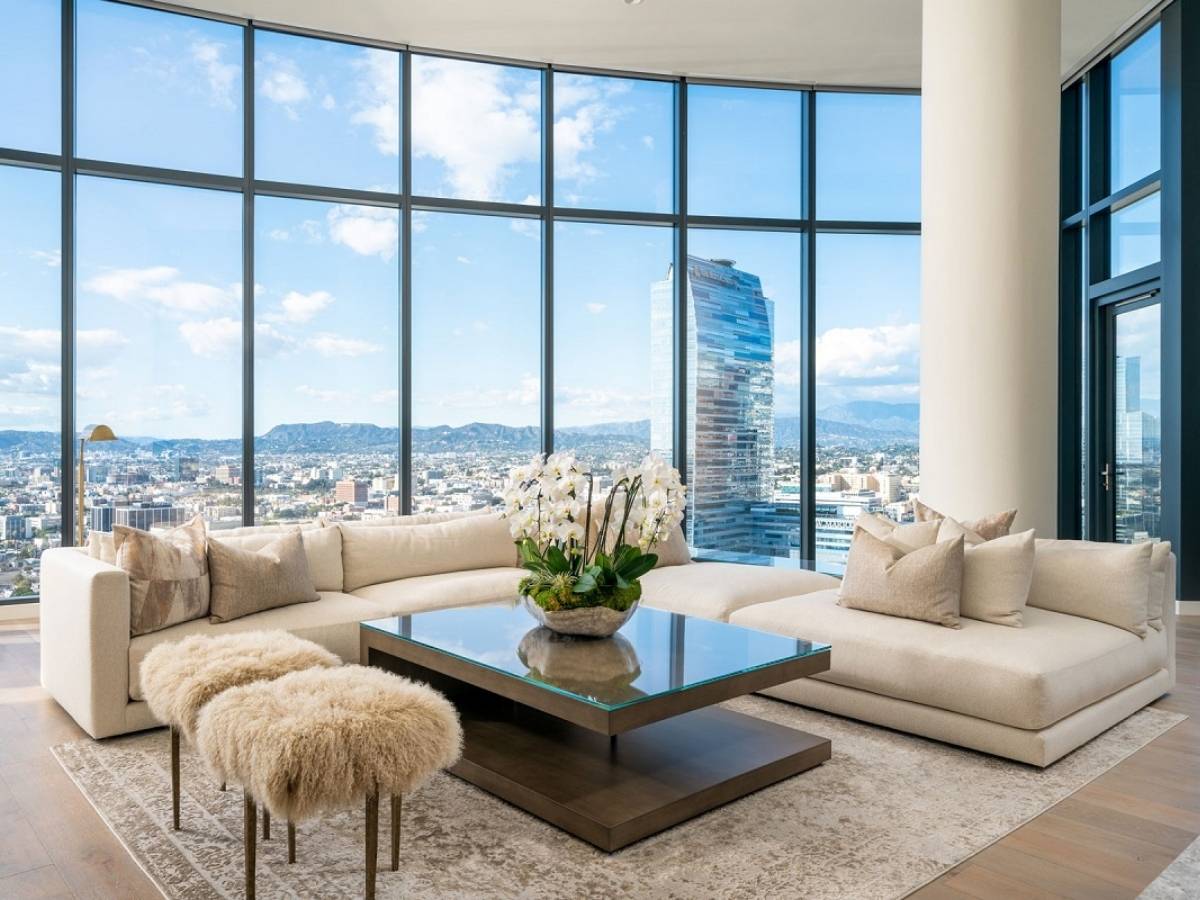
Apartment height affects vital energy, air quality, and residents' psychology. (Source: Collected)
Besides physical factors, residents' psychology is also influenced by their floor level. People living on very high floors may experience feelings of isolation or excessive reliance on elevators, while lower floors are more susceptible to noise. Considering this connection helps homeowners gain a more comprehensive perspective when applying cách chọn số tầng chung cư phát tài in practice.
1.3. Popular beliefs when choosing apartment floors
In East Asian culture, certain numbers are favored for their positive meanings, such as 6, 8, or 9, often associated with prosperity and growth. Conversely, numbers like 4 or 7 are often avoided due to pronunciations associated with unfavorable meanings. These beliefs significantly influence the apartment selection behavior in many condominium projects today.
However, modern views tend to be more flexible as many people focus on utility and usability instead of just relying on numbers. The difference between tradition and modernity is clearly shown in the approach, as buyers increasingly balance between feng shui and practical factors. This helps the choice of floor become more multi-dimensional and more suitable for living needs.
2. How to choose a prosperous apartment floor number according to feng shui
2.1. Choose a floor based on the Five Elements of your destiny
Determining one's destiny based on birth year is the first step in feng shui, helping to classify homeowners into the Metal, Wood, Water, Fire, or Earth elements. Each element corresponds to certain numbers according to the five-element theory, thereby forming the basis for choosing a suitable floor. For example, people with the Water element are often compatible with numbers related to the Metal element or the Water element itself.

Choosing an apartment floor according to the principle of mutual generation in the five elements helps homeowners balance energy. (Source: Collected)
The basic principle is to choose a floor with elements that are mutually generating or compatible with one's destiny to increase energy balance. For example, people with the Fire element (menh Hoa) can prioritize floors related to the Wood element (hanh Moc) because Wood generates Fire in the five elements. This approach helps to specify how to choose an apartment floor for prosperity in a more personalized way.
2.2. Choosing a floor according to the principles of feng shui numerology
Feng Shui numerology rules often use the sum of the digits of the floor number to determine its meaning. For example, floor 23 would have a sum of digits of 2 + 3 = 5, corresponding to a certain element in the Five Elements (Wu Xing). Numbers from 1 to 9 all carry their own meanings, related to beginnings, development, or stability.
Applying this method helps simplify the floor selection process, especially for buildings with many floors. However, the meaning of each number needs to be understood in the overall context, not separated from other factors. This is a common approach when learning about how to choose apartment floor numbers for prosperity in practice.
2.3. Choose floor based on home orientation and living environment
Home orientation and surrounding environment greatly affect the quality of life, especially the factors of wind and light. Apartments on floors that align with natural wind directions often have better ventilation, helping to reduce air conditioning costs. At the same time, natural light also contributes to improving living spaces and saving energy.

Appropriate house orientation and floor level help optimize natural light, airflow, and save energy. (Source: Collected)
Floor selection should be considered within the overall project location, including construction density and the distance between buildings. Balancing feng shui and practical convenience helps homeowners make more reasonable decisions. This is an important factor when applying how to choose apartment floors for prosperity in the context of modern urban settings.
2.4. Avoid bad floors according to folk beliefs
Some floors such as 4, 7, or 13 are often considered unfavorable due to their association with folk beliefs. These beliefs stem from linguistic and cultural factors, especially within East Asian communities. This leads many real estate projects to even omit these floor numbers in their designs.
However, in cases where these floors must be chosen, homeowners can apply balancing measures such as reasonable interior arrangement or using feng shui items. Understanding the nature of these concepts helps reduce anxiety. This is a flexible approach in the process of choosing a suitable floor.
3. Practical factors to consider when choosing an apartment floor number
3.1. Influence of floor on real estate value
In many projects, middle floors often have higher prices due to the balance between view and accessibility. High floors usually have an advantage in terms of view, but costs also increase accordingly, especially in large urban areas. Meanwhile, low floors have more accessible prices, suitable for many customer groups. Real estate value also depends on many other factors such as project location and internal amenities. However, the floor factor still plays a certain role in apartment valuation. This directly affects investment decisions and buyer choices.
3.2. Living experience by floor group
Lower floors are usually convenient for movement, especially in case of power outages or elevator malfunctions. However, this area is easily affected by noise and dust from the outside environment. This affects the quality of life if the project is located near a busy traffic area.
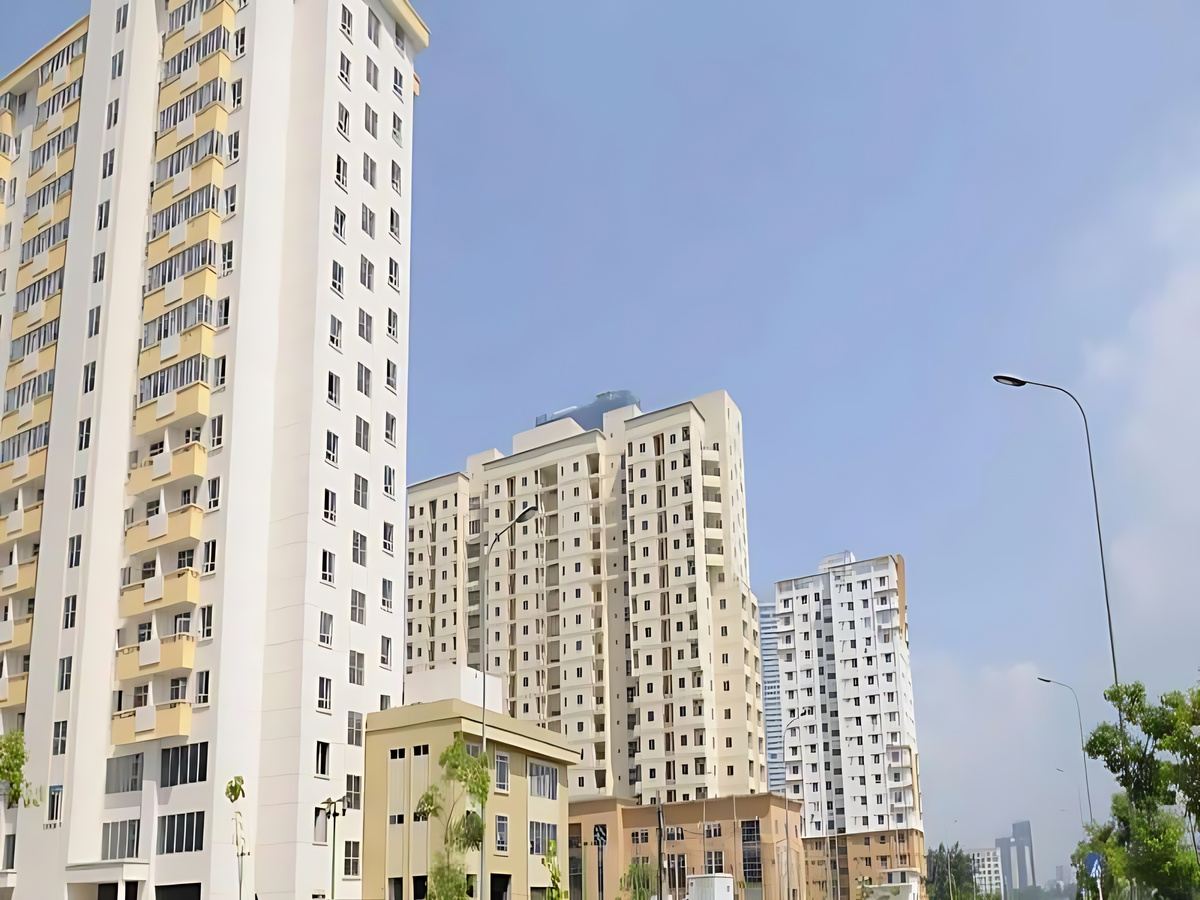
Choosing an apartment floor requires balancing convenience, quietness, and living space. (Source: Collected)
The middle floor is considered a balanced choice as it ensures both tranquility and convenience of using facilities. Meanwhile, the high floor offers an airy space but relies heavily on the elevator system. This difference helps buyers consider more carefully before choosing.
3.3. Technical safety and building operation factors
Evacuation capability is an important factor to consider when choosing a floor in a building. Current regulations require evacuation and fire prevention and fighting systems to comply with strict technical standards. This helps ensure the safety of residents in emergency situations and minimize risks.
Technical systems such as elevators, water supply, and fire safety must ensure stable operation according to the building's height. According to Housing Law No. 27/2023/QH15, the lifespan of an apartment building is determined by design documents and the actual usage period concluded by competent authorities. Floor selection needs to be accompanied by checking the building's operational functions, ensuring the structure meets structural and safety requirements throughout its service life. This helps residents feel secure about their quality of life and asset value in the long term.
3.4. Legal regulations related to apartment buildings
Currently, the management of apartment buildings is tightened by Law on Housing No. 27/2023/QH15 and Law on Real Estate Business No. 29/2023/QH15. These regulations require investors to be transparent about information regarding common and private ownership rights and to pay maintenance fees as stipulated. In addition, apartments on all floors must comply with Amendment 1:2023 QCVN 06:2022/BXD, issued together with Circular 09/2023/TT-BXD, effective from December 1, 2023, on fire safety for houses and constructions (along with the latest amendments and supplements). This regulation strictly stipulates evacuation distances and stair pressurization systems, ensuring absolute safety for residents whether on lower or the highest floors.
4. Expert Tips for Choosing Auspicious Apartment Floors
4.1. Combining Feng Shui with Practical Needs
Feng shui is a reference factor but should not be the sole criterion when choosing an apartment floor. The selection should be based on the family's actual usage needs, including the number of members and living habits. This helps ensure suitability for long-term use. Additionally, convenience factors such as proximity to elevators or utility areas should also be considered. The combination of feng shui and practicality helps make the decision more reasonable. This is an approach recommended by many real estate experts.
4.2. Common mistakes when choosing an apartment floor
One of the common mistakes is to only focus on numbers considered beautiful, ignoring the specific location of the apartment. This can lead to choosing an apartment with an unsuitable direction or blocked from sunlight, thereby affecting the quality of life.
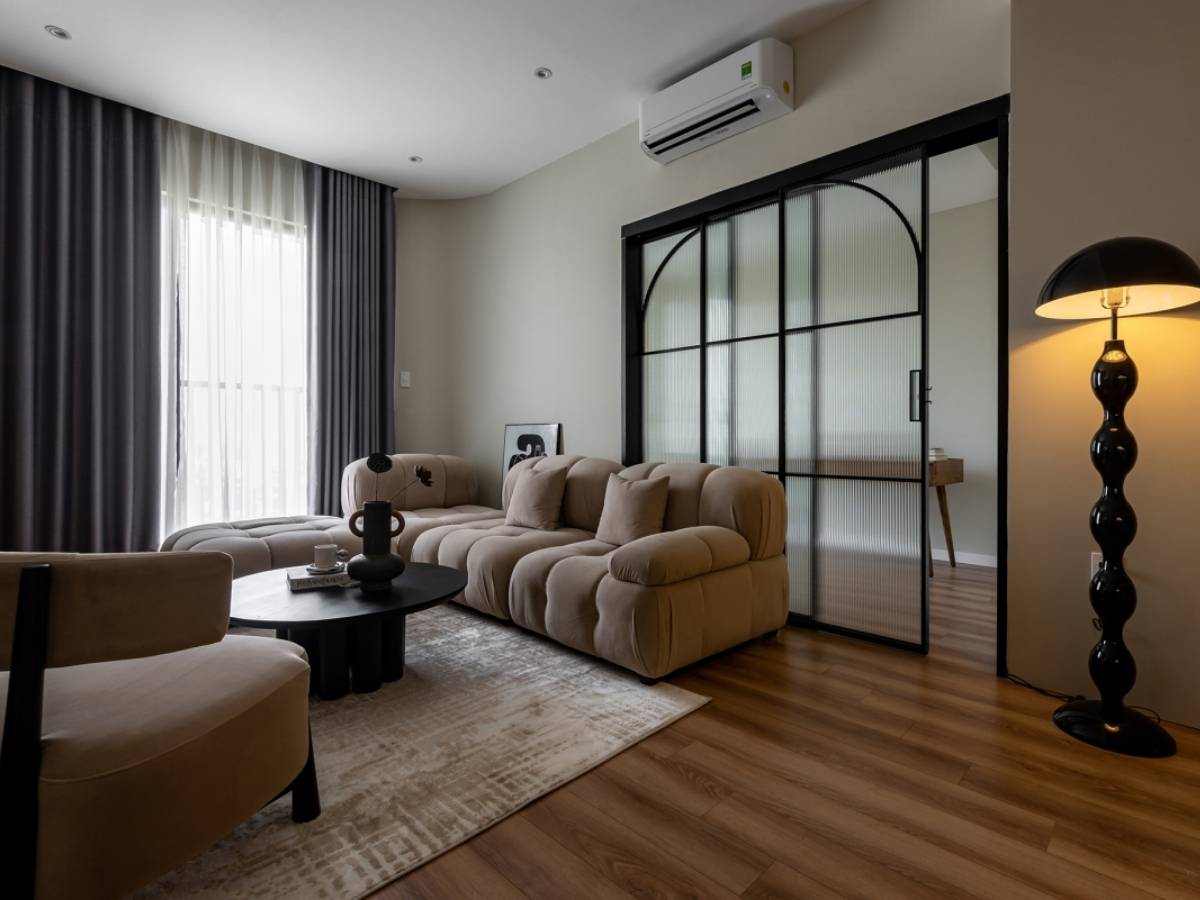
Avoid focusing on the floor number and ignoring the orientation and surrounding infrastructure of the apartment. (Source: Collected)
Additionally, not considering the surrounding environment such as construction density or transportation infrastructure is also a limitation. Choosing a floor that is too high or too low without fitting actual needs can cause inconvenience in daily life. These mistakes need to be identified to be avoided during the selection process.
4.3. Suggestions for choosing floors suitable for each group of people
Young families often prefer middle floors due to convenient access and easy reach to amenities. This group is often concerned with the balance between cost and quality of life. This helps optimize the living experience in an urban environment. Elderly people tend to choose lower floors to reduce reliance on elevators and ensure safety when moving around. Meanwhile, investors often choose floors with high liquidity, easy to resell or rent out. This differentiation reflects diverse demands in the real estate market.
How to choose a prosperous apartment floor is not just limited to feng shui factors but also needs to be harmoniously combined with living needs and practical conditions. When you clearly understand the principles of choosing a floor suitable for your personal destiny, environment, and usability, you will easily make the right decision, both ensuring prosperity and optimizing long-term quality of life.