


Important notes to remember about handwritten land sale contracts
In practice, many land transactions still use handwritten land sale contracts due to their speed and convenience. However, this form carries significant legal risks if not carried out according to regulations. The article below will help you clearly understand the legal value, key considerations, and how to effectively limit disputes.

▲Table of Contents
1. Overview and current status of handwritten land sale contracts
1.1. Nature of handwritten land sale contracts
In reality, handwritten land sale contracts are understood as written agreements between the buyer and the seller regarding the transfer of land use rights but are not notarized or certified according to current legal regulations. According to Clause 3, Article 27 of Land Law No. 31/2024/QH15, contracts for the transfer of land use rights and assets attached to land must be notarized or certified, except for cases where one or all parties to the transaction are real estate business organizations. Therefore, handwritten documents are not considered standard contracts in terms of form, except for certain special cases recognized by law for continuity from previous periods.
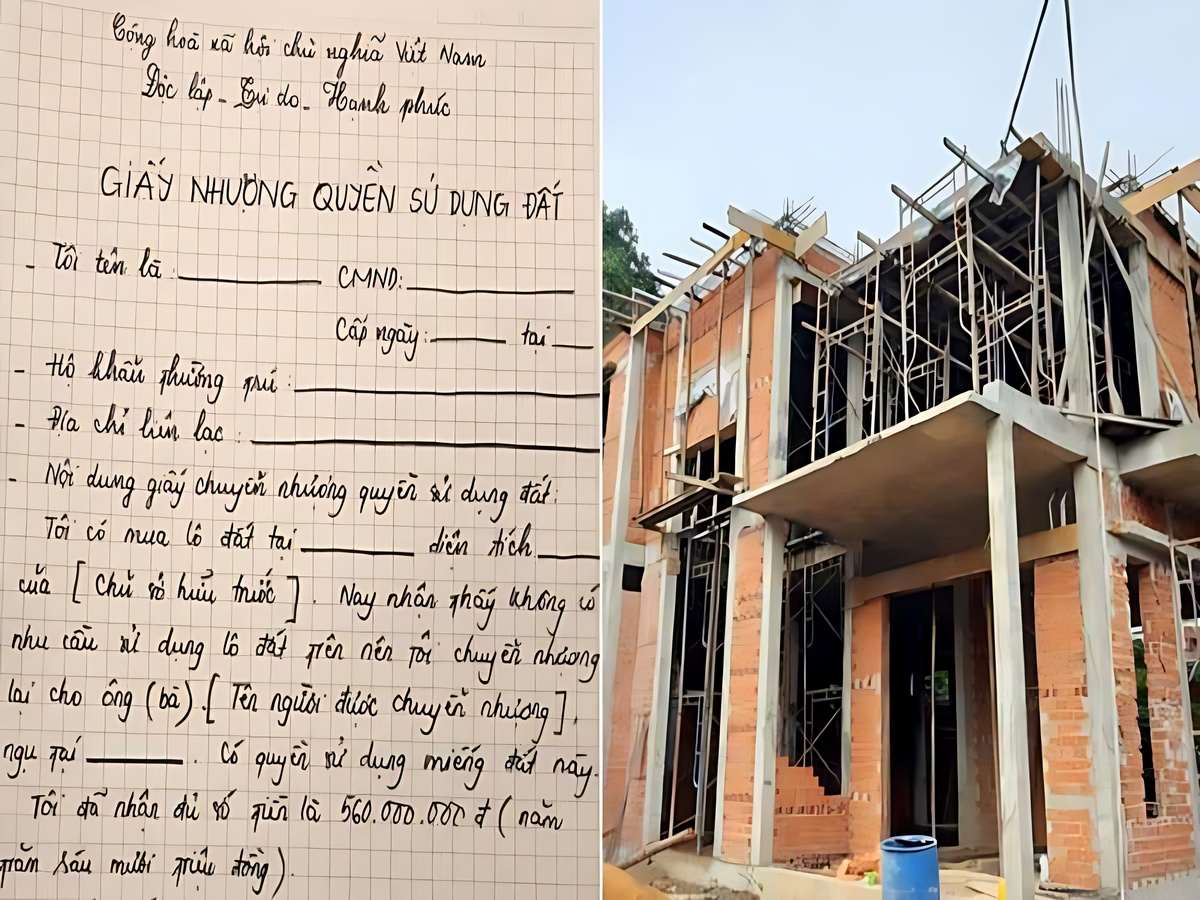
Definition of a handwritten land sale contract according to legal regulations. (Source: Collected)
In essence, this transaction is still a civil agreement between parties but does not fully meet the form requirements under the law regarding the transfer of land use rights. This leads to the contract potentially not being recognized when carrying out related legal procedures. In many cases, the legal validity of the contract depends on the specific circumstances and timing of the transaction.
1.2. Reasons why this type still exists in civil transactions
In practice of transactions, handwritten land sale contracts are still used by many people due to their convenience and the fact that they do not require complex notarization or authentication procedures as stipulated by current law. Quick transactions help parties save time and costs related to administrative procedures. This makes the handwritten form still exist in many small-scale transactions in the market.
Furthermore, traditional transaction habits and subjective psychology in familiar relationships are also reasons why many people choose this form instead of formal contracts. Some cases use it when land has not yet met legal conditions or is in the process of completing documentation. This reflects the reality that the market still has many transactions that do not fully comply with legal regulations.
1.3. Current situation of using handwritten contracts in the market
Currently, handwritten land sale contracts still commonly appear in some areas where land transactions have incomplete legal status or land has not been granted a certificate of land use rights as regulated. These transactions usually occur between individuals and without legal intermediaries. This increases the risk of disputes arising during the land use process.

The reality of using handwritten land sale contracts with many risks. (Source: Collected)
The reality shows that many cases of using handwritten documents face difficulties in transferring land use rights or performing related administrative procedures. Some cases are only considered for resolution when they meet the transitional conditions according to legal regulations. This indicates that the use of handwritten forms poses many legal risks in real estate transactions.
2. The validity and legal safety boundaries of handwritten land sale contracts
2.1. Legal regulations related to land transfer
According to Article 27 of the 2024 Land Law, the transfer of land use rights must be registered with the land registration agency and takes effect from the time of registration in the land registry. The law has strict requirements regarding form: the contract must be made in writing and be notarized or authenticated. Failure to comply with this regulation results in the buyer being unable to carry out the procedure for registering changes (transferring the Red Book/Pink Book), meaning the land use rights have not been legally transferred administratively.
2.2. Cases where handwritten contracts are recognized
Although the general regulation requires notarization, according to Clause 2, Article 129 of the Civil Code 2015 (still effective in 2026), if a transaction was established in writing but violates the mandatory regulations on notarization and authentication, and one or both parties have performed at least two-thirds of their obligations in the transaction, then upon the request of one or both parties, the Court shall issue a decision recognizing the validity of that transaction. Furthermore, cases of sale and purchase by handwritten agreement before January 1, 2025, will also be considered for the issuance of a Certificate if they meet the conditions regarding origin and land use period as stipulated in Article 138 of the Land Law 2024.

Cases where handwritten land sale contracts are legally recognized. (Source: Collected)
Legal risks when using handwritten contracts
Handwritten contracts carry extremely large risks because it is impossible to perform the registration of changes at the Land Registration Office. According to the new mechanism of the 2024 Land Law, ownership control is becoming increasingly strict through the national land information system. If only the handwritten document is kept, the buyer will not be listed in the land database, cannot be mortgaged to a bank, will face difficulties in receiving compensation if the land is expropriated, and can easily be "backtracked" by the seller to sell to another person through a valid notarized contract.
2.4. Handling capability when disputes arise
When disputes arise, a handwritten land sale contract can be submitted to the Court for consideration and resolution based on the provisions of civil law related to civil transactions. The Court will base its decision on evidence and the extent to which the parties have fulfilled their obligations. This is a common method for resolving disputes related to handwritten transactions.
3. Contents required in a handwritten land sale contract
3.1. Verification of the status and legal capacity of the transacting parties
In the transaction content, a handwritten land sale contract must fully present the information of the participating parties including the seller and the buyer to clearly identify the subjects of the civil transaction. Information such as full name, identification documents, and contact address helps ensure verifiability when needed. This is an important factor in limiting arising disputes.
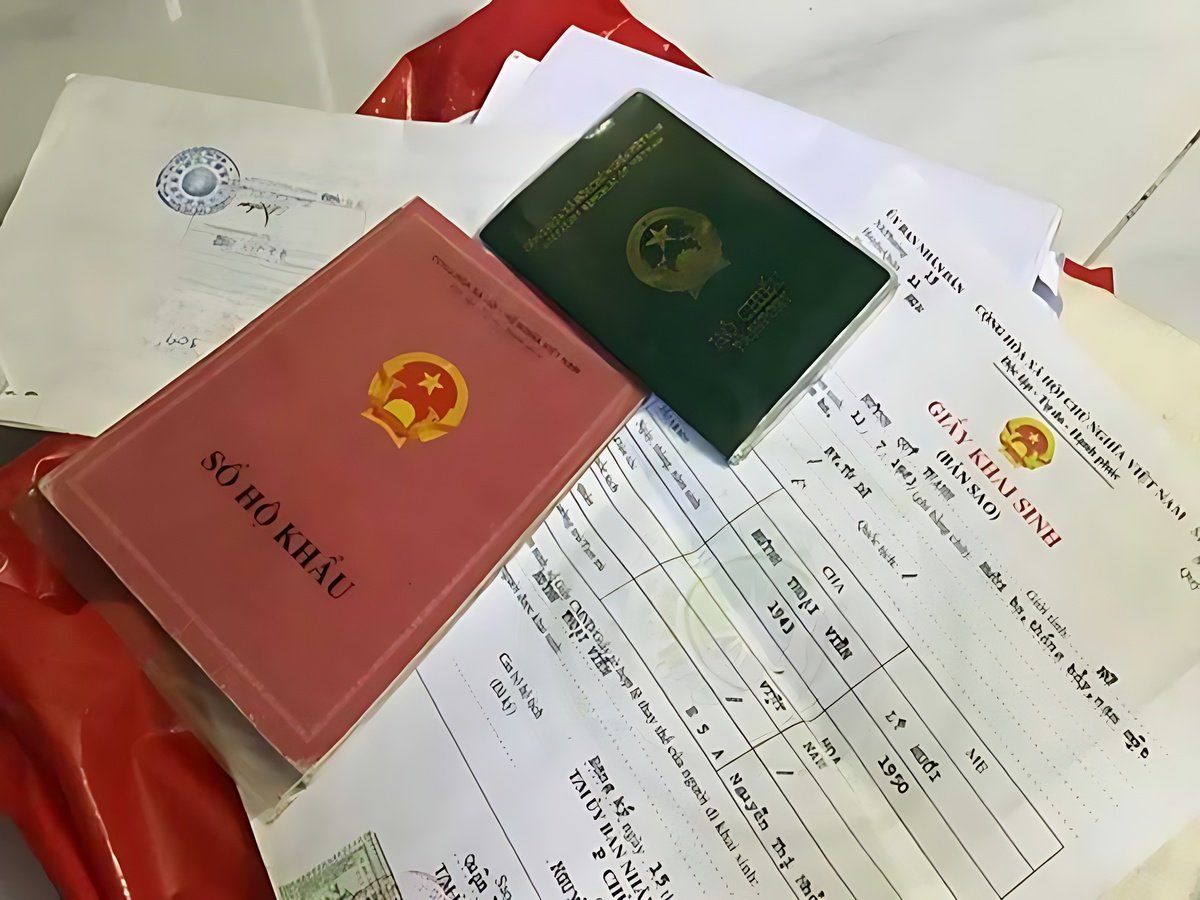
Information of the parties involved in a handwritten land sale contract. (Source: Collected)
Clearly recording information helps determine the legal responsibilities of the parties during the process of transferring land use rights. When disputes arise, this information serves as a basis for competent authorities to review and resolve. Lack of clear information can make it difficult to protect the legitimate rights and interests of the parties.
3.2. Detailed description of the extract, location, and current status of the land parcel
In the contract content, the handwritten land sale contract needs to clearly describe the land parcel information including area, location, and legal status to clearly define the subject of transfer between parties. Information related to the land use rights certificate needs to be specifically recorded in the transaction content. Additionally, assets attached to the land, if any, also need to be clearly listed to ensure the rights of the parties during the transaction process.
3.3. Pricing mechanism, disbursement roadmap, and cash flow receipt
In financial content, handwritten land sale contract must clearly stipulate the transfer value and payment method to ensure transparency in the obligations between the parties involved in the transaction. The amount must be specifically recorded to avoid disputes during the execution process. This helps the parties have a basis for fulfilling their financial obligations according to the agreement.
The payment time also needs to be clearly defined to ensure the progress of contract execution and avoid disputes related to payment obligations. Payment methods need to be recorded for convenient transaction reconciliation. Transparency in financial content contributes to enhancing transaction stability.
3.4. Terms of Ownership Representation and Indemnity
Commitments related to the legal status of the land, ownership rights, and financial obligations need to be clearly recorded as a basis for when disputes arise. Clearly defining responsibilities helps the parties proactively fulfill their obligations in the transaction. This contributes to limiting risks and enhancing the effectiveness of the contract.

Commitment and responsibilities of the parties in the land sale and purchase contract. (Source: Collected)
4. Ways to mitigate risks when using handwritten contracts
4.1. Land planning inquiry and dispute prevention procedures
Before the transaction, the content of the handwritten land sale and purchase contract needs to be carefully checked for legal validity by verifying land use rights and the property's planning status according to legal regulations. This ensures the property is eligible for transfer and free from disputes. Checking information helps minimize transaction risks.
Additionally, verifying land use certificates and asset origins helps ensure transactions are conducted with the legally authorized party. If this step is skipped, buyers may face risks related to asset ownership. This is a crucial factor in ensuring safety in real estate transactions.
4.2. Roadmap for standardizing documents for conversion to notarized contracts
To ensure safe and transparent transactions, parties should notarize contracts at a notary office or authenticate at the Commune-level People's Committee (Uy Ban Nhan Dan cap xa). A notarized contract is the sole legal basis for authorities to issue changes or new issuances of the Certificate of Land Use Rights, Ownership of Assets Attached to Land (Giay Chung Nhan quyen su dung dat, quyen so huu tai san gan lien voi dat) according to the new form of the Land Law 2024 (Luat Dat Dai 2024). This serves as the strongest "shield" to protect rights and avoid prolonged disputes and costly litigation expenses at court.
4.3. Rules for establishing evidence and securely storing payment receipts
During the transaction process, a handwritten land sale contract must be fully preserved along with related documents such as proof of payment and transaction documents to serve as a legal basis in case of disputes. These documents help parties easily cross-reference information during contract execution. Record keeping helps improve transaction control.

Preserve all documents and evidence of land sale transactions. (Source: Collected)
Furthermore, retaining documents also aids in the process of dispute resolution or carrying out legal procedures related to land use rights in the future. Documents need to be organized systematically for convenient lookup when necessary. Preparing complete records helps protect the legal rights of the parties in the transaction.
Using handwritten land sale contracts may offer convenience but also carries many risks if not compliant with legal regulations. To ensure transaction safety, you should carefully consider and prioritize legal contract forms to protect long-term interests.