


Overview of Vietnam's second home trends in 2026 and investment opportunities
The resort real estate market is entering a new phase, where the trend of second homes in Vietnam 2026 not only reflects the need for asset ownership but also shows a strong shift in lifestyle and long-term investment strategies. The following article will analyze in more detail, inviting you to take a look.

▲Table of Contents
1. Vietnam's Second Home Market Landscape Before 2026
1.1. Formation and Shaping Process of the Second Home Segment in Vietnam
Second homes in Vietnam began to form during the period of coastal tourism development, when the demand for owning resort real estate combined with investment started to emerge in coastal areas. The first products were mainly concentrated in areas with natural landscapes such as Nha Trang or Phu Quoc, serving customers who needed long-term vacations. Looking back at the development process, many people are asking how the Vietnam second home trend 2026 will continue these foundations in the context of a changing market.

Second home Vietnam develops from seaside tourism to diverse resort products. (Source: Compiled)
Over time, the market has seen the participation of large corporations with increasingly systematic project development scales and more diverse product types. Not only limited to seaside villas, second homes have also expanded to include resort apartments, townhouses, and suburban ecological models. This helps the market become richer and reach more customer segments in reality.
1.2. Market developments period 2020 – 2025
The period 2020 to 2025 recorded many fluctuations due to the impact of the pandemic, causing the resort real estate market to slow down in transaction activities at times. However, after tourism recovered, the demand for owning second homes began to increase again, especially in coastal areas and suburban regions. When evaluating Vietnam's second home trends 2026 , this period plays a role as a significant transition for the market.
Investor behavior has changed significantly, shifting from short-term speculation to focusing on real utility value. According to the Real Estate Business Law No. 29/2023/QH15, the tightening of land subdivision and sale in type I, II, and III urban areas has directed capital flow into formal projects with transparent legal status. Buyers now prioritize products with completed infrastructure and the potential for stable cash flow, creating a more sustainable and substantive market development.
1.3. Fundamental factors driving growth in the 2026 period
Strong transportation infrastructure development with a system of highways and airports helps shorten travel time from urban areas to resort destinations. This makes second homes no longer a rarely used asset but rather a more flexible weekend getaway option. When analyzing the Vietnam second home trend 2026, infrastructure is considered a key driver.
Besides, tourism promotion policies and the rise of the middle class have expanded the demand for owning resort real estate. Buyers are not only looking for a place to rest but also for asset appreciation and living experiences. These factors create a foundation for the market's development in the new phase.
2. Key second home trends in 2026
2.1. Second homes associated with resort - wellness living
The trend of second homes associated with healthcare is becoming popular as buyers prioritize green living spaces and a fresh environment. Projects integrating amenities such as spas, meditation, and therapy enhance the living experience. When evaluating second home trends Vietnam 2026 , the wellness factor is considered one of the prominent trends.
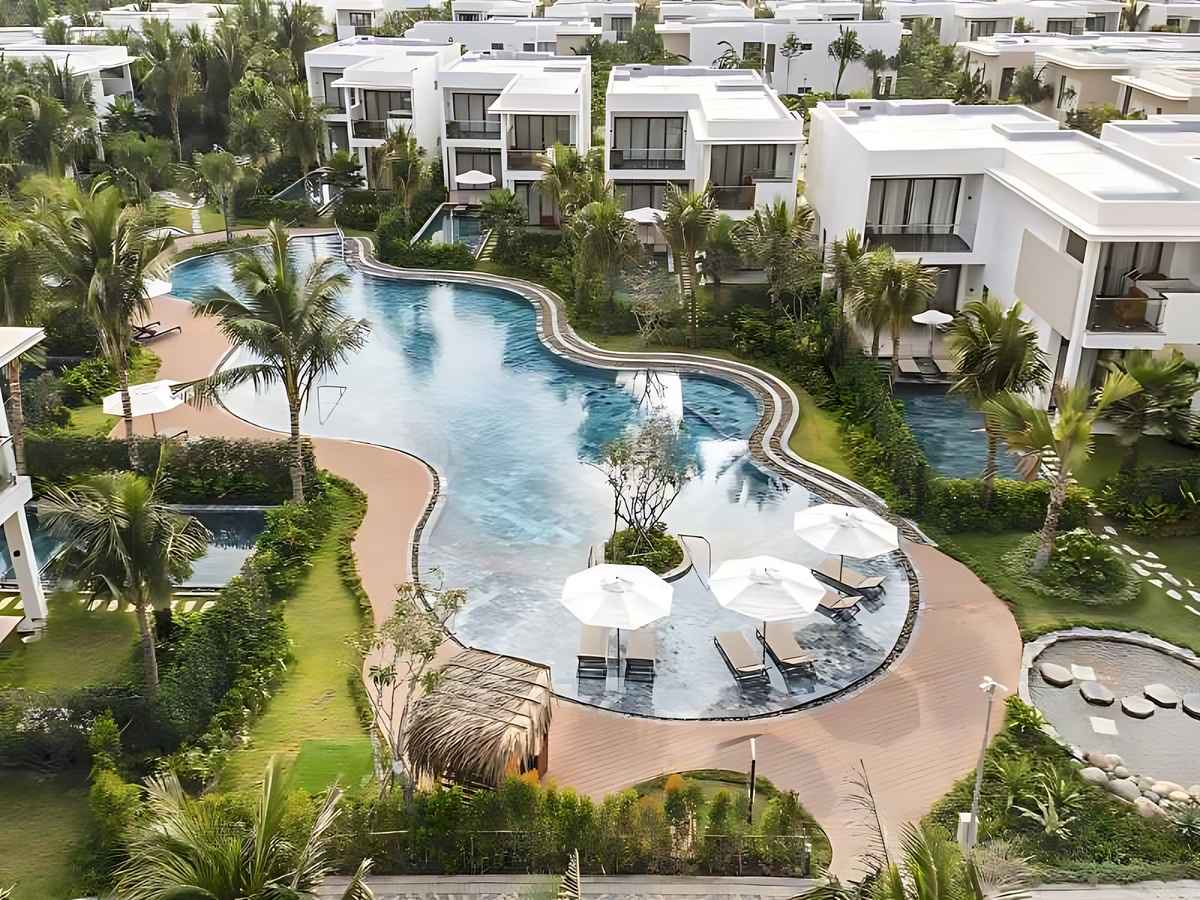
The trend of second homes in Vietnam is associated with wellness. (Source: Compiled)
Living spaces close to nature help improve physical and mental health, meeting the long-term vacation needs of people. This is especially evident after the pandemic period when health awareness has been raised. As a result, the second home model associated with wellness is increasingly receiving attention.
2.2. Shift in investment strategy from short-term to long-term asset accumulation
The market is witnessing a shift towards a long-term asset accumulation strategy. Notably, according to Land Law No. 31/2024/QH15, the removal of the land price framework and the application of land price lists close to market prices have made compensation and site clearance more transparent, thereby strengthening confidence in asset appreciation. Investors are no longer dependent on virtual profit commitments but focus on ownership rights and the potential for long-term land value increase.
Real utility value and long-term exploitation potential become important criteria in investment decisions. This helps the market become more stable and limits risks from short-term factors. As a result, second homes are gradually becoming accumulation assets rather than just short-term investment tools.
2.3. Multifunctional second homes
Second homes are currently developed towards multi-functionality: serving as vacation spots, for remote work, and also for short-term rental business. Notably, the Law on Real Estate Business 2023 has more clearly regulated the types of tourist apartments (condotels) and tourist villas, helping owners feel more confident in obtaining ownership certificates (pink book). This multi-functionality helps optimize asset utilization and ensure cash flow even when the owner is not present.
2.4. The rise of projects with complete ecosystems
Second home projects integrating an ecosystem with full amenities such as entertainment, commercial, and resort facilities are attracting market interest. These amenities help enhance the experience for guests and improve exploitation potential. When analyzing second home trends Vietnam 2026, this model is becoming increasingly popular. A complete ecosystem helps extend the length of stay and increase tourist spending. This contributes to improving the financial efficiency of real estate.
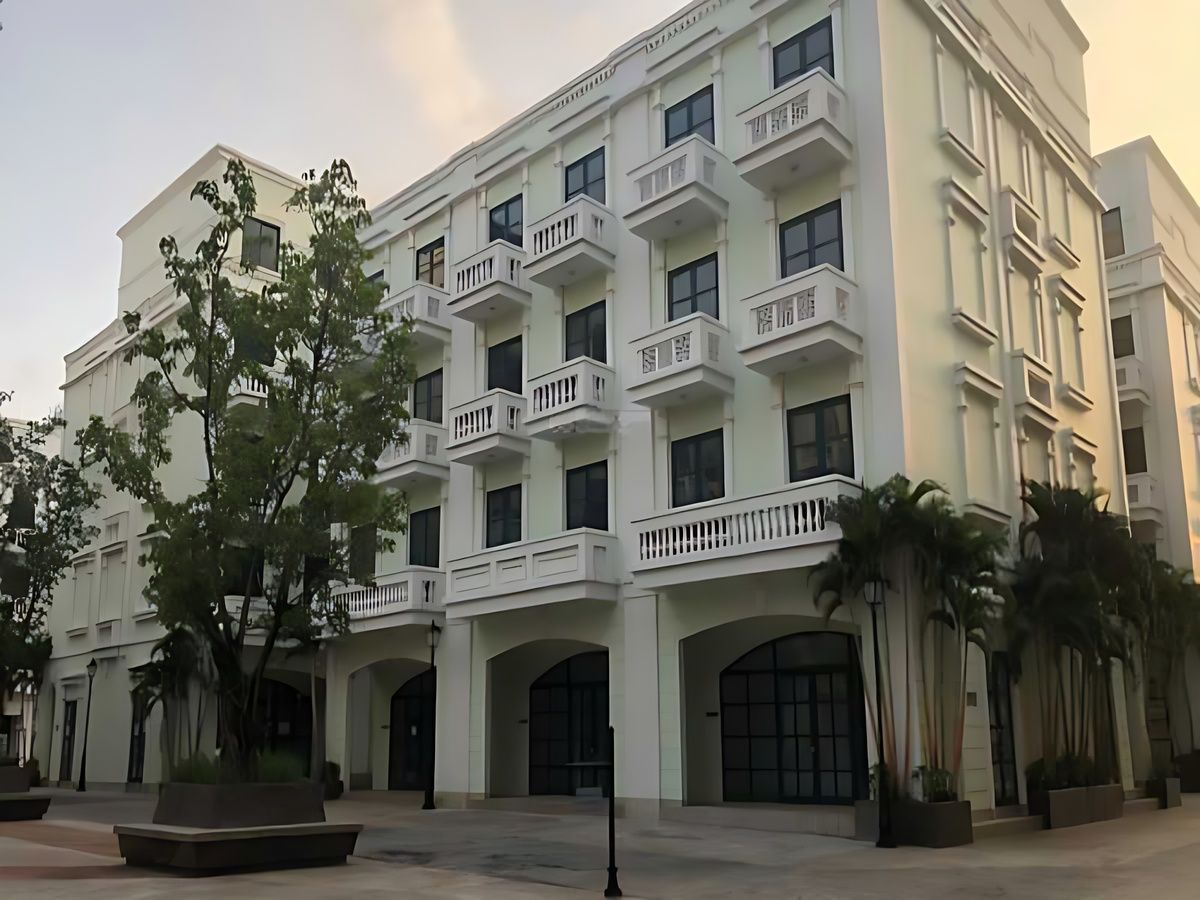
Vietnamese second home projects rise to prominence thanks to a complete ecosystem. (Source: Compiled)
3. Identifying potential areas for second home development in Vietnam
3.1. Coastal markets continue to lead
In the context of second homes in Vietnam, coastal markets continue to hold the "leading" position thanks to the convergence of core factors: natural landscapes, favorable climate, developed tourism infrastructure, and stable accommodation exploitation capability. Localities such as Da Nang, Nha Trang, Phu Quoc, Binh Thuan... not only have long-standing tourism brands but also possess sustainable demand from both domestic and international guests. This helps coastal second homes both meet vacation needs and generate cash flow through rentals.
3.2. The emergence of new destinations
Alongside traditional markets, the wave of capital shift is heading towards new destinations – where land is abundant, prices are "soft", and growth potential is high. Areas such as Quy Nhon, Phu Yen, Quang Binh, Ninh Thuan, or some suburban areas near Hanoi, Ho Chi Minh City are gradually falling into the "sight" of second home investors. The common point of these markets is possessing pristine natural landscapes, with low tourism exploitation density, thereby creating opportunities for well-planned projects to break through.
3.3. Factors determining regional potential
The potential of a second home development area depends on transportation connectivity and long-term tourism planning. Areas with good infrastructure often have a clear competitive advantage. When considering the Vietnam second home trend 2026, connectivity plays a key role. Furthermore, the ability to attract long-term guests is also an important criterion for evaluating investment effectiveness. Areas with a stable customer base will help ensure occupancy rates.

Vietnam's second home potential depends on transportation and planning. (Source: Collection)
4. Experience investing in second homes to lead the 2026 trend
4.1. Positioning second home products according to investment goals and asset appetite
In the context of the market entering a selective phase, correctly positioning second home products according to investment objectives plays a crucial role. Investors need to clearly define priorities: serving personal vacation needs, renting out for rental income, or long-term asset accumulation. At the same time, risk appetite and financial capacity also directly affect the decision, especially in balancing between price appreciation potential and actual operational exploitation capabilities. A correctly positioned product not only optimizes investment efficiency but also ensures liquidity and sustainable long-term value.
4.2. Assessing developer credibility and project legal status
Investor reputation and legal transparency are prerequisites. With the protection from Housing Law No. 27/2023/QH15 and new regulations on bank guarantees, risks for buyers have been significantly minimized. Choosing projects with construction permits and complete 1/500 planning not only ensures ownership rights but also helps assets easily become liquid or be transferred in the secondary market.
4.3. Building a financial strategy and optimizing long-term cash flow
Optimizing the long-term financial problem requires investors to allocate capital reasonably between equity and debt capital to reduce financial pressure during asset ownership. Furthermore, it is necessary to carefully calculate operating costs, maintenance, and exploitation potential to ensure stable cash flow in the long term. When evaluating the Vietnam second home trend 2026, financial factors play a decisive role in investment efficiency.

Long-term financial optimization determines the investment efficiency of second homes in Vietnam. (Source: Collected)
Investors need to be vigilant when using financial leverage in the context of strictly controlled real estate credit regulations to avoid bad debt. Current asset valuation is carried out according to the market principles of the 2024 Land Law, so input costs may be higher but are accompanied by absolute safety. A financial plan balancing equity and borrowed capital will help you maintain assets through economic cycles without being burdened by debt repayment pressure.
4.4. Operation and exploitation strategies for second homes to optimize profits
Besides product selection, operational and exploitation strategies play a decisive role in the long-term effectiveness of second home investment. Investors need to clearly define suitable exploitation methods such as self-operation for rent, entrusting to professional management units, or participating in profit-sharing programs from the developer. At the same time, optimizing room occupancy, segmenting customer segments, and building distinct accommodation experiences will help increase stable revenue. In a competitive market context, a well-planned operational strategy not only improves cash flow but also contributes to enhancing asset value and liquidity when needed for transfer.
Capturing the right Vietnam's second home trend 2026 will help investors get one step ahead of the market. When choosing products that suit real needs and long-term potential, a second home is not only an ideal vacation spot but also becomes a sustainable asset accumulation channel in the future.