


Returns from podium shophouses: Is it worth investing?
Profit from podium shophouses is attracting investors thanks to their ability to generate stable cash flow. However, profitability depends on location, resident density, and operating model. This article will help you understand the potential and how to optimize investment efficiency.

▲Table of Contents
1. What is a podium shophouse?
1.1. Concept of podium shophouse in a project
A podium shophouse is a type of real estate located on the podium levels of apartment buildings or high-rise residential areas, designed to combine business and commercial service spaces. This is the area directly adjacent to the internal roads or main traffic routes within the project, where a large number of residents and visitors gather.
Unlike traditional townhouses, podium shophouses are usually part of a synchronized master plan, directly serving the daily life, shopping, and service needs of the urban community.
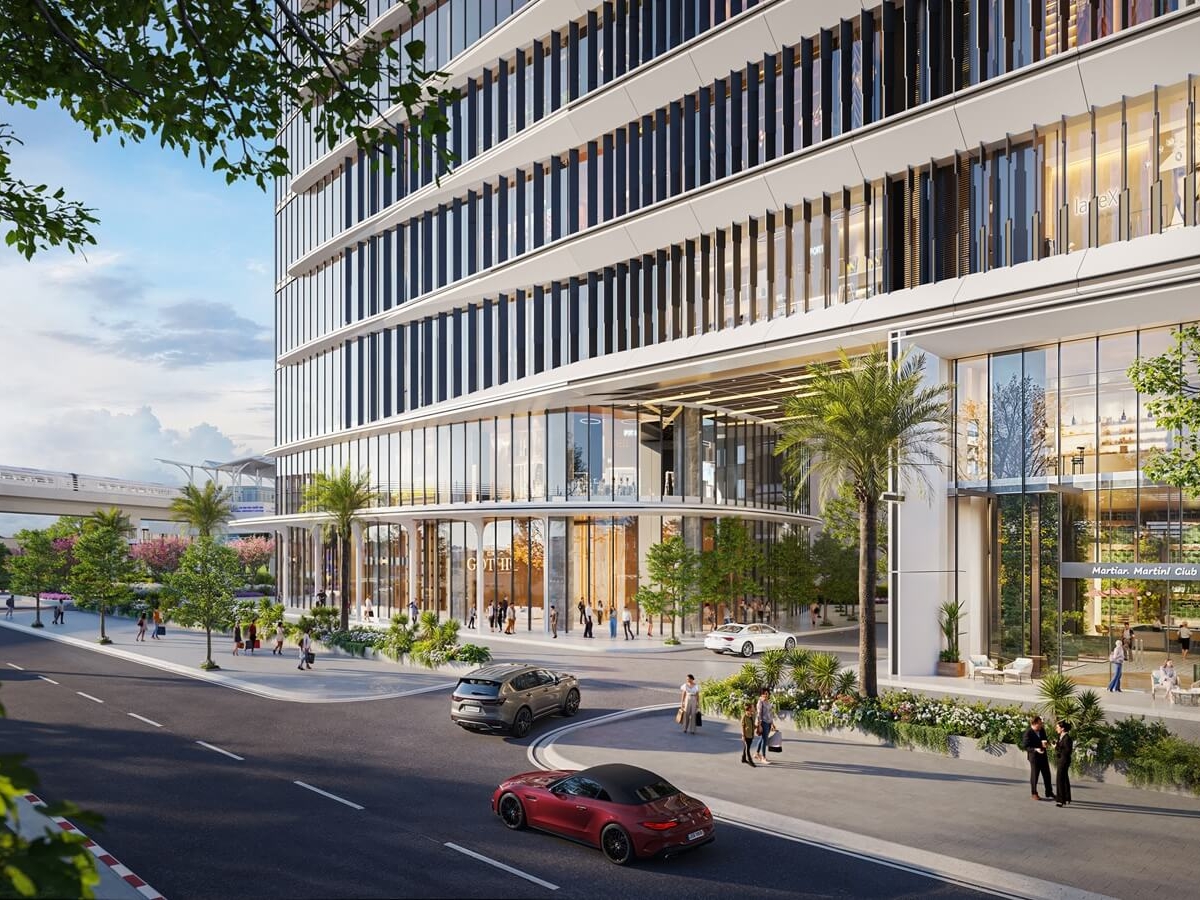
Podium shophouse is a commercial space on the lower floors of an apartment building. (Source: Collected)
1.2. Differences compared to street-front shophouses
Compared to street-front shophouses, podium shophouses are smaller in scale but possess the advantage of a ready customer base from the internal residents themselves. This helps business operations have higher stability, especially in densely populated projects.
However, street-front shophouses often have the advantage of a wide frontage, greater accessibility to walk-in customers. Meanwhile, podium shophouses depend heavily on resident density and the internal vitality of the project to create operational efficiency and profits from podium shophouses .
1.3. Role in the real estate project ecosystem
Podium shophouses act as the “commercial heart” within a real estate project. This is where essential services are concentrated, such as mini-marts, restaurants, cafes, clinics, or convenience stores, directly serving the residents' daily needs.
Thanks to the presence of podium shophouses, the project ecosystem becomes more complete, helping to enhance living value and increase liquidity for the entire urban area. At the same time, this segment is also of great interest to many investors due to its ability to generate stable cash flow and potential for value appreciation over time.
2. Where do the profits from podium shophouses come from?
2.1. Cash flow from commercial space rental
One of the most popular sources of profit from podium shophouses is renting out commercial space. Located right at the foot of apartment buildings or urban areas, podium shophouses have a ready customer base of internal residents, helping businesses operate more stably compared to many other types.
Professions such as mini-supermarkets, coffee shops, convenience stores, or essential services often have high and long-term rental demand. This helps investors generate regular monthly cash flow, reduce financial pressure, and increase stability in asset exploitation.
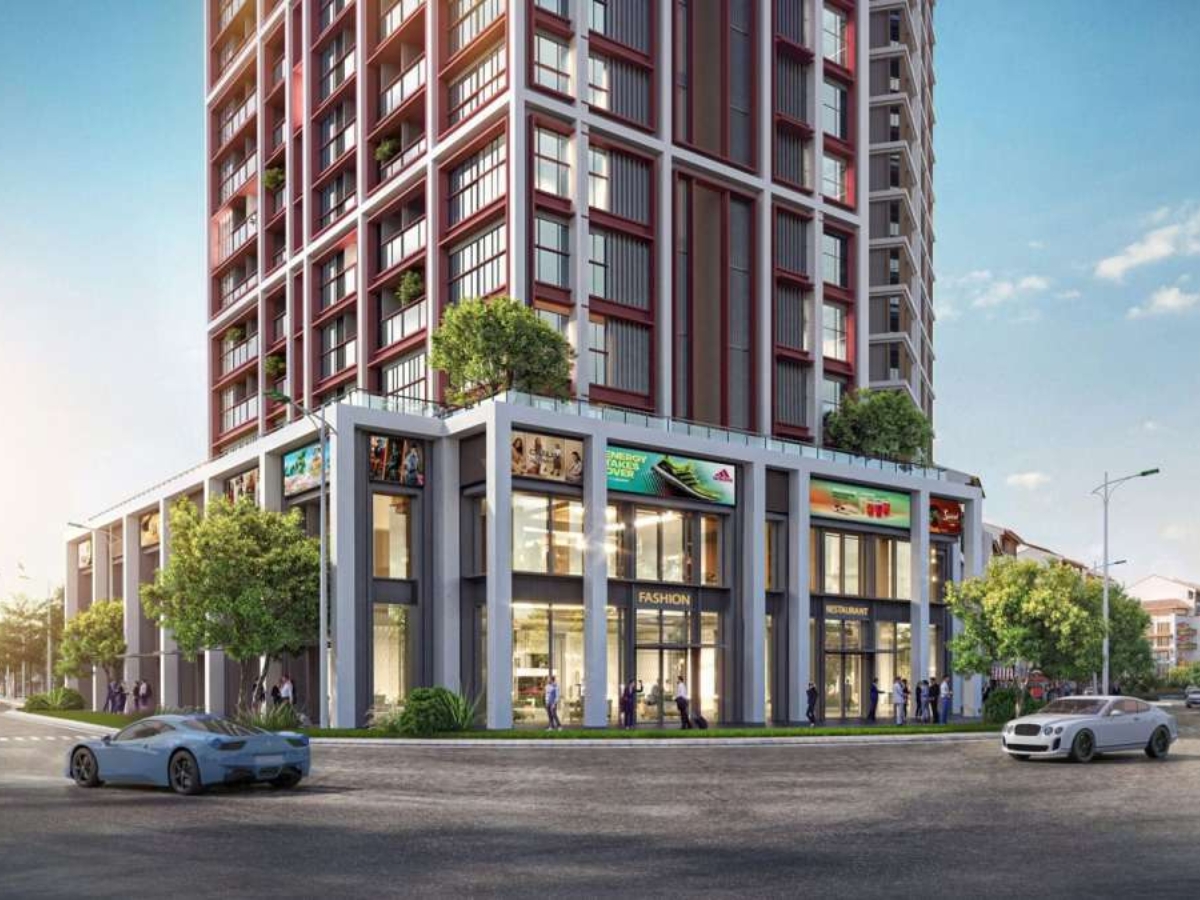
The investor earns profit from renting out commercial space. (Source: Collected)
2.2. Increase in value with the development of the project
Besides rental income, podium shophouses also have potential for price appreciation following the development of the entire project. As the urban area is completed, resident density increases, and surrounding infrastructure is upgraded, real estate values also tend to increase over time.
This is an important factor creating long-term profits from podium shophouses. Investors not only benefit from short-term cash flow but also have the opportunity to gain a large capital gain when transferring ownership at a time when the market achieves good growth.
2.3. Multi-functional exploitation (retail, services, F&B)
Another outstanding advantage is the multi-functional exploitation capability of podium shophouses. Not only limited to retail, this type is also suitable for many business models such as restaurants, cafes, clinics, spas, or utility services for residents.
Thanks to this flexibility, investors can easily adjust the exploitation model according to market demand. When combined with the right location and suitable business type, podium shophouses can optimize usage efficiency and significantly increase profits.
3. Factors affecting profitability
3.1. Location within the project (frontage, near main access)
Location is the factor that directly determines profit from podium shophouses . Units located at the facade, near the main lobby, or on busy traffic routes usually have better customer access, thus are easier to rent and achieve higher rental prices.
Conversely, secluded or low-traffic locations will be difficult to exploit for business, leading to lower cash flow efficiency. Therefore, within the same project, the value difference between locations can be very large.
3.2. Resident density and customer traffic
Resident density is the foundation that creates consumer demand for podium shophouses. A project with a dense resident population will help business models such as supermarkets, eateries, and utility services operate more stably and sustainably.
In addition, the flow of transient customers from nearby areas or tourism also contributes to increasing revenue, helping to improve operational efficiency and enhance profits from podium shophouses over time.
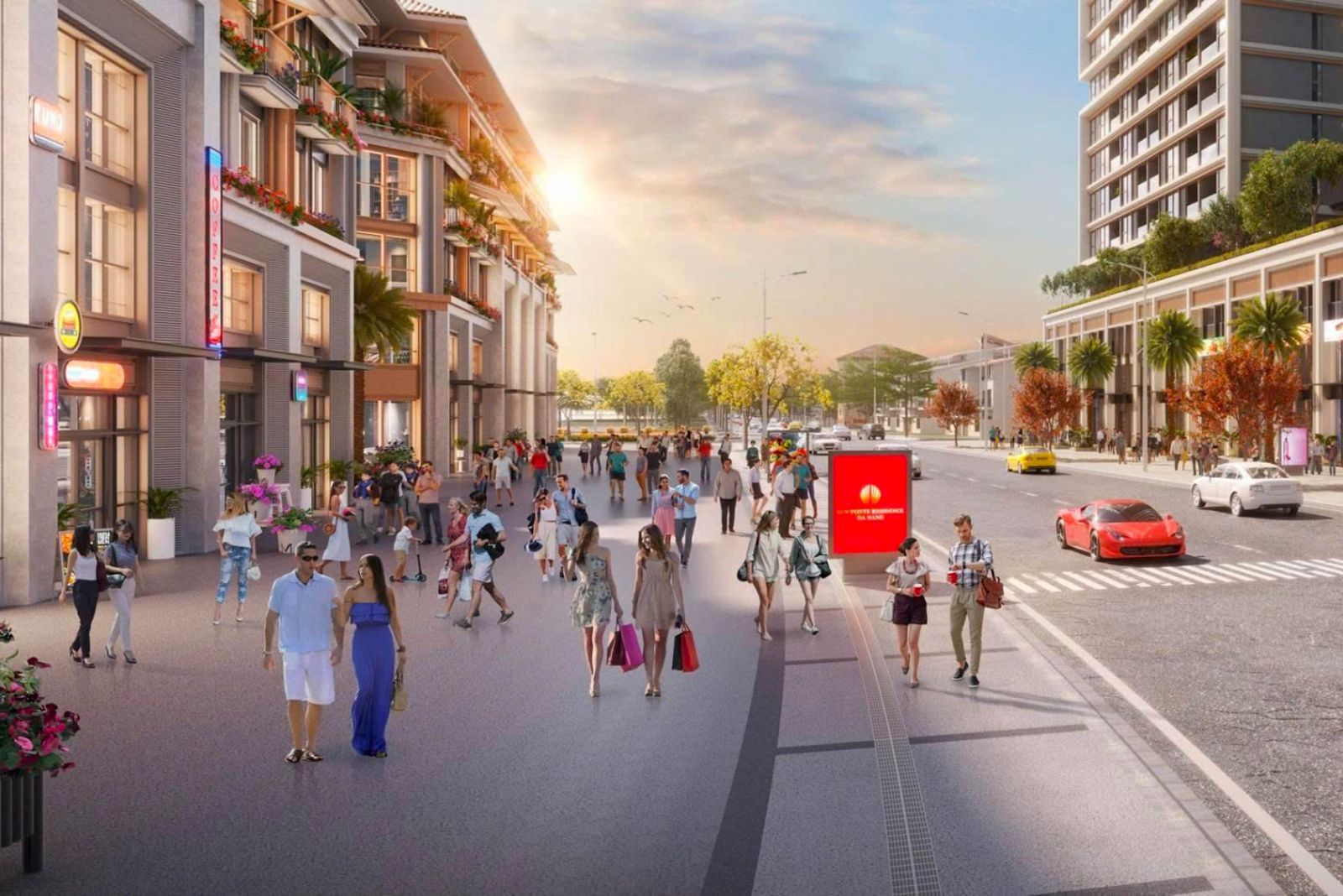
Population density and customer traffic are important factors determining the profit from podium shophouses. (Source: Collected)
3.3. Planning and Commercial Operation Model
The overall planning of the project directly affects the exploitation potential of shophouses. A well-designed urban area, with clear commercial zoning and a synchronized utility system, will create favorable conditions for business operations.
Besides, a professional commercial operation model also helps maintain a stable customer base, thereby enhancing the operational efficiency and rental value of podium shophouses.
3.4. Developer's Brand and Occupancy Rate
The reputation of the developer plays an important role in ensuring the project's progress and quality. Projects with strong brands tend to attract residents and tenants better, helping to achieve a high shophouse occupancy rate immediately after handover.
Fast occupancy not only helps generate early cash flow but also contributes to increasing asset value, thereby optimizing profits from podium shophouses in both the short and long term.
4. Risks When Investing in Podium Shophouses
4.1. Dependence on Project Progress
One of the biggest risks when investing in podium shophouses is the heavy reliance on the project's completion progress. If the urban area has not been handed over or has no residents yet, business operations can hardly be implemented immediately, leading to interrupted cash flow.
This directly affects the profit from podium shophouses, especially for investors using borrowed capital. If the progress is prolonged, financial costs may increase while no offsetting revenue is generated.
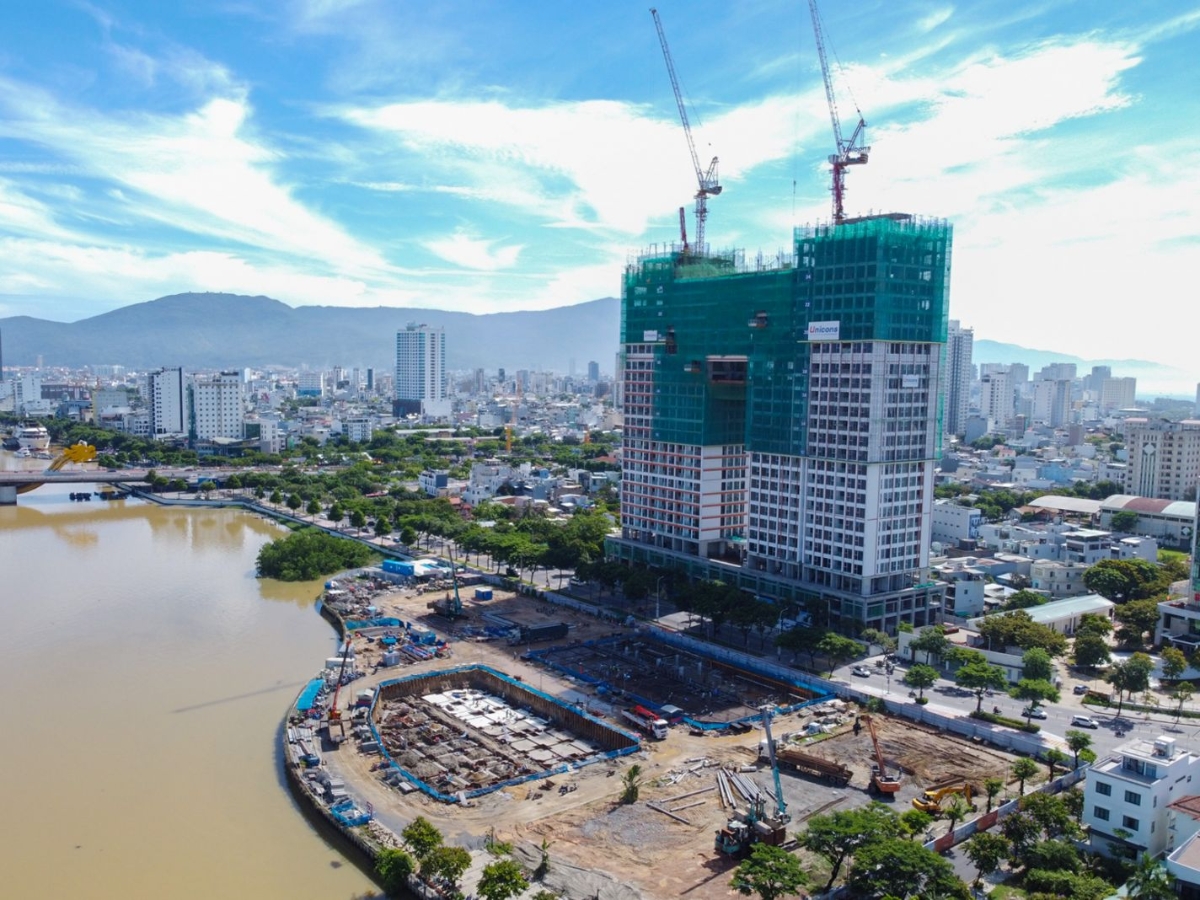
Investors cannot deploy business or rent out when the project is not yet completed. (Source: Collected)
4.2. Business potential not as expected
Not every business model in podium shophouses achieves the initially projected effectiveness. Many factors such as resident consumption habits, competition levels, or the project's industry structure can affect actual revenue.
In some cases, the premises may have to adjust their business model or reduce rental prices to attract customers, thereby reducing operational efficiency and affecting expected profits.
4.3. Low occupancy rate in the initial phase
In the initial phase when the project is newly operational, low resident density leads to low demand for services. This results in unstable occupancy rates for podium shophouses, reducing initial exploitation efficiency.
Without a brand attraction strategy or good operational support, investors may have to wait a long time to achieve optimal exploitation. This is a factor to consider carefully when evaluating the profitability of podium shophouses in the short term.
5. Suggestions for choosing potential podium shophouses
In investment practice, choosing the right podium shophouse product not only determines the business exploitation potential but also directly affects profit from podium shophouses in the long term. Investors should prioritize projects with synchronized planning, high resident density, and a complete utility ecosystem, as these are factors that create a stable customer flow for commercial activities.
Among the currently outstanding product groups, large-scale projects by Sun Property (a member of Sun Group Corporation) can be mentioned, such as Sun Feliza Suites in central Hanoi, which has advantages in trade and commerce and high consumer demand from the surrounding residential areas and office blocks. In Da Nang, projects like Sun Symphony Residence or Sun Cosmo Residence own riverside locations and are near tourist centers, suitable for developing podium shophouses serving both residents and tourists. Meanwhile, in Phu Quoc, complexes like Sun Grand City Hillside Residence or the Sunset Town area have strong advantages in tourism exploitation, helping to increase cash flow from services and commerce.
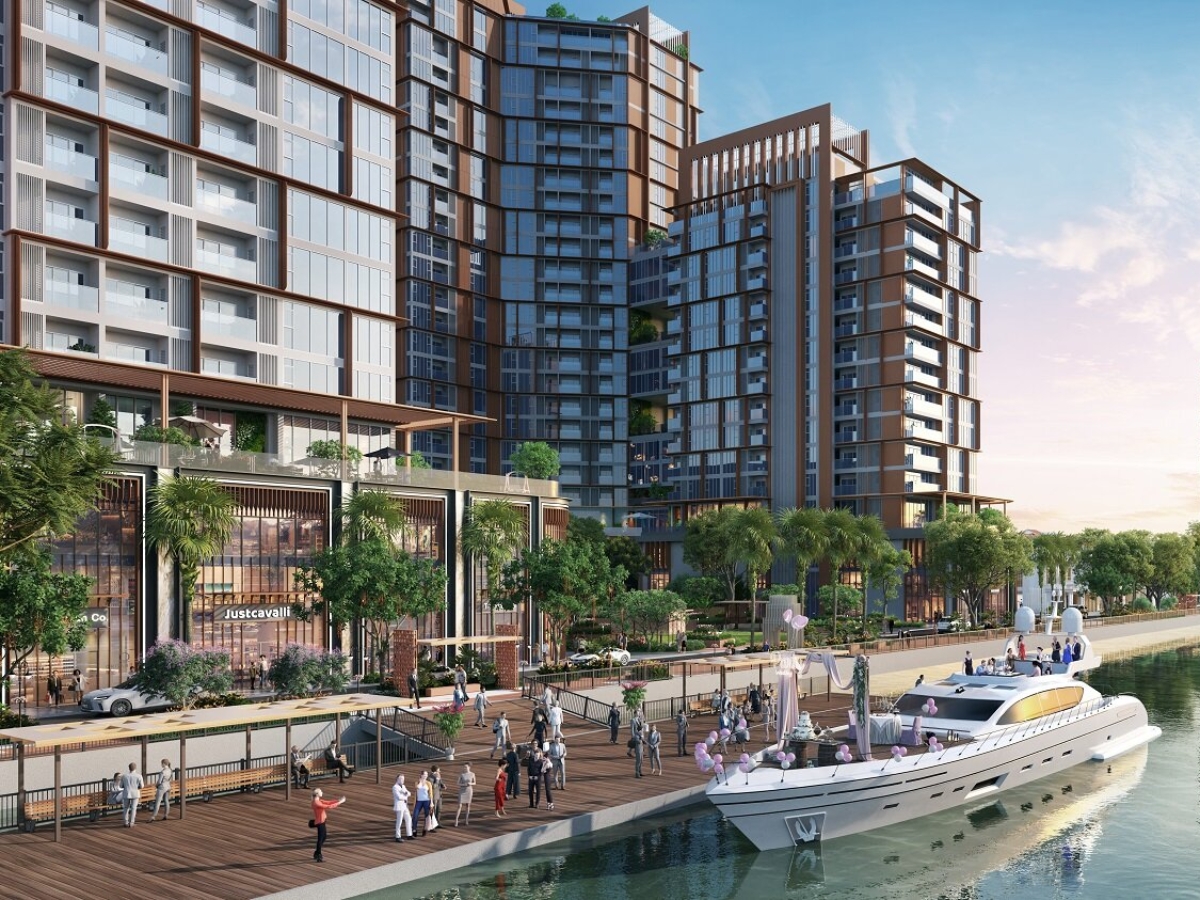
Investing in podium shophouses at Sun Symphony Residence helps investors gain stable and sustainable profits. (Source: Compiled)
The common point of these projects is that they are developed within a master-planned ecosystem, helping podium shophouses to fill up faster and optimize operational efficiency. When choosing the right location and the right project, investors not only generate stable cash flow but also enhance future price appreciation potential, thereby significantly improving profits from podium shophouses.
In summary, the profit from podium shophouses is a combination of stable rental income and potential value appreciation over time, but real effectiveness is only achieved when investors choose the right location, the right project, and the right timing. This is not a type of investment that brings quick profits, but rather an investment channel that requires long-term vision, patience, and a suitable exploitation strategy. When all these factors converge, podium shophouses can become assets that both generate regular income and sustainably increase in value in the future.