


Safe process for signing a deposit contract for project land purchase.
In real estate transactions, especially for project land plots, signing a deposit contract to buy project land is an important step before proceeding to the official sale and purchase. However, if the process is not clearly understood, buyers are very prone to legal and financial risks. The article below will help you grasp all the issues you need to know.

▲Table of Contents
1. Context of project land transactions and the role of deposits
1.1. Specific characteristics of project land plots in the market
Project land plots are usually planned synchronously according to urban or residential development plans, including technical infrastructure and clear subdivision before being brought to market. Unlike individual residential land, this type is subject to strict legal management and project implementation progress. In that context, project land purchase deposit agreement appears as an intermediate step to maintain priority access to products according to the plan.
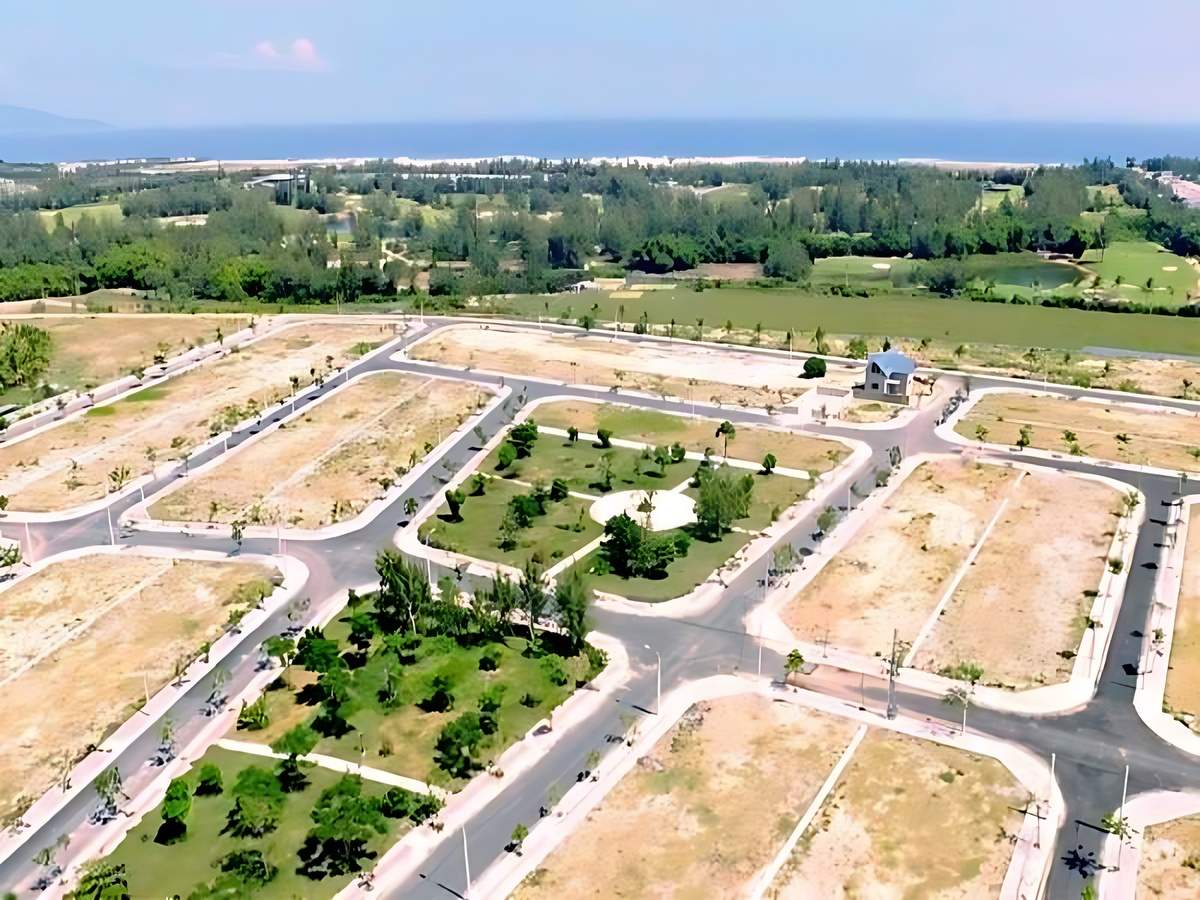
Characteristics of project land plots and deposit transactions in the market. (Source: Collected)
Project land plots are usually distributed through the developer or brokerage firm, with information about the land plot linked to the overall planning system of the development area. Compared to individual land, transactions are greatly influenced by the legal progress and infrastructure of the entire project. This requires buyers to access comprehensive information rather than just considering each individual land plot.
1.2. How is the deposit made in project land transactions
In reality, booking a project land plot usually occurs before signing the official sale and purchase agreement, when the customer chooses a land plot and agrees on the price with the investor or distributor. The deposit amount is transferred to ensure the right to purchase within a specified period according to the agreement. This is a common step that helps parties establish an initial commitment before completing the legal documentation.
The deposit process must strictly adhere to the sales conditions. According to new regulations, the investor can only collect deposit money when the project has a basic design appraised by state agencies and possesses one of the land use right documents. The deposit agreement must clearly state the selling price, area, and technical specifications. This prevents widespread premature sales, ensuring the project has a basic legal form before mobilizing funds from customers.
1.3. The importance of the deposit contract in the early stage
A deposit serves as a guarantee measure for contract execution, providing parties with a legal basis to take the next step in real estate transactions. According to civil regulations, the deposit amount can be handled differently depending on whether the parties fulfill their commitment or not. This creates a certain binding mechanism between the buyer and the seller.
In the context of project land transactions, the project land purchase deposit agreement also helps the buyer reserve the chosen plot of land, preventing transfer to another party while waiting to sign the official contract. At the same time, this document also clearly states the rights and obligations of the parties during the transaction preparation phase. Establishing a clear agreement from the outset contributes to limiting arising disputes.
2. Core components in the project land purchase deposit agreement
2.1. Product identification through subdivision lot codes and 1/500 planning parameters
Project and land parcel information is an important part that helps clearly define the subject of the transaction, including location, parcel code, area, and approved planning status. These factors need to be fully presented to ensure transparency in real estate transactions. When information is unclear, the possibility of disputes will increase.
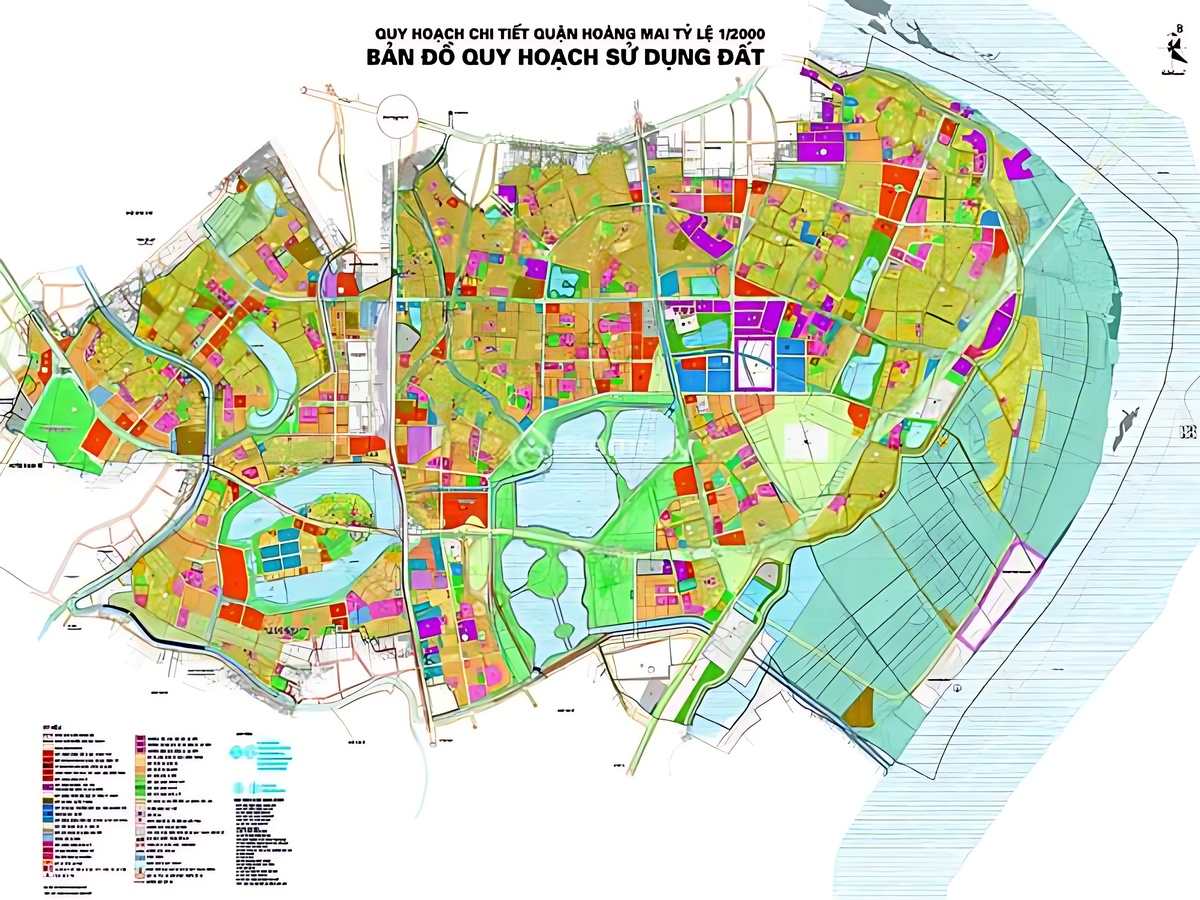
Project information and specific land plots in real estate transactions. (Source: Collected)
2.2. Financial structure including total transfer value and disbursement roadmap
The transaction value and deposit amount reflect the financial commitment between the parties. According to Clause 5, Article 23 of the Law on Real Estate Business No. 29/2023/QH15, the investor of a real estate project is only allowed to collect a deposit not exceeding 5% of the selling price of houses, construction works, and land use rights in the project upon signing the deposit agreement. The application of this ceiling helps to maximally protect buyers, limiting the risk of large capital appropriation before the official contract is signed.
In a project land purchase deposit contract, the deposit amount is also linked to the subsequent payment schedule, including the agreed-upon payment times and methods. Clearly defining the financial roadmap helps parties be proactive in their plans and limit arising disputes. These terms need to be expressed transparently and specifically.
2.3. Transitional clauses and commitment period
The roadmap for signing the official sales contract is usually clearly stipulated in the deposit agreement, including the estimated time and conditions for transaction completion. This serves as the basis for the parties to carry out subsequent legal steps such as notarization and land use rights registration. Determining specific deadlines helps ensure transaction progress.
In project land purchase deposit contract, this clause may also be linked to conditions such as project legal completion or technical infrastructure completion. If these conditions are not met, the transaction may be delayed or cannot be executed. Therefore, clearly stipulating conditions is a necessary factor to protect the rights of the parties.
2.4. Regulations for Handling Non-Performance of Commitments
Violation handling regulations are important content to determine the legal consequences when one of the parties fails to fulfill the agreed commitments. According to civil regulations, the party providing the deposit may lose the deposit if they refuse to enter into the contract. Conversely, the party receiving the deposit must return it and compensate an equivalent amount if they violate the agreement.

Regulations for handling non-fulfillment of commitments in a deposit contract. (Source: Collected)
In a deposit contract for purchasing project land , this clause is usually specified regarding penalties, application times, and cases of exemption from liability. Clearly defining handling situations helps limit disputes and creates a basis for resolution when violations occur. This is content that needs careful consideration before signing.
3. Identifying risks and bottlenecks during the payment phase
3.1. Legal risks from projects not yet eligible for capital mobilization
One of the major risks is that the project has not met the conditions according to Article 24 of the 2023 Real Estate Business Law but still receives deposits. Currently, the law strictly prohibits collecting deposits exceeding the prescribed rate or when there are insufficient legal documents regarding land and planning. If the investor violates, the deposit agreement may be declared void, and the investor will face severe administrative penalties, disrupting the buyer's rights.
3.2. Discrepancies between planning drawings and actual infrastructure construction
Unclear land plot information or changes after deposit is a common risk in project land transactions. This can relate to discrepancies in area, location, or planning compared to the initial information. When information is not accurately confirmed, disputes may arise.
In a project land purchase deposit contract, if the land plot information is not described in detail and fully verified, the buyer may encounter difficulties when requesting the fulfillment of commitments. Changes in planning or project design adjustments can also affect the buyer's rights. This needs to be considered before signing.
3.3. Risks from Distributor's Signing Authority and Developer's Capacity
Risks related to the developer or broker often stem from a lack of transparency in information or insufficient legal rights to conduct transactions. In some cases, the recipient of funds is not the developer or is not legally authorized. This can lead to disputes over contractual obligations.

Risk from untrustworthy investors or brokers in transactions. (Source: Collected)
When signing a land purchase deposit contract for a project with parties whose legal status is unclear, buyers may face difficulties in demanding performance of obligations or refund of the deposit. Furthermore, transferring money to personal accounts instead of corporate accounts also carries many risks. Verifying information is a necessary step to mitigate this issue.
4. Safety control and transaction management process when signing a land purchase deposit contract for a project
4.1. Legal document appraisal through master book and investment policy approval
Project legal verification is an important step, especially needing to be cross-referenced with the provisions in Land Law No. 31/2024/QH15. Buyers need to check documents from state management agencies regarding housing/land plots eligible for business. With the national land database system being completed under the new law, buyers can check online the legal status, planning, and fulfillment of financial obligations by the investor to ensure the land plot is not subject to overlapping mortgages.
4.2. Cross-checking techniques for commitments on handover deadlines and tax/fee obligations
Investors need to carefully review the actual handover date of the land plot and technical infrastructure. These timelines must be set with specific dates instead of vague phrases. The contract content needs to clearly define which party is responsible for paying personal income tax and registration fees.
Request an additional compensation clause if the investor is delayed in completing the paperwork for title deed issuance. Management service fees or utility connection fees should also be clearly listed from the beginning. Close reconciliation helps prevent unexpected additional costs after signing.
4.3. Progress tracking and obligations after deposit
After making a deposit, monitoring the project's progress and the obligations of the parties is an important factor to ensure the transaction proceeds as planned. This includes checking construction progress, legal completion, and sales conditions. When there are signs of delay, it is necessary to review the agreed terms.
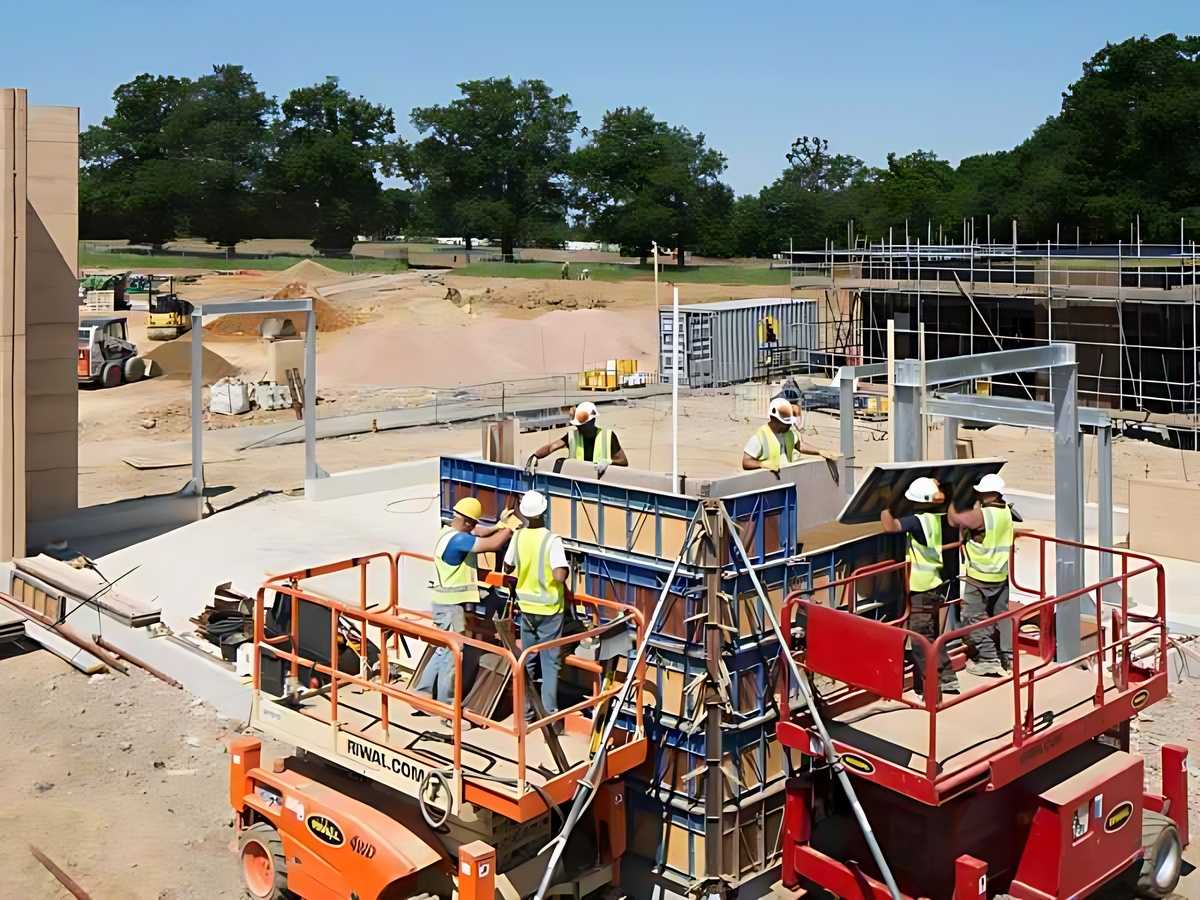
Monitor progress and obligations after making a deposit for project land. (Source: Collected)
In a project land purchase deposit contract , post-deposit obligations such as subsequent payments and signing the purchase agreement must be fulfilled on time. Non-compliance can lead to forfeiture of the deposit or disputes. Closely monitoring progress helps ensure rights and limit risks throughout the entire transaction process.
Clearly understanding the project land purchase deposit contract will help you be more proactive in the investment process and minimize unnecessary risks. By mastering the process, terms, and legal factors, you will have a solid foundation to make sound decisions and optimize long-term financial efficiency.