


Secrets to Choosing a Feng Shui House to Increase Wealth and Prosperity
When buying or building a home, the element of feng shui is always of great interest to many people, aiming to bring peace and prosperity. A harmonious living space is not only aesthetically pleasing but also helps balance energy, supports work and health. This article will help you understand the important principles.

▲Table of Contents
1. Correct Understanding of Feng Shui-Compliant Homes in Modern Life
1.1. Concept of Feng Shui-Compliant Homes According to the Five Elements Principle
The concept of feng shui in housing originates from the relationship between humans and their living environment, based on the principle of balancing the five elements: Metal, Wood, Water, Fire, and Earth. When these elements interact harmoniously, the living space is considered stable and in accordance with natural laws.
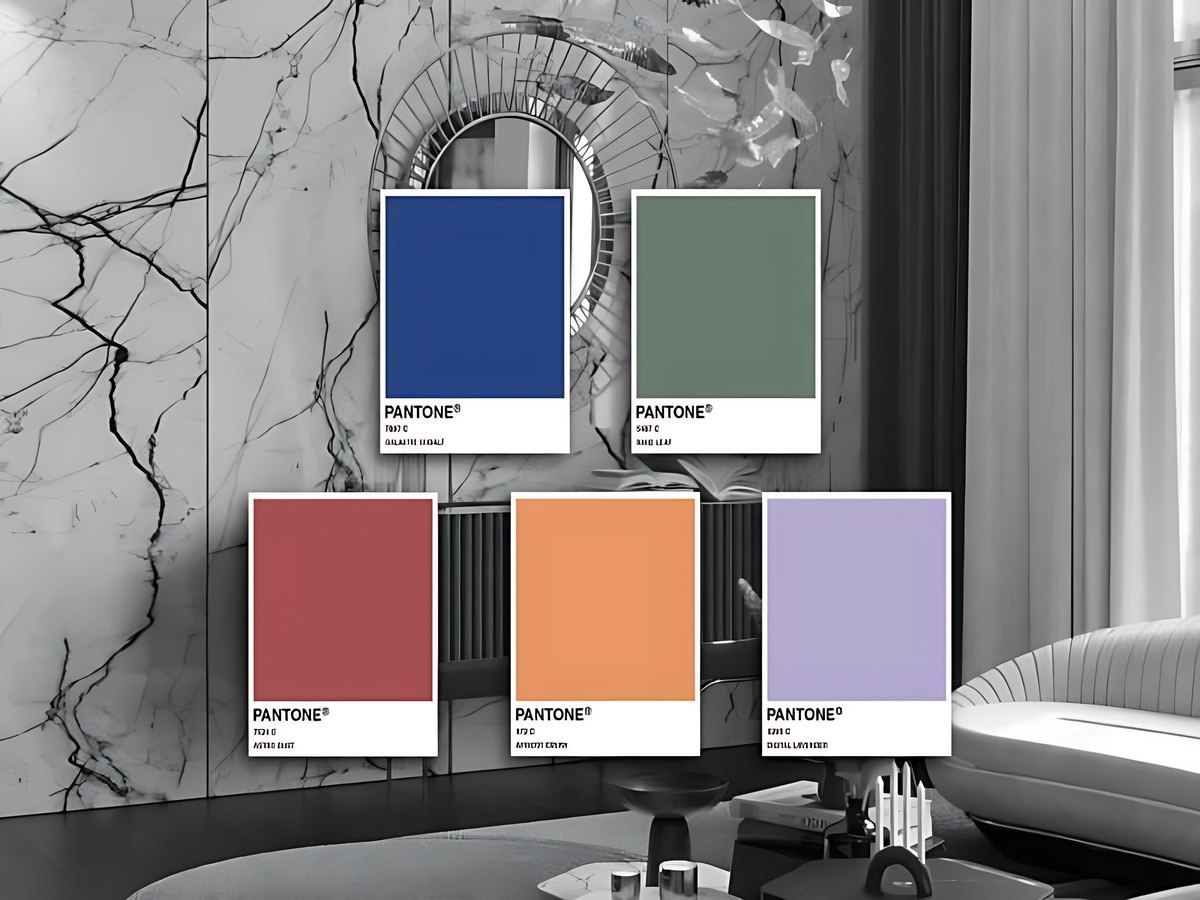
Feng Shui's balance of the Five Elements creates a harmonious and stable living space. (Source: Collected)
In reality, a house that is compatible with Feng Shui not only relies on spiritual factors but also relates to geographical location, house orientation, and air circulation within the space. These factors contribute to creating a favorable and comfortable living environment for residents.
Modern Feng Shui is viewed as a system of accumulated experience, combining architecture and natural conditions to optimize the quality of life in urban housing. Its application is not rigid but flexible according to each region and actual conditions.
1.2. The Impact of Feng Shui on Quality of Life
Feng Shui is considered a factor that influences the perception of living space, thereby affecting the spirit, health, and daily activities of family members. A balanced living environment helps maintain stability in daily life.
According to the provisions of the 2023 Real Estate Business Law (No. 29/2023/QH15), project information transparency is mandatory. In that context, the feng shui element not only affects value and liquidity but must also be linked to the clear legal status of the asset. A house with a reasonable, airy layout and complies with current construction standards is often more accessible to buyers, creating a positive and reassuring feeling, both legally and spiritually, for residents.
1.3. Core elements that make a house feng shui
A house is evaluated based on many factors such as house orientation, land position, land shape, and correlation with the surrounding environment. These factors determine the ability to receive wind, light, and air circulation in the living space. Besides, the interior layout such as the position of the living room, bedroom, and kitchen also plays an important role in maintaining energy balance.
House direction, reasonable layout creates balanced feng shui. (Source: Collected)
Improper arrangement can disrupt the flow of qi and affect daily life. A feng shui-compliant house is usually a combination of natural elements and architectural design, where location and surrounding environment are considered the important foundation. The principle "first location, second direction" also reflects this role in practice.
2. Important principles when choosing a feng shui-compliant house
2.1. House direction and land location according to feng shui
According to Bat Trach Feng Shui, each person belonging to a different destiny group will be suitable for certain house directions, for example, Dong Tu Menh (East Destiny Group) is often compatible with directions such as East, Southeast, North, and South. Choosing the right direction contributes to creating harmony between people and the environment. In reality, a feng shui-compliant house is not only based on direction but also needs to consider land location, terrain, and surrounding factors such as transportation routes or water sources.
2.2. Spatial layout and arrangement of functional rooms
The interior space layout needs to ensure a logical connection between functional areas such as the living room, bedroom, and kitchen. Scientific arrangement helps optimize space and create convenience in daily life. In feng shui, the center of the house is considered an important area, which needs to be kept airy and clean, avoiding the placement of areas like the toilet or storage room in this location.
This helps maintain energy balance throughout the entire space. A house in harmony with feng shui typically has a clear layout, avoids overlapping functions, and ensures each area has its own suitable, separate space. This contributes to creating a stable and adaptable living environment.
2.3. Factors of Light, Ventilation, and Air Circulation
Natural light and ventilation systems play an important role in maintaining indoor air quality, while also affecting users' comfort. Bright and airy spaces are often highly regarded in Feng Shui. Ensuring continuous air circulation helps to limit the accumulation of stagnant air, thereby improving the living environment and reducing the feeling of stuffiness in enclosed spaces.

Good light and ventilation help make the living space airy and balanced. (Source: Collected)
This is an element often emphasized in modern home design. A feng shui compliant house needs to have a balance between light and ventilation, avoiding the situation of being too dark or too enclosed, which can affect the daily life and health of the residents. Stable air circulation also contributes to creating a pleasant living environment.
2.4. Colors and materials in housing design
Colors in housing are often chosen based on the Five Elements theory, where each element is suited to different color palettes to create harmony in the space. Proper color coordination helps enhance aesthetics and overall balance. Besides colors, building materials and interior furnishings also affect the perception of space, especially factors such as durability, thermal insulation, and environmental friendliness.
Natural materials are often preferred in modern design. A home aligned with feng shui does not require too many complex elements but focuses on the harmony between colors, materials, and the overall structure. This helps create a harmonious living space that suits long-term needs.
3. Applying Feng Shui in Real Estate Types
3.1. Townhouses and Villas According to Feng Shui Principles
Townhouses and villas often have advantages in terms of area and flexible design capabilities, allowing feng shui principles to be fully applied from house orientation to spatial layout. This helps optimize the living experience for homeowners. Choosing a suitable location, such as an area with high, airy terrain and close to natural water sources, is often positively evaluated in feng shui.

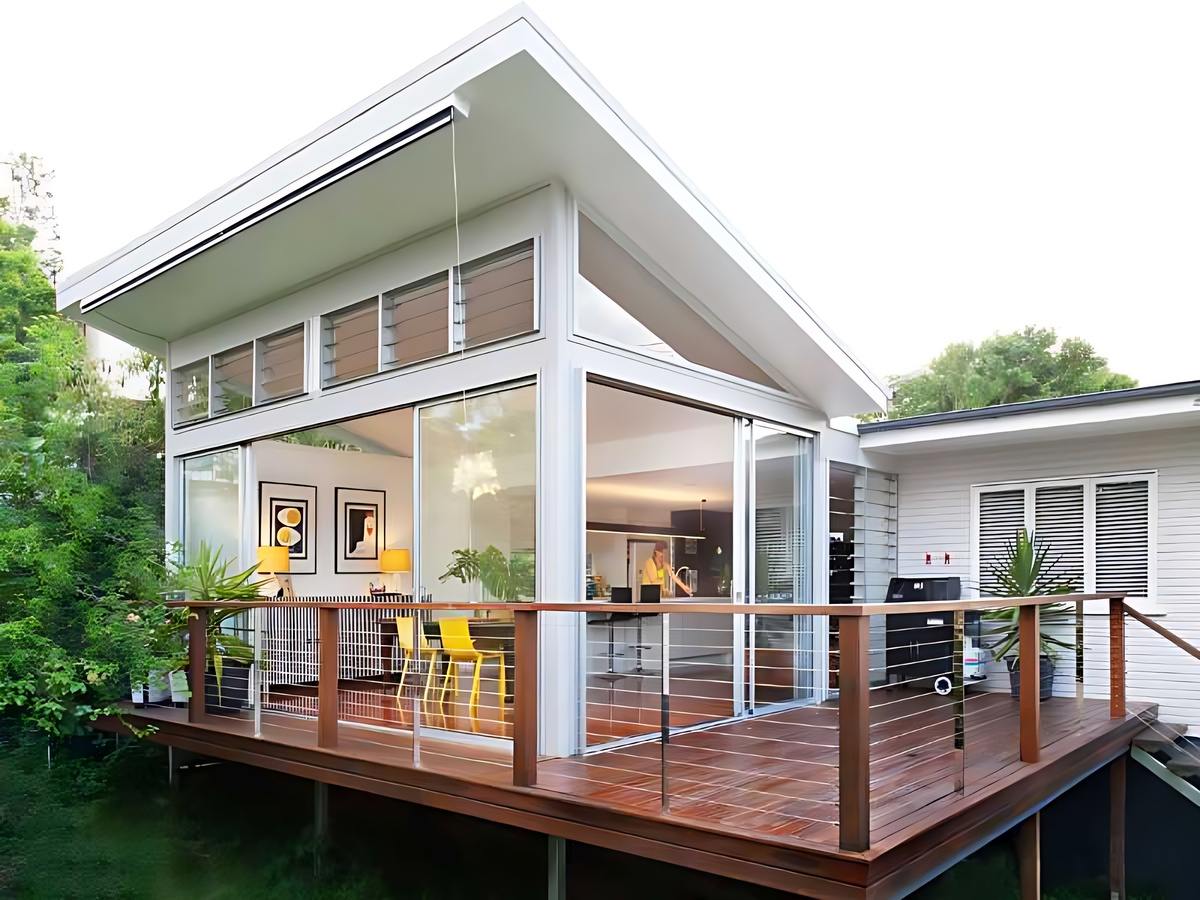
Townhouses and villas with flexible designs, harmonious with nature according to feng shui. (Source: Collected)
These factors contribute to creating a stable and balanced living environment. A feng shui-compliant house in this type often emphasizes the connection between indoor space and the surrounding landscape, creating harmony between architecture and nature. This is a popular trend in current housing development.
3.2. Apartment buildings and feng shui optimization
For apartments, the direction is usually determined by the main door instead of the balcony, as this is the main entrance to the living space. According to the regulations on management and use of apartments in the Housing Law 2023, optimizing the apartment's feng shui requires special attention not to alter the load-bearing structure or common ownership areas. Optimization usually focuses on interior layout, lighting, and ventilation. These factors can be flexibly adjusted according to usage needs while still ensuring compliance with the building management's regulations.
These factors can be flexibly adjusted according to usage needs. A feng shui-compliant house in an apartment building does not require major structural changes but focuses on the rational arrangement of functional areas. This helps improve the quality of life while remaining suitable for actual conditions.
3.3. Land plots and feng shui factors to note when investing
When choosing land plots, terrain and land shape are important criteria, prioritizing square plots for easy feng shui arrangement. However, investors need to pay special attention to the strict regulations on land subdivision and sale in Type I, II, and III cities according to the Real Estate Business Law 2023.
Choosing land that is feng shui-compatible nowadays must go hand in hand with checking detailed planning and land use purposes according to the Land Law 2024. A good piece of land not only has harmonious qi but must also be located in an area permitted for transfer and construction in accordance with the law.
4. Ways to assess and adjust feng shui for housing
4.1. Signs to recognize common feng shui errors
Some common feng shui errors in homes include incorrect direction determination, unreasonable space arrangement, or lack of natural light. These factors can reduce the quality of the living environment and cause inconvenience. Additionally, errors such as a house being lower than its surroundings or the main door facing an unsuitable area are also considered points to note when assessing feng shui.
These factors affect the circulation of air flow within the house. A house in harmony with feng shui needs to limit these unfavorable factors through an overall inspection from location, direction, to internal layout. Early identification helps provide more suitable adjustment solutions.
4.2. Practical Feng Shui Remedies in Real Homes
Adjusting Feng Shui in homes can be done through changing interior layouts, using decorative items, or adding green plants to improve the space. These solutions help rebalance the flow of energy within the house. Furthermore, adjusting lighting and ventilation are also simple ways to improve the living environment, especially for spaces that lack light or are stuffy.
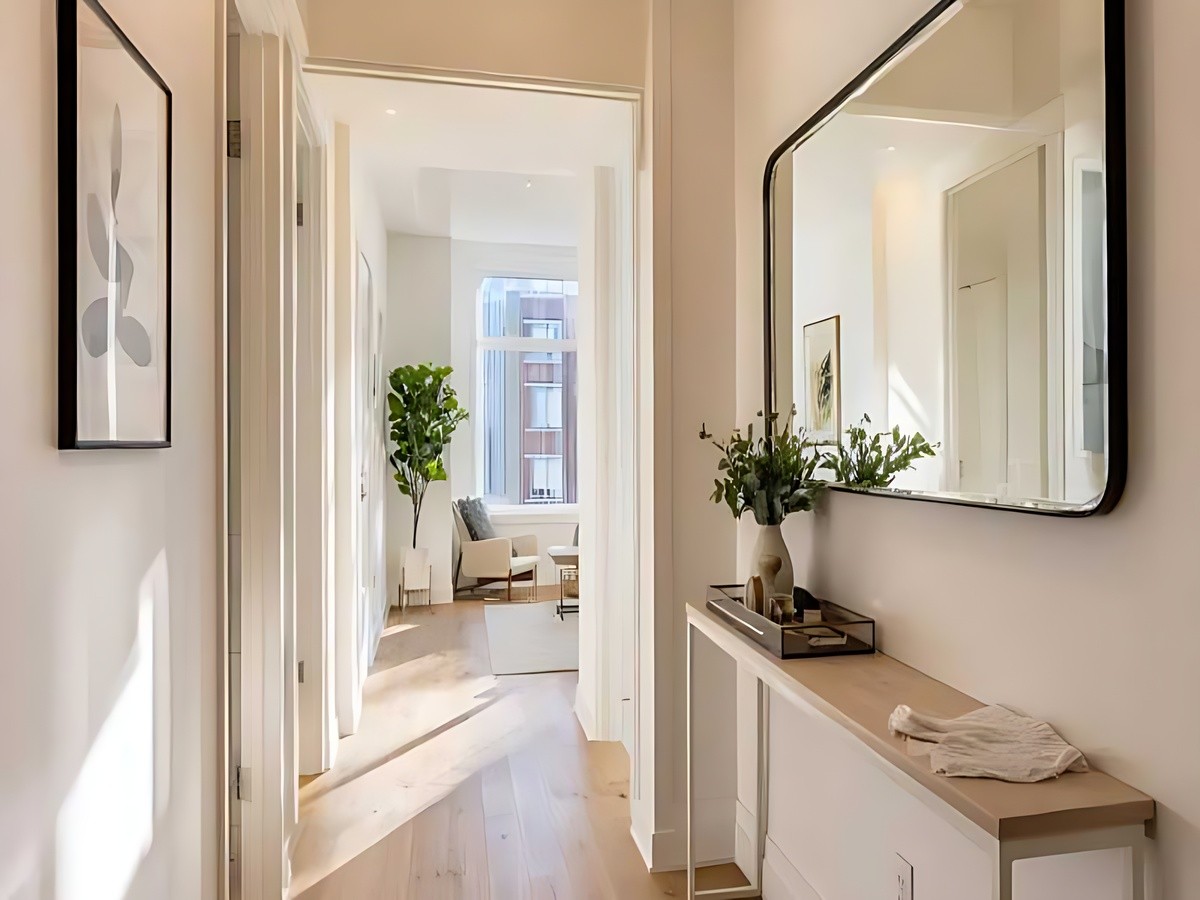
Adjusting interior lighting and greenery helps balance feng shui. (Source: Collected)
These changes can be made without major impact on the house structure. A feng shui-compliant house can be gradually improved over time through small but appropriate adjustments, helping to improve quality of life while maintaining the stability of the building.
4.3. Modern Feng Shui House Design Trends
In the modern context, Feng Shui is integrated into architectural design as a supporting element, combined with new technologies and materials to create comfortable and sustainable living spaces. This trend is being widely applied in residential projects. Designs focus on open spaces, utilizing natural light, and connecting with the external environment to create a sense of comfort for users. This is an approach suitable for current urban conditions.
It can be seen that choosing a feng shui-compliant house not only carries spiritual significance but also contributes to creating a harmonious living environment. In the new era, a truly prosperous home is an intersection of natural energy and strict adherence to housing laws and regulations. By correctly applying feng shui principles combined with a solid legal foundation from new Laws, you can enhance your quality of life and protect the sustainable value of your assets in the future.