


Trends in Smart Home Development in Vietnam
The Smart Home model is becoming a trend applied by many modern families and real estate projects. With the ability to automate and connect smart devices, Smart Home helps enhance living experience, optimize convenience, and save energy.

▲Table of Contents
1. Understanding the Smart Home Model (Smart Home)
The Smart Home Model is a type of residence integrated with electronic devices capable of remote control, monitoring, and access via the internet. Unlike conventional automated homes that only operate on pre-set schedules, Smart Home is built on the Internet of Things (IoT) platform, allowing devices within the home to connect and exchange data with each other to optimize the user's living experience. As a result, the system can automatically adjust lighting, temperature, curtains, or electrical appliances according to daily living habits.
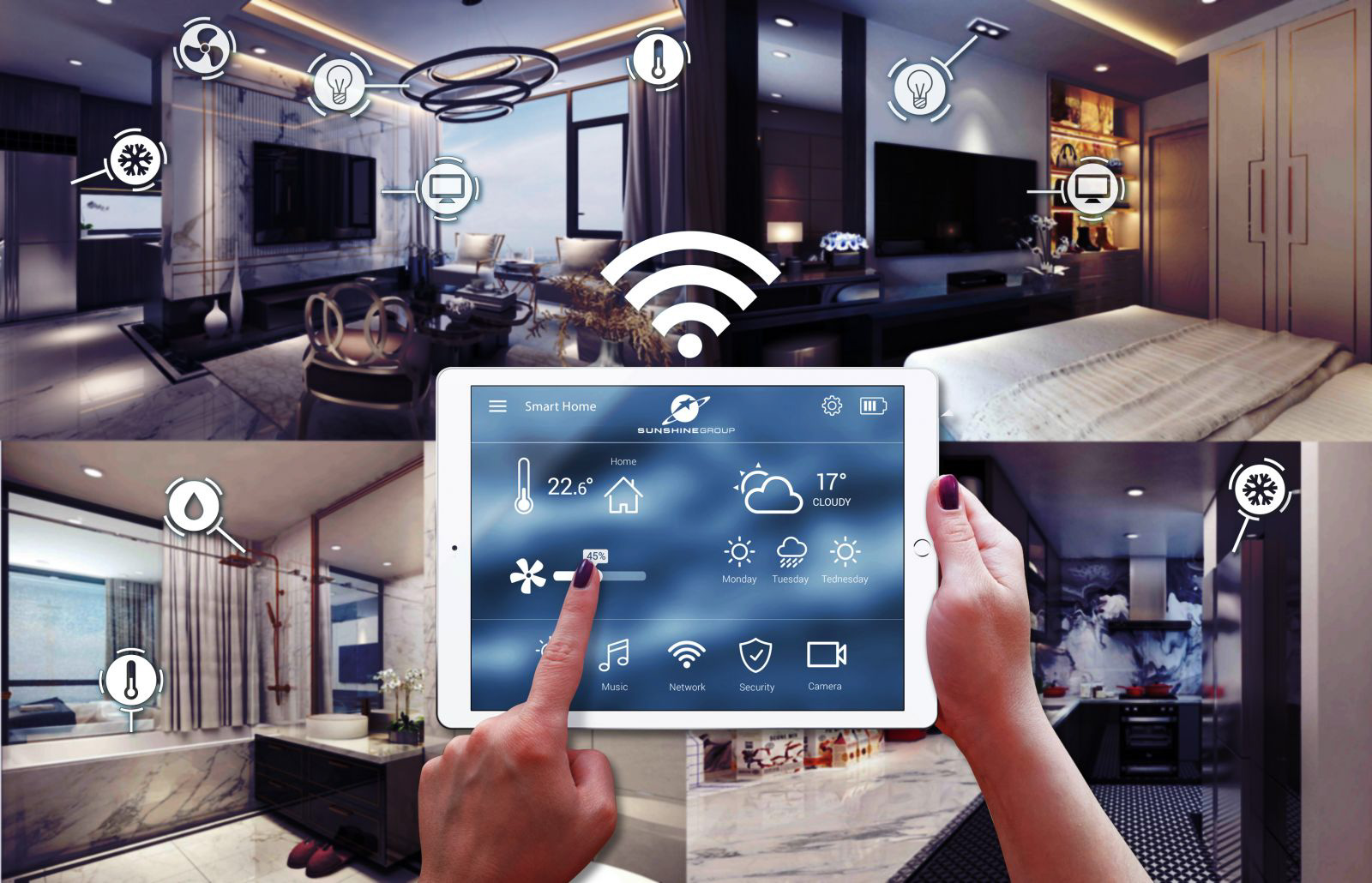
Smart home is a home that applies technology to automatically control and manage devices in the home. (Source: Collected)
Nowadays, the Smart Home model often integrates many systems such as lighting control, security cameras, smart door locks, environmental sensors, and internet-connected home appliances. Users can manage the entire system via phone, tablet, or voice control from anywhere. Not only does it bring convenience, but Smart Home also contributes to enhancing safety, saving energy, and creating a more modern living experience for residents.
2. Benefits of building a Smart Home model
Not only does it bring a modern living experience, but the Smart Home model also helps optimize comfort, safety, and energy saving capabilities during use. Thanks to the synchronously connected device system, users can manage and control their homes more easily via phone or voice.
Some outstanding benefits of Smart Home include:
Creating a comfortable living space: Users can remotely control lights, air conditioners, curtains, or electronic devices, making daily activities more convenient and time-saving.
Ensure family safety: Camera systems, smart door locks, motion sensors, and security alerts help increase monitoring capabilities and protect the home more effectively.
Save electricity and operating costs: The system can automatically turn off devices when not in use or adjust according to living habits to limit electricity waste.
Enhance aesthetics and modernity: Applying technology to living spaces helps the house become luxurious, modern, and suitable for future housing trends.
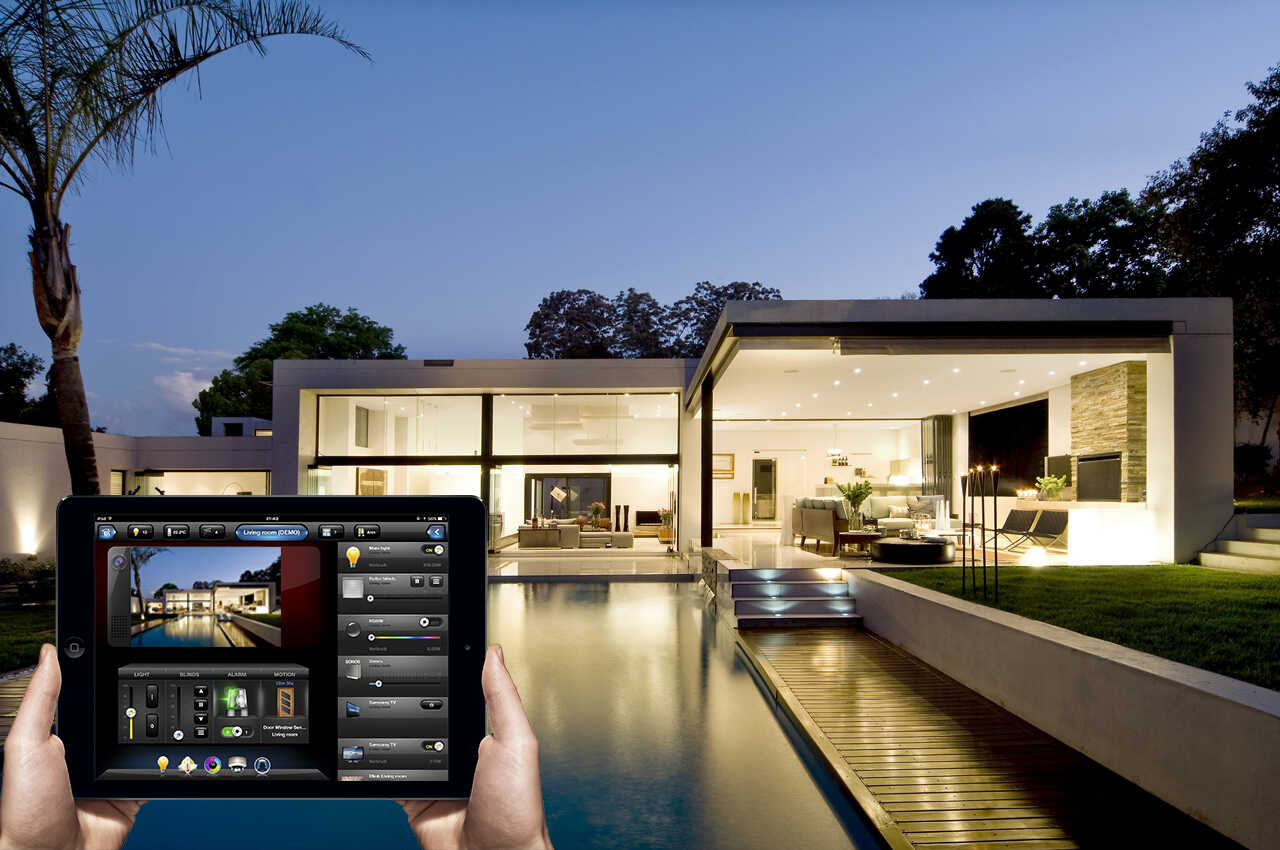
Smart home brings a convenient life thanks to the ability to automatically control devices in the home. (Source: Collected)
3. Functions - features of Smart Home
3.1. Smart security system
The security system is one of the important features of the Smart Home model . This system typically integrates surveillance cameras, motion sensors, smart door locks, and remote alerts to help users monitor their home at all times via phone or tablet. When detecting unusual signs such as unauthorized entry or unauthorized door opening, the system will automatically send alerts to the owner's device. Some current Smart Home solutions can also activate alarms or turn on lights automatically to enhance the home's security.
3.2. Smart lighting system
Smart lighting systems allow users to easily adjust the brightness, color, and schedule of indoor lights via phone or voice. Thanks to internet connectivity and automatic sensors, the system can turn lights on or off according to time, daily routines, or when it detects movement in the space. This not only enhances convenience but also helps save energy more effectively. Additionally, many current systems also allow for the creation of different lighting scenarios suitable for the family's needs for rest, work, or entertainment.
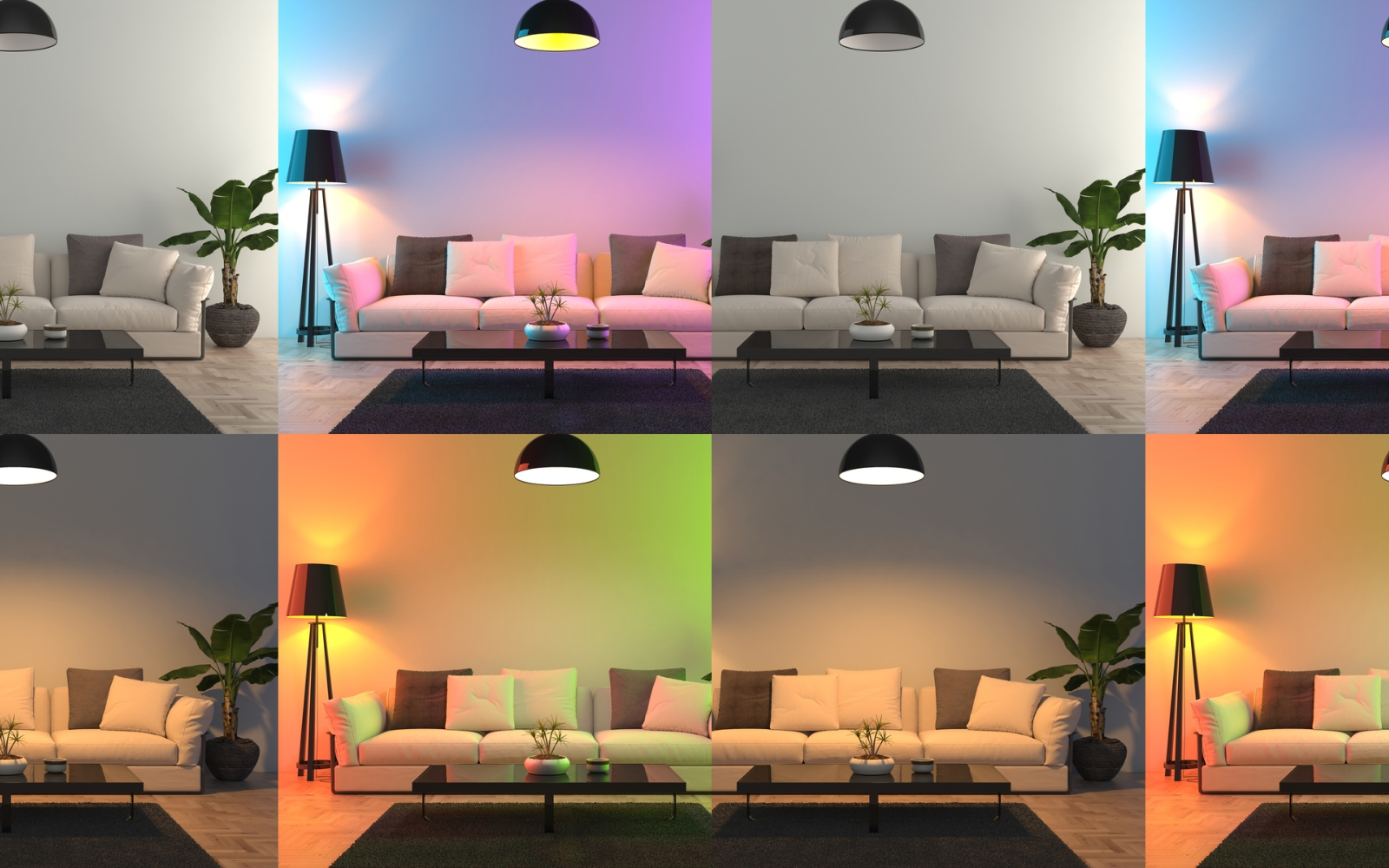
Smart lighting system optimizes living experience and effectively saves electricity. (Source: Collected)
Smart kitchen
In the Smart Home model, the kitchen area is integrated with many modern technological devices to support cooking and more convenient daily life management. Users can remotely control devices such as electric stoves, ovens, range hoods, or lighting systems via a mobile application. Some smart devices also have the ability to monitor temperature, provide safety alerts, or assist with managing food in the refrigerator. As a result, the kitchen space becomes more convenient, while also helping to limit energy waste and enhance safety during use.
3.4. Smart Bathroom
Smart bathrooms are often integrated with many automated devices to enhance the user experience and optimize convenience for users. Some popular systems currently include smart showers, automatic toilets, water temperature control systems, ventilation fans, and environmental sensors. These devices can automatically adjust according to usage needs or be controlled via smartphone. In addition to convenience, smart bathrooms also support monitoring water consumption to help users better control living costs and save resources.
3.5. Wireless remote control
Wireless remote control is a feature that allows users to manage all devices in their home just through a phone, tablet, or voice. Wherever there is an internet connection, users can still check the status and control devices such as lights, air conditioners, curtains, or security cameras. This feature helps increase flexibility in daily life, while also supporting energy saving by allowing unnecessary devices to be turned off remotely. This is also one of the factors that helps the Smart Home model become increasingly chosen by many families today.
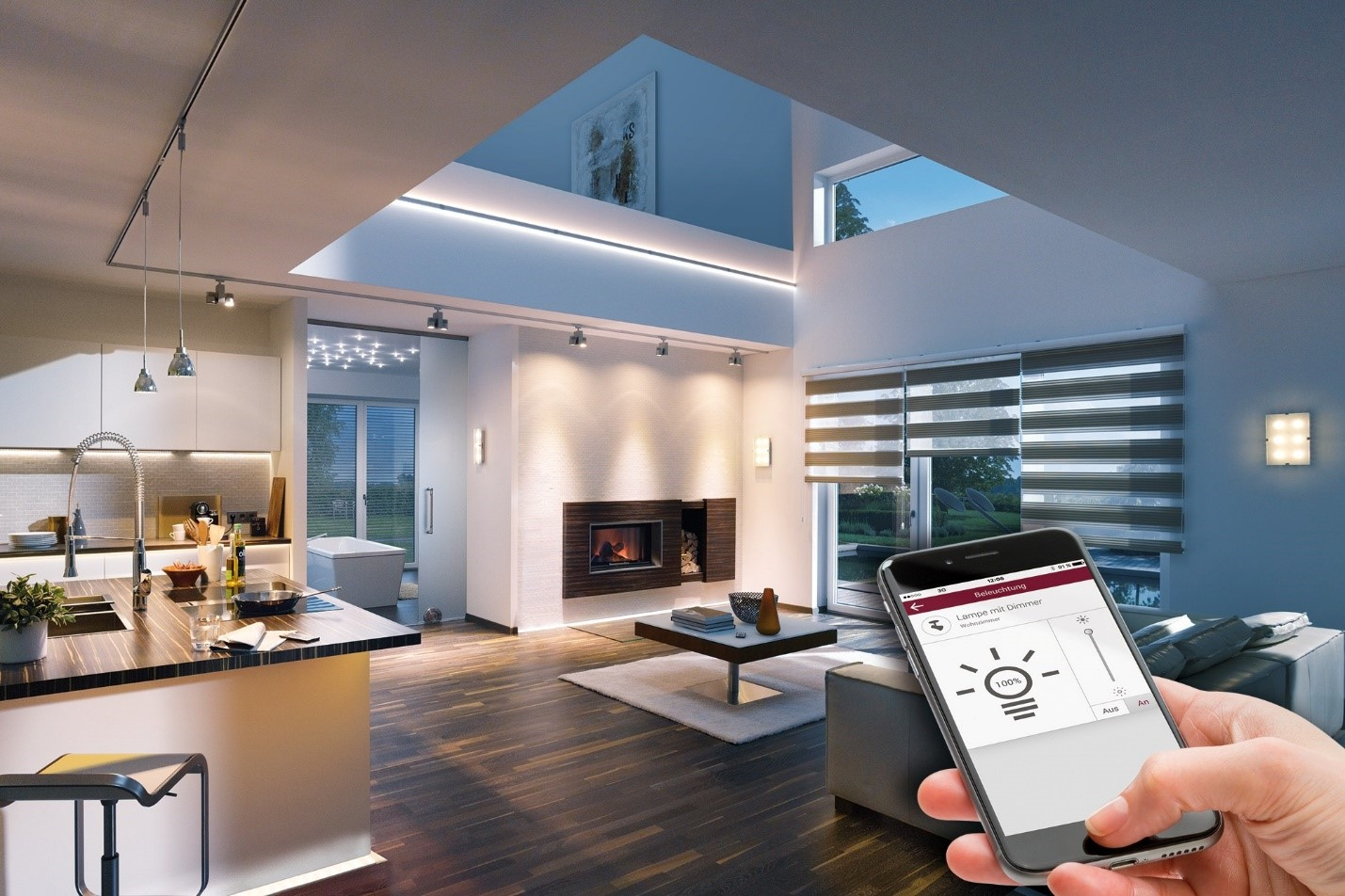
Users can remotely control via mobile devices. (Source: Collected)
3.6. Virtual Assistant Integration
Virtual assistants are technology that helps users control home devices by voice instead of directly interacting with a phone or switch. When integrated into a Smart Home system, virtual assistants can help turn lights on/off, adjust air conditioning, open curtains, play music, or activate living scenarios with simple voice commands. Many current systems also have the ability to learn users' living habits to automatically provide suitable settings. As a result, the living experience becomes more modern, convenient, and personalized during daily use.
4. Trends in Smart Home Application in Real Estate
Along with the development of technology and the need to improve quality of life, the smart home model Smart Home is becoming increasingly popular in the real estate sector. Not only appearing in high-end projects, Smart Home is now also integrated into many types of housing to bring a more convenient, modern, and safe living experience for residents.
4.1. Smart Home in high-end apartments
In high-end apartment projects, Smart Home is gradually becoming a standard that many investors focus on. Systems for controlling lighting, air conditioning, smart door locks, and security cameras help residents manage their apartments more easily via phone or voice. This not only enhances the living experience but also creates convenience and modernity for urban living spaces.
Besides the technological aspect, the integration of Smart Home also contributes to increasing real estate value and attracts young customers who desire modern living experiences. Many current projects also focus on combining Smart Home with green spaces and synchronized utility systems to create a higher quality living environment for residents.
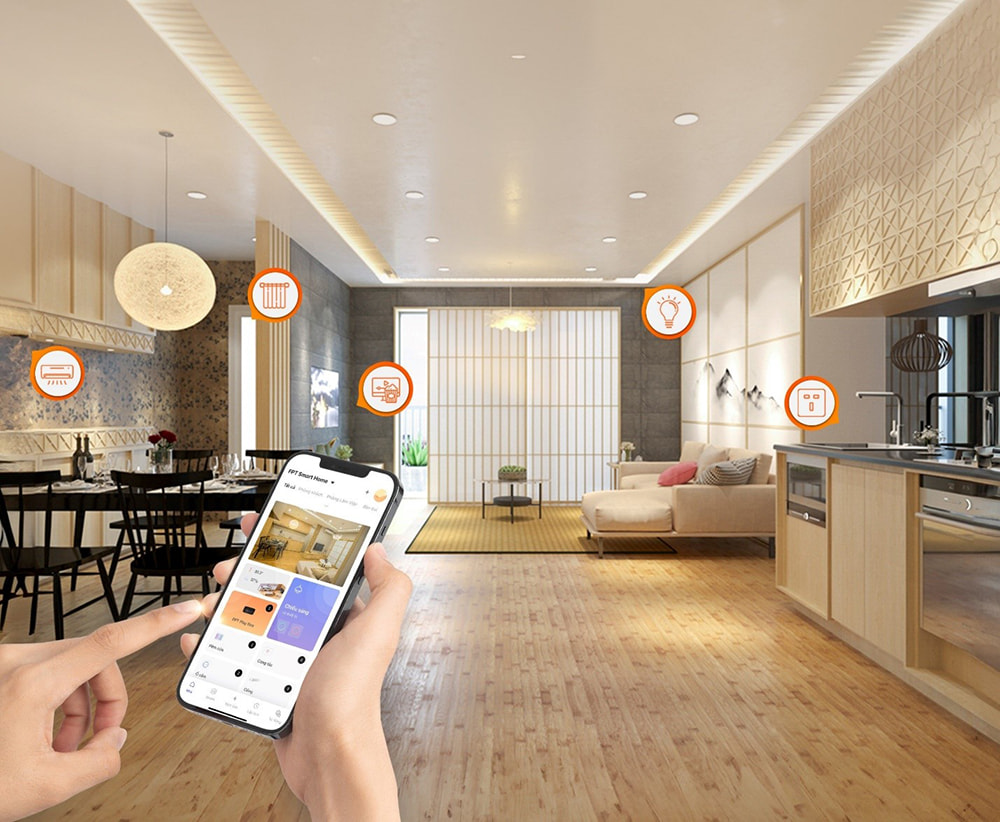
Luxury apartments equipped with Smart Home technology offer a modern and convenient living space. (Source: Collected)
4.2. Townhouses and villas applying smart technology
Nowadays, not only apartments but also townhouses and villas are integrated with many Smart Home solutions to enhance house management and operation capabilities. Popular systems include surveillance cameras, security sensors, curtain control, automatic watering systems, and remote power control.
For villas or large homes, Smart Home helps optimize the management of multiple spaces within a single system. Users can set up automatic living scenarios that suit their daily needs, thereby bringing a more convenient and modern living experience.
4.3. Smart cities and connected ecosystems
Besides individual houses, Smart Homes are now also being developed to connect with smart urban ecosystems. In modern urban areas, residents can use a common application to manage security, book amenities, control parking, or use internal services more conveniently.
This trend contributes to forming a synchronized living environment, where technology is applied to enhance urban operational quality and resident experience. This is also considered a prominent development direction for the real estate market in the future as the demand for modern and connected living increases.
Evidently, the Smart Home model is gradually becoming a modern housing trend thanks to its ability to bring convenience, safety, and optimize the living experience for users. The application of technology into living spaces not only helps save time and electricity but also enhances the quality of daily life. In the context of increasingly developing smart cities, Smart Home is considered one of the important solutions contributing to shaping a modern and sustainable lifestyle in the future.