


Wellness Real Estate and modern living trends
The Wellness real estate trend is increasingly gaining attention as homebuyers prioritize physical and mental health in their living spaces. This is seen as a highly potential real estate model thanks to the combination of green living, wellness amenities, and resort-like experiences.

▲Table of Contents
1. A Proper Understanding of the Wellness Real Estate Model
1.1. What is Wellness Real Estate?
Wellness Real Estate is a real estate model developed with the orientation of creating a healthy living environment, supporting physical and mental health care for residents. Unlike traditional projects that only focus on basic living needs, Wellness real estate pays more attention to the quality of living space through the use of environmentally friendly materials, optimizing natural light, fresh air, and health care service facilities. As a result, residents can live, work, and relax in a more balanced and nature-friendly environment.
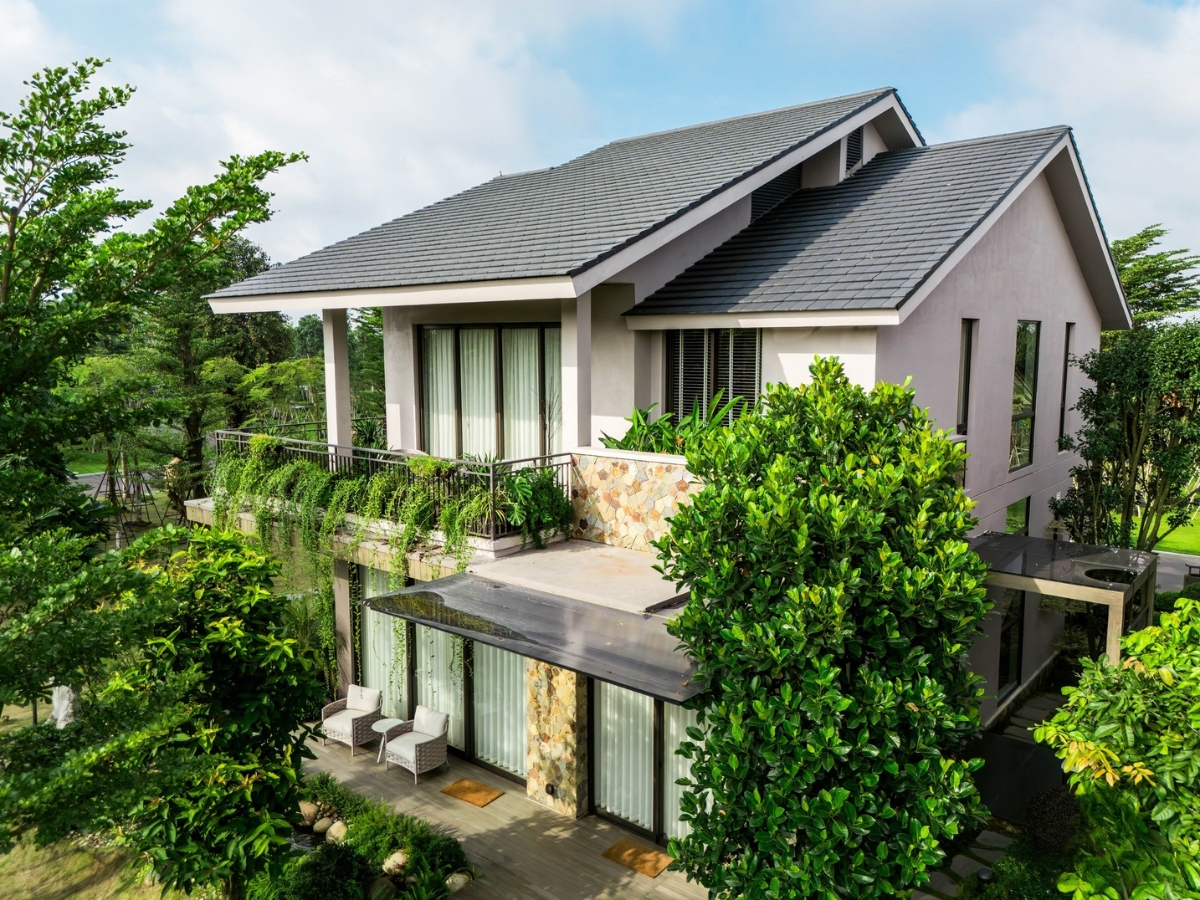
Wellness Real Estate is a type of real estate that focuses on improving health and quality of life. (Source: Collected)
In recent years, the demand for living spaces that enhance holistic health has been increasing, contributing to the promotion of Wellness real estate trends developing strongly in the market. Seizing this trend, many investors are focusing on building green living communities, prioritizing friendly environments and health care amenities to meet the high-quality living needs of modern residents.
1.2. Characteristics of the Wellness Living Model
The concept of Wellness living is becoming a prominent trend in the modern real estate market as more and more people are interested in health and long-term quality of life. Not only stopping at integrating gyms or spas, the Wellness real estate trend is also developed based on many factors aiming to create a living environment balanced in both physical and mental aspects.
Nature: Wellness projects often prioritize leveraging natural advantages such as climate, water sources, hot springs, greenery, and landscapes to create a fresh living space, close to nature and support health improvement for residents.
Technology and science: Many projects apply green solutions, energy-saving technologies, and designs that optimize light and air to enhance quality of life and create an environment suitable for both physical and mental well-being.
Community: The Wellness real estate trend also focuses on building a cohesive living environment, where residents can maintain healthy habits, share positive lifestyles, and move towards sustainable development within the community.
2. Why is the Wellness real estate trend developing strongly?
In recent years, the Wellness real estate trend has been developing strongly as homebuyers not only care about location or basic amenities but also pay more attention to health and long-term quality of life. The change in living needs, especially after the pandemic and pressure from the urban environment, is causing many people to prioritize choosing greener, more balanced, and nature-friendly living spaces.
2.1. Demand for healthy living after the pandemic
After the pandemic period, health has become a top priority for many people when choosing a place to live. Instead of just caring about size or location, many customers today prioritize a healthy living environment with plenty of greenery and amenities that support physical and mental well-being. This is considered an important factor driving the Wellness real estate trend to develop strongly in recent times.
In addition, the pandemic has also led many people to change their daily routines and become more interested in work-life balance. Living spaces capable of providing a sense of relaxation, reducing stress, and supporting the maintenance of a healthy lifestyle are increasingly valued in today's real estate market.
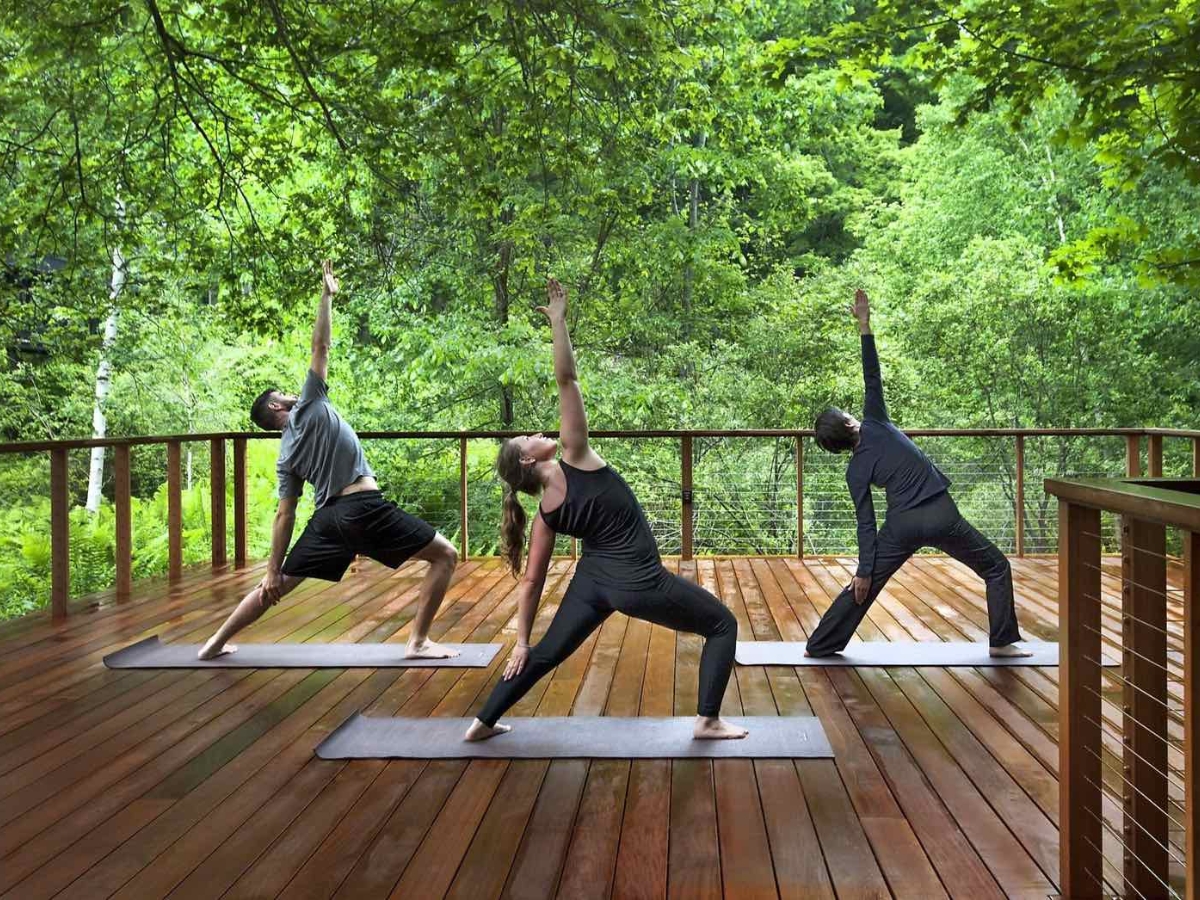
Many people tend to choose a healthy living environment and facilities for physical and mental well-being. (Source: Collected)
2.2. Pressure from the modern urban environment
The rapid pace of urbanization causes many major cities to increasingly face air pollution, lack of green space, and growing population pressure. This makes the demand for a spacious, quiet, and nature-friendly living environment increasingly popular, especially among young customers and families with stable financial conditions.
The pressure from the modern urban environment has contributed to promoting Wellness real estate trends developing more strongly in recent years. Projects prioritizing low construction density, abundant green landscapes, and healthcare amenities often receive great attention thanks to meeting the high-quality living needs of urban residents.
2.3. Changes in criteria for choosing a place to settle
If previously homebuyers were mainly concerned with location or selling price, then nowadays the criteria for choosing a place to settle have changed significantly. Many customers are starting to prioritize living environment, air quality, green space, and health care facilities rather than just focusing on factors like area or city center.
This change is creating conditions for the Wellness real estate trend to expand further in the market. Living space is not just a place to live but also becomes a place to help residents regenerate energy, relax, and maintain a more balanced lifestyle in modern life.
3. How does the Wellness real estate trend impact the market?
The development of Wellness real estate trends is creating many changes in project development approaches and current housing selection needs. Not only focusing on basic amenities, many investors are starting to pay more attention to health factors, living environment, and long-term resident experiences to meet the increasingly popular green living and balanced living trends.
3.1. Changes in project development standards
Previously, many real estate projects primarily competed on location or basic amenity systems. However, as the Wellness real estate trend gains momentum, project development standards have also gradually changed, focusing more on residents' health and quality of life.
Many developers today prioritize developing green spaces, low construction density, optimizing natural light, and air quality within projects. Furthermore, health and wellness amenities such as sports areas, yoga, meditation, spas, or internal parks are increasingly being invested in more systematically to enhance residents' living experience.
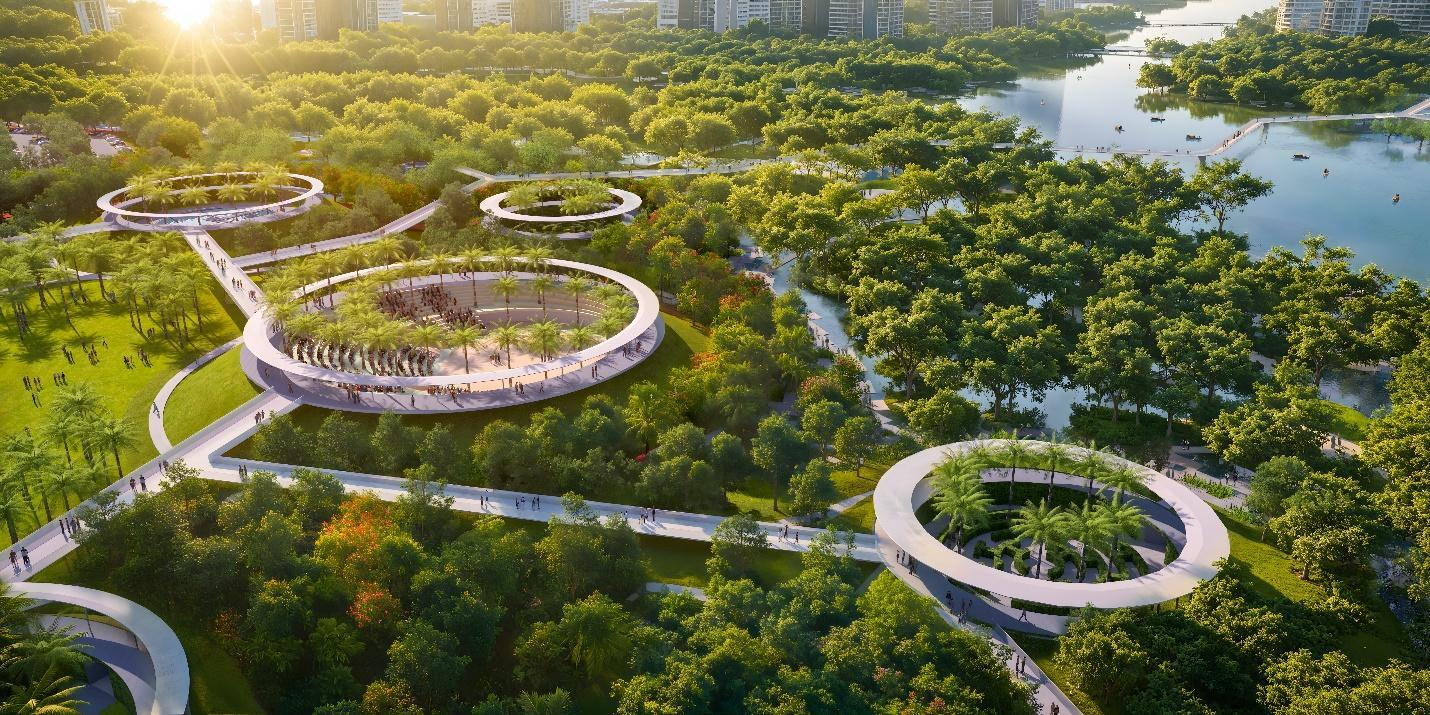
Real estate projects focus on developing green, fresh, and clean spaces. (Source: Collected)
3.2. Increasing demand for health and wellness resort real estate
Not only in the urban housing segment, the Wellness real estate trend has also strongly promoted the development of health resort real estate in recent years. Many customers today prioritize choosing resorts with green spaces, quiet environments, and health care services instead of just focusing on ordinary accommodation needs.
This has led many businesses to strongly develop resorts integrating hot springs, spas, meditation, yoga, or comprehensive health care activities. Destinations close to nature, possessing good climates or natural mineral sources, often have a significant advantage in developing this type of real estate.
3.3. Formation of Integrated Green Living Urban Areas
One of the clear impacts of the Wellness real estate trend is the growing emergence of integrated green living urban areas. Instead of developing individual buildings separately, many current projects aim to build comprehensive living communities with an ecosystem of amenities, landscapes, and a balanced living environment for residents.
Wellness urban areas often prioritize large green spaces, walking paths, outdoor sports areas, and health-focused amenities to create a more sustainable living environment. This is also a trend predicted to continue expanding in the future as the demand for healthy living and quality of life becomes increasingly important to homebuyers.
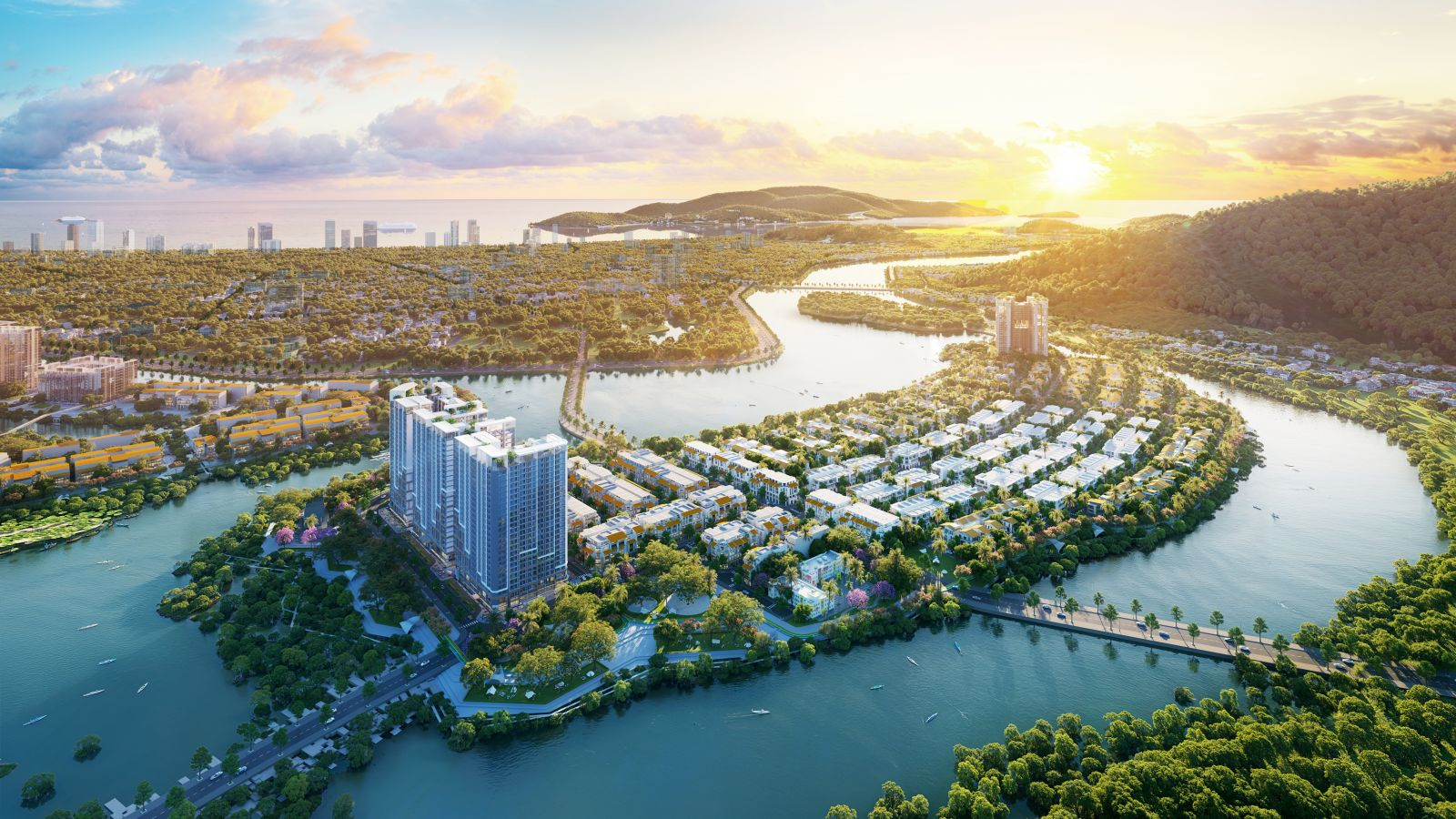
Green urban areas are increasingly being built and developed by many investors. (Source: Collected)
4. Should one invest in Wellness real estate?
In the context of the increasing demand for green living and healthcare, the Wellness real estate trend is attracting the attention of many investors thanks to its long-term development potential. Not only suitable for actual living needs, Wellness projects also have advantages in terms of resort exploitation and rental thanks to their high-quality living environment and ability to attract a group of customers with stable incomes.
4.1. Long-term growth potential
One of the reasons many investors are interested in the Wellness real estate trend is its long-term growth potential. As the demand for healthy living, green living, and balanced living becomes increasingly popular, projects with quality living environments tend to have a better competitive advantage in the real estate market.
Besides, land funds with ample green space and good natural conditions in large urban areas are increasingly limited. This helps Wellness projects increase in value over time, especially in areas with complete infrastructure and potential for tourism or resort development.
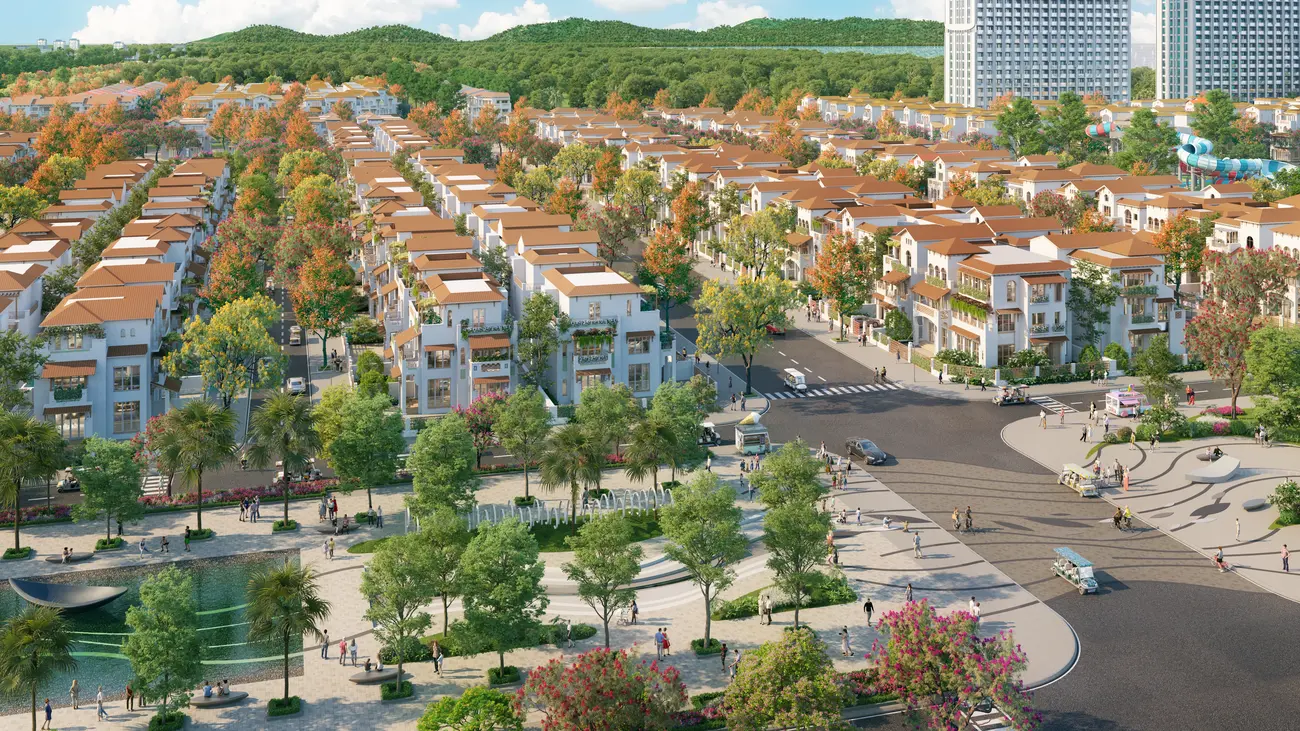
Wellness real estate projects possess long-term growth potential. (Source: Compiled)
4.2. Potential for resort and rental exploitation
Not only suitable for living, Wellness real estate also has good potential for resort exploitation and rental. Many customers today prioritize choosing living or resort spaces close to nature, with health care facilities and a quiet environment to serve the needs of relaxation and energy regeneration.
This helps Wellness projects easily attract high-income customer groups, professionals or tourists who love a healthy lifestyle. This is also a factor that helps the Wellness real estate trend become a segment that many investors have been interested in in recent years.
4.3. Factors to consider before investing
Despite having great potential, investors still need to carefully consider before choosing projects following the Wellness real estate trend. Factors such as location, legal status, developer reputation, and actual operational capacity will greatly affect the value and exploitation efficiency of the project in the long term.
Furthermore, not every project incorporating Wellness elements truly meets the standards of green living and healthcare. Therefore, investors should thoroughly research construction density, amenities, green space, and actual exploitation potential before deciding to invest to limit risks during the investment process.
5. Recommended Wellness Real Estate Projects Worth Investing in Vietnam
The development of the Wellness real estate trend is driving many investors to focus on developing green living projects, health resorts, and eco-cities in Vietnam. Notably, Charmora City stands out with Vietnam's first Sponge City model, aiming to absorb, store, and reuse water to adapt to climate change. The project boasts a system of natural therapy parks, riverside parks, vast green spaces, and an environment close to nature, aligning with modern Wellness orientations.
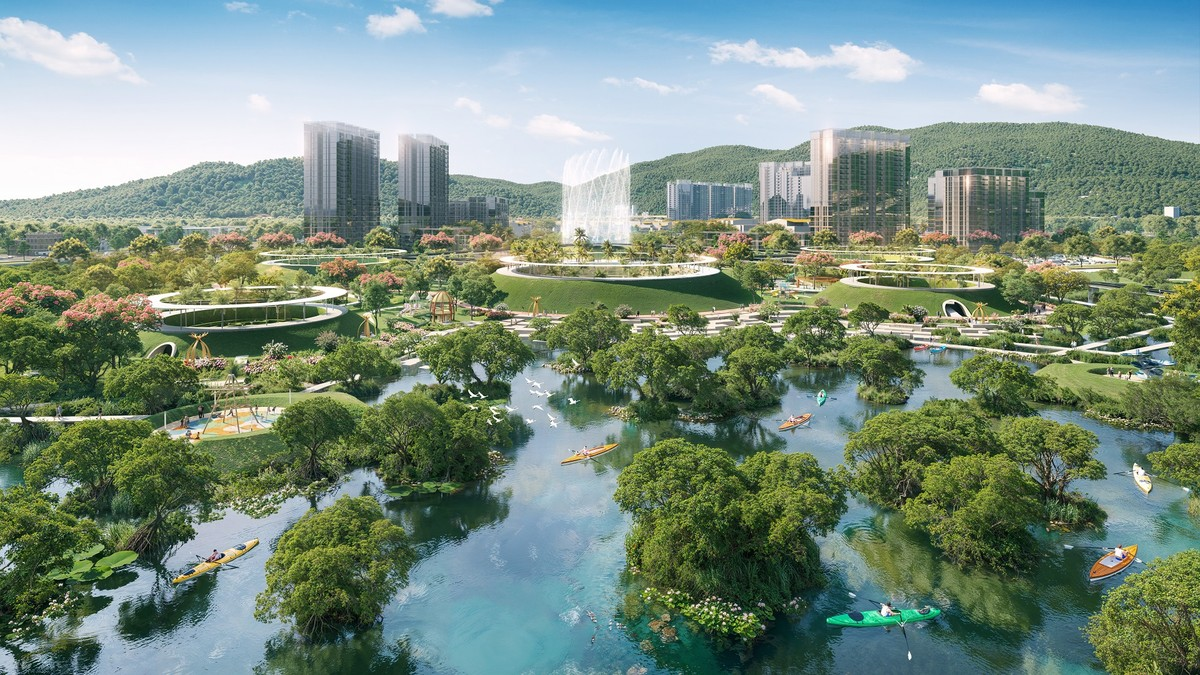
Green-filled living space in the Charmora City project. (Source: Collected)
In addition, Xanh Island is also a prominent project oriented towards ecological resort and green living amidst island nature. The project is developed with many landscape parks, open spaces, and coastal resort tourism ecosystems to bring a balanced living experience for residents and tourists.
Evidently, the Wellness real estate trend is gradually becoming a prominent development direction of the modern real estate market as the demand for green living and healthcare is increasing. Not only does it bring a higher quality living environment, but this model also opens up many long-term investment potentials thanks to its ability to meet the sustainable living trend of current residents.