


What is a bungalow? Evaluate advantages, disadvantages, and current applications.
In the field of tourism and resort real estate, bungalows are increasingly attracting the interest of many people. With designs close to nature and private spaces, bungalows offer a relaxing and unique resort experience. Here is information about this type of housing, please take a look.

▲Table of Contents
1. Definition of bungalow houses in architecture and real estate
1.1. Concept of bungalow according to practical design
This is a low-rise house type, usually only one floor with a not-too-large area and simple structure, but still ensures full basic living amenities. The design focuses on neatness, minimalism, and especially prioritizes sustainability through integrated renewable energy solutions. Moving into 2026, this model is not only appearing in coastal tourist areas or mountainous regions but is also starting to infiltrate satellite urban areas in the form of "Green-office" or "Second-home" thanks to its rapid assembly capability and minimal impact on the ecosystem.
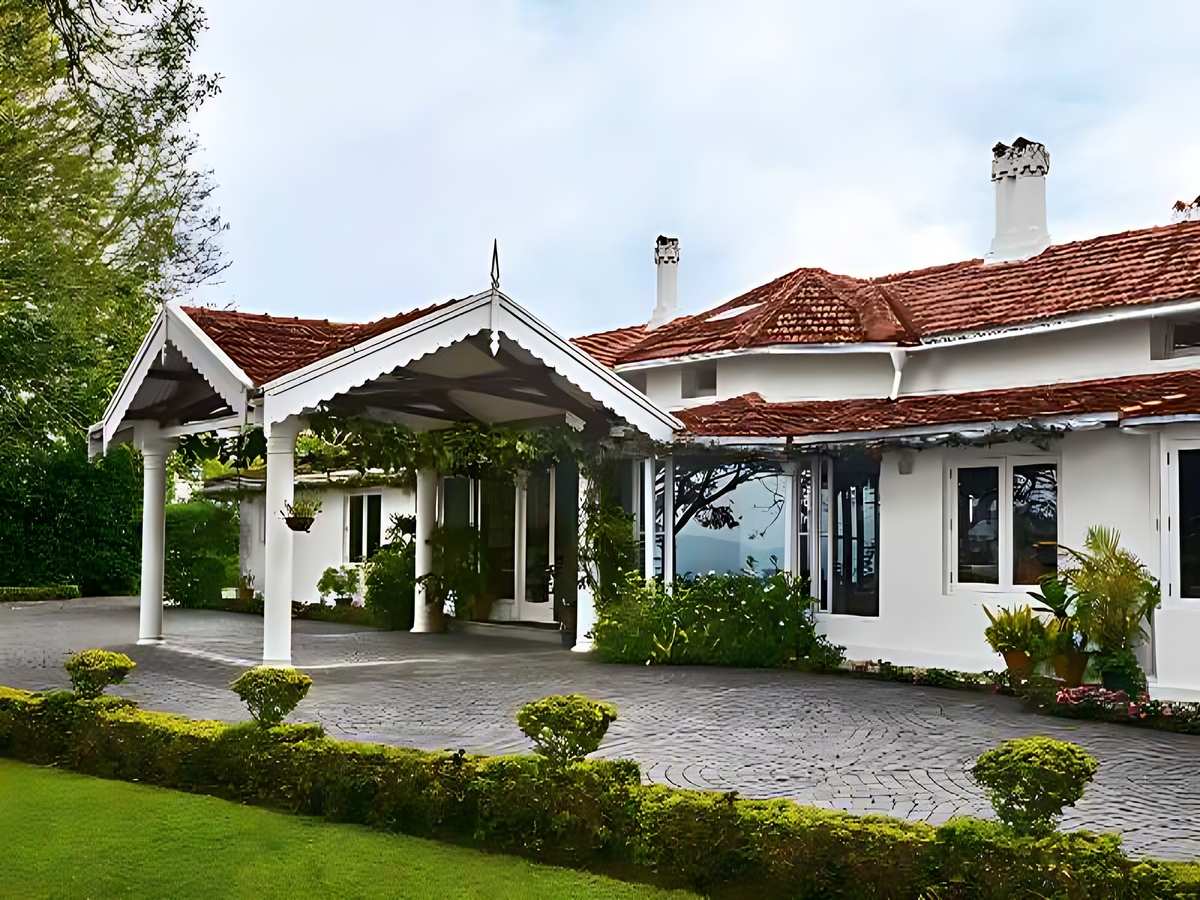
Bungalow is a compact single-story house suitable for vacation and accommodation. (Source: Compilation)
Bungalows are usually built separately, with each unit being an independent space that gives users a sense of privacy. The architecture is not too complex, prioritizing convenience and comfort during use. These characteristics make bungalows a popular choice in resorts today.
1.2. Origin and development of bungalow
This type originated from India around the 17th century with a name derived from "bangla", referring to simple one-story houses of the indigenous people. Initially, bungalows were used as residences for sailors or the working class with a compact design and ease of construction. Over time, this model was improved and spread to many other regions.
After developing in the UK and North America, bungalows have gradually become a popular type of resort accommodation in the tourism industry. In Vietnam, this model appears in many areas such as Phu Quoc, Nha Trang, or the northern mountainous regions. This development is linked to the trend of nature-friendly tourism and the experience of private space.
1.3. The difference between bungalows and other types of resort accommodation
The clear difference compared to a villa or hotel lies in the smaller scale and simpler design. Bungalows usually only have one floor, a compact space, and fewer complex amenities compared to villas, which have a large area and many functional areas. Meanwhile, hotels are usually built in multi-story blocks with many adjacent rooms.
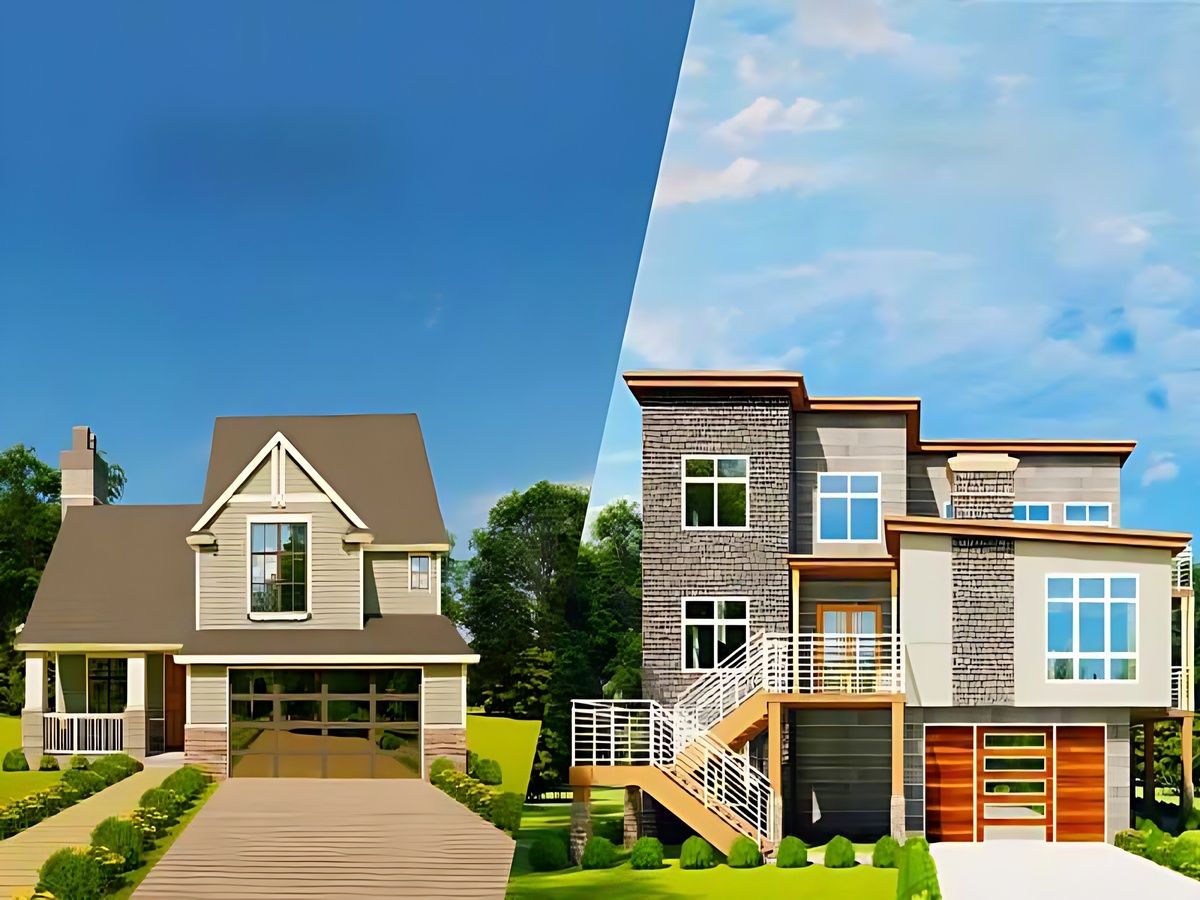
A compact bungalow is more independent and distinct from villas and hotels. (Source: Collected)
Compared to homestays, bungalows offer higher independence as each unit is completely separate in terms of space. Additionally, bungalows are often located in natural areas rather than residential areas like homestays. This difference helps bungalows create a distinct resort experience and a more personalized one.
2. Practical design characteristics of bungalows
2.1. Low-rise architecture and open space
When learning what a bungalow is, it can be seen that the outstanding characteristic is a single-story architecture with a sloping roof and open spaces directly connected to the surrounding environment. This design helps increase natural ventilation and utilize natural light from the outside. At the same time, bungalows often have wide verandas to create outdoor relaxation spaces.
Open spaces help reduce feelings of confinement and create a connection between people and nature. The simple structure also makes construction and maintenance more convenient. This is an important factor in current eco-resorts.
2.2. Natural building materials
When analyzing what a Bungalow house is in the new era, building materials have seen significant upgrades. Besides traditional wood and bamboo, architects prioritize the use of bio-materials (Bio-materials), high-strength cross-laminated timber (CLT), and high-tech insulating glass. These materials not only retain their rustic beauty but also ensure superior fire and moisture resistance, meeting stringent standards for green building in 2026.
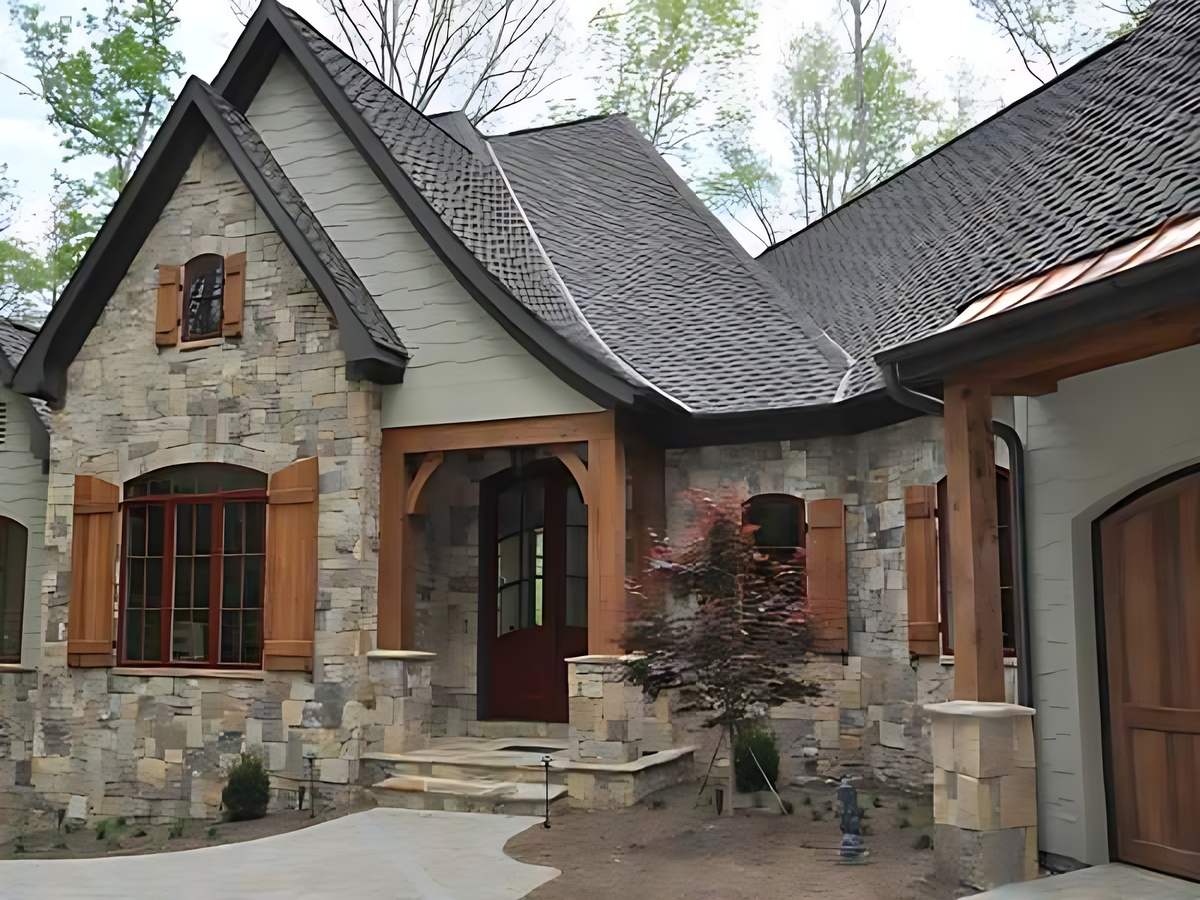
Bungalow uses natural materials to create a close and friendly space. (Source: Compilation)
Furthermore, these materials also contribute to creating a cozy and friendly space for users. The combination of natural materials and open design enhances the resort experience. This is a common element found in bungalows at eco-tourism areas.
2.3. Simple yet Comfortable Layout
When researching what is a bungalow, it can be seen that the space arrangement is often minimalist but still ensures full functions such as a bedroom, a restroom, and a small living area. The area of each unit is not too large but is arranged reasonably for optimal use. This helps occupants feel comfortable despite the limited space.
In addition, many modern bungalows are also equipped with amenities such as a small reception area or a balcony. The design focuses on the resort experience rather than functional complexity. As a result, the space becomes easy to use and suitable for many types of guests.
3. Advantages and disadvantages of the bungalow model
3.1. Private and relaxing resort experience
A prominent advantage is the ability to provide a private resort space thanks to the separate design of each unit. Guests can enjoy a quiet environment and not be affected by surrounding areas. This suits the need for rest and relaxation.
In addition, bungalows are often located in areas with natural landscapes such as beaches, forests, or mountains. The green space and fresh air enhance the resort experience. This is a factor that makes bungalows a popular choice for many tourists.
3.2. Reasonable construction and operation costs
Construction costs are usually lower compared to villas or multi-story hotels due to their small scale and simple design. The use of natural materials and a single-story structure helps reduce construction costs and time. This is suitable for many resort investment models.
Additionally, the operating costs of Bungalows are currently optimized thanks to a smart energy management system. The integration of automatic sensors and solar panels helps these homes to self-supply electricity, thereby significantly reducing monthly maintenance costs. This is a key factor making this model a top investment choice amidst fluctuating energy prices.
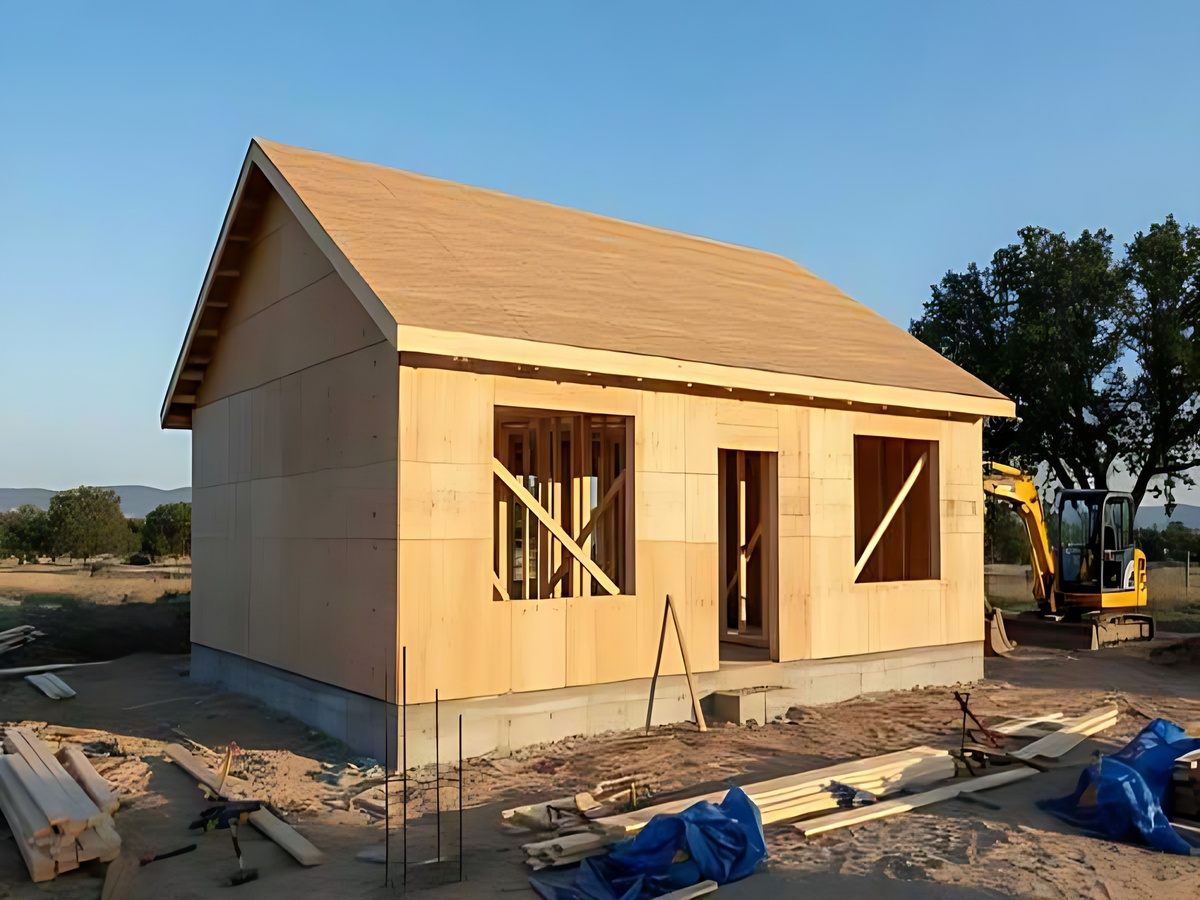
Bungalows are cost-effective to build and operate due to their simple design. (Source: Collected)
3.3. Some limitations when building bungalows
When learning about what a bungalow is , it can be noted that a limitation to consider is that the area of each unit is usually small, so it is not suitable for large or long-term usage needs. The limited space makes it difficult to expand functionality. This affects the ability to meet diverse usage needs.
Furthermore, bungalows are highly dependent on location and natural conditions, making them unsuitable for crowded urban areas. Weather factors such as rain, wind, or high humidity can also affect the durability of materials. This is a point to consider during the construction process.
4. Application of bungalow houses in resort real estate
4.1. Bungalow model in resorts and tourist areas
This model is often arranged in clusters within resorts or eco-tourism areas to create privacy for each guest. Bungalows are arranged interspersed with greenery, water bodies, or natural pathways. This arrangement helps enhance the experience of being close to nature. Furthermore, dispersing the bungalows helps reduce construction density and creates an airy space for the entire area. This design aligns with current eco-resort trends.
4.2. Business potential and accommodation exploitation
When evaluating what a bungalow is , many experts believe this type of accommodation has business potential due to its ability to attract tourists seeking private and nature-close experiences. Bungalows are often chosen for short getaways or ecotourism trips. Additionally, the initial investment cost is not too high, helping to reduce financial pressure and shorten the payback period. The flexibility in design also makes it easy to scale up when needed.
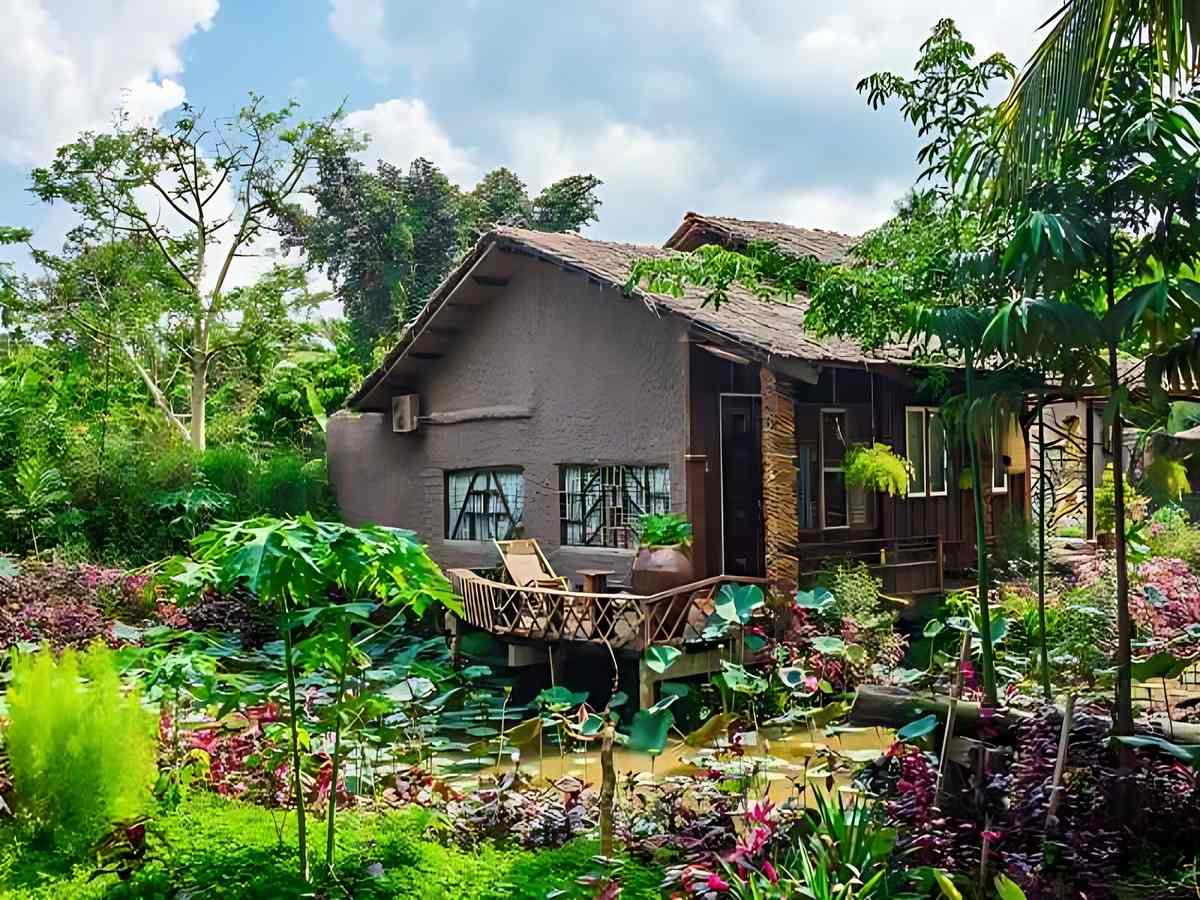
Bungalows have business potential due to private experiences and closeness to nature. (Source: Collected)
4.3. Considerations when designing and building bungalows in Viet Nam
When researching what is a Bungalow in Vietnam, besides climatic factors, investors need to pay special attention to the regulations in the Land Law 2024 (No. 31/2024/QH15) and guiding decrees on the construction of projects on commercial and service land. Strict adherence to construction density and environmental protection regulations according to the latest standards in 2026 will facilitate project licensing and sustainable development.
In addition, overall planning must ensure harmony with the landscape and not disrupt the surrounding natural environment. Design needs to combine aesthetic elements with usage efficiency. This is the basis for the bungalow model to develop sustainably in practice.
Understanding what a bungalow is will give you a comprehensive view of the type of resort accommodation that is currently popular. With a design close to nature and reasonable costs, bungalows are a worthwhile option for both living experiences and investment.