


What is a complex in a modern city?
What is a complex? This is a common question as the market sees an increasing number of multi-functional integrated projects. Not just purely residential areas, this model also combines commercial, entertainment, and services. Understanding its essence helps buyers correctly assess living value and investment potential.

▲Table of Contents
1. What is a complex in urban planning?
1.1. Concept of a complex
In the field of real estate and urban planning, many people inquire about what a complex is to understand the structure of a multi-functional development model. In modern urban planning, a complex is a multi-functional integrated real estate complex. According to the Housing Law No. 27/2023/QH15, these projects are currently often referred to as "Mixed-use Housing Development Projects", where land is optimally allocated for residential, commercial, service, and office purposes.
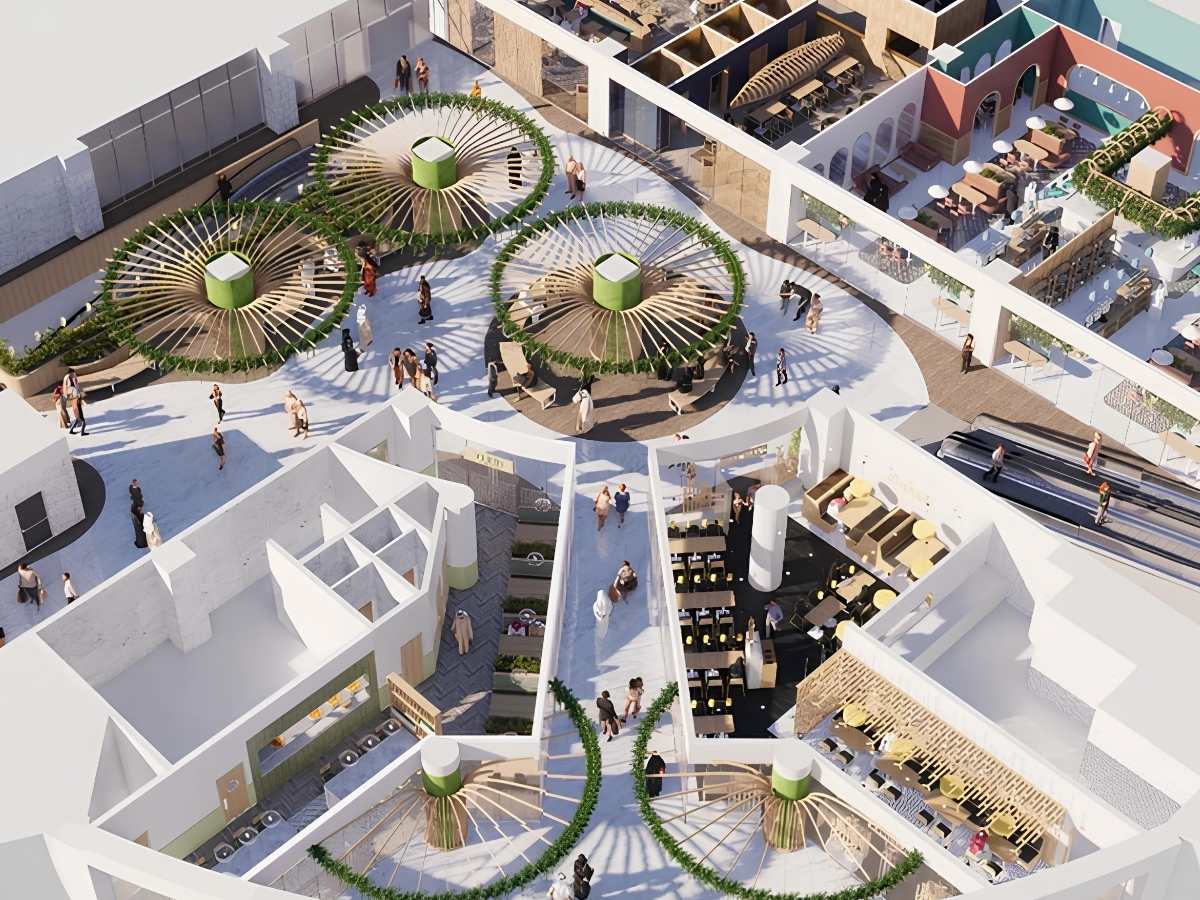
A complex is a real estate model integrating multiple functions. (Source: Collected)
Complexes are designed to meet many living needs within the same space, from living, working to shopping and entertainment. Instead of developing individual projects, this model combines multiple functions into a cohesive whole in terms of architecture and infrastructure.
1.2. Origin and development trends
To better understand what a complex is, it is necessary to look at the formation context of this model in the process of urban development worldwide. The complex model emerged in large cities to effectively utilize limited land resources and meet the increasingly diverse living needs of urban residents. During urbanization, large cities often face pressures from traffic, population density, and service demands. The development of multi-functional complexes helps reduce travel distances between residences, workplaces, and daily amenities.
1.3. Role in urban development strategy
In modern urban planning, understanding what a complex is helps to see the role of this model in sustainable urban development. When multiple functions are integrated in the same area, residents can access daily services without having to travel far.
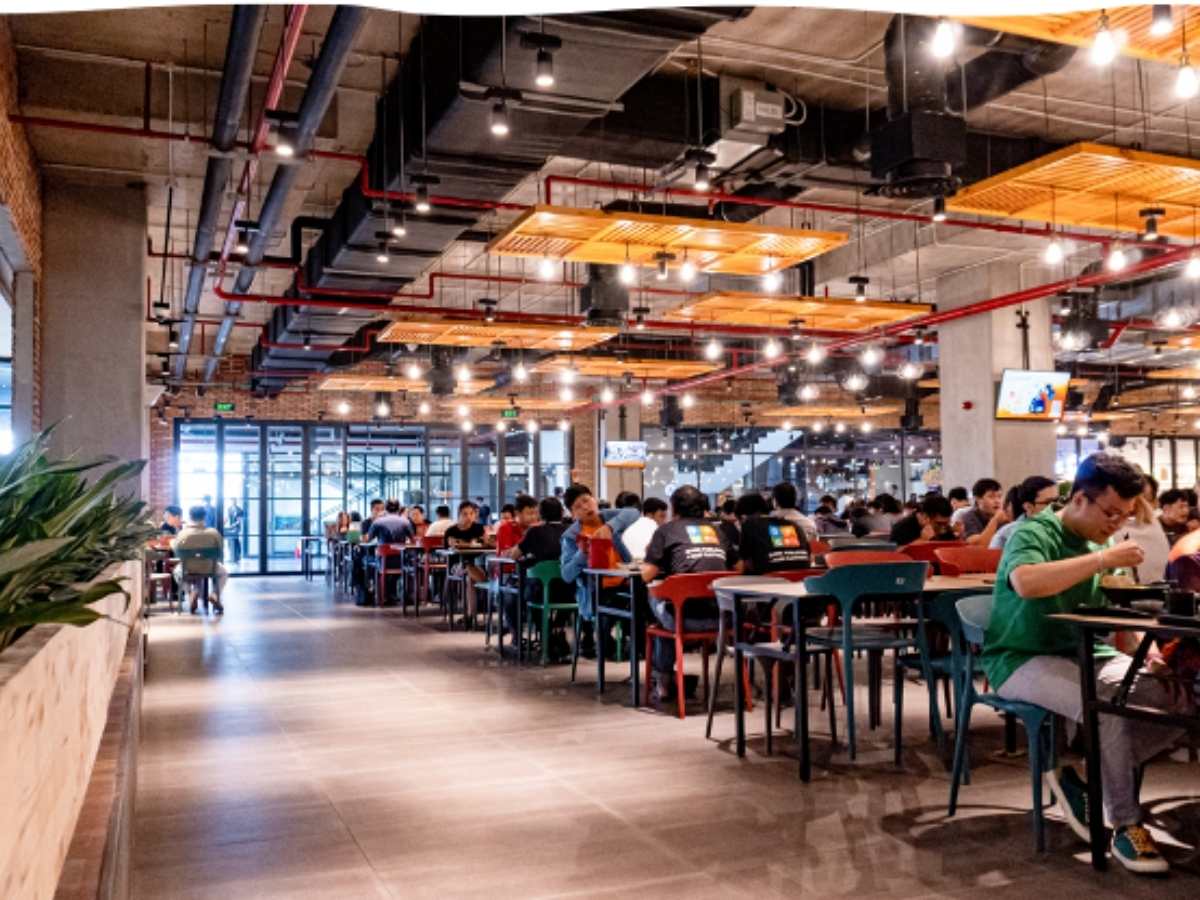
The complex contributes to reducing traffic pressure and improving urban quality. (Source: Compilation)
Reducing the need to travel between different areas contributes to limiting traffic pressure in densely populated cities. The mixed-use development model also encourages the formation of self-sufficient urban areas with diverse amenities.
2. Structure and components of a mixed-use development
2.1. Residential and apartment areas
In the structure of modern urban projects, understanding what a mixed-use development is usually begins with the residential and apartment areas within the overall project. This is the area for residents to live and often includes various types of real estate such as apartments, townhouses, or villas.
Residential areas in complex projects are currently managed according to smart urban standards. With the support of Land Law No. 31/2024/QH15, the issuance of Certificates of Land Use Rights, Ownership of Assets Attached to Land (new form) for each apartment or townhouse in a complex project has become more transparent and faster. The overall design not only ensures a stable living environment but also must meet stringent standards regarding fire prevention and fighting infrastructure and mandatory green corridors according to new construction regulations.
2.2. Commercial and service center
An important factor in explaining what a complex is is the presence of a shopping center and accompanying services. These areas are often located in the central part of the project to serve both internal residents and external visitors. Commercial spaces within the complex typically include retail stores, food courts, cinemas, and many other types of services. This diversity helps create a dynamic business environment and attracts a stable customer base.
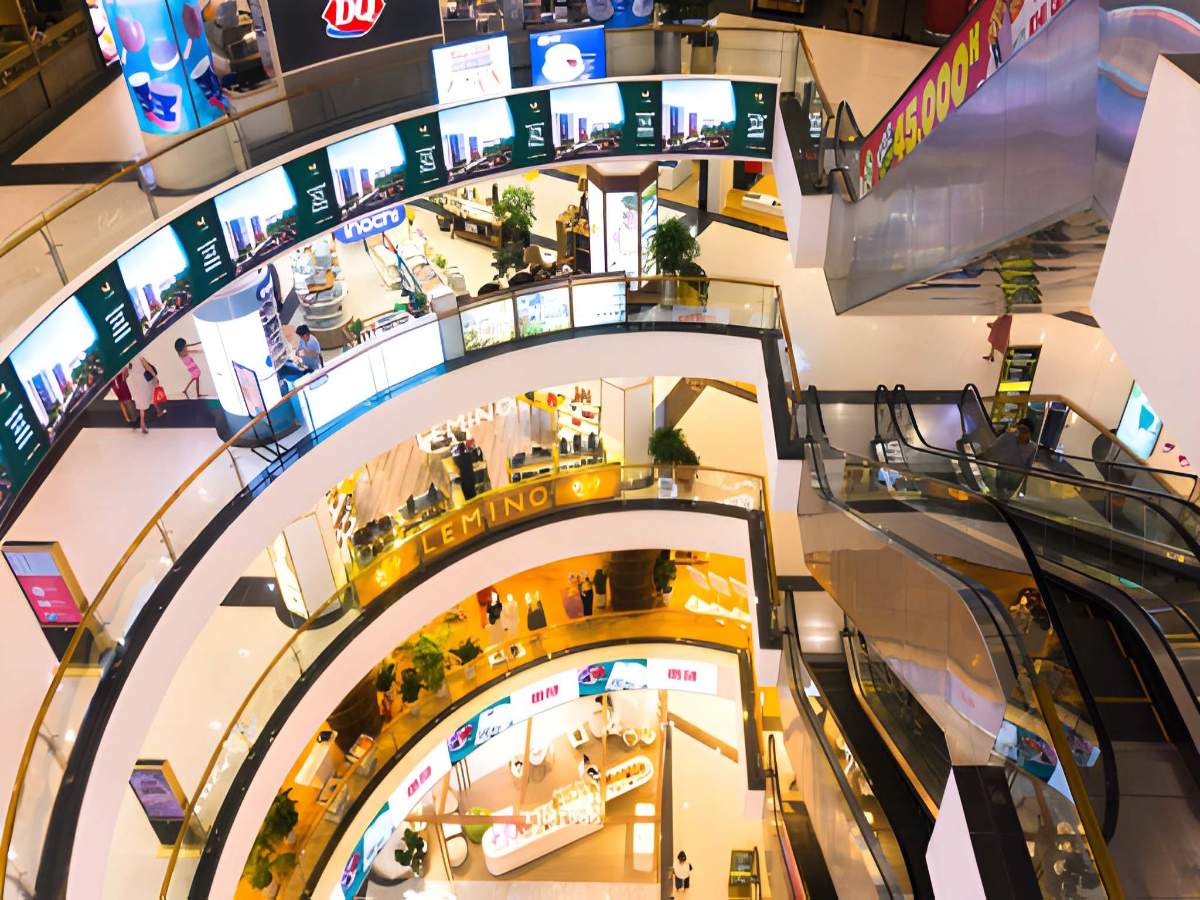
Shopping mall within the complex creates a business and service environment. (Source: Collected)
The presence of the shopping mall also contributes to enhancing the real estate value in the area. When residents can access shopping and entertainment services right within the complex, the quality of life and the commercial viability of the project are significantly improved.
2.3. Offices and Hotels
In many modern urban projects, understanding what a complex is also relates to the presence of office buildings and hotels in the same area. These structures help create continuous economic activity and attract various user groups. Office buildings typically serve businesses or organizations working in the urban area. When combined with residential areas and commercial centers, offices create a diverse economic ecosystem within the same project.
2.4. Green Spaces and Community Amenities
An important component when analyzing what a complex is is the system of green spaces and community amenities. Modern complexes often dedicate significant area to parks, squares, and common living areas to improve the living environment.
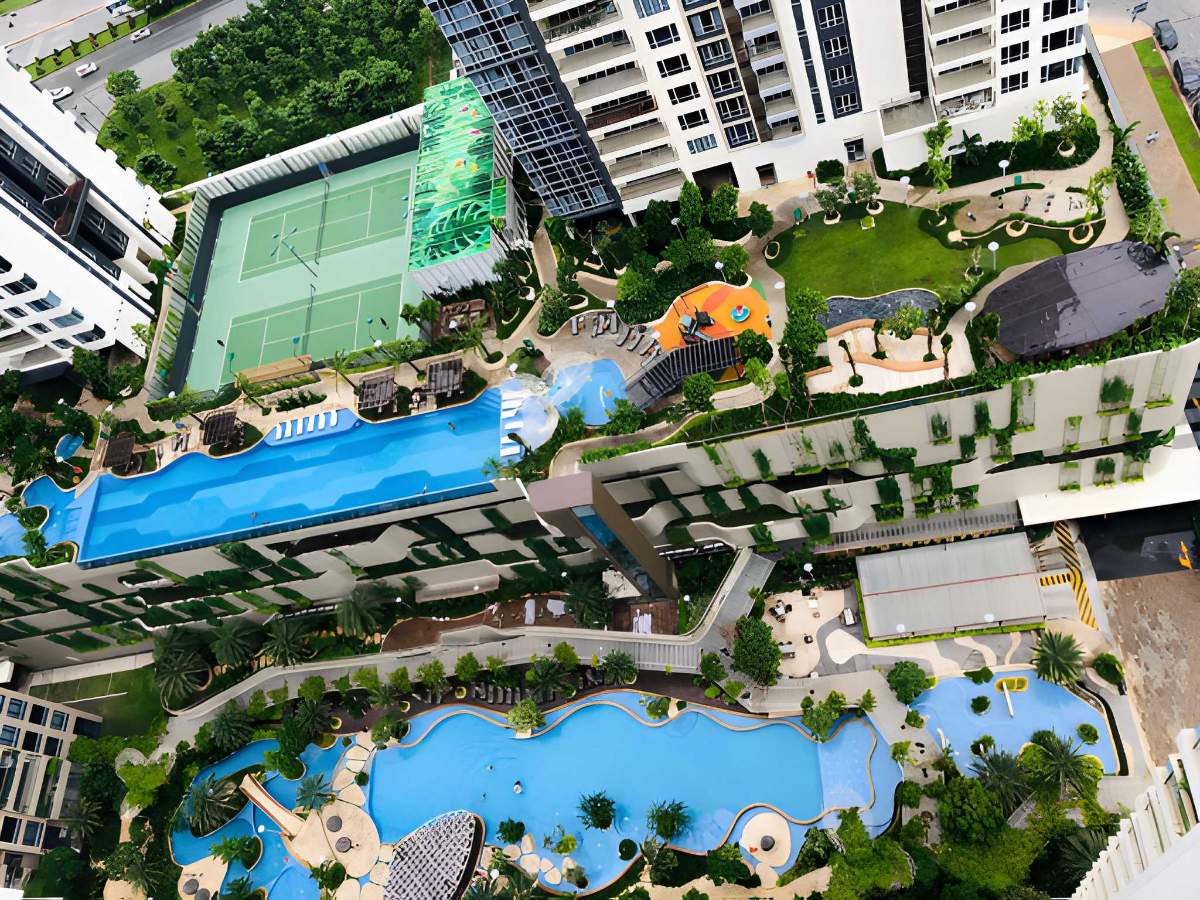
Green space and amenities help enhance the quality of life in the complex. (Source: Collected)
Green spaces play a role in balancing the construction density and natural environment in urban areas. These areas help residents have a place to relax, exercise, or organize community activities. Besides parks, many projects also integrate schools, sports areas, or medical centers within the same complex. This combination helps residents access essential services at close proximity, creating a convenient and stable living environment.
3. Advantages and potential of the complex
3.1. Optimizing living experience
When analyzing what is a complex, a prominent advantage of this model is its ability to create an integrated living experience for residents. Residents can live, work, and entertain themselves in the same area without having to travel far. This convenience helps save daily commuting time, especially in large cities with high traffic density. When many amenities are within walking distance, residents can access services quickly and conveniently.
Integrated living models not only bring convenience but also significantly contribute to improving the quality of urban life. When amenities are planned synchronously and scientifically, residents can easily access all essential needs right within their living area. This creates a diverse, dynamic living environment with many rich cultural and entertainment activities. As a result, daily life becomes more comfortable, balanced, and rich in experiences.
3.2. Increasing real estate value
In the real estate market, understanding what a complex is helps to see the potential for value increase of this type of project. Complexes often attract buyers thanks to diverse utility systems and a complete living environment. The integration of multiple functions within the same area helps the project maintain long-term appeal in the market. When residents and businesses operate together in one space, the exploitation value of real estate can be improved over time.
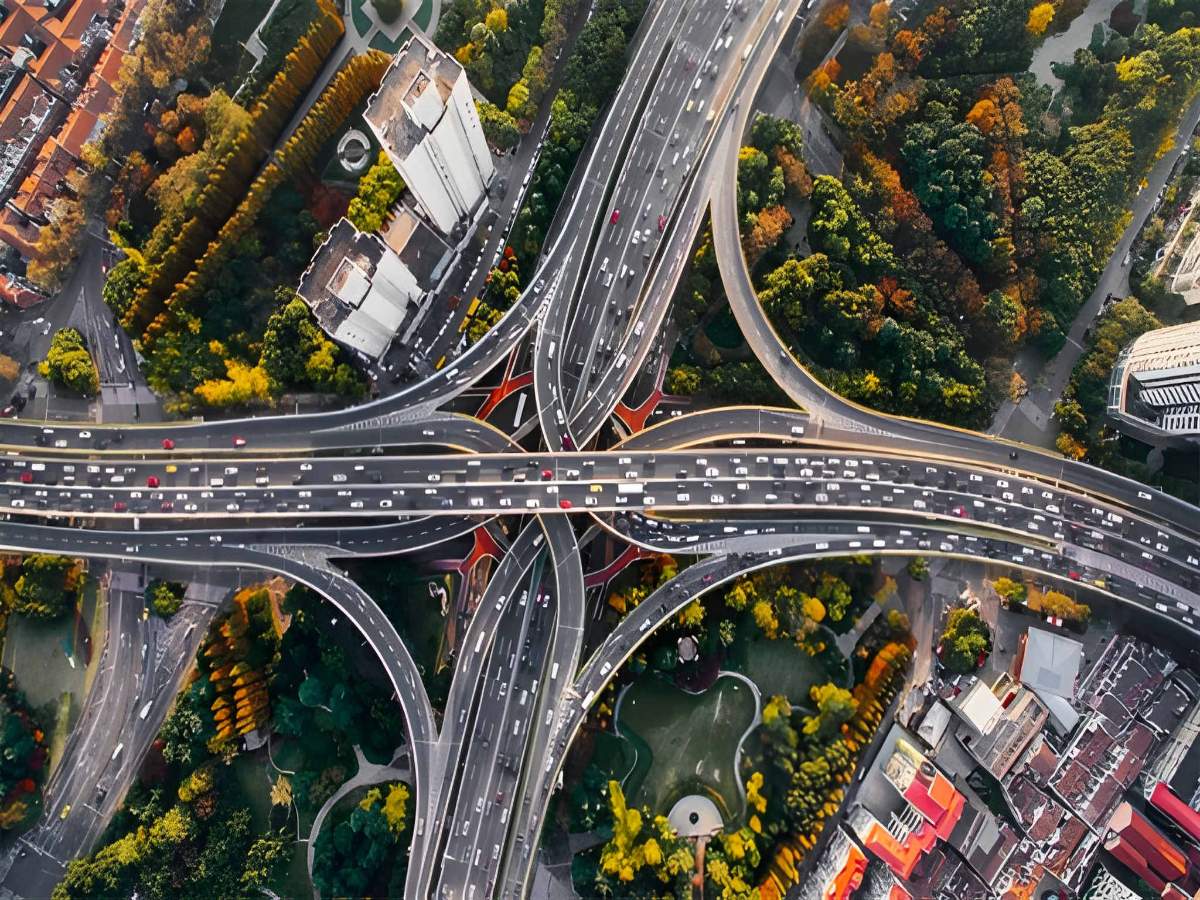
Integrated development enhances property value through integrated amenities and planning. (Source: Compilation)
Besides, the complex is often planned synchronously and systematically with complete infrastructure systems and diverse amenities. Living spaces are designed modernly and harmoniously, meeting the needs for living and working well. As a result, real estate values in the area are always maintained stably and tend to increase over time. This is also an important factor helping to enhance market liquidity.
3.3. Attracting a quality resident community
In the context of urbanization, understanding what a complex is also helps explain the model's ability to attract a stable resident community. Complexes are often designed to create a convenient and connected living environment for various resident groups.
Projects with synchronized planning and diverse utility systems often attract residents looking for long-term living. The combination of housing, commercial spaces, and public areas helps form a dynamic resident community. Additionally, a well-planned living environment also contributes to improving residents' quality of life. When living spaces are equipped with sufficient amenities and services, resident communities tend to maintain long-term stability.
3.4. Example of a large-scale complex model
In the Vietnamese real estate market, many large-scale projects are developed following a complex model. These projects often integrate multiple functions such as residential, commercial, educational, and entertainment within a single urban area. Some integrated urban areas are planned to international standards with large areas and diverse utility systems. Facilities within the area typically include shopping centers, parks, sports areas, and service spaces for residents.
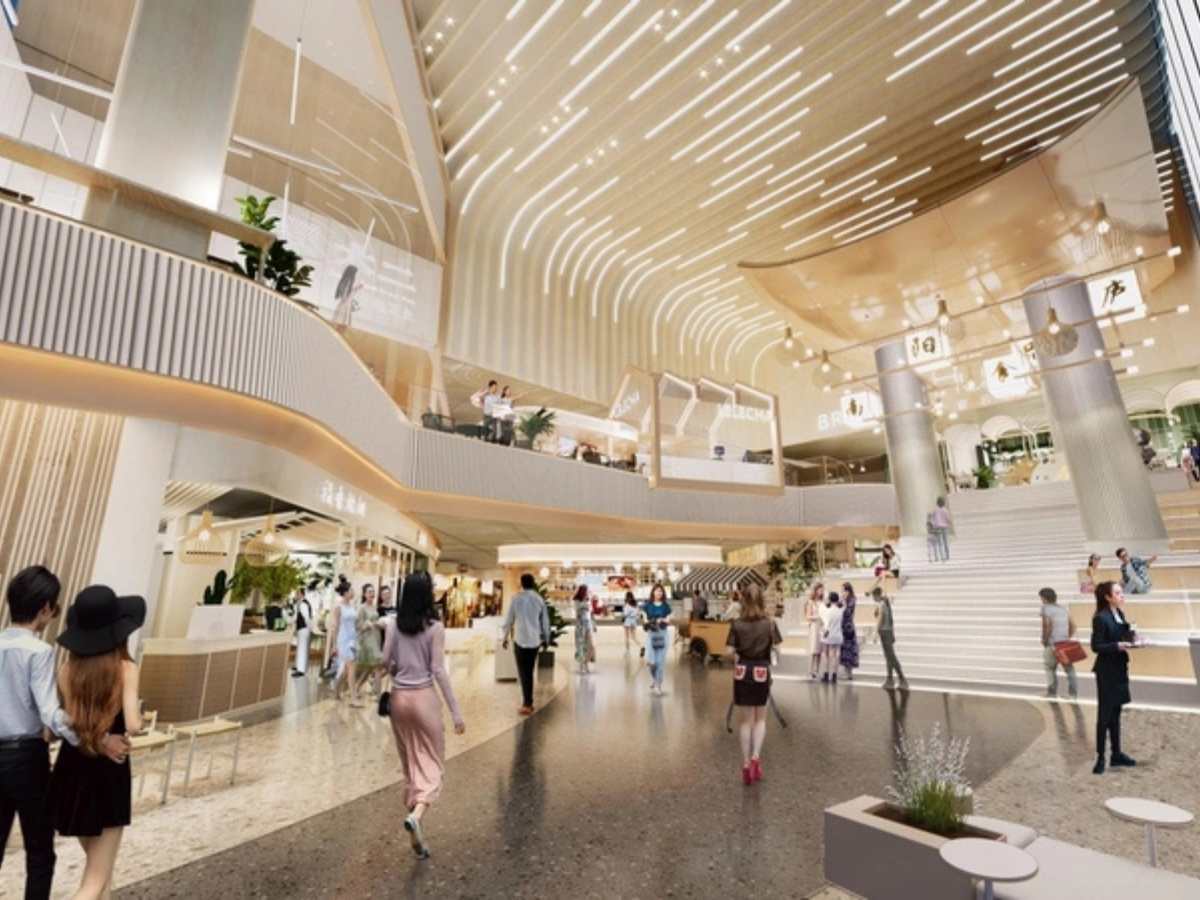
Large-scale complexes integrating housing, commercial, and diverse amenities. (Source: Collected)
Multifunctional integrated projects not only optimize land use but also increase usability in modern urban areas. When areas are synchronously planned and closely linked, they create convenient and dynamic living and working spaces. This is also the context that makes many people interested in what the concept of transfer is in related transactions. As a result, complexes gradually become vibrant centers for living, commerce, and economy for the entire area.
4. Considerations when choosing to invest in complexes
4.1. Evaluate the investor's capacity
In the process of understanding what a complex is, evaluating the developer's capacity is an important factor before deciding to invest. Developers with experience in developing large-scale projects usually have the ability to implement synchronized planning and infrastructure. The reputation of the developer directly affects the construction progress and quality of the works in the project.
Projects developed by experienced units usually ensure synchronization between functional areas within the complex. In addition, the financial capacity of the investor also determines the ability to complete amenity items. When the project is implemented according to plan, real estate value within the complex can be maintained stably.
4.2. Consider overall planning and legal aspects
When researching what is a complex , master planning factors and the project's legal status always play a key role in the evaluation process. Buyers should pay special attention to the clarity and transparency of the legal documents to avoid unnecessary risks. In addition, fully checking all relevant permits for the project development process is also essential. This helps ensure safety and long-term value for the investment decision.
The master plan needs to clearly define functional areas such as residential, commercial, office, and public utilities. When the planning is transparently announced through the National Planning Information Portal, investors can scan the identification QR code on the project diagram to verify authenticity.
Besides, according to the Law on Real Estate Business No. 29/2023/QH15, all purchase and transfer transactions within the complex must be conducted through banks. This helps ensure ownership rights, liquidity, and minimize potential risks related to administrative procedures or future legal disputes for investors.
4.3. Analysis of long-term exploitation potential
In the investment process, understanding what a mixed-use development is must be accompanied by an analysis of the project's long-term exploitation potential. A mixed-use development only becomes effective when there are enough residents living there and stable commercial activities. The flow of residents and visitors to the area plays a crucial role in maintaining the project's economic activities. When a mixed-use development attracts a large number of users, commercial services and amenities can develop sustainably. Furthermore, the project's location and its connecting infrastructure system also influence long-term exploitation capabilities. Mixed-use developments located near urban centers or major transportation routes often have better development potential.
Answering the question “ what is a complex ?” is a multi-functional integrated real estate model, meeting modern living needs in a synchronized space. When well-planned and developed by reputable investors, this type brings sustainable value for both residents and investors.