


What is a smart home and its applications in construction?
With the development of technology, the concept of smart homes has become a concern for many modern families. Not only does it bring convenience, but this system also helps optimize device management, save energy, and improve quality of life.

▲Table of Contents
1. What is a smart home and how does it work
1.1. Concept of a smart home in living spaces
In the context of technological development, a smart home is understood as a residential model that integrates electronic devices capable of connecting and being automatically controlled via the internet. Devices in the home do not operate independently but are linked together into a unified system, allowing users to manage remotely. This creates a flexible living space that suits modern needs.
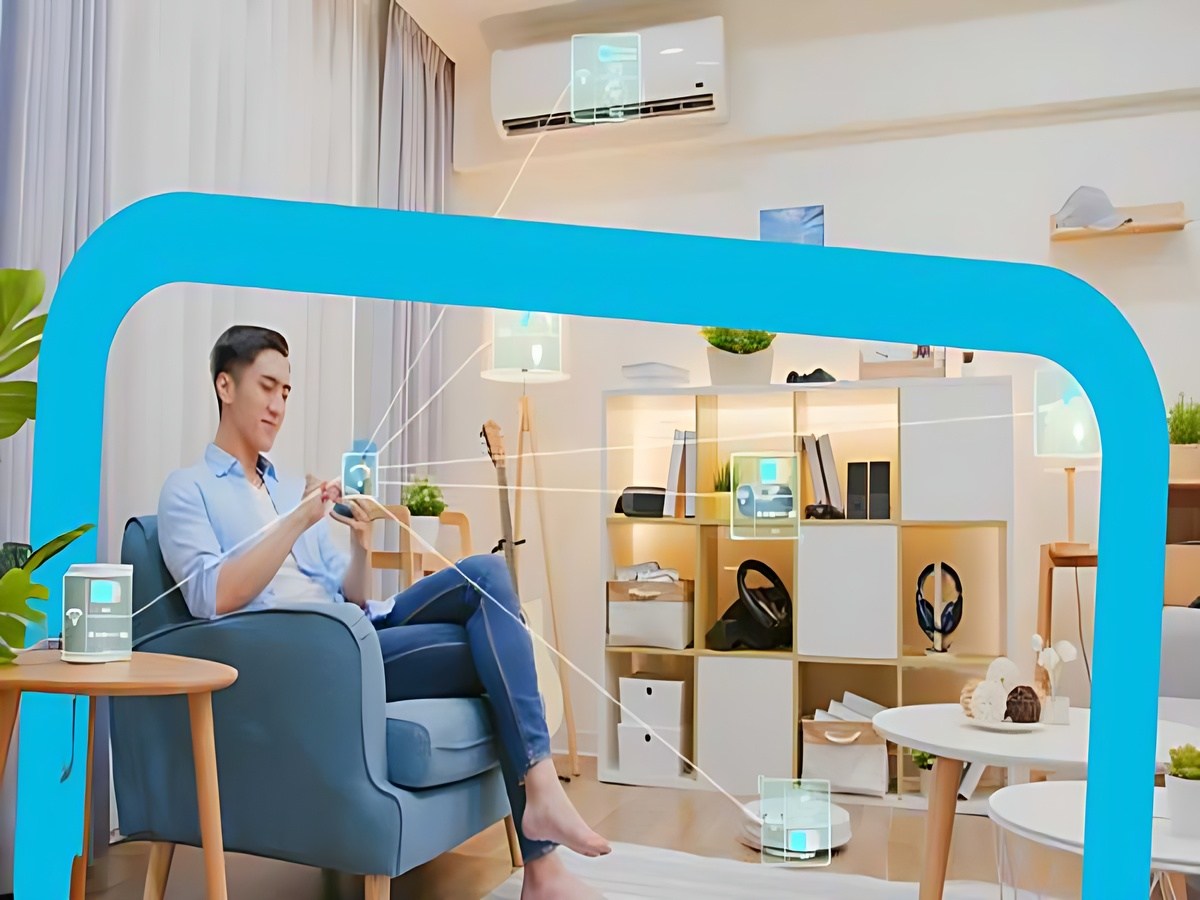
Smart home integrates connected devices for automatic control and management. (Source: Collected)
Smart homes in real estate are considered a combination of living space and technology, where devices such as lighting, air conditioning, and security can all be controlled via phone or a central system. These devices can communicate with users through an app or control panel and perform preset operations, thereby helping to optimize home management and operation.
1.2. Operating principle of a smart home system
By 2026, this principle has transitioned to the Matter & Thread standard. Devices are no longer completely dependent on the Internet but can communicate directly with each other via a Mesh network, ensuring the system still operates smoothly even when the network is lost. Additionally, data processing is performed locally (Edge Computing) instead of being pushed to the cloud, enabling near-instantaneous response times and maximum personal information security.
Users can control the system via phone, voice, or automatic sensors, creating flexible interaction methods. When there is a signal from a sensor or a command from the user, the system will process and coordinate the operation of devices such as turning on lights, adjusting temperature, or activating the security system, helping to enhance living experience and control over the home environment.
1.3. Basic components in a smart home
To better understand what a smart home is, it is necessary to consider the components that make up the system in practice. A smart home system typically includes a central control device, sensors, and smart electrical devices connected to each other. Each component plays its own role in the overall operation.
The role of the central "brain" is now replaced by an AI Home Hub integrated with a large language model. The system not only receives commands but also has the ability to "understand" context and learn the homeowner's habits. For example: Instead of you having to press the "Go to sleep" button, the AI will automatically detect when you get into bed to turn off the lights, lower the temperature, and activate security based on a high-sensitivity Presence Sensor.
2. Benefits of smart home in life
2.1. Increased comfort and living experience
When evaluating what a smart home is , one of the easily noticeable benefits is the ability to enhance comfort in daily life. Users can control devices in the house via phone or voice without direct manipulation. This helps save time and creates convenience during use.
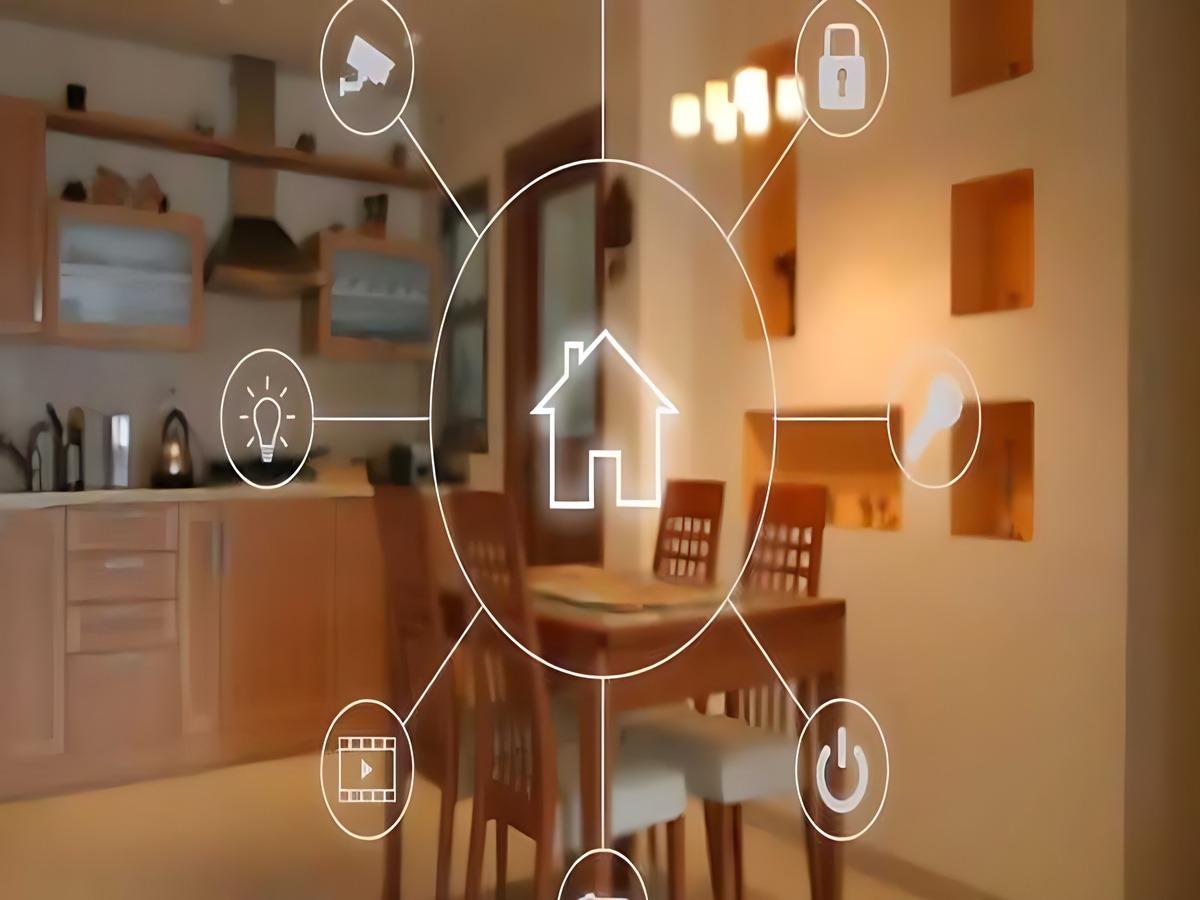
Smart home increases convenience thanks to automation and flexible control. (Source: Collected)
Automating activities such as turning lights on/off, adjusting temperature, or opening/closing curtains helps optimize the living experience in a residential space. Systems can set up operational scenarios according to daily habits, thereby helping the house operate flexibly and suit the personal needs of each user.
2.2. Energy and Cost Savings
When learning about what a smart home is, energy saving is a notable benefit. The system can automatically adjust the operation of electrical devices based on actual usage needs, helping to minimize energy waste. This contributes to optimizing monthly living costs.
Smart devices can monitor electricity consumption and automatically turn off when not in use, thereby helping to effectively control energy in the home. Optimizing device operation not only helps reduce costs but also contributes to more reasonable resource use in daily life.
2.3. Enhance Security and Safety
When analyzing what is smart home , security is one of the important values. Security in 2026 has advanced with wall-penetrating Radar technology and AI Computer Vision. Cameras not only record images but also distinguish between familiar people - strangers, pets, or fallen objects to provide accurate alerts, completely eliminating false alarms. The security system also integrates the feature of automatically locking critical areas and sending alarm signals to authorities when unauthorized intrusion is detected and authenticated by AI.

Smart home enhances security with cameras, sensors, and remote monitoring. (Source: Collected)
Users can remotely monitor via their phone and receive notifications of incidents or unusual activity in the home. Devices such as smart locks or door sensors help increase safety levels and provide peace of mind during the homeowner's daily life.
3. Application of smart home systems in each residential space
3.1. Smart living room
In the process of learning what a smart home is , the living room is the space that clearly demonstrates the convenience of the system. Devices such as lighting, air conditioning, and entertainment systems can be controlled synchronously via a central device or phone. This helps create a flexible living space.

Smart living room integrated with lighting, air conditioning, and automated entertainment. (Source: Collected)
The integrated entertainment system allows connection to TVs, speakers, and multimedia devices, bringing a more convenient experience. Automatic adjustment of lighting and temperature helps maintain a comfortable environment, suitable for various activities in the family's common space.
3.2. Comfortable Bedroom
When analyzing what is a smart home , the bedroom is an optimized area to enhance rest quality. The system can automatically adjust lighting and temperature according to the user's schedule or living habits. Smart devices also allow setting scenarios such as turning on soft lights in the morning or turning off all devices when going to sleep. Automation in personal space helps improve living experience and creates convenience during use.
3.3. Kitchen and other areas
In the context of understanding what is a smart home, the kitchen and auxiliary areas are also integrated with many smart devices. Electrical appliances such as refrigerators, coffee makers, or lighting systems can operate automatically or be remotely controlled. Additionally, safety sensors can detect incidents such as gas leaks or explosions, helping to increase safety levels in the kitchen space. The application of technology in these areas helps enhance user convenience and reduce manual operations.
4. Experience in installing and using smart homes effectively
4.1. Choosing a system that suits your needs
When learning about what a smart home is , choosing a system that suits your needs is an important factor. Users need to determine the desired level of automation to select a solution that fits their living space. This helps avoid wasting investment costs. Choosing compatible devices helps the system operate stably and makes it easy to expand in the future. A synchronized system will help optimize usage efficiency and reduce risks during long-term operation.

Choosing a suitable smart home system helps optimize costs and usage efficiency. (Source: Collected)
4.2. Notes when implementing a smart home
During the implementation of smart homes, network infrastructure is a crucial factor affecting system performance. Stable internet connectivity ensures devices operate continuously and respond quickly to control commands. Besides, choosing a suitable equipment supplier ensures the quality and stability of the system. This contributes to limiting risks during use and maintaining long-term operational efficiency.
4.3. Installation and operation costs
When evaluating smart homes, installation and operating costs are factors to consider. The investment level can vary depending on the system's scale and the number of devices used in the house. This allows users to choose a solution that fits their budget. Besides the initial cost, system operation also needs to be calculated to ensure long-term usability. Choosing suitable devices and optimizing the system helps reduce costs and improve efficiency in daily life.
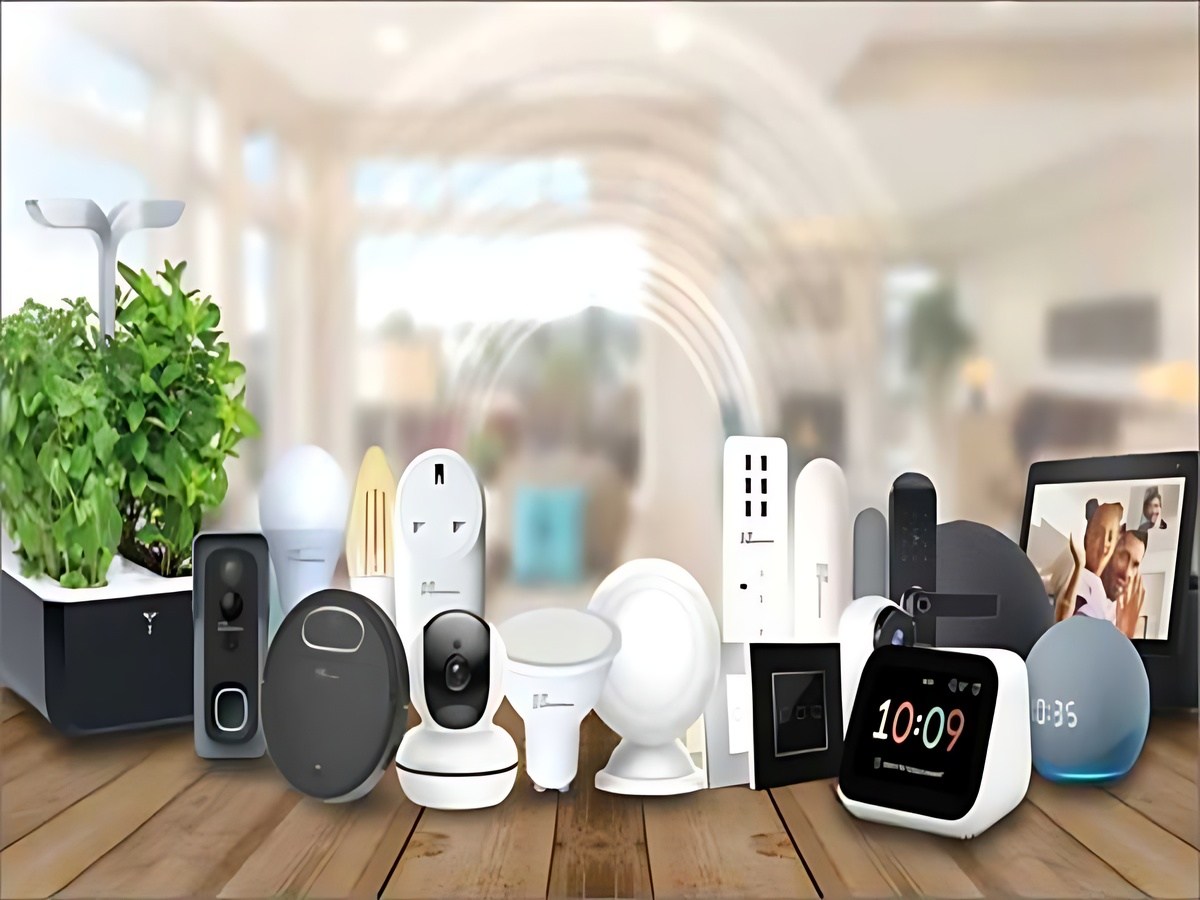
Smart home costs depend on the system scale and require operational optimization. (Source: Collected)
Thus, the article has explained what smart home is in building a modern living space. When applied reasonably, smart home helps enhance comfort, optimize costs, and brings a smarter, more convenient living experience every day.