


What is LNK land and important considerations when transacting?
What is LNK land is a question for many people when looking up planning information on the land registry map. This symbol is not as common as residential land or agricultural land, so it is easy to cause confusion. Understanding the nature of LNK land will help you correctly assess its value and limit risks when investing.

▲Table of Contents
1. What is LNK Land in planning symbols
1.1. Meaning of the LNK Symbol
In the land symbol system, LNK is the symbol for perennial non-fruit trees. According to the latest Circular on land records, this is land for perennial trees that do not belong to the groups of fruit trees (LNQ), industrial crops (LNC), or production forest land (RSX). Plants grown on LNK land are typically timber trees, shade trees, or landscape trees. A new development from 2025 is that the management of this land type has been integrated into the national digital data system, allowing buyers to easily check its transaction history via a QR code on the new certificate of land use rights.
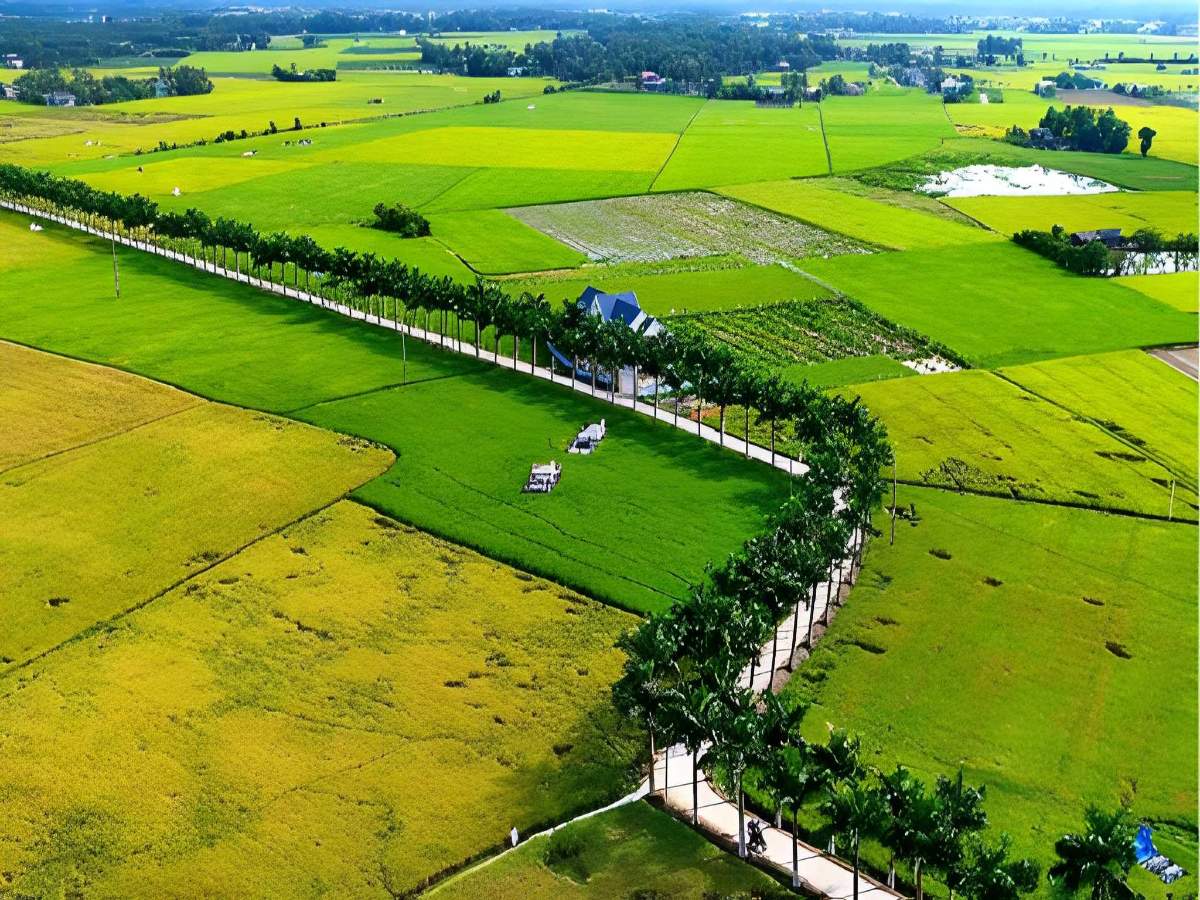
LNK land is land for perennial crops, belonging to the agricultural land group. (Source: Collected)
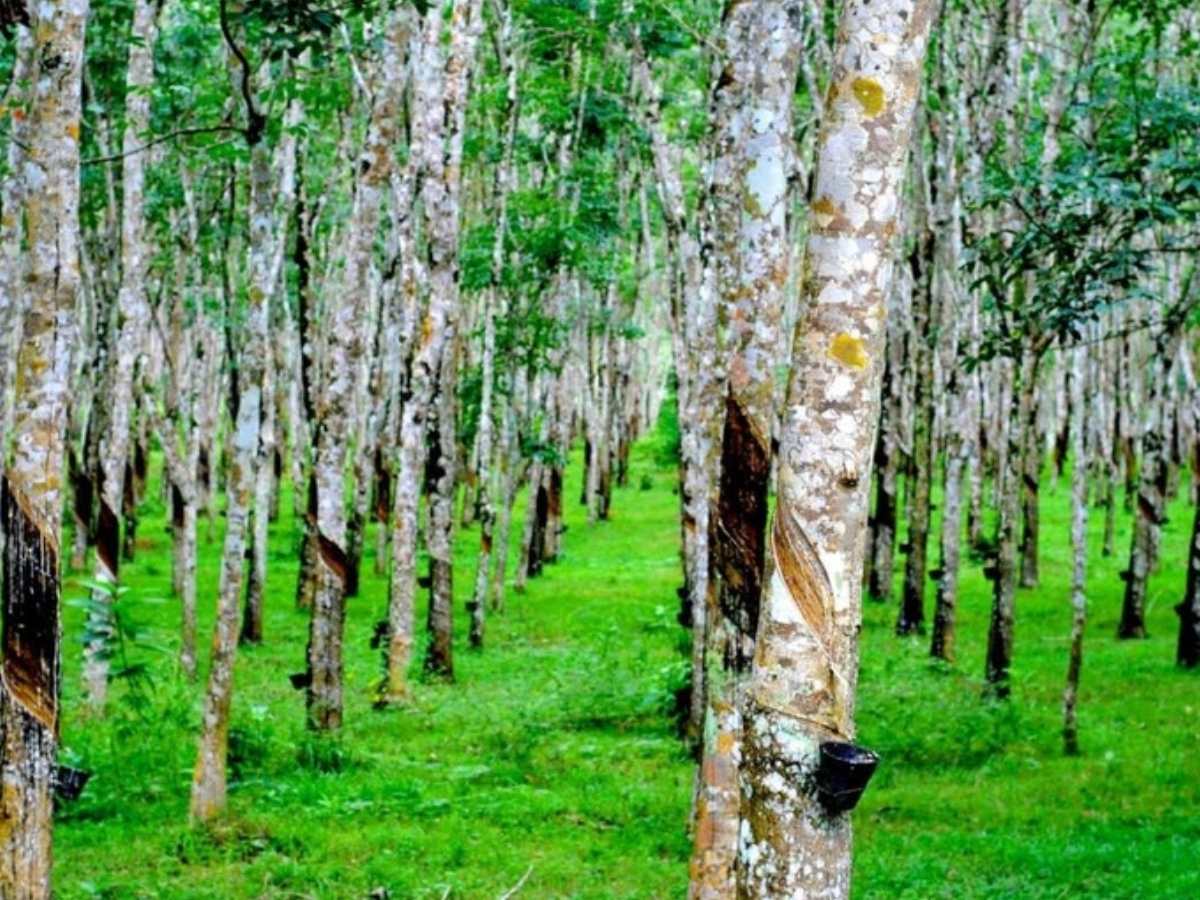
Characteristics of LNK land are that it is used for planting perennial crops. Common types of trees on this land can include timber trees, shade trees, or landscape trees such as acacia, melia, eucalyptus, or water plum. In addition, land users can also intercrop various other perennial plants depending on production conditions.
1.2. Position of LNK land in the soil classification system
In Vietnam's land classification system, determining what LNK land is requires it to be categorized under agricultural land according to land law provisions. This type of land belongs to the perennial crop land group and is used for long-term agricultural production purposes. This classification helps management agencies clearly define the land use purpose of each type of land.
Unlike residential land which belongs to the non-agricultural land group, LNK land is not automatically permitted for long-term residential construction. Land users must adhere to the principle of using land for its designated purpose according to local planning and land use plans. Misusing the land or unauthorized construction may result in legal penalties.
1.3. Perennial Crop Land Use Term
When studying what perennial crop land is , many people are also interested in the land use term of this type of land within the land law system. Perennial crop land in general belongs to the agricultural land group and is usually granted land use rights by the State for a certain period to individuals or households. This term depends on specific legal regulations and the land use purpose.
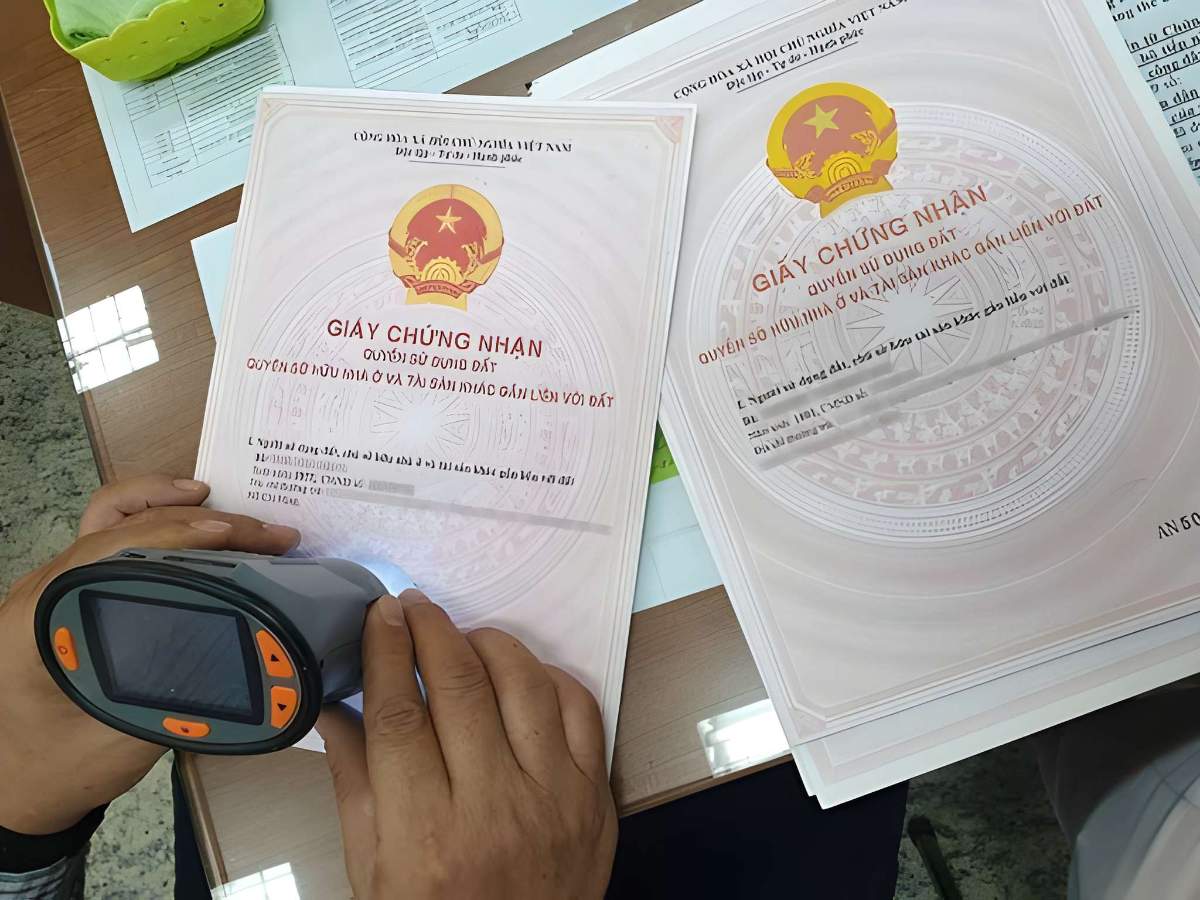
LNK Land has a usage period and can be extended according to regulations. (Source: Collected)
In many cases, agricultural land is allocated to households or individuals for direct production with a usage period of approximately 50 years. When this period expires, if the user still has the need and meets the prescribed conditions, they can continue to be considered for extension. This helps ensure stability for long-term agricultural production activities.
The land use term is clearly stated on the land use right certificate to determine the rights and obligations of the land user. This information also helps management agencies monitor land use and ensure the exploitation of land resources is in line with development planning. Understanding the use term helps people be more proactive in their production and investment plans.
2. Characteristics and purpose of LNK land
2.1. Suitable for long-term agricultural production
In the field of agriculture, understanding what LNK land is helps determine the correct purpose of use for this type of land. LNK land is designed to serve the cultivation of perennial plants with long growth cycles, often lasting many years after planting. This helps land users maintain stable production activities over a long period.
Many common crops on LNK land include timber trees or landscape trees such as acacia, eucalyptus, or mahogany. These types of trees are usually planted once but can grow and be harvested for many years. Planting perennial trees also helps to effectively utilize agricultural land.
2.2. Restrictions on construction
When researching what LNK land is , one of the points to note is the restrictions related to constructing on this type of land. As it belongs to the agricultural land group, LNK land is only used for the purpose of planting perennial trees according to legal regulations. This means that the construction of permanent housing is not permitted if the land use purpose has not been changed.

Land LNK is not allowed to build a house if the land use has not yet been changed. (Source: Collected)
According to land management principles, land users must adhere to the purpose stated on the land use certificate. Unauthorized construction or changing to another purpose without permission from competent authorities may result in penalties. This is to ensure land use is consistent with local planning and development plans.
2.3. Ability to change land use purpose
During the land use process, many people are interested in the possibility of changing purpose, so they often inquire about what is LNK land and whether it can be converted to residential land. According to land law regulations, agricultural land can absolutely be converted to other purposes if it meets planning conditions and is permitted by competent authorities.
The conversion of land use purpose usually requires a permit application to the local state management agency. The possibility of converting LNK land to residential land (ONT/ODT) depends on the annual land use plan of the district level. A crucial note for 2026: As the State has abolished the land price framework and adopted annual land price lists close to market prices, the land use fees when converting from LNK to residential land will be much higher than before. Buyers need to carefully calculate profit margins, as sometimes the conversion tax and fees can account for up to 40-50% of the land plot's value after it becomes residential land.
However, not all LNK land plots can be converted to residential land. The possibility of conversion also depends on the land use planning of each locality and regional development plans. Therefore, checking planning information before investing is an important factor in land transactions.
2.4. Comparison with land in planned urban areas
When learning about what LNK land is , many people also compare this type of land with residential land in planned urban areas. LNK land has agricultural production characteristics and mainly serves perennial crop cultivation, while residential land belongs to the non-agricultural land group and is permitted for the construction of residential buildings. This difference directly affects the way land is exploited and used.
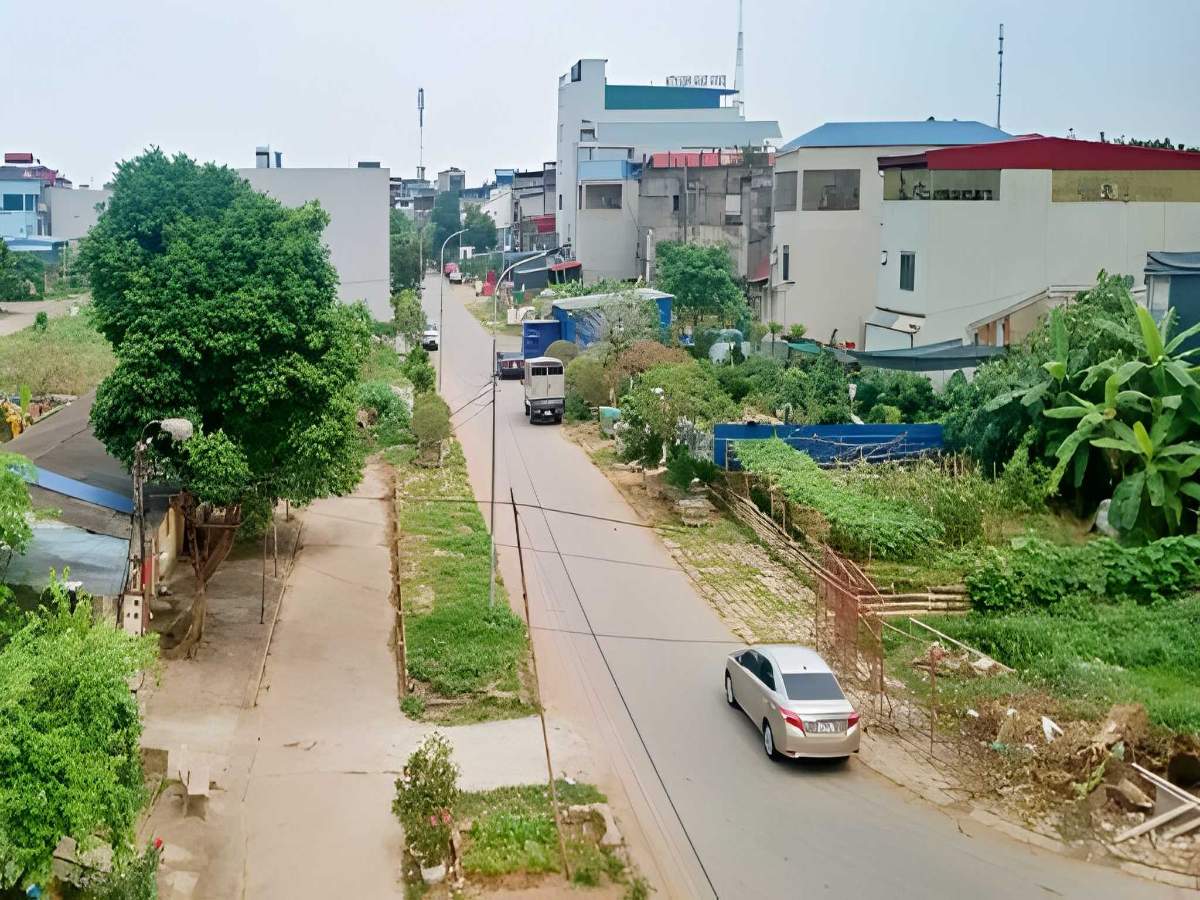
Non-residential land differs from residential land due to usage purpose and regional infrastructure. (Source: Compilation)
In well-planned urban areas, residential land usually has complete infrastructure such as roads, electricity, water, and public utility systems. Clear planning helps residents build houses according to approved designs and form stable residential communities. This creates a living environment different from agricultural land areas.
3. Risks when buying and selling non-residential land
3.1. Confusion between agricultural land and residential land
In the real estate market, not clearly understanding what LNK land is can lead to confusion between agricultural land and residential land. When learning what LNK land is, investors need to know an extremely important change from the 2024 Land Law: From January 1, 2025, individuals not directly engaged in agricultural production (such as office workers, freelancers) will still be allowed to receive transfers of rice land and other types of agricultural land like LNK.
However, if the transferred area exceeds the provincial limit, you must establish an economic organization and have an approved agricultural production plan. This is a great opportunity for those who want to invest in "Farmstay" models or garden villas in the current context.
Confusion often arises when LNK land is located near residential areas or areas with rapid urbanization. Buyers may assume this land can be used for immediate housing construction without going through the land use conversion procedure. However, legal regulations require land to be used for its registered purpose.
3.2. Risk of non-conversion of purpose
When considering what LNK land is, another risk to note is the possibility of not being able to change the land use purpose. Many agricultural land plots are located outside the residential development planning area, so they are not eligible to be converted to residential land. This makes land exploitation limited to agricultural production purposes.
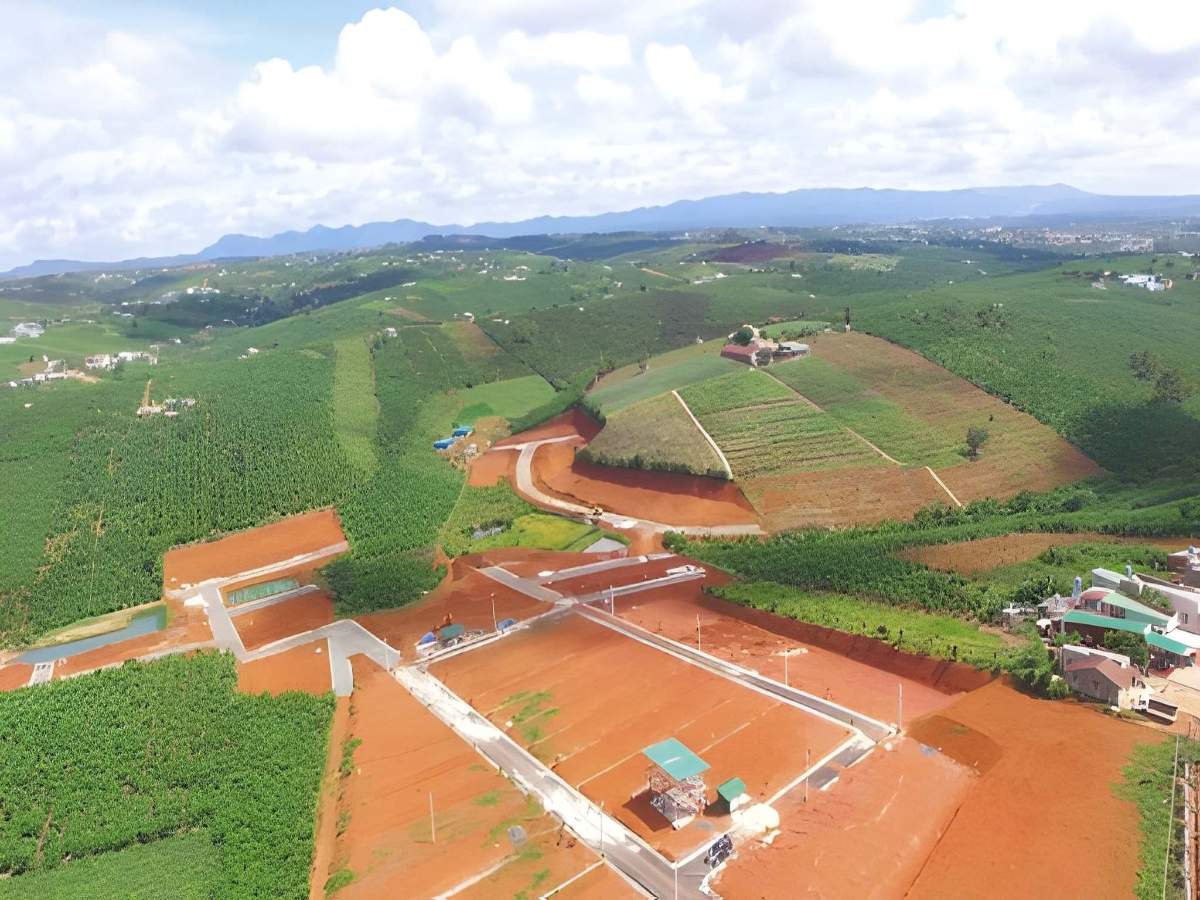
Land LNK may not be converted if it does not comply with planning. (Source: Collected)
Local land use planning plays a decisive role in allowing land use conversion. If that area is oriented towards maintaining agricultural production or protecting agricultural land resources, the conversion may not be approved. This affects the buyer's land use plans.
3.3. Difficulties in obtaining bank loans
In the process of real estate investment, understanding what LNK land is is also related to the ability to borrow from banks. Agricultural land is usually valued lower than residential land due to its limited use and exploitation potential. This makes the collateral value potentially lower than the borrower's expectations.
Although the law has become more lenient, banks currently still value LNK land based on its actual intended use (agriculture). If the plot of land does not have residential land status and is not located in a clearly designated rural residential area, the loan limit typically ranges only from 40-50% of the contract value. However, if you can prove an effective agricultural business plan on LNK land (such as planting valuable timber trees or establishing a high-tech farm), the bank may consider granting a better credit limit based on production cash flow. This affects the investor's financial plan when purchasing land.
Additionally, the possibility of land-use conversion is also a factor considered by banks when valuing assets. If the land has the potential to be converted to residential land within the zoning plan, the asset's value may be assessed differently. This highlights the importance of understanding the land type before investing.
3.4. Liquidity depends on zoning
In the real estate market, understanding what LNK land is also helps identify the liquidity of this land type. The value of LNK land often depends on the local infrastructure development plan and land-use zoning. Areas with urban development orientation often attract investor interest.
LNK land liquidity depends heavily on planning and infrastructure development. (Source: Collected)
Conversely, if the land is located in an area planned for long-term agricultural production, the potential for price increase and liquidity may be lower. This makes the buying and selling of LNK land heavily dependent on the local development strategy. Investors often need to monitor planning information to assess the potential of the area.
Fluctuations in planning and infrastructure can affect land value in the long term. As transportation infrastructure or residential areas develop, land value can change according to market trends. This makes LNK land a type of asset highly dependent on local development planning.
4. Important considerations before investing in LNK land
Before transacting, understanding what LNK land is and checking planning information with relevant authorities is an important step to determine the land parcel's intended use and conversion potential. Planning information helps buyers assess whether the land is part of a residential development plan or will continue to be used for agricultural purposes. This directly affects the land's exploitation value.

Checking zoning helps assess the potential and risks when buying LNK land. (Source: Collected)
Buyers also need to consider long-term investment goals when choosing this type of land. Because LNK land primarily serves agricultural production, building houses can only be done after completing the land use change procedures according to legal regulations. Understanding the regulations clearly helps avoid inappropriate expectations regarding land use capabilities.
LNK land is a type of agricultural land used for growing perennial crops and is not residential land. Understanding the symbol what is LNK land helps you avoid unnecessary confusion when buying, selling, or investing. At the same time, correctly understanding LNK land also helps you make appropriate decisions for your long-term financial goals.