


What is resort real estate? Things to know
Resort real estate is becoming a segment of great interest to many investors thanks to its tourism exploitation potential and asset value appreciation. However, to invest effectively, investors need to clearly understand market characteristics, legal aspects, and actual operational capabilities.

▲Table of Contents
1. Overview of Resort Real Estate
1.1. What is Resort Real Estate?
Resort Real Estate (Resort Real Estate) is a type of real estate developed to serve the needs of tourists for travel, accommodation, and rest. This is currently an investment trend that many people are interested in thanks to its ability to combine resort value with long-term business exploitation potential.
Products in this segment are quite diverse such as beach villas, condotels, tourist shophouses, resort villas, or townhouses in famous tourist areas. Most projects are often developed in destinations with advantages in landscape, climate, or tourism infrastructure to attract guests and increase exploitation value over time.

Resort real estate is developed to serve the tourism, accommodation, and rest needs of tourists. (Source: Collected)
1.2. Characteristics of resort real estate
Unlike many traditional types of real estate, resort real estate often possesses unique characteristics to serve the needs of accommodation, relaxation, and tourism exploitation. This is also a factor that helps this segment increasingly attract both owner-occupiers and investors.
Some outstanding characteristics of this type include:
Prime Location: Projects are often located in areas with scenic advantages such as the coast, mountains, islands, or mineral spring areas to attract tourists and increase resort value.
High-class Amenities: Projects often integrate many amenities such as swimming pools, spas, restaurants, play areas, squares, or entertainment services to provide a complete resort experience for tourists.
Dual Purpose: Not just an owned asset, resort real estate can also be exploited for rent to generate cash flow. Many current projects also come with professional operating and management units to support more effective exploitation.
1.3. Comparison of Resort Real Estate and Regular Real Estate
Although both belong to the real estate sector, resort real estate and conventional real estate have many differences in location, purpose of use, exploitation potential, as well as profit potential. Understanding the differences between these two types will help investors choose products that suit their needs and financial strategies.
| Factor | Resort Real Estate |
General Real Estate
Location
Coastal, tourist area, scenic spot
Urban, residential area, near amenities
Purpose
Resort, short-term rental exploitation
Long-term living, asset accumulation
Management
Usually requires a professional operating unit
Can self-manage simply
Seasonality
Revenue can fluctuate with the tourist season
More stable demand
Profit potential
High profit potential but greater risk
Stable growth, less fluctuation
2. Popular types of resort real estate
2.1. Beach villas
Seaside villas are one type of luxury resort real estate that attracts many investors thanks to their prime coastal location and good tourism exploitation potential. Projects are often located in famous destinations, possessing beautiful landscapes, favorable climates, and a stable flow of tourists year-round. Not only serving vacation needs, this type also has the potential to increase in value due to increasingly scarce coastal land.
2.2. Hill and Mountain Villas
Hill and Mountain Villas are often developed in areas with high terrain, cool climates, and outstanding natural landscapes. This type is suitable for the trend of nature-immersive resorts, while offering a greater sense of privacy and tranquility compared to crowded urban areas. This is also a segment that many customers with long-term resort needs or looking for a “second home” have been interested in in recent years.
In South Phu Quoc, Sun Grand City Hillside Residence is a prominent project developed on a rare hillside terrain facing the sea. The project is inspired by the Italian town of Taormina with winding streets along the hillside, creating a living space with a strong Mediterranean character. Thanks to its elevated position, many apartments and villas here boast panorama sea views, the Kiss Bridge, and the entire vibrant Sunset Town on the coast of Jade Island.
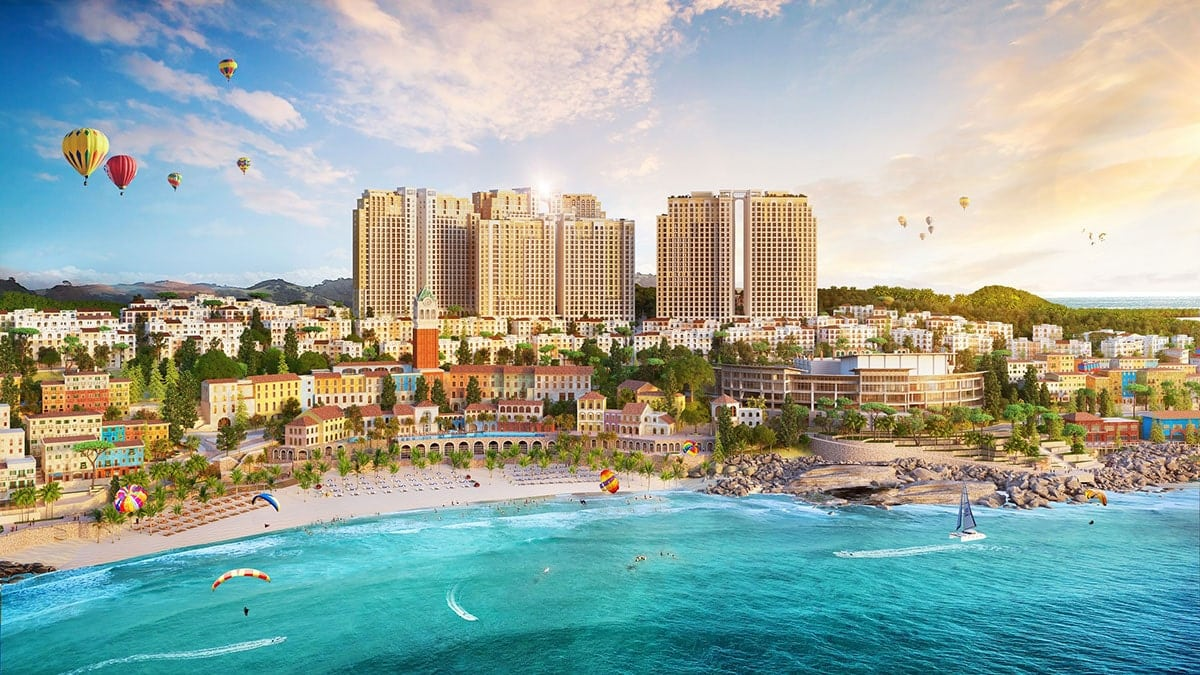
Perspective image of the Sun Grand City Hillside Residence project. (Source: Collected)
2.3. River and Lake Island Villas
River and lake island villas are a type of resort property that offers an isolated living experience, close to nature, and possesses special feng shui elements. Projects are often planned in riverside or ecological island areas to create a more airy, quiet, and balanced living environment for residents. This product line is also highly valued for its scarcity in terms of location and landscape.
One of the typical projects currently is Sunneva Island in Da Nang. The project is located on Dong No Island and is surrounded by three rivers: Han River, Do Toa River, and Co Co River. Not only does it possess characteristic riverine scenery, but Sunneva Island is also invested with many high-class amenities such as a yacht marina, clubhouse, water golf course, infinity pool, and riverside walking paths, contributing to bringing a high-class ecological resort experience right in the heart of the city.
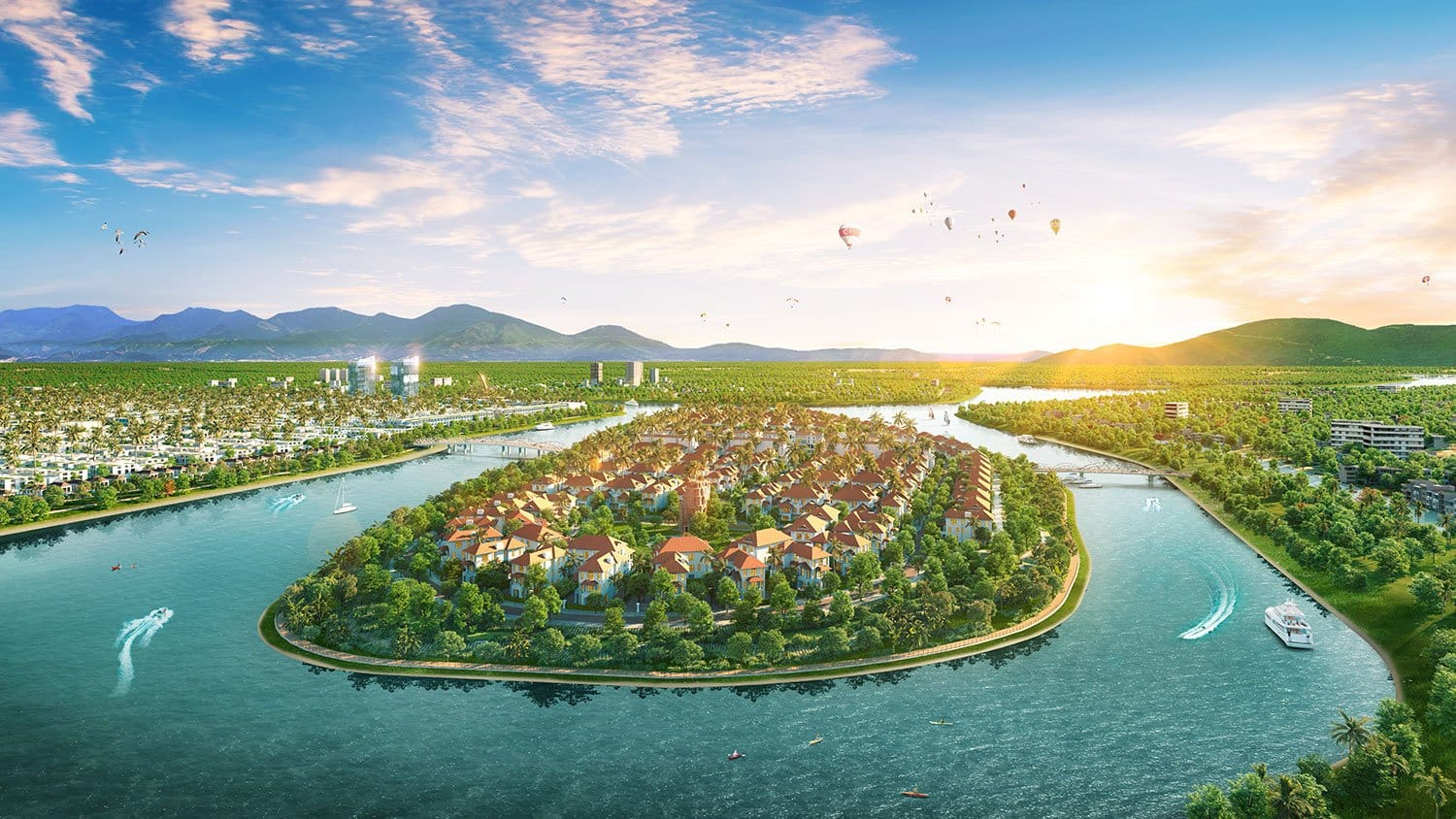
Rendering of the Sunneva Island project. (Source: Compilation)
2.4. Condotel
Condotel is a model combining apartments and hotels, serving both vacation needs and rental accommodation exploitation. This is a type of resort real estate chosen by many investors due to its more flexible investment capital compared to resort villas, yet still capable of generating cash flow from tourism activities.
2.5. Mini Hotel
Mini Hotel is a small-scale hotel model suitable for accommodation needs in crowded tourist areas. This type is often developed on commercial streets, entertainment areas, or areas near the sea to serve short-term tourists. Compared to large-scale hotels, Mini Hotels have the advantage of operational flexibility and are suitable for many different customer segments.
2.6. Shophouse
Resort shophouses are a type of commercial townhouse located in large tourist areas or resort complexes. This product combines business and accommodation functions, suitable for operating restaurants, cafes, souvenir shops, or services for tourists. Due to their location in areas with a large number of visitors, shophouses often have a good ability to generate direct cash flow from commercial activities.
Some notable shophouse projects by Sun Property include Sun Urban City in Ha Nam, Sun Centro Town belonging to Sun Elite City Ha Long, or Sun Symphony Residence by the Han River in Da Nang. These projects all possess prime tourist locations, situated near the beach square, entertainment areas, or bustling streets, helping to enhance business advantages and long-term service exploitation potential.

Perspective image of Sun Urban City project. (Source: Collected)
2.7. Shoptel
Shoptel is a model combining shophouse and mini hotel, which can be used for commercial business and tourism accommodation. This is a type that many investors are interested in thanks to its optimized functionality and operational flexibility.
Currently, many Sun Property projects are developing this product line such as The Santo Port belonging to Hon Thom Paradise Island in Phu Quoc, Sun Cosmo Residence in Da Nang, or commercial accommodation products in Sunset Town. The projects are all located within a large tourism ecosystem, near yacht harbors, entertainment areas, beach squares, or vibrant tourist streets, creating significant advantages for business operations and accommodation exploitation.
3. Potential and risks when investing in resort real estate
In recent years, resort real estate continues to be a segment that receives much attention thanks to the development of the tourism industry and the increasing demand for vacationing. However, alongside attractive profit opportunities, this type also presents numerous risks that investors need to consider before investing.
3.1. Potential
One of the great advantages of resort real estate is its ability to benefit from the development speed of tourism and transportation infrastructure. As the number of tourists increases, the demand for accommodation, entertainment, and experiences also grows, leading to potential for rental exploitation and property value appreciation over time.
Besides investment factors, many resort products nowadays also meet the demand for owning a 'second home' for rest and relaxation. Projects that are well-planned, integrated with synchronized amenities, and located in prominent tourist destinations tend to attract more customers as well as maintain long-term value in the market
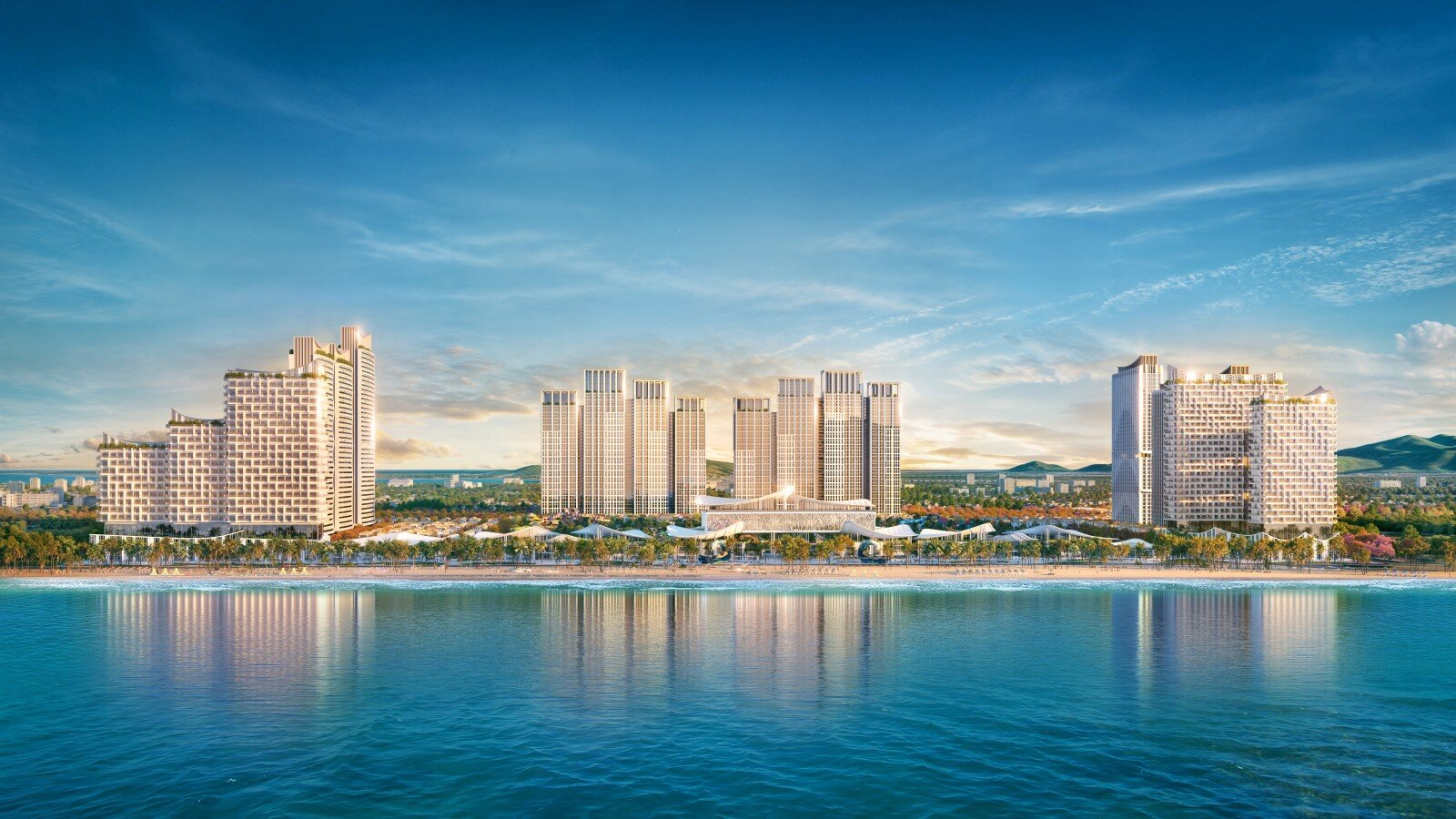
Resort real estate possesses potential for rental exploitation and appreciation over time. (Source: Collected)
3.2. Risks
Besides growth potential, resort real estate is also significantly affected by the tourism situation, the economy, and the project's actual operational performance. If tourist numbers decline or the market experiences fluctuations, the rental exploitation potential and cash flow from this type of property can be significantly affected.
Additionally, investors should also pay attention to legal factors, construction progress, and the operational capacity of the developer. Some projects may face risks regarding liquidity or operational efficiency if not operated properly. Therefore, thorough market research and selecting products that suit financial capacity are very important before investing.
Evidently, resort real estate is not only an investment trend linked to the development of tourism but also opens up many business exploitation opportunities and long-term asset value appreciation. However, to invest effectively, investors need to carefully consider factors such as location, legal status, tourism potential, and project operational capacity. Choosing the right product that suits needs and financial strategies will help optimize profit opportunities as well as limit future risks.