


What is the detailed explanation of the early repayment penalty fee at the bank?
What is the bank's early repayment penalty fee? is a question many people are interested in when they want to settle their loan early. Although it helps reduce loan interest, early repayment can still incur costs that you need to understand clearly before making a decision.

▲Table of Contents
1. What is a bank's early repayment penalty fee?
1.1. Concept of early repayment fee
An early repayment fee is the amount of money a borrower must pay when they want to fully or partially settle a loan before the agreed-upon time in the credit contract. This fee is clearly stipulated by the bank or financial institution from the outset and is specifically stated in the loan agreement. Depending on the loan product, repayment time, and the policies of each institution, the calculation method and fee amount may vary.
In fact, many banks have flexible policies to attract customers, so this fee is often applied strongly in the early years of the loan, then gradually decreases over time. Some preferential programs even allow for fee exemption if the borrower commits not to repay the loan early within a certain period. Therefore, understanding what is the bank's early repayment penalty fee will help borrowers be more proactive in financial planning and avoid unexpected costs.

Borrowers who wish to settle their bank loans will have to pay a certain penalty fee. (Source: Collected)
1.2. Why does the bank collect this fee?
Simply put, an early repayment fee is compensation for the bank when the interest collection plan is altered. When lending, the bank has carefully calculated regarding capital sources, interest rates, and loan terms to ensure stable profits throughout the term. The interest that customers pay monthly is the bank's main source of revenue, therefore, if the loan is settled early, the expected cash flow is also disrupted.
For example, if a customer borrows for 10 years but repays the debt after only 4 years, the bank will no longer earn interest for the remaining 6 years. This affects the initial financial plan and incurs costs for capital flow adjustments. Therefore, charging a fee is a way for the bank to balance the shortfall in profit.
Additionally, this fee also helps the bank cover operating costs related to the loan, from managing records to processing early repayment. In some cases, if the loan is enjoying preferential interest rates, the bank may also adjust or reclaim this preferential part when the customer repays early. Therefore, understanding what is the bank's early repayment penalty fee will help borrowers consider carefully before deciding to settle the loan.
2. How much is the early repayment penalty?
The early repayment fee is not fixed but depends on the regulations of each bank and the terms agreed upon in the loan contract. Typically, this fee ranges from about 1% to 5% on the amount the customer repays early. The rate may be higher in the early years and gradually decrease later, to ensure the bank's benefits when the loan is paid off early.
The fee calculation method is quite simple and is usually applied using the formula:
Early repayment fee = Fee rate x Amount repaid early
Where, the fee rate is the percentage clearly stated in the contract, and the amount repaid early is the outstanding debt that the borrower wishes to pay off early.
For example, if a customer has an outstanding balance of 50 million VND and wants to pay off 30 million upfront, with a 2% fee, then the fee to be paid will be 600,000 VND. Thus, the total amount to be paid will include 30 million in principal and 600,000 VND in fees. Understanding this calculation method helps borrowers proactively consider before deciding to settle the loan.
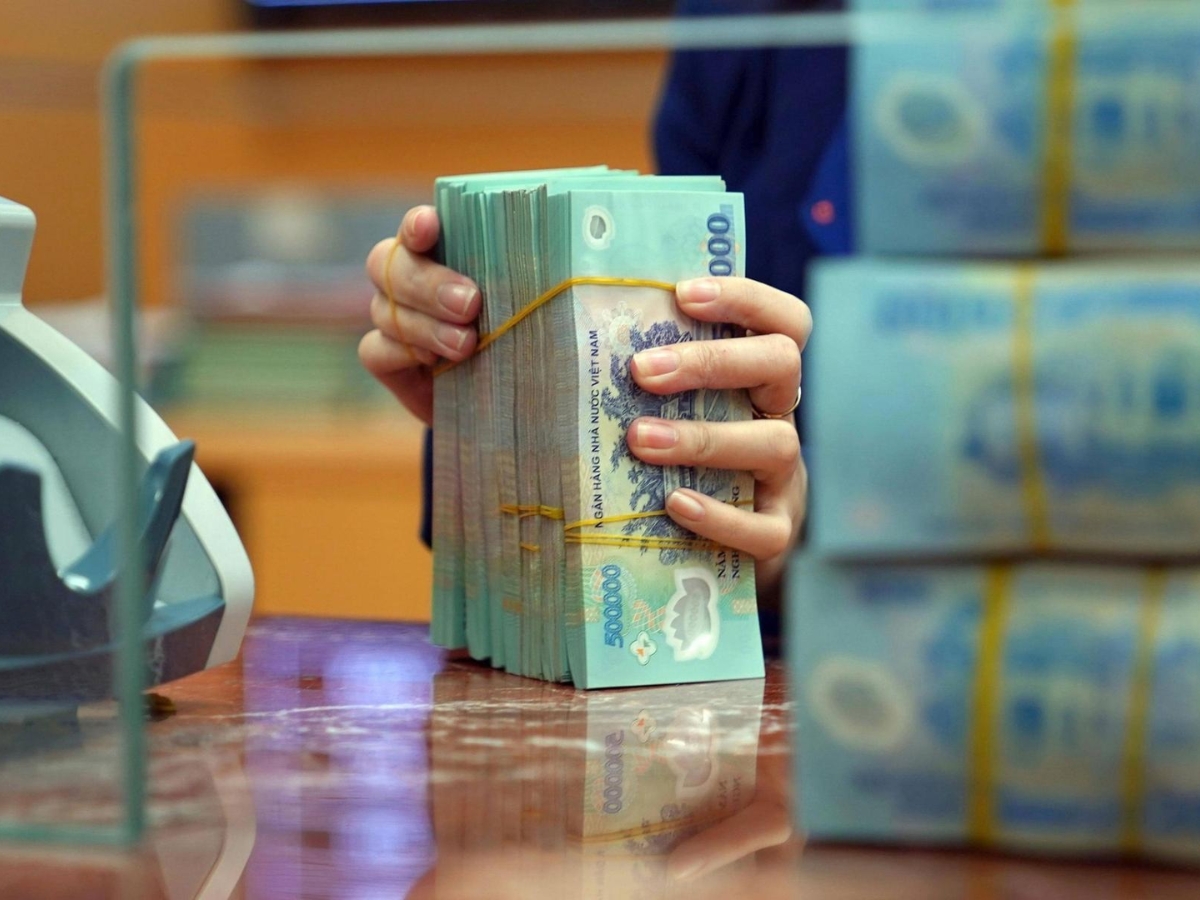
Each bank will have different regulations on the rate of early repayment penalties. (Source: Collected)
3. Should you repay the loan early?
3.1. When savings interest is greater than the penalty fee
Repaying the loan early will be reasonable when the amount of interest saved is greater than the fee to be paid. In many cases, especially with long-term loans, the interest portion accounts for a significant proportion of the total loan cost. If paid off early, the borrower can significantly reduce the amount of interest to be paid in the remaining years.
However, before deciding, it is necessary to carefully calculate the benefits and costs. If the fee is not too high compared to the interest saved, early settlement will help optimize finances. This is a method many people choose to reduce debt pressure and be more proactive about cash flow.
3.2. When interest rates are high or increasing
In a context where interest rates tend to increase, early debt repayment can help reduce long-term financial risks. When floating interest rates are adjusted upwards, the monthly payment amount will also increase, putting great pressure on personal income.
Early settlement at this time helps borrowers avoid the risk of unexpected increases in loan costs. At the same time, this is also a way to protect financial stability, especially for those with large loans or long loan terms.

When interest rates rise, paying off debt early can help reduce financial risk in the long term. (Source: Collected)
3.3. When there is a stable source of idle money
If there is a sufficiently large amount of spare cash that does not affect spending plans, paying off debt early is a worthwhile option to consider. This helps reduce financial obligations while also bringing peace of mind when there is no longer the pressure of prolonged debt.
However, borrowers should still keep a portion of a reserve fund to prevent risks such as income fluctuations or unexpected expenses. Balancing debt repayment and maintaining a reserve fund will help ensure long-term financial security.
4. How to reduce or avoid early repayment penalties
4.1. Choose a loan with flexible terms
From the moment of signing the contract, borrowers should prioritize loan packages with flexible terms for early repayment. Some banks apply policies of exemption or reduction of fees after a certain period, or only charge fees in the early years of the loan. If they research carefully from the beginning, borrowers can choose a suitable option to limit future incurred costs.
Additionally, carefully read the terms related to the fee application period and the fee calculation method in the contract. Clearly understanding what the bank's early repayment penalty fee is from the outset will help borrowers be more proactive in their financial plan, avoiding surprises when wanting to settle early.

Choose loan packages with flexible terms for early repayment. (Source: Collected)
4.2. Waiting for the fee period to expire
A simple way to reduce costs is to wait for the period when the bank applies early repayment fees. Typically, this fee is strongly applied only in the first 2 to 3 years and will gradually decrease or be waived thereafter. If not too urgent, borrowers can consider the timing of settlement to optimize costs.
Choosing the right time not only helps save on fees but also ensures overall financial benefits. Therefore, before deciding to repay, check the contract again to know the exact fee application timeline and plan accordingly.
4.3. Negotiating with the bank
In some cases, borrowers can directly negotiate with the bank to request a reduction or waiver of early repayment fees. This often applies to customers with a good credit history, who pay debts on time, or who use multiple banking products and services.
Negotiation may not always be successful, but it is still a worthwhile option to reduce costs. When you clearly understand what bank early repayment penalties are and the related terms, borrowers will have an advantage in the negotiation process and be able to make reasonable proposals.
5. Suggestions for choosing real estate to optimize financial plans
5.1. Prioritize projects with flexible payment policies
Once you understand what bank early repayment penalties are , buyers will realize that choosing a project from the outset can significantly limit future incurred costs. Projects with long payment schedules, interest rate support, or principal grace periods will help buyers avoid the pressure of early settlement, thereby avoiding unnecessary penalty fees.
5.2. Choose suitable products to reduce loan pressure
A smart way to limit financial risk is to choose real estate that fits your affordability instead of trying to own products beyond your capacity. When the loan is kept at a safe level, buyers will not fall into a situation of having to repay the loan early to reduce pressure, thereby avoiding incurred fees.
In diverse segments, Sun Group offers many options suitable for each need. For example, Sun Feliza Suites Hanoi meets the need for actual living in a large city, while Sun Elite City Ha Long is suitable for those who want to own a home and also aim for resort value. Choosing the right segment helps balance finances more effectively.

Sun Feliza Suites Hanoi suits the needs of residents living in the capital. (Source: Compilation)
5.3. Leverage added value to optimize cash flow
Besides the cost factor, buyers should prioritize projects with the potential to generate cash flow or increase in value over time. When real estate can be exploited for business or appreciate in value, financial pressure will be significantly reduced, while helping buyers be more proactive instead of relying entirely on their primary income.
Modern urban projects like Sun Urban City in Ha Nam or Sun Feliza Suites in Ha Noi are suitable examples. With the advantage of synchronized planning, convenient connectivity, and complete amenities, these projects not only meet the need for stable housing but also possess long-term appreciation potential. This is considered a solution to help buyers both accumulate sustainable assets and optimize financial efficiency in the future.
What is the bank's early repayment penalty fee is not just an incurred cost but also an important factor to consider in the entire loan plan. Understanding its nature, calculation method, and application timing will help borrowers be more proactive in deciding whether to settle early or not. With thorough preparation and reasonable calculation, borrowers can fully optimize costs, reduce financial pressure, and use the loan more effectively in the long term.