


Window Feng Shui and Things to Avoid to Attract Wealth
Window feng shui and things to avoid are always important factors when designing a home. A reasonable door system not only helps air circulation but also directly affects fortune and the homeowner's health. The article below will help you understand the principles and avoid common mistakes.

▲Table of Contents
1. Overview of Feng Shui for windows in homes
1.1. Role of Feng Shui for windows in real estate
Windows in residential buildings are seen as the interface between the interior space and the exterior environment, receiving natural light and airflow. In modern design, windows not only serve the need for lighting but also directly affect the flow of energy within the home. In large urban areas, proper window placement is a top criterion for evaluating building quality according to the Green Housing Standard 2026. The latest market surveys show that feng shui factors, especially air circulation (aerodynamics) and light, account for up to 90% of customer interest when deciding to invest in real estate.
1.2. Principle of Balancing Yin and Yang, Light, and Air
In Feng Shui, the balance between light and air is seen as an expression of the harmonious yin and yang state within a living space. If a house has too many windows, the excessive light and wind entering can create instability, making the space hot and difficult to control. Conversely, a lack of windows will cause stagnant air, affecting the quality of daily life.
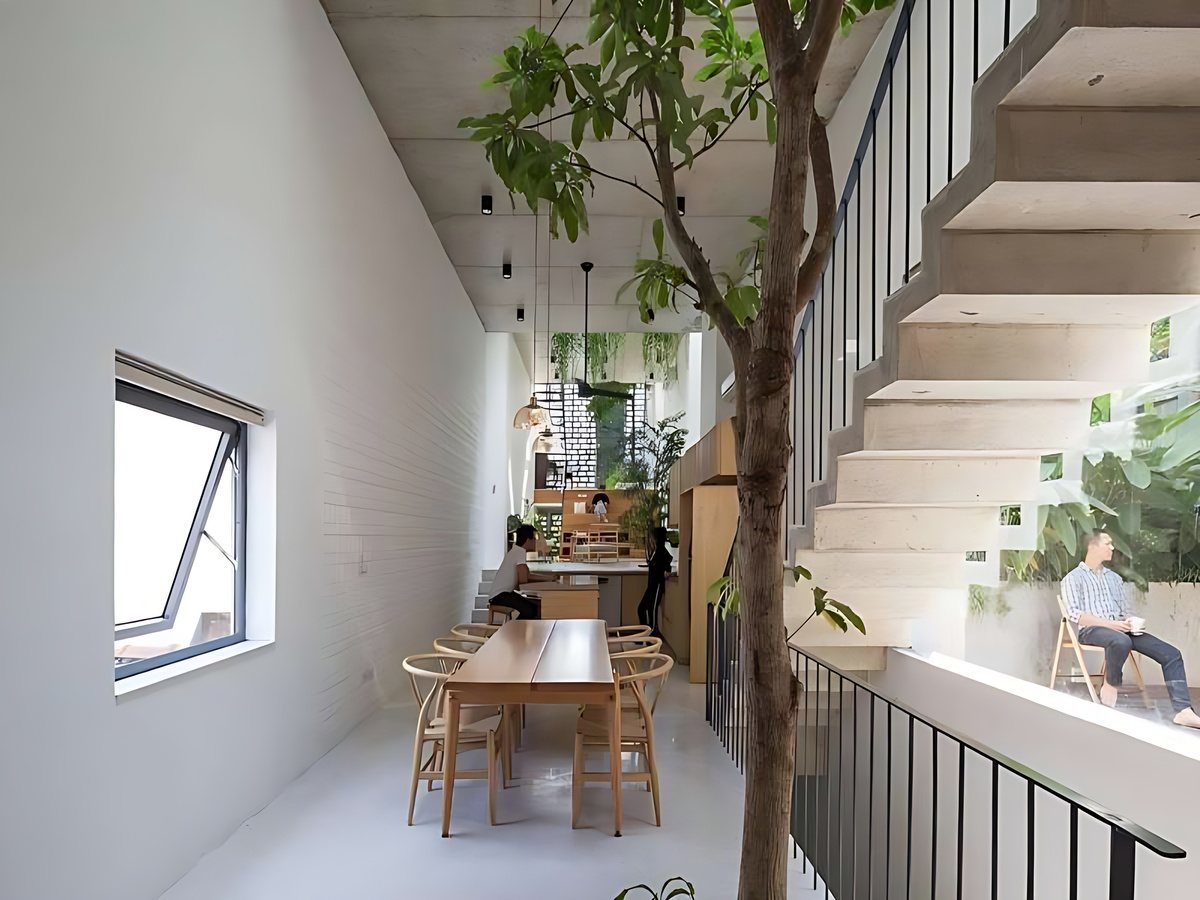
Window placement facing Southeast helps capture wind, balance light, and energy. (Source: Collected)
Residential buildings often apply the principle of window placement facing East or Southeast to ensure they receive cool breezes and gentle light. This is suitable for tropical climate conditions and helps balance energy within the home. When correctly implementing window feng shui and what to avoid, living spaces will maintain good ventilation and stability in temperature as well as humidity.
1.3. Influence of window feng shui on housing value
Window Feng Shui directly affects the liquidity and valuation of real estate. Houses with good ventilation window systems that welcome vital energy without violating major taboos often have significantly higher transaction values. According to actual records from trading floors in the year 2026, real estate with standard Feng Shui window systems and energy-saving glass (Low-E) is valued 15% to 20% higher than conventional products, and liquidity time is also significantly faster.
2. Window Feng Shui and Common Things to Avoid
2.1. Windows Facing the Main Door Cause Loss of Wealth
In townhouse design, windows facing the main door are quite common due to limited space. However, according to Feng Shui, this arrangement causes the air flow to go straight from the main door to the window without being retained in the living space. This is considered a cause of energy loss and affects the homeowner's fortune.
Experts believe that when the air circulates too quickly, the space will lack the necessary accumulation of vital energy for long-term living. This also affects the sense of stability in a home, especially for small apartments. Understanding window feng shui and what to avoid helps limit design flaws that affect usability and the occupants' psychology.
2.2. Windows opening to bad directions with malevolent energy
Some houses have windows facing directly towards elements such as utility poles, cemeteries, or the sharp corners of neighboring structures. According to Feng Shui principles, these are sources of 'sha qi' (negative energy), which can affect the psychology and quality of life of the occupants. Spaces looking out onto these areas often create a feeling of unease and discomfort.
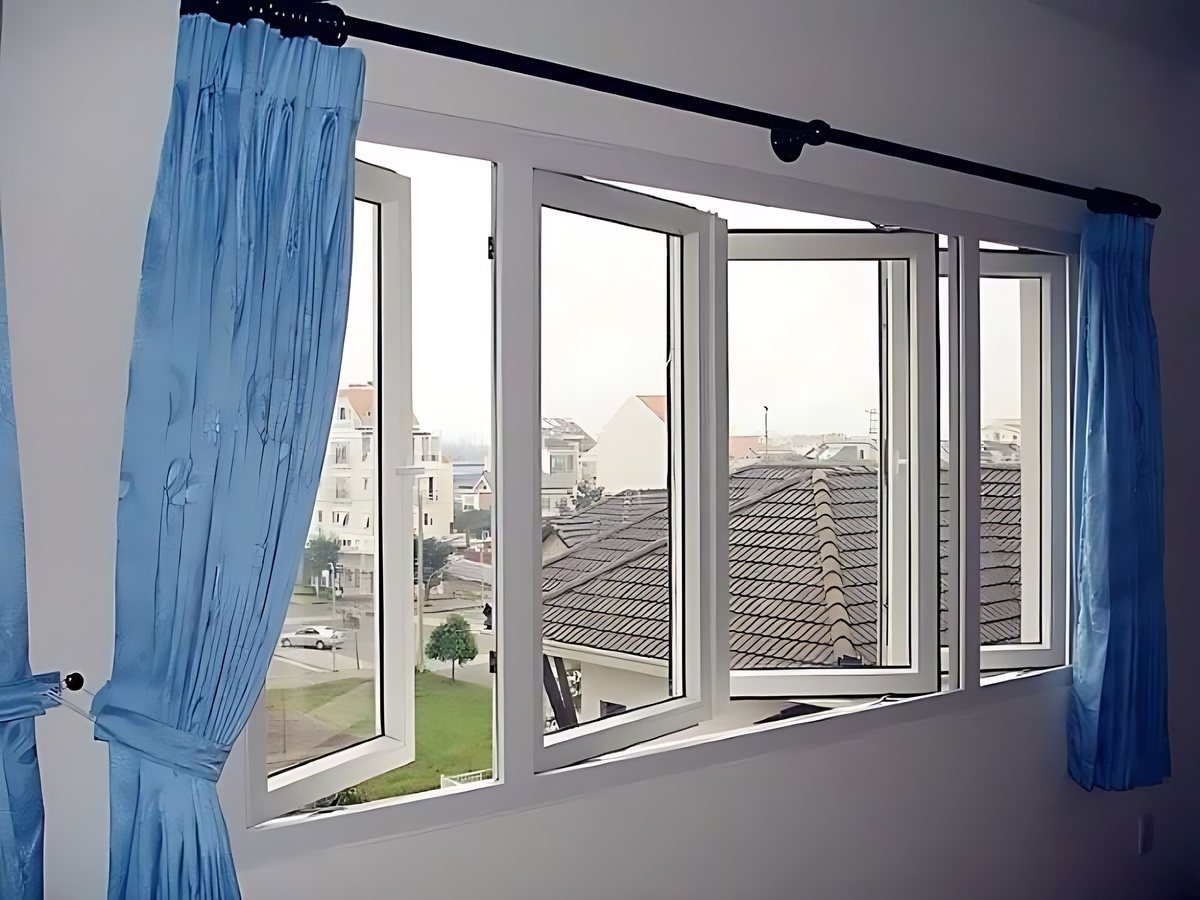
Avoid placing windows directly facing utility poles or cemeteries to reduce negative energy. (Source: Collected)
Besides feng shui factors, unsuitable window directions also reduce aesthetic value and real estate potential. Houses with beautiful, airy views are usually preferred in the market. Therefore, choosing window directions not only relates to feng shui but also affects the long-term liquidity of the asset.
2.3. Windows that are too large or too small, causing imbalance
Window size needs to be suitable for the room's area to ensure a balance between light and space. If the windows are too large, the amount of light and heat entering the house will increase, especially in areas with strong sunny climates. This makes the space prone to overheating and consume air conditioning energy.
Conversely, windows that are too small will cause poor air circulation, creating a stuffy and lifeless feeling. According to design experience, the window area should account for about 15 to 25% of the room's floor area to ensure ventilation. Balancing the size is an important part of window feng shui and what to avoid to maintain harmony in the living space.
2.4. Incorrect Bedroom Window Placement
Bedrooms are spaces that require tranquility and stable energy, therefore, the window placement needs careful consideration. A common mistake is placing the headboard close to the window, causing the sleeper to be directly affected by wind and light. This can disrupt sleep and cause a feeling of insecurity.
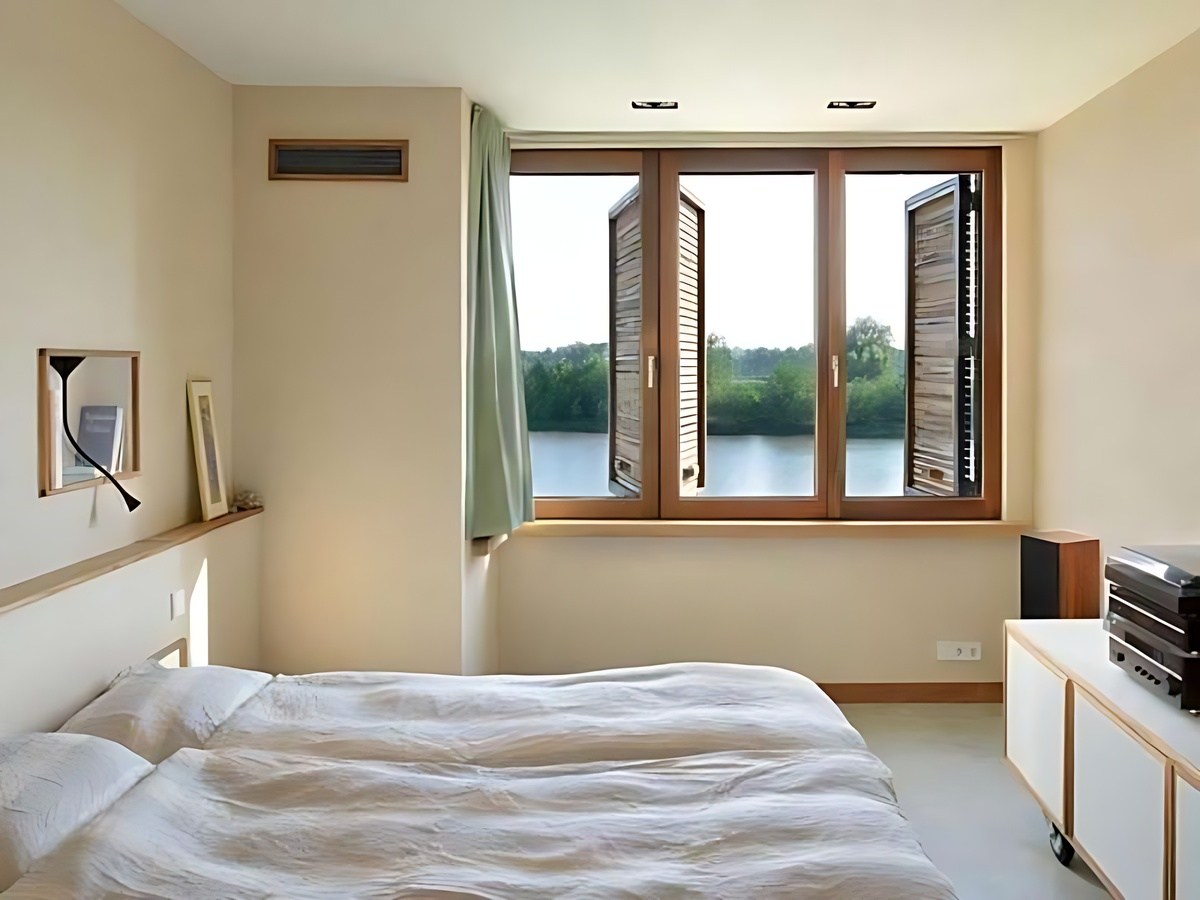
Proper arrangement of bedroom windows helps protect sleep and health. (Source: Collected)
Furthermore, windows directly facing the bed also create an imbalance of light, especially in the early morning. In apartments, rearranging curtains or changing the bed's orientation is often applied to improve this situation. This is a solution to adjust energy without altering the building's structure.
3. Standard Feng Shui Window Placement to Increase Vitality
3.1. Choosing Window Directions Suitable for the Owner's Element
The choice of window direction should be based on Feng Shui principles and the climatic conditions of each region. Directions such as East and Southeast are often preferred because they receive cool breezes and gentle light, suitable for the living environment in the Southern region. This helps reduce indoor temperature and maintain natural ventilation.
In addition to climatic factors, window direction also needs to be compatible with the homeowner's destiny to create energy balance. In residential projects, designing windows in a direction that suits the homeowner's destiny is considered an element that increases usability value. This contributes to creating a stable living environment that meets long-term needs.
3.2. Window size in proportion to space
Window size should be calculated based on room area to ensure overall harmony. For rooms with an area from 20 to 25m², the window should occupy about 4 to 6m² to ensure sufficient light and ventilation.
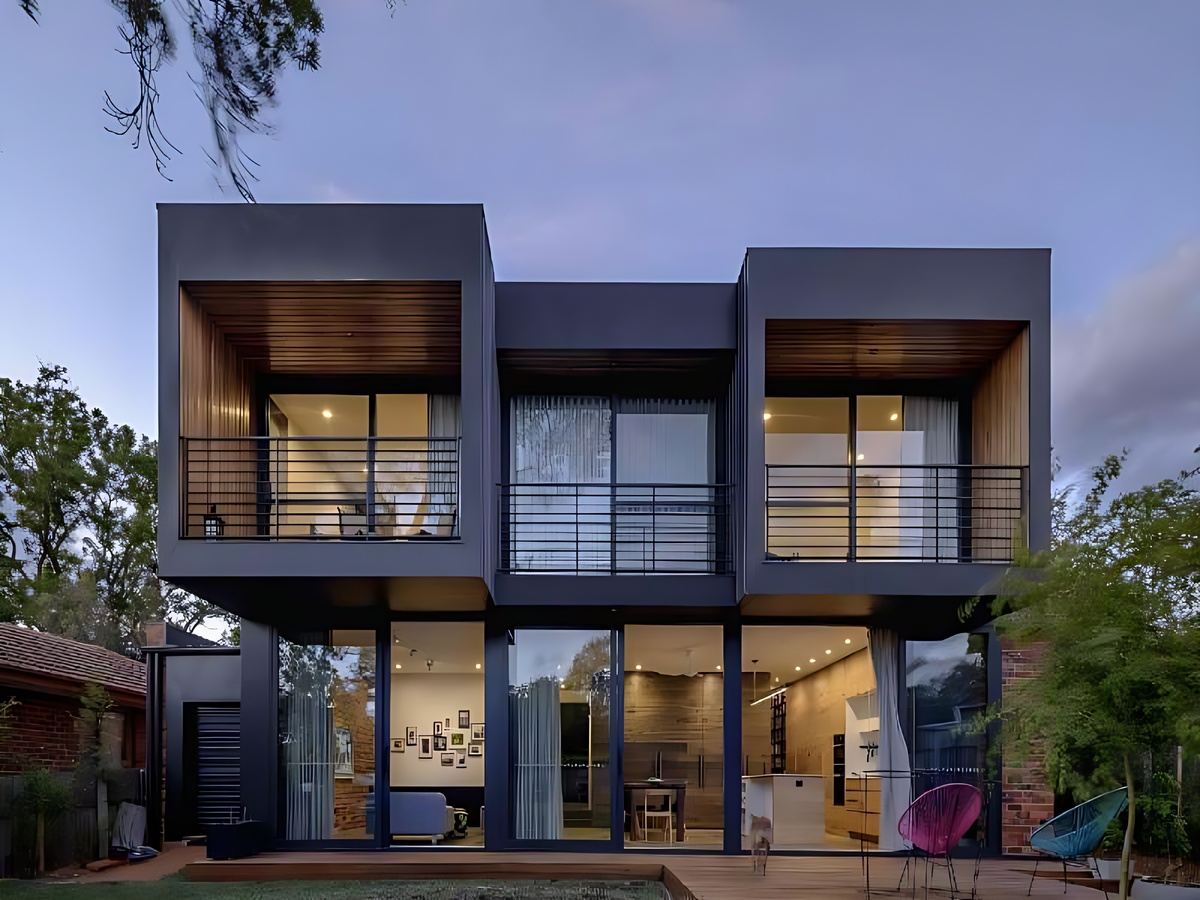
The harmonious ratio of window size to area helps balance energy. (Source: Collected)
Maintaining the appropriate ratio helps avoid energy imbalance in living spaces. If applied correctly, feng shui for windows and things to avoid , windows will effectively regulate light and air. This also contributes to improving living quality and the value of the construction.
3.3. Window arrangement by functional area
Each indoor space has different requirements for lighting and ventilation. The living room needs large windows to create a sense of openness and increase connection with the outside. Meanwhile, the bedroom needs moderately sized windows to ensure privacy and energy stability.
The kitchen area should have small windows to vent odors and reduce heat buildup. In apartments, allocating windows according to function helps optimize the usable space. This is an approach that combines modern design with Feng Shui principles in housing.
3.4. Using curtains as supporting Feng Shui items
Curtains are a popular solution to adjust light and control airflow indoors. For west-facing windows, thick curtains are often used to limit heat and harsh light. This helps maintain a stable temperature and create a comfortable feeling for the living space.
Additionally, incorporating greenery or feng shui items like natural stones can help regulate energy. These elements are often applied in apartments to improve the living environment. When combined correctly, they support energy balance without needing to alter the architectural structure.
4. Practical experience in window feng shui design
4.1. Common Mistakes When Building a House
In current construction practice, a common mistake is that many homeowners prioritize a luxurious exterior or overuse large glass walls, neglecting the rules of Qi accumulation in Feng Shui. The placement of windows based solely on architectural facade without considering issues like "Xuyen Tam Sat" (window facing the main door) will cause the house to lose energy, affecting financial fortune. According to the latest construction guidelines in 2026, integrating aesthetics with Feng Shui principles from the design phase is a mandatory requirement to ensure a balance between modern comfort and peaceful energy for the homeowner.
4.2. Suggestions for improving Feng Shui of existing house windows
For completed houses, improving window Feng Shui can be done through simple solutions. Using curtains, changing the opening direction, or adding green plants are common options. These solutions do not change the structure but still help adjust energy effectively.
In many cases, changing the interior layout also helps improve the airflow in the house. For example, moving a bed or desk away from a direct window view can enhance the quality of living. This is a flexible approach, suitable for the actual conditions of many families.
4.3. Modern Feng Shui Compliant Window Design Trends
Design trends in 2026 are strongly focusing on "Smart Window" solutions integrated with sensors and electrochromic glass to regulate light in real-time. Residential projects are widely adopting systems with thermally broken aluminum frames combined with the latest standard tempered glass. However, the application of this technology must still adhere to feng shui principles to maintain the balance of yin and yang. The combination of sustainable materials, energy management technology, and feng shui-compliant window placement is the key to creating a prosperous and long-lasting living space.

2026 design combines smart windows and sustainable materials with feng shui to create prosperous living spaces. (Source: Collected)
Feng Shui for Windows and What to Avoid is not just a spiritual factor but also directly affects quality of life. If arranged incorrectly, windows can cause imbalance of light, wind, and energy in the house. Conversely, when understanding and applying the correct principles, homeowners can optimize space, improve health, and sustainably increase wealth.