


Applying the wabi sabi style in modern home design
Amidst elaborate design trends, the wabi sabi style in home design offers a different direction with its rustic and natural beauty. Living spaces in this style help homeowners find peace and balance in life.

▲Table of Contents
1. Overview of the wabi sabi style in home design
1.1. Core philosophy of wabi sabi in living spaces
The philosophy of the wabi sabi style in home design focuses on accepting imperfection as a natural part of daily life and living spaces. This perspective sees beauty in the traces of time, simplicity, and authentic emotions rather than completeness or ostentation. This helps shape the design approach towards restraint, respect for materials, and the creation of spaces with spiritual depth.
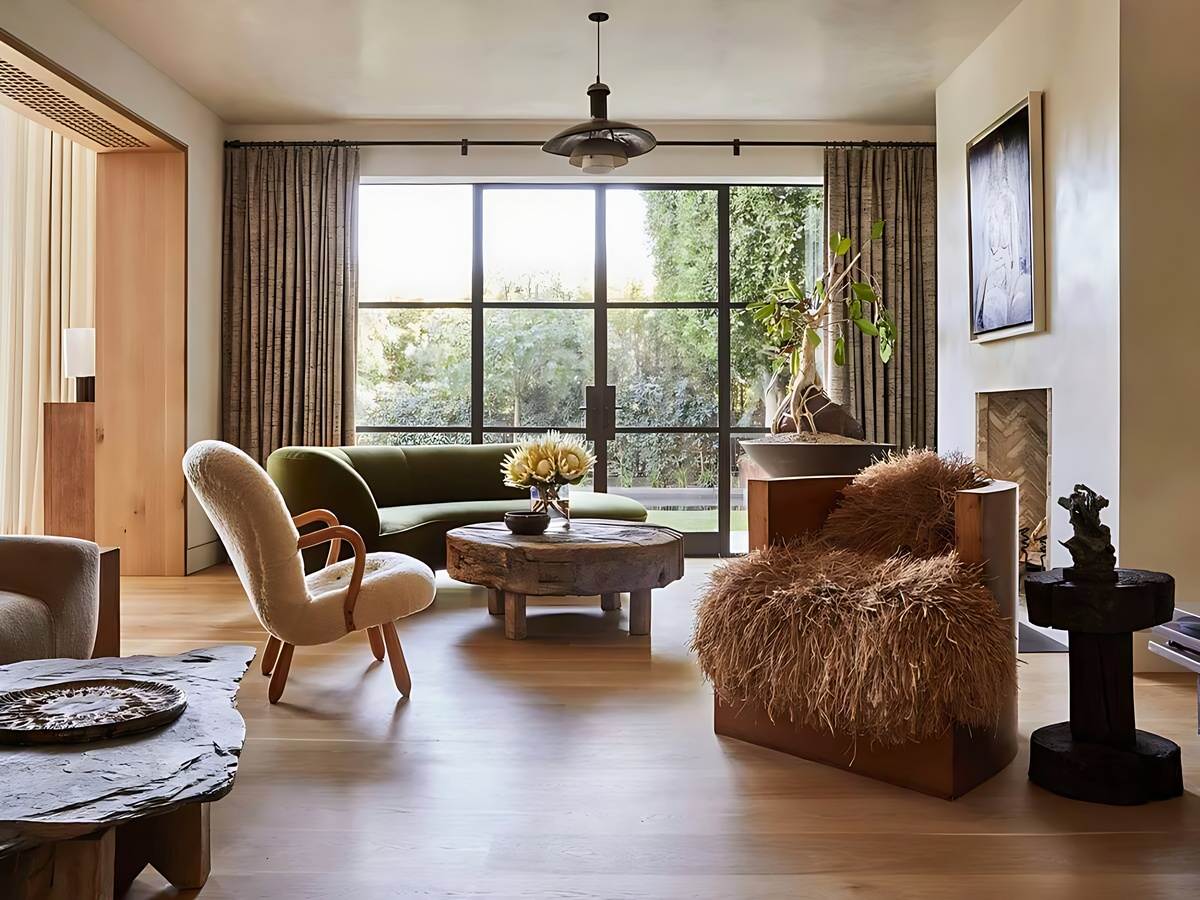
Wabi sabi house design embodies rustic and profound charm. (Source: Collected)
Living spaces in this spirit often eliminate superfluous elements, retaining original details to create tranquility and emotional balance. Imperfect surfaces such as scratches, wood grain, or old paint are seen as marks of time and are kept as part of the aesthetic. Thus, the house becomes a place that reflects life's journey and the accumulation of personal experiences.
1.2. Origins of the wabi sabi style
The origin of wabi sabi style in home design began in Japan, associated with Zen philosophy in Buddhism around the 12th century. This philosophy emphasizes tranquility, simplicity, and the deep connection between humans and nature in daily life. Over time, it became evident in the art of tea ceremony and spread to architecture and interior design as an expression of living spirit.
1.3. The value that wabi sabi style brings to modern homes
In the context of modern urban settings, wabi sabi style in home design brings a sense of relaxation by reducing the pressure from perfection and standardization of living spaces. Spaces are designed in a gentle direction, helping people easily balance emotions and find peace in daily life. This is especially suitable for today's fast-paced and stressful lifestyle.
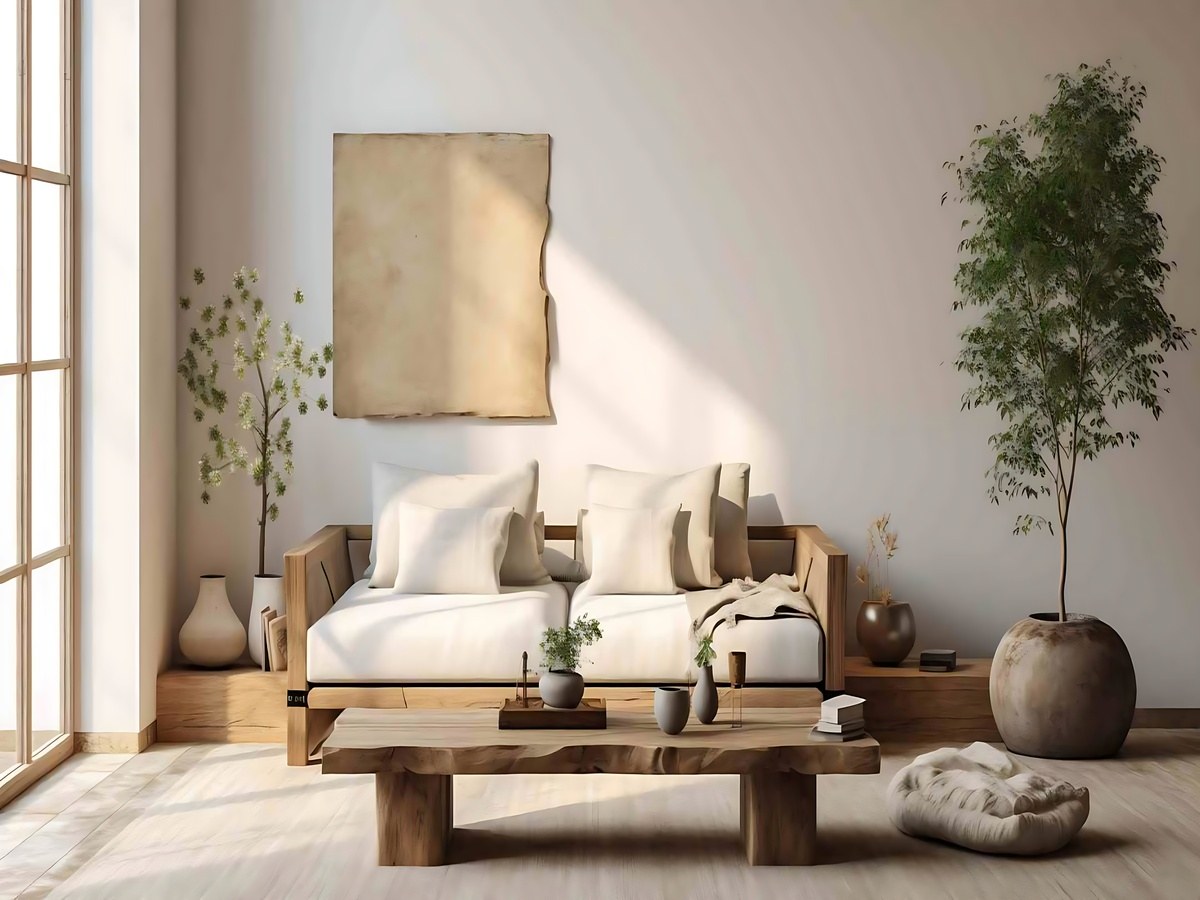
Natural materials add emotional depth to living spaces. (Source: Collected)
Besides the spiritual aspect, this style also creates emotional depth through the use of natural materials and soft lighting. These elements contribute to creating a close living environment, helping to increase the connection between people and space. As a result, the house is not just a place to live but also a space that nurtures emotions and personal experiences.
2. Elements that create the wabi sabi style in home design
2.1. Characteristic muted and neutral color palette
In 2026, the wabi sabi style in home design is no longer confined to traditional earthy tones. The new trend incorporates deep moss green, terracotta, or charcoal grey hues to create stronger depth. These color palettes mimic nature's transformations under the influence of light and humidity, creating a space that is "still" but not "silent".
2.2. Natural materials and rustic surfaces
In wabi sabi style in home design, natural materials play an important role in creating the identity of the space. Materials such as wood, stone, terracotta, or raw fabrics are used with minimal processing to retain their original appearance. This helps the space clearly express authenticity and closeness to nature.
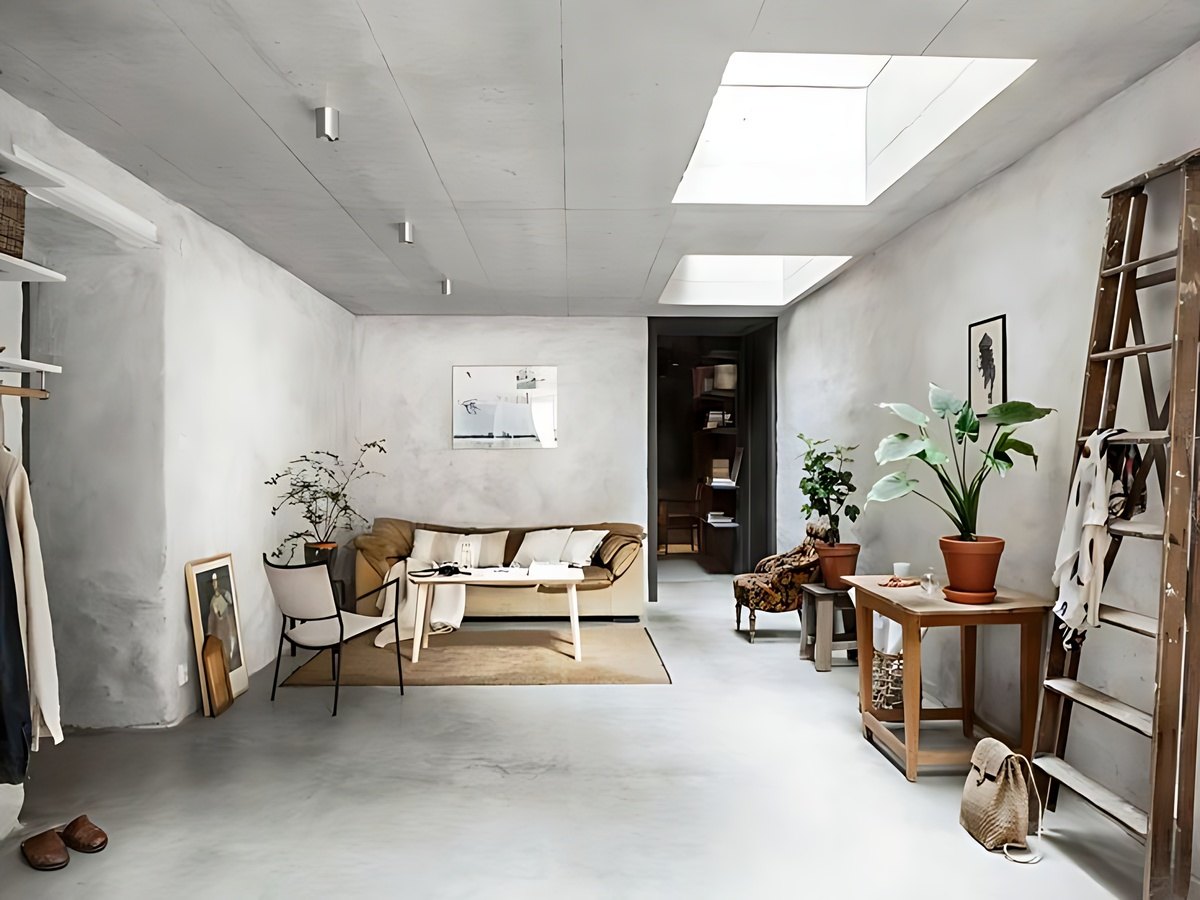
Wabi sabi emphasizes simplicity from natural materials. (Source: Collected)
Rough textures not only bring aesthetic value but also create a distinctive tactile sensation, contributing to enhancing the spatial experience. Traces like wood grain or rough surfaces are preserved to showcase the natural formation process of the material. As a result, each detail in the space carries its own story, creating depth for the design.
2.3. How to create a minimalist yet not monotonous space
Applying the wabi sabi style in home design requires a combination of raw beauty and hidden Smart Home features. Technology devices (speakers, control panels, air conditioners) are cleverly hidden behind wooden or natural stone wall systems. This allows homeowners to enjoy modern conveniences without disrupting the inherent tranquility and rustic simplicity of the living space.
Empty space within the area is considered an important design element, helping to create rhythm and spaciousness. Accents often come from natural materials or handcrafted details that bear a personal touch. This combination helps the space be both simple and profound, avoiding monotony in the overall layout.
3. Principles of applying wabi sabi style to home design
3.1. Retaining natural traces and imperfections
An important principle of wabi sabi style in home design is to retain natural traces such as cracks, scratches, or fading over time. These elements are not removed but are seen as part of the beauty and aesthetic value. This helps the space clearly reflect the authenticity and natural transformation of materials.
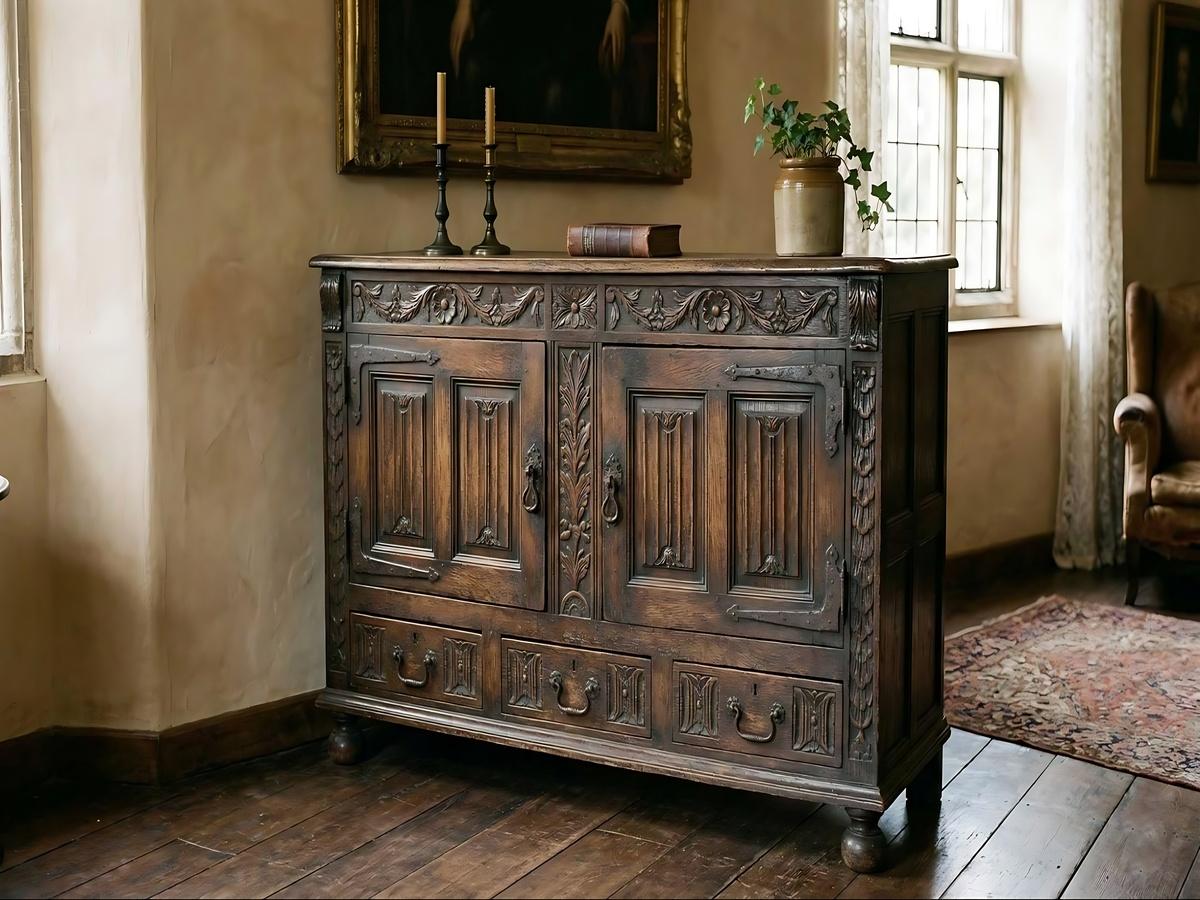
Imperfect details become their own unique highlights. (Source: Collected)
Accepting imperfection also helps reduce the pressure of maintaining completeness in living spaces. Instead of repairing or hiding them, these details are kept to create unique accents. As a result, the space becomes more intimate and clearly bears a personal touch.
3.2. Selective Minimalism of Interior
When applying the wabi sabi style in home design, interior minimalism is carried out selectively rather than completely eliminated. Each item retained must meet both functional and aesthetic values suitable for the overall space. This helps ensure a balance between comfort and minimalism.
Eliminating redundant details makes the space more airy and comfortable during use. However, essential elements are still kept to ensure practicality in daily life. Thus, the space achieves refinement without losing its practicality.
3.3. Connecting Living Spaces with Nature
In the wabi sabi style in home design, the connection with nature is expressed through natural light and eco-friendly materials. Instead of merely utilizing abundant light, modern Wabi-sabi focuses on the art of shadow. The use of narrow light slits, wall-grazing lights, or intentional dark spaces helps to honor the rough texture of raw materials, creating a living space full of contemplation and artistic depth.
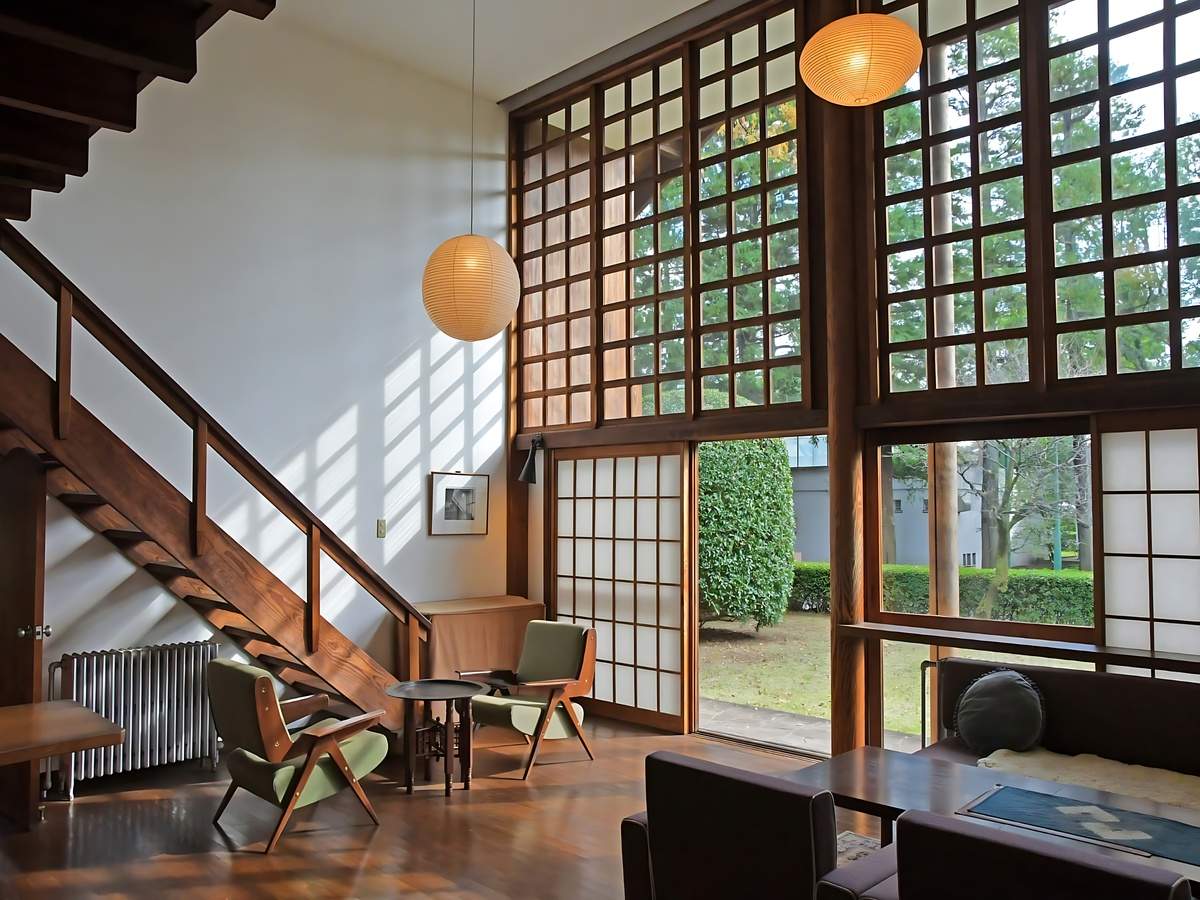
Open living space connects nature with natural light. (Source: Collected)
The living space is designed to be open to create a connection between the inside and outside, helping people clearly feel the changes in time and environment. Natural elements such as light, wind, and greenery contribute to creating overall harmony. As a result, the space becomes more vibrant and offers a deeper experiential depth.
4. Suggestions for applying the wabi sabi style in practical homes
4.1. Wabi sabi style living room space
A wabi sabi living room prioritizes rustic, natural beauty with materials like raw wood, stone, linen fabric, or handmade ceramics. The space should be kept minimalist but not too “empty”, creating a warm and deep feeling through imperfect details. Natural light and a neutral, warm color palette will help the overall look become harmonious and pleasant.
4.2. Relaxing bedroom space
Bedrooms applying wabi sabi style in home design often aim for tranquility and minimalism in spatial layout. Materials such as wood, linen fabric, or cotton are used to create a soft and comfortable feeling when used. Neutral colors help maintain psychological stability and support sleep.
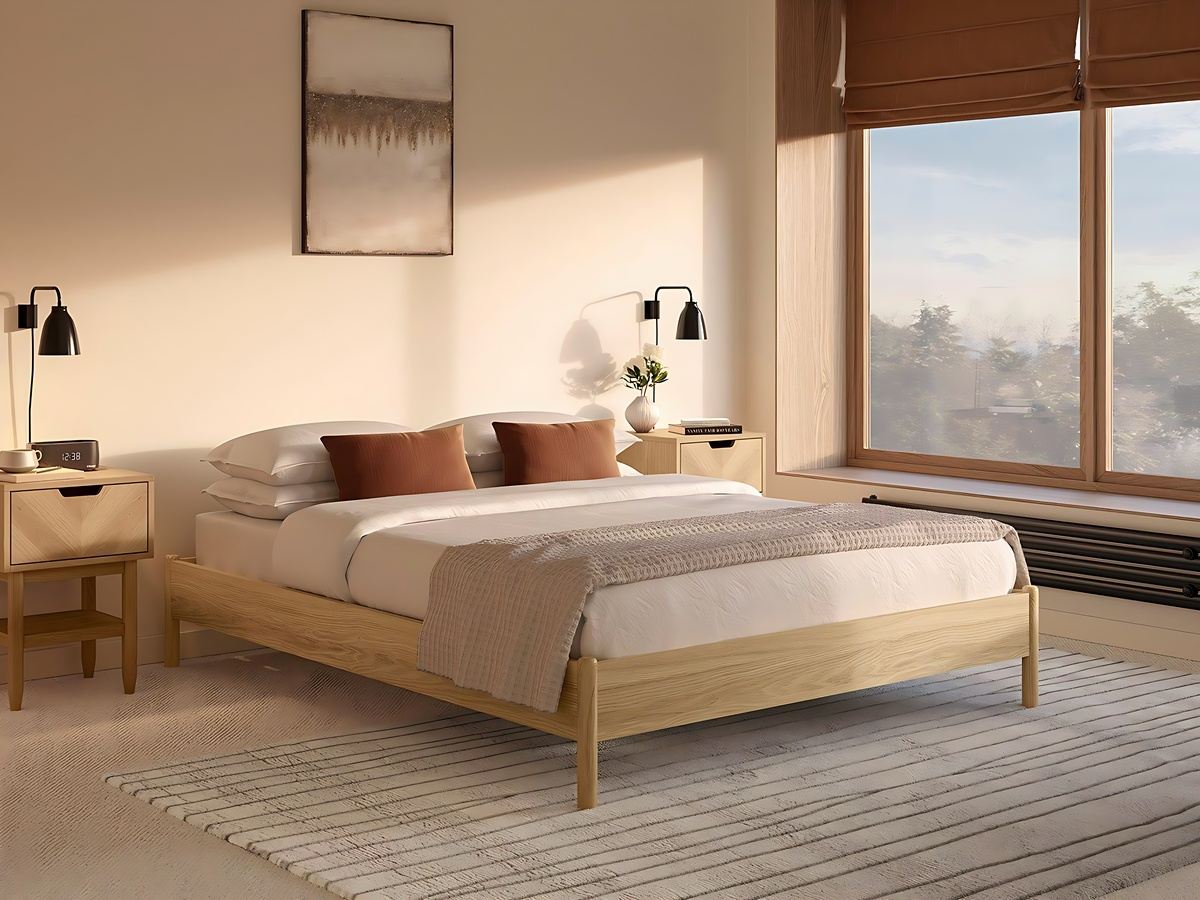
A minimalist wabi sabi bedroom provides a sense of relaxation. (Source: Collected)
The space is furnished with minimal furniture to create an airy feel and reduce visual clutter. Natural light combined with soft lighting helps maintain a relaxing atmosphere throughout the day. Consequently, the bedroom becomes a place to effectively recharge energy and balance emotions.
4.3. Notes on applying the wabi sabi style in Vietnam
When applying wabi sabi in Vietnam, attention should be paid to high humidity which can easily affect natural materials like wood or fabric. It is advisable to prioritize moisture-resistant treated materials, while ensuring the space is well-ventilated to prevent mold. Additionally, modern elements can be flexibly combined to suit living habits, avoiding excessive minimalism that causes inconvenience in use.
When applying the wabi sabi style in home design, homeowners not only create a living space but also build a slower and more profound lifestyle. Simplicity and naturalness are the core values that help the space become sustainable over time. If you love this style, try applying it to your home.