


Top tips for choosing colors that suit the Water element.
In modern home Feng Shui, selecting colors that align with the Water element not only harmonizes the space but also positively influences one's fortune. In conjunction with the application of the Housing Law 2023 regarding green living space standards, sea blue and black hues, when combined appropriately, will create a sustainable energy ecosystem, fostering the homeowner's health and spirit.

▲Table of Contents
1. Understanding the Water Element and Color Principles in Feng Shui
1.1. Personality and Characteristic Energy of People with the Water Element
People of the Water element represent the water factor in the Five Elements, associated with flexibility, adaptability, and sharp thinking in various life circumstances. Individuals of this element tend to be emotional and communicate well, therefore, choosing colors that suit the Water element helps maintain stability and balance in daily life.
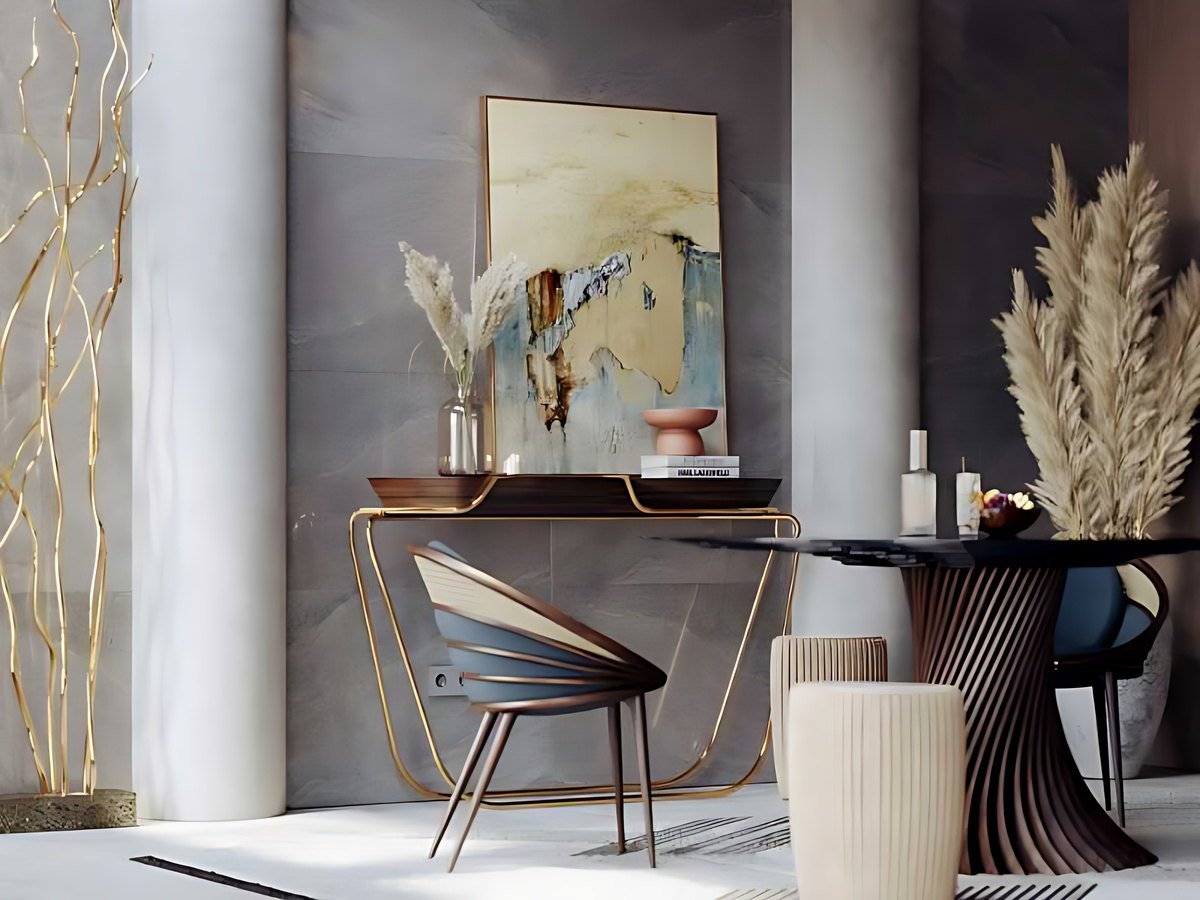
The Water Element symbolizes continuous flow and movement. (Source: Collected)
The Water Element symbolizes continuous flow and movement. Understanding this characteristic not only guides aesthetics but also helps homeowners comply with the National Technical Regulation on Individual Housing (QCVN 06:2026/BXD), prioritizing green materials and natural reflective colors to optimize renewable energy in modern living spaces.
People of the Water element are often suited to spaces that are soft, have reflective light elements, and materials like glass or bright metal. When colors are combined correctly in design, living spaces tend to become gentle and support a stable long-term mental state.
1.2. Mechanisms of mutual support and conflict in the five elements system related to Water
According to the Five Elements theory, the Water element is supported by the Metal element and is in conflict with the Earth element. Determining colors that suit the Water element needs to be based on this principle to ensure energy balance. Specifically, according to Circular No. 12/2026/TT-BXD on guidelines for safe interior decoration, the use of white and silver shades (Metal element) not only supports Water but also helps enhance natural light, reducing electricity consumption for the house.
Conversely, colors belonging to the Earth element such as yellow or earthy brown can hinder energy flow when used improperly. Additionally, the Water element has relationships with the Fire and Wood elements, where Fire tends to overcome Water, while Wood is influenced by Water. Flexible combinations of color groups help the space maintain stability and limit the feeling of visual imbalance.
1.3. The influence of colors on emotions and energy flow in homes
Colors in living spaces directly affect the emotions, psychology, and comfort levels of users in daily life. Choosing colors that suit the Water element helps create a sense of relaxation and supports a stable mental state in living spaces. In Feng Shui, colors also contribute to regulating energy and influencing the flow of Qi in each functional area of the house.
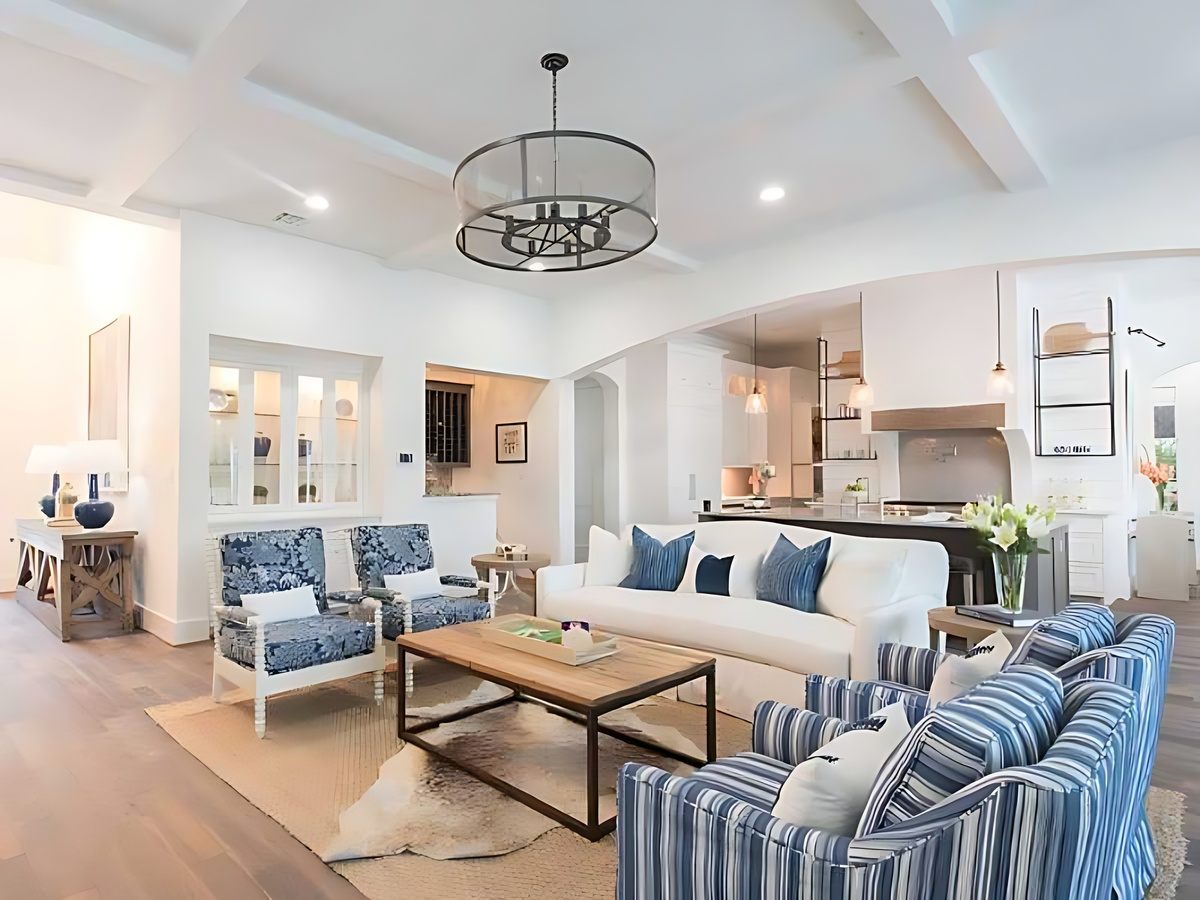
Choosing colors that suit your element helps balance energy and relax. (Source: Collected)
When applying the right colors, living spaces tend to be more balanced and reduce feelings of stuffiness in daily life. Besides feng shui elements, colors also help shape design styles from modern to close to nature, depending on the combination. The combination of light, materials, and colors creates a harmonious living environment that suits actual usage needs.
2. Analyzing color groups suitable for people of the Water element by level
2.1. Elemental colors that help strengthen personal energy
Colors compatible with the Water element include shades of blue, sea blue, and black, representing the water element and natural movement. Using colors harmonious with the Thuy element in this group helps the space become gentle and maintain energy balance. Light blue shades are often used for large areas like walls or ceilings to create a more airy and comfortable feeling in the living space.
Meanwhile, dark black or blue shades can be used as accents to add depth to interior design. Blue also signifies peace, wisdom, and expansiveness in home feng shui. When applied appropriately, this color group helps maintain a positive mental state and supports a sense of relaxation in daily life.
2.2. Colors of the generative element help attract luck and wealth
The complementary colors for the Water element, belonging to the Metal element, include white, gray, silver, and metallic hues, which play a role in nurturing energy in Feng Shui. The use of colors that suit the Water element from this group helps support energy flow and maintain stability in living spaces. Shades of white or light gray often create a bright and clean feeling, suitable for common living areas or office spaces.
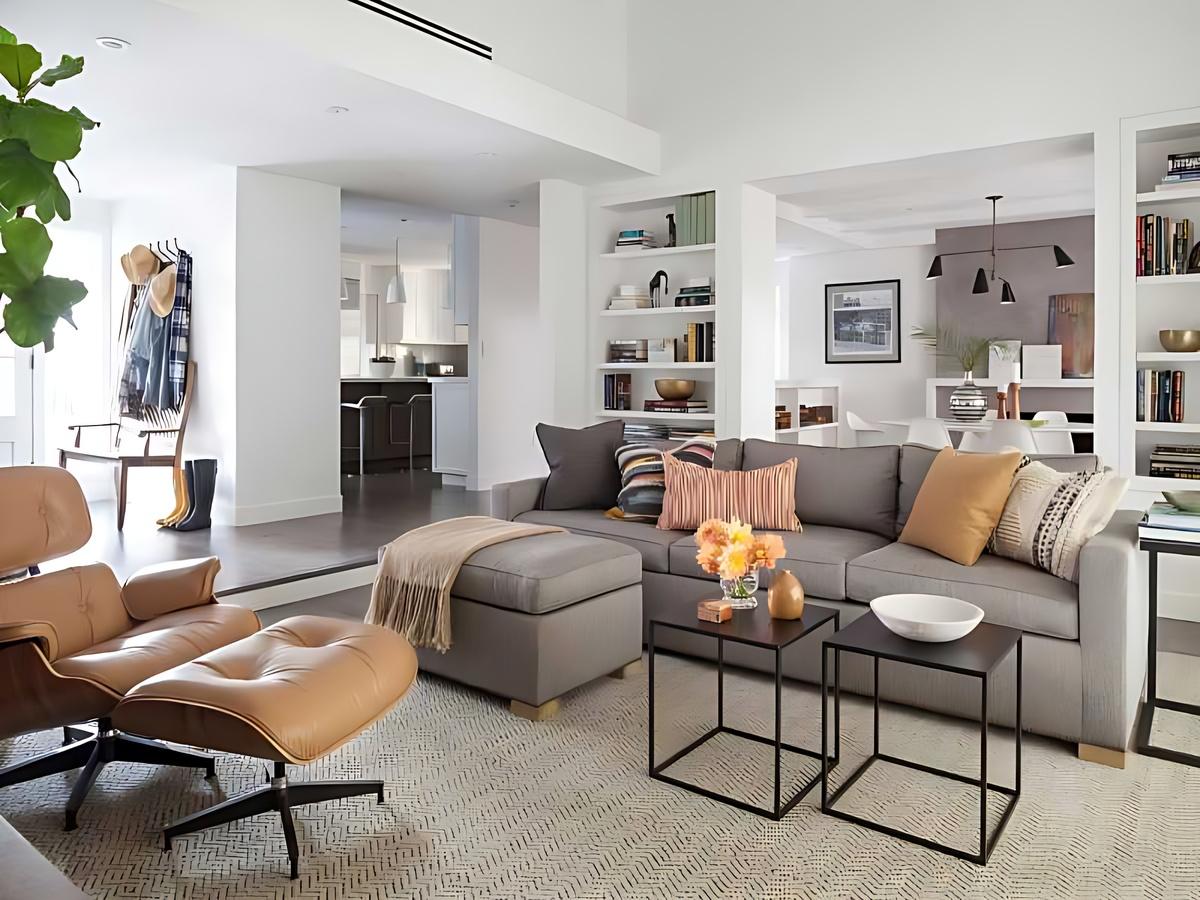
Combining metallic elements helps balance energy and increase depth. (Source: Collected)
Meanwhile, metallic details can be used as accents to enhance the modernity and depth of the design. The combination of complementary colors and elemental colors helps the space maintain harmony and stability in feng shui. When applied appropriately, this color group supports energy flow and limits feelings of imbalance.
2.3. Colors to be restrained to avoid weakening luck
Colors belonging to the Earth element, such as yellow or earthy brown, are often considered unsuitable for the Water element due to the conflicting nature in the Five Elements. When choosing colors suitable for the Water element, limiting these color palettes helps avoid affecting energy balance. Additionally, colors belonging to the Fire element, such as red, orange, or purple, also need to be considered when used in interior spaces.
However, if combined reasonably with neutral colors, they can still serve as subtle accents in the design. Limiting does not mean complete elimination but requires adjusting the proportions appropriately within the overall space. Understanding this principle helps homeowners apply colors flexibly while maintaining harmony in the design.
2.4. How to Combine Harmonious Color Palettes, Avoid Visual Clutter, and Still Adhere to Feng Shui Principles
Color matching principles for people with the Water element (Thuy) are usually based on a balance between the element's own colors, complementary colors, and some neutral colors. Applying the correct colors suitable for the Water element (Thuy) in the right proportions helps the space avoid feeling cluttered and maintain overall stability. A common approach is to use blue as the main color, combined with white or gray, and accents of black in interior design.
This combination helps increase spatial depth and is suitable for modern style. In addition, materials such as glass, metal, or reflective surfaces can support the overall color palette in living spaces. The harmonious combination of materials and colors helps increase unity and is suitable for practical usage needs.
3. Application of colors suitable for the Water element in real estate and interior design
3.1. Choosing the main color for the exterior and overall structure
House paint color plays an important role in shaping living space and affects the overall perception of the building. Shades of blue or white are often used as the main colors in colors that suit the Water element to create a sense of spaciousness and balance. In the overall design, colors need to be distributed reasonably among functional areas to ensure spatial connection.
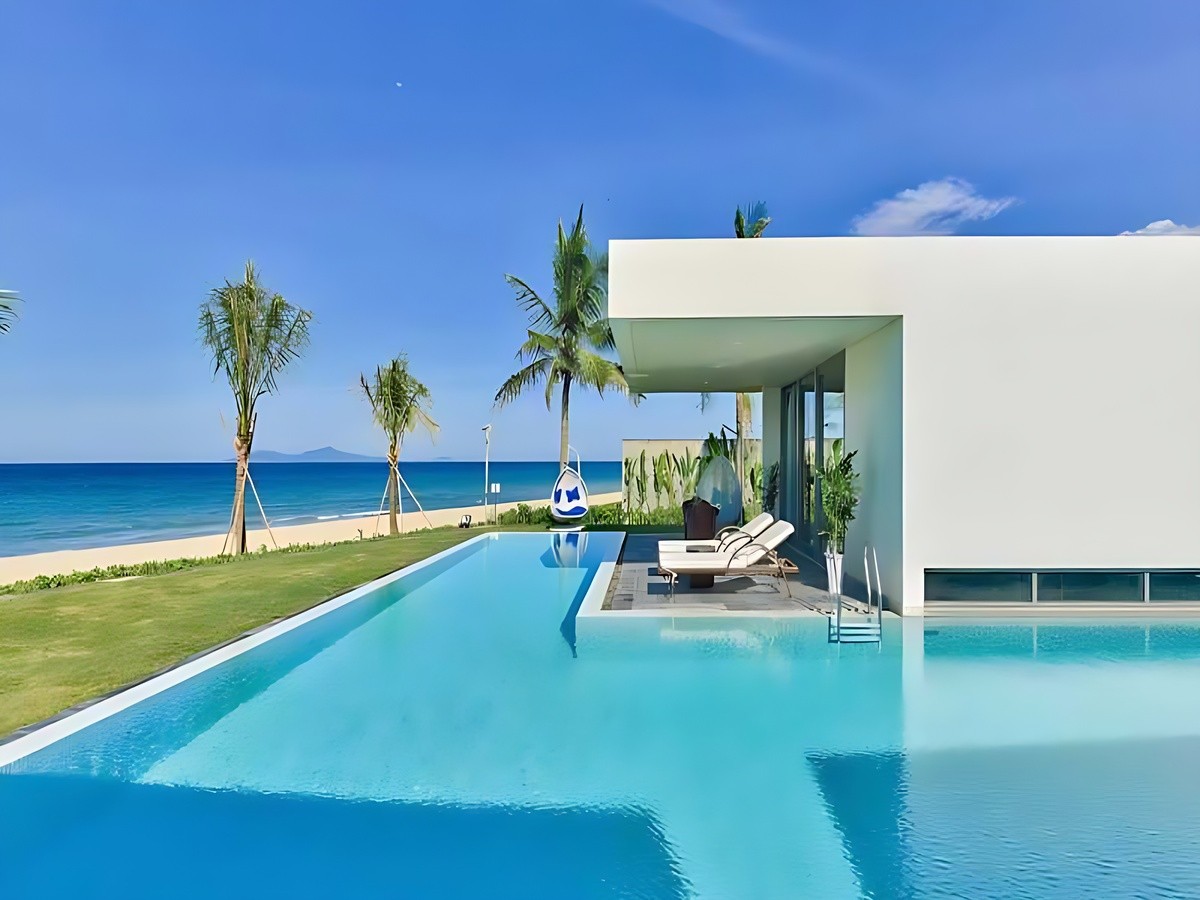
Reasonable color distribution creates a connection between areas. (Source: Collected)
The use of synchronized colors helps maintain consistency and effectively supports daily life. Natural light also needs to be combined with paint colors to enhance visual effects in living spaces. When light and color are harmoniously combined, the space becomes more airy and balanced.
3.2. Interior color coordination to create depth and relaxation for the space
Interior should be chosen according to the dominant color tone to ensure unity in design and home feng shui. Items such as sofas or curtains can use colors suitable for the Water element to increase the connection between functional areas. Glass or metal materials are often preferred due to their suitability with the characteristics of the Water element in feng shui.
When combined with suitable colors, these materials help the space become more modern and comfortable. Additionally, water elements or reflective decorative items also contribute to enhancing feng shui effectiveness in living spaces. The combination of materials and colors helps improve the feeling of relaxation and elevate the quality of the living environment.
3.3. Flexible Application in Apartments, Townhouses, and Modern Spaces
In today's smart apartments, colors are often minimalist to create a sense of spaciousness. Applying colors that suit the Water element (Thuy) in this direction helps the space meet the trending "Healing Architecture" standards. Light blue or neutral tones are not only feng shui-friendly but also help regulate the biological rhythm according to the latest research on color psychology applied in architecture in 2026.
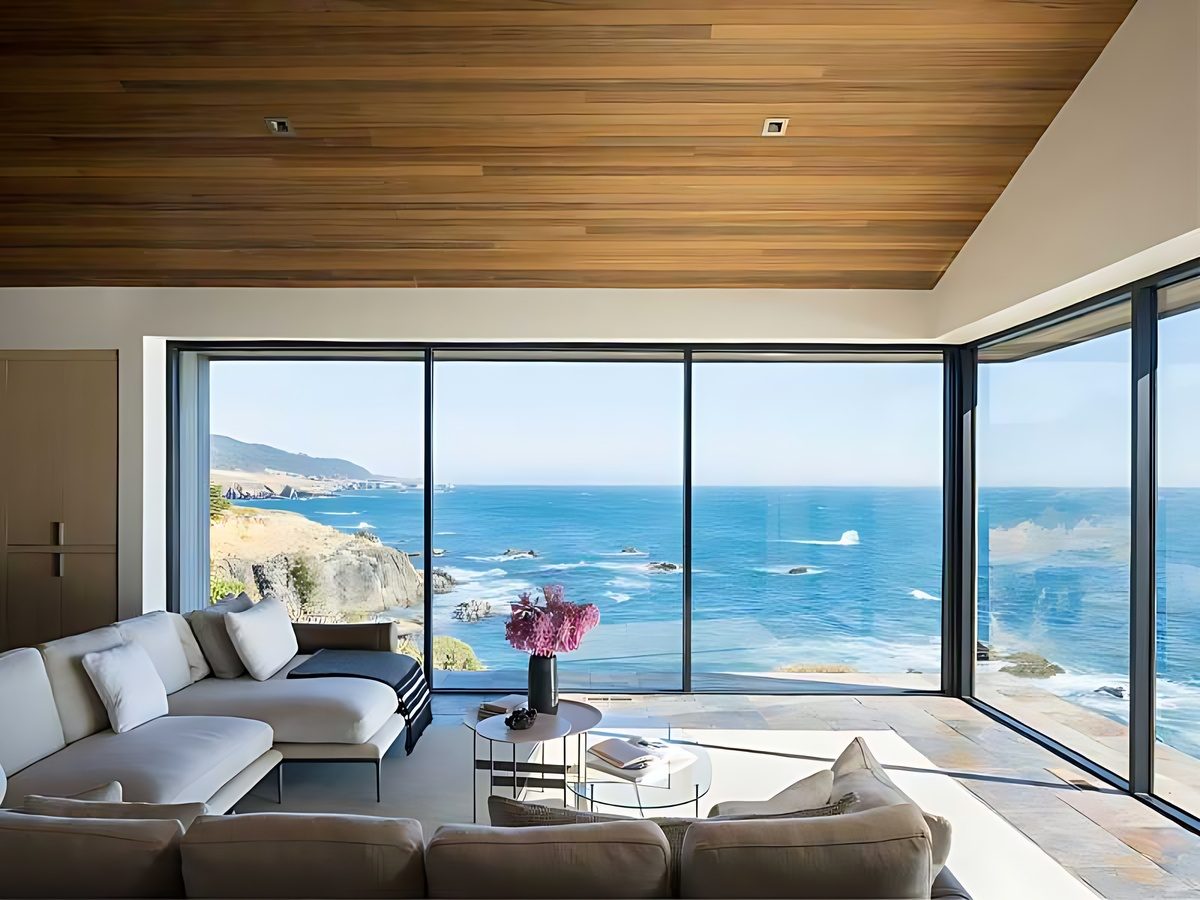
Combining modern materials that maintain feng shui and aesthetics. (Source: Collected)
4. Important notes when choosing colors for people of the Water element (Menh Thuy)
4.1. Balancing color ratios in the overall scheme to avoid an imbalance of Water energy.
If too much blue, black, or cool tones are overused, the house can easily fall into an unbalanced state, creating a cold and lifeless feeling. Therefore, it is necessary to clearly define the main color, complementary color, and accent color to ensure overall harmony. Each area should have a different color division, for example, the living room can use Water (Thuy) tones as a base combined with bright accents, while the bedroom should reduce contrast to create a relaxing feeling. In addition, adjusting the shades from dark to light also helps the space have more depth while maintaining visual comfort.
4.2. Choosing colors according to the function and emotion of each living space
The living room space should prioritize colors that bring gentleness and openness, helping to increase connection and create a positive impression with visitors. For the bedroom, soft, low-contrast tones will support mental relaxation and improve sleep quality. The kitchen area needs color balance to limit conflicts between feng shui elements, avoiding the use of too many warm or too cold colors. For the workspace, colors that stimulate focus and creativity should be chosen, while still maintaining the stability characteristic of the Water element.
4.3. Updating new color matching trends suitable for modern lifestyles
Current design trends lean towards minimalism and prioritize nature-inspired color palettes in living spaces. Applying colors that suit the Water element in line with this trend helps spaces align with modern lifestyles. Modern styles often use blue, white, and gray color palettes combined with reflective materials to create balance. This combination enhances the applicability of colors in today's residential projects.
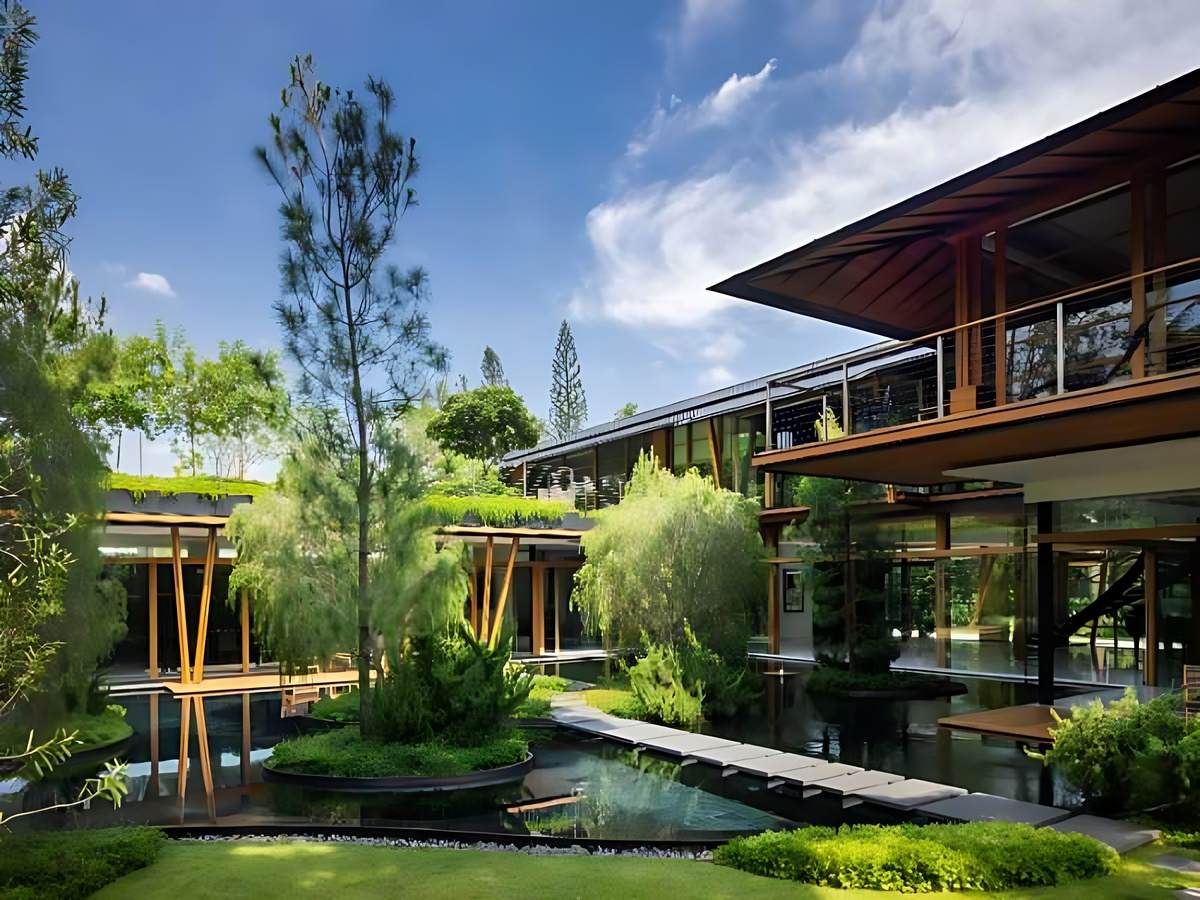
Colors close to nature suitable for modern living spaces. (Source: Collected)
Choosing the right colors suitable for the Water element (Thuy) will help the living space become harmonious and bring positive energy to the homeowner. When you know how to coordinate colors reasonably, you not only enhance aesthetic value but also contribute to improving fortune and quality of life. If you belong to the Water element (Thuy), try applying the color selection tips above.