


What is Co-living? Evaluate the pros and cons of this model
In the context of rapid urbanization and rising living costs, many people are starting to explore what co-living is as a flexible housing solution. This model not only helps optimize costs but also creates a connected living environment, suitable for the modern lifestyle of young people.

▲Table of Contents
1. The co-living wave emerges from urban pressure
1.1. Fluctuations in housing demand among the modern young generation
Young people in large cities are tending to change their approach to housing, no longer prioritizing long-term property ownership as before. Instead, they prioritize flexibility in living, suitable for fluctuating jobs and the ability to move between urban areas. This trend appears in the context of rising housing prices and financial pressure, making homeownership less accessible for many young customer groups.
In that context, the concept what is co-living is gradually gaining attention as it meets the need for flexible living, cost savings, and community elements. This model is suitable for young people who are freelancers or frequently change their place of residence according to their work. This is also one of the new development directions in the current urban housing structure.
1.2. Trend of space sharing in high-density cities
In densely populated urban areas like Hanoi or Ho Chi Minh City, pressure on land and infrastructure has spurred the development of space-optimized housing models. Projects are increasingly focusing on integrating multiple functions within a single space to enhance usability. This facilitates the strong development of shared living models.

Shared living model in large urban areas optimizes space, amenities, and living costs. (Source: Collected)
Alongside this, the need to live close to work and save travel time leads people to prioritize living spaces with full amenities within a small radius. The shared space model helps reduce rental costs and effectively utilize common living areas. This is one of the factors driving the spread of this type of model in large cities.
1.3. The position of co-living in the real estate value chain
In the modern real estate ecosystem, co-living is considered a supplementary type alongside apartments, townhouses, and serviced apartments. This diversity helps the market meet many customer groups with different needs and financial capabilities. This also contributes to enriching the supply of urban housing.
When considering what co-living is, it can be seen that this model acts as a bridge between traditional housing and serviced real estate products. It contributes to shaping housing development trends towards flexibility and optimizing user experience. This is suitable for the urban context shifting towards a multifunctional model.
2. Structure of the co-living model from a practical operational perspective
2.1. Definition of co-living according to the updated legal framework 2026
Co-living is an accommodation model combining private sleeping spaces with shared utility areas (kitchen, living room, workspace). According to Housing Law No. 27/2023/QH15, this model is more strictly managed in the form of multi-story multi-apartment buildings or rental housing. Unlike the spontaneous "roommate" form previously, modern co-living is operated by professional units, and must strictly comply with regulations on residential density and fire prevention and fighting (PCCC) safety according to the latest regulations of the Ministry of Construction.
Understanding what co-living is helps differentiate it from other housing models, especially in the context of a market with many new types emerging. This is a model that aims for a combination of personal comfort and community value. From there, tenants can take advantage of both private space and shared amenities.
2.2. Organization of living space and accompanying services
Co-living spaces are usually divided into private rooms of moderate size, ensuring basic rest and personal living functions. These rooms are often furnished to help tenants use them immediately upon moving in. This suits the fast-paced and flexible living needs in large cities.

Co-living has private rooms combined with common living spaces, increasing connectivity and urban flexibility. (Source: Collected)
Additionally, common living areas such as kitchens, living rooms, or workspaces are designed openly to enhance connection among residents. These spaces play an important role in community building and fostering interaction during their stay. This is a notable difference compared to traditional rental models.
2.3. Classification of currently implemented co-living models
Currently, co-living is implemented in various forms to suit specific customer groups. One of the popular forms is shared apartments with multiple bedrooms, suitable for working professionals or students. This model helps optimize costs and utilize space effectively.
When analyzing what co-living is, it can be observed the emergence of models combining services such as serviced co-living. These models integrate accommodation and utility services to meet the diverse needs of tenants. This shows flexibility in product development in the market.
2.4. Operational standards create differentiation
The biggest difference currently lies in legal compliance and technical standards. According to current regulations in 2026, co-living facilities must have a lodging business license and meet the requirements for minimum floor area per person. While traditional boarding houses often face difficulties in upgrading fire prevention and fighting systems (PCCC), co-living is designed synchronously from the start with an automatic fire alarm system, a second escape route, and professional management by the operating unit, helping to minimize legal risks for tenants.
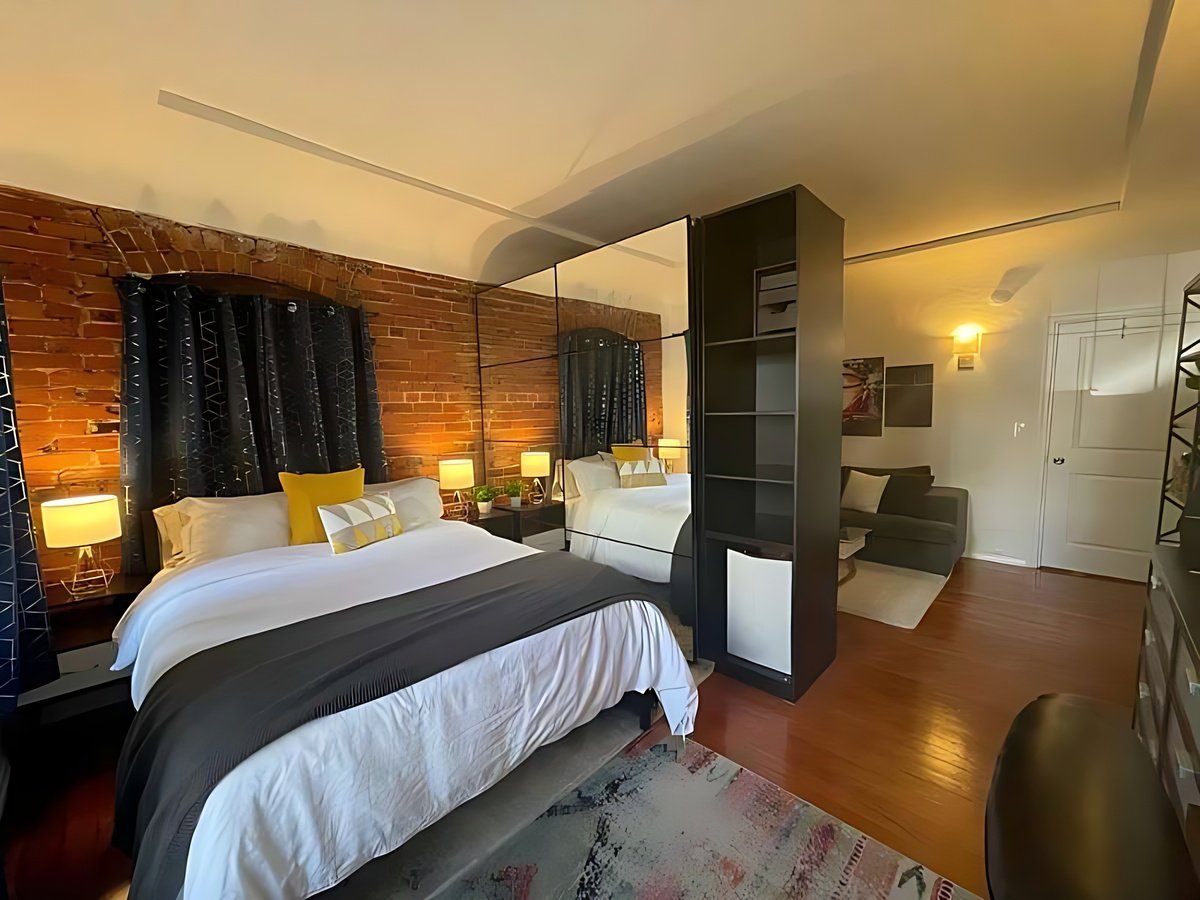
Co-living differs from traditional renting in well-invested common spaces and high community connection. (Source: Compilation)
When considering what co-living is, it can be seen that this model aims to build a highly connected living environment. This is an aspect that traditional renting struggles to meet due to limitations in design and operation. This difference is increasingly evident in the context of changing modern living needs.
3. Benefits and Trade-offs of the Co-living Model
3.1. Optimizing Living Costs and Integrated Utilities
Co-living helps reduce housing rental costs through sharing spaces and common amenities among multiple users. This is particularly suitable for young people or groups with limited budgets in urban areas. The reasonable cost allows this model to reach a wide range of customers.
When learning about what co-living is, it can be seen that this is a solution to balance cost and quality of life in the context of rising housing prices. This model allows tenants to access a comfortable living environment without needing to own property. This is suitable for new consumption trends.
3.2. Community Connection Environment and New Lifestyle
Co-living creates a living environment with a high sense of community, where residents can interact and share with each other during daily life. This helps form social relationships and increase connection between individuals. This is a highlight compared to many other types of housing.

Co-living brings community connection and diverse, flexible living experiences for residents. (Source: Collected)
Shared activities organized in co-living spaces help enhance the living experience and create diversity in daily life. This is particularly ideal for people new to the city or freelancers. This environment supports expanding social networks.
When analyzing what is co-living, it can be seen that this model not only provides accommodation but also brings experiential value. The combination of living space and community creates a flexible living environment. This reflects the modern urban living trend.
3.3. Limitations regarding privacy and personal experience
One of the limitations of co-living is that privacy levels can be affected due to having to share many common spaces with others. When considering what co-living is, personal factors such as living habits and privacy needs must be carefully considered before choosing. Differences between residents can lead to conflicts if there are no clear regulations. In addition, this model requires an operating unit with good management capacity to ensure a stable living environment and limit conflicts.
4. Methods for choosing co-living that suits personal needs
4.1. Establish criteria for choosing a living space
When choosing co-living, location is an important factor to consider, especially in areas with convenient transportation links. Living close to work helps reduce commute time and improve daily quality of life. This aligns with the modern urban living trend.
Besides location, the amenity system and living environment also need to be evaluated to ensure suitability for personal needs. Factors such as common space, privacy level, and living conditions play an important role. This directly affects the long-term living experience. Understanding what co-living is helps tenants choose a space that suits their needs and living habits. Carefully considering these factors will help optimize the living experience in a shared environment.
4.2. Evaluating the operational unit's capacity and reputation
The operating unit plays an important role in maintaining service quality and a stable living environment for residents. A clear management system helps minimize arising issues during common living. This is especially important in space-sharing models.
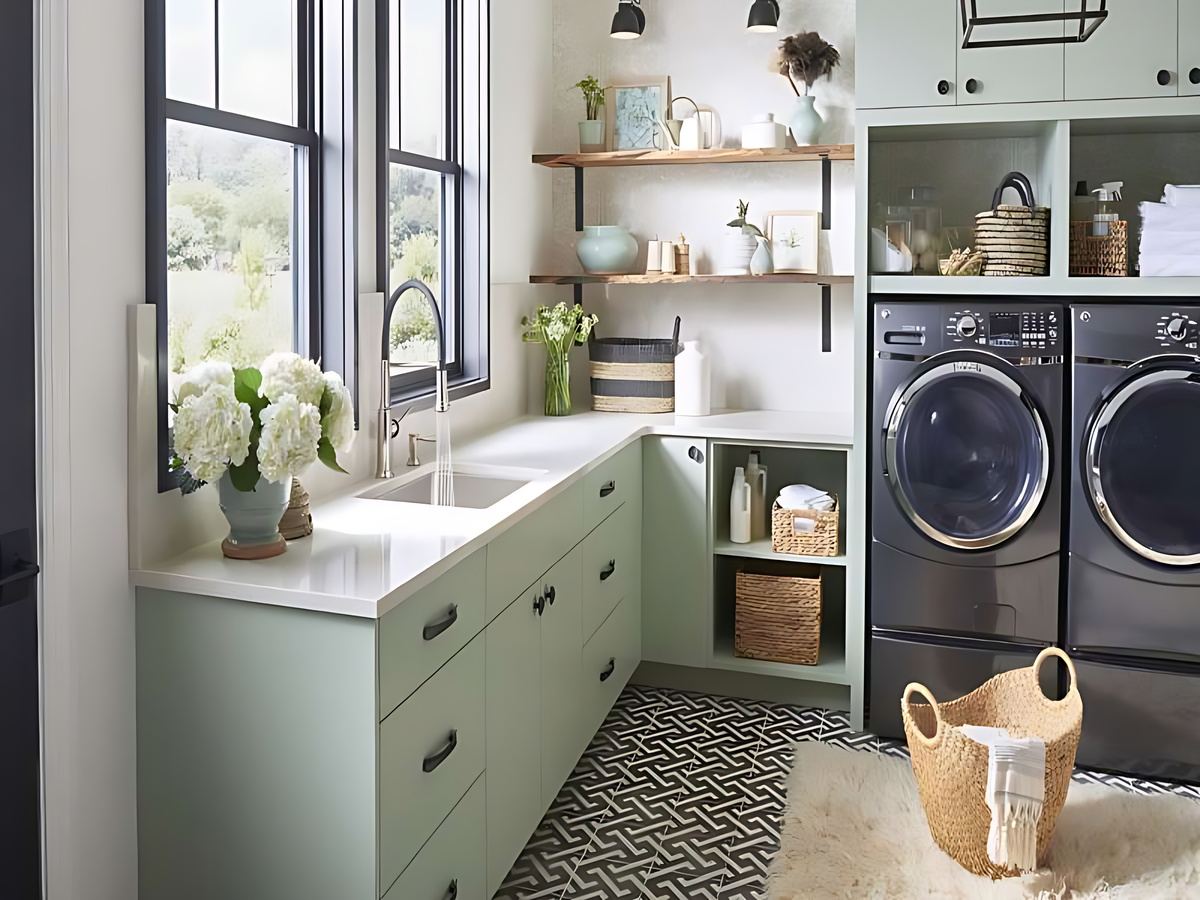
A co-living operator needs to be reputable and professional to ensure quality and stability. (Source: Collected)
When learning about what co-living is, it can be seen that professionally operated models often have transparent processes and full support services. This helps tenants feel more secure during their stay. The ability to quickly handle incidents is also a criterion to consider.
Besides, the reputation of the operating unit can be assessed through resident feedback and market operating time. This information reflects the stability and actual service quality. Choosing a suitable unit contributes to ensuring a long-term living environment.
4.3. Risk control through contracts and legal regulations
Before signing, you need to pay special attention to the contract form. According to the Real Estate Business Law No. 29/2023/QH15, rental contracts in professional co-living projects must be clearly documented in writing regarding the term, management fees, and common space usage rights. You should carefully check the terms regarding the refund of the deposit and the responsibilities of the management unit in case of technical issues. Especially, confirm that the facility has been inspected and approved for fire prevention and fighting (PCCC) according to new standards to ensure absolute safety for yourself throughout the living period.
Understanding what co-living is will help you have more suitable options in the context of rising housing costs. This model not only brings financial convenience but also creates a dynamic and connected living environment. However, to suit long-term, you need to carefully consider your personal needs, level of privacy, and lifestyle.