


What is special about the Indochine style in residential interior design?
Amidst many modern trends, the Indochine style in interior design still retains its unique charm thanks to the sophisticated interplay between East Asia and French architecture. This style not only brings a nostalgic beauty but also creates a luxurious and culturally rich living space.

▲Table of Contents
1. Details about the Indochine style in interior design
1.1. Origin and Formation Background
The Indochine style emerged during the French colonial period when Western architects introduced European design thinking to Southeast Asia and gradually adapted it to local conditions. This combination was not imposed but was a process of adaptation, where local materials, climate, and culture were carefully considered to create a new direction. This helped form the Indochine style in interior design, characterized by a distinct intermingling of two cultures, reflecting the unique historical context of the Indochina region.
1.2. Definition of Indochine style in residential design
The concept of the Indochine style in interior design is understood as the combination of the classic beauty of French architecture and the traditional characteristics of East Asian culture within a living space. Decorative elements, materials, and layout are chosen to create a balance between aesthetics and functionality. In living spaces, this style is expressed through the use of furniture with a classic appearance that remains familiar to Vietnamese life.
1.3. Development of the Indochine style in modern real estate
In recent years, Indochine style has reappeared in high-end housing and apartment projects in many urban areas. This resurgence is linked to the trend of seeking living spaces with cultural elements, while still ensuring comfort and high applicability. Investors and design units often leverage this style to create differentiation in real estate products, especially in the mid- and high-end segments.
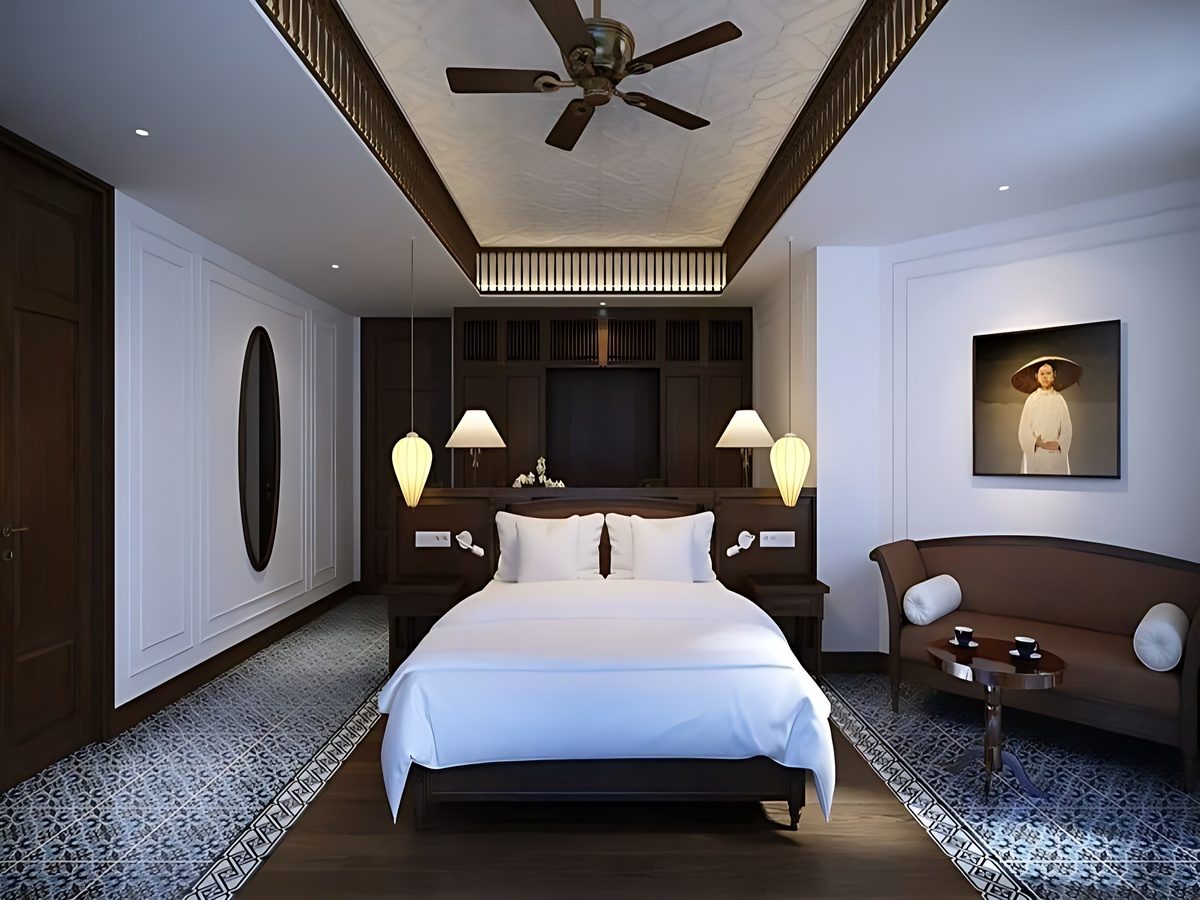
Indochine design combines tradition and modern amenities. (Source: Collected)
2. Key features of the Indochine style in interior design
2.1. Signature colors with the mark of Indochina
Colors in the Indochina style often revolve around neutral tones such as cream yellow, white, and wood brown to create a gentle feeling and suit the tropical climate. These colors help the space become harmonious, while also creating a background to highlight traditional decorative details. When applying the Indochine style in interior design , color selection plays an important role in shaping the overall space.
In the 2026 trend, Neo-Mint green or Deep Teal green are gradually replacing traditional vibrant reds. This combination brings a modern breath, helping the Indochine space become more elegant and "breathable" in apartments with moderate areas. The restraint of dark shades helps highlight furniture items made of brass or gold-plated, adding more luxury for the homeowner.
2.2. Materials used in the Indochine space
Natural materials are the core element of the Indochine style, where wood, bamboo, rattan, and patterned tiles frequently appear in interior spaces. These materials not only possess aesthetic value but also suit the hot and humid climate conditions in Vietnam. When implementing the Indochine style in interior design, the use of materials plays a decisive role in the overall perception of the space
Besides traditional elements, some modern materials like stone or glass are also incorporated to enhance comfort and durability. Indochine 2026 notes the rise of green materials such as high-class rattan, E0-standard engineered wood, and engineered quartz stone. In particular, the use of odorless eco-friendly paints helps the interior space possess both a nostalgic beauty and meet the green living (ESG) standards that real estate investors are currently aiming for.
2.3. Iconic decorative details and patterns
Motifs in the Indochine style are rich in cultural imprints with images such as floral motifs, the four sacred animals, or symbolic geometric patterns. A new development for 2026 is the application of motifs using 3D printing technology on glass or metal CNC panels. Instead of heavy plaster bas-reliefs, the use of CNC partition walls with geometric or lotus motifs helps the space feel more open while still retaining the "Asian soul." This is an optimal solution for apartments with limited space in new urban areas. The use of motifs helps the Indochine style in interior design become easily recognizable and culturally rich.
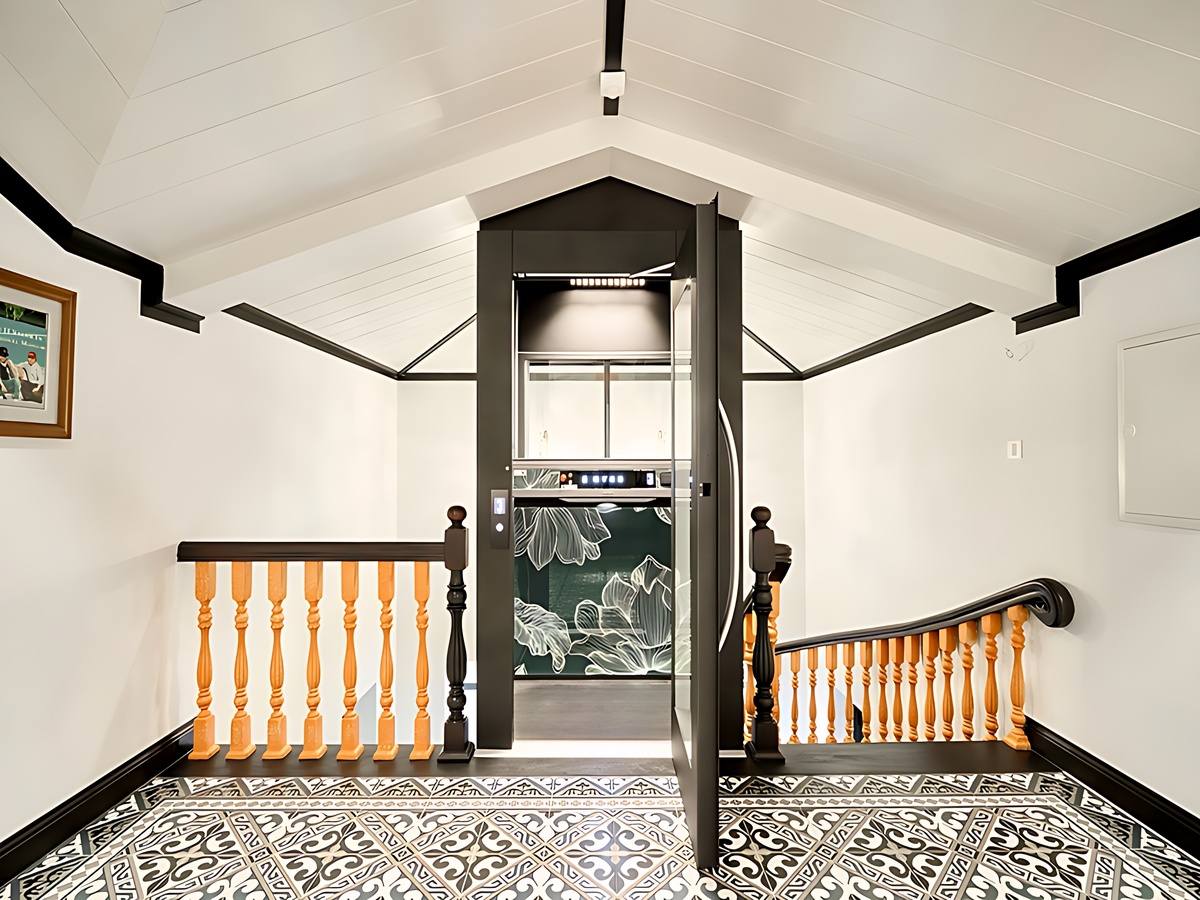
Traditional motifs of the four sacred creatures in Indochine interior design. (Source: Collected)
In addition, carved details and bas-reliefs are also applied to enhance the artistic depth of living spaces. These elements are not only decorative but also express the cultural and historical stories of the region. As a result, the interior space becomes a place that clearly preserves and expresses traditional identity.
3. Layout Orientation When Designing in the Indochine Style
3.1. Balance Between Western Elements and Eastern Identity
An important principle in Indochine design is the balance between French architectural elements and local culture within the same space. This requires careful consideration in selecting layout, materials, and decorative details to avoid a sense of disharmony. When applying the Indochine style in interior design , harmony plays a foundational role for the entire design.
The combination needs to ensure that classical elements do not overwhelm the local identity, but instead highlight traditional values. Details such as arched doorways and high ceilings can be combined with East Asian motifs to create unity. As a result, the space carries both European characteristics and retains the Vietnamese spirit.
3.2. Organizing space suitable for tropical climate
Indochine design emphasizes ventilation through the use of large doors, louvered windows, and high ceilings to increase air circulation. These elements help the space become comfortable in Vietnam's characteristic hot and humid climate. When applying Indochine style in interior design, climatic factors are always prioritized
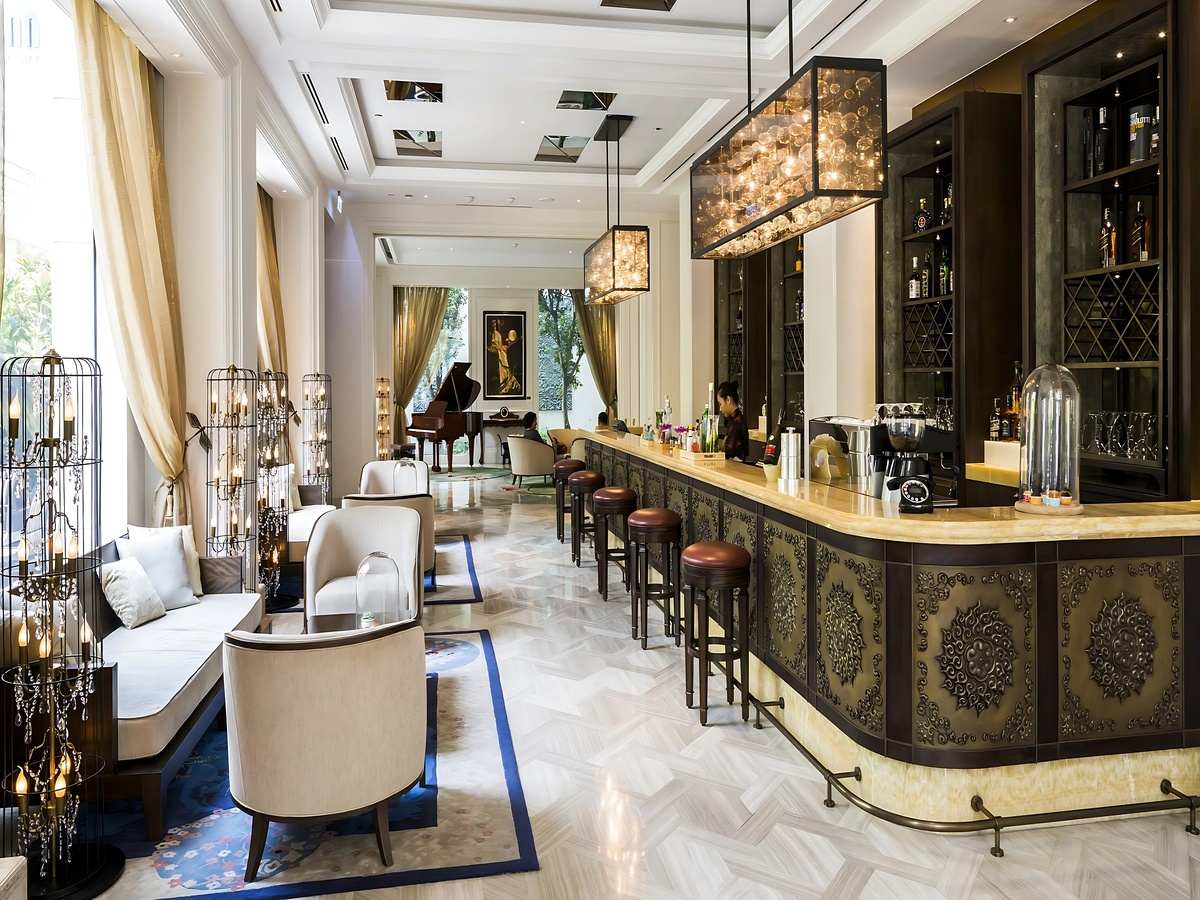
Natural light is fully utilized in living spaces. (Source: Collected)
In addition, the utilization of natural light is also emphasized to reduce reliance on artificial lighting systems. The open space layout helps increase connectivity between functional areas in the house. As a result, the overall space becomes airy and spacious and suits local living habits.
3.3. Creating accents with furniture and handicrafts
Interior in the Indochine style often features craftsmanship with exquisite carved details and carries a strong cultural imprint. Items such as wooden tables and chairs, screens, or decorative lamps play a role in creating focal points for the space. When applying the Indochine style in interior design, furniture not only serves its function but also contributes to shaping the style.
Decorative items like folk paintings, statues, or ceramics are also used to enhance the artistic quality of the living space. These details help the space become more vibrant and reflect the homeowner's personal touch. At the same time, they contribute to preserving and spreading traditional cultural values in modern life.
4. Implementation of Indochine Style in Actual Housing
4.1. Living Room Space in the Indochine Spirit
Indochine-style living rooms often use wooden furniture combined with traditional decorative details to create an elegant reception space. The main colors are usually neutral tones combined with natural light to create a comfortable feeling. The living room layout is often designed to be open, connecting with other areas of the house to enhance spatial connectivity.
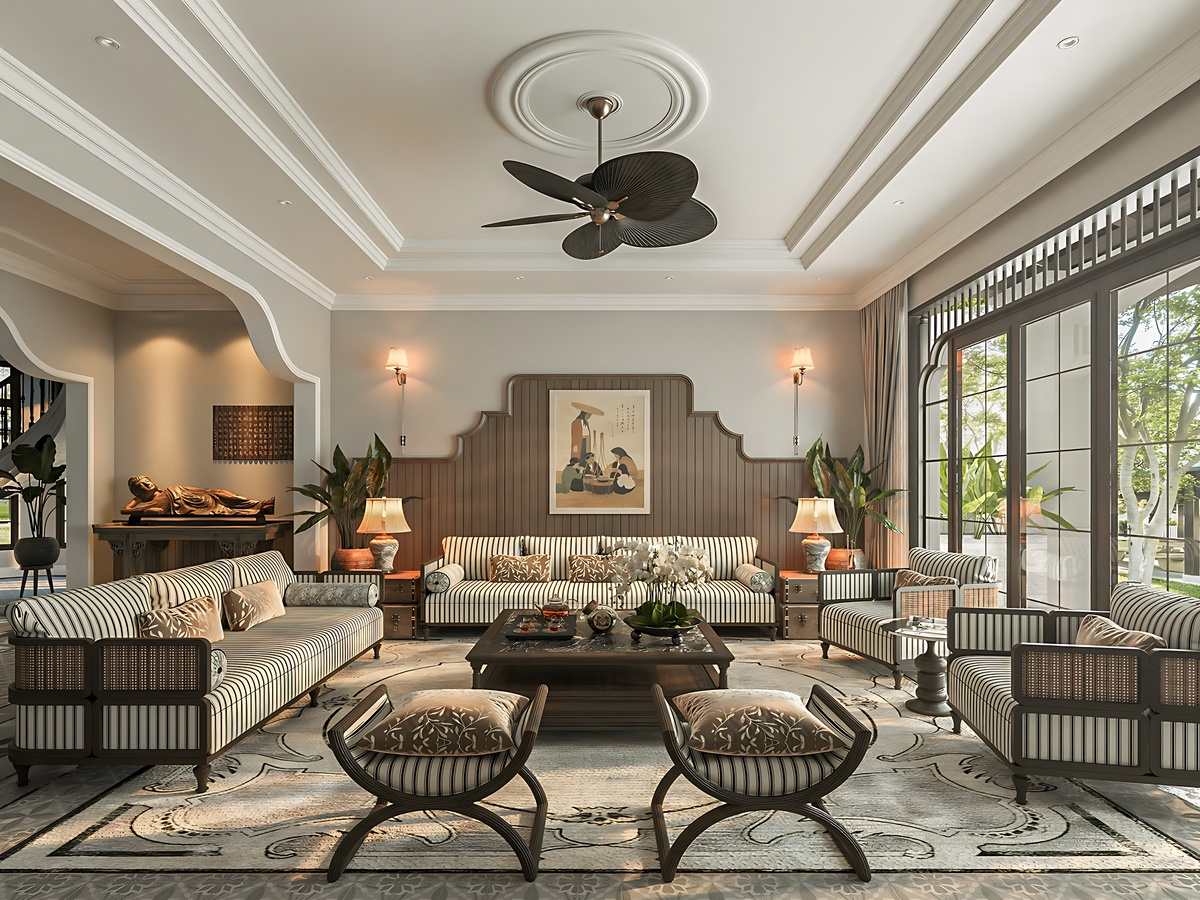
Indochine living room space with harmonious natural light. (Source: Collected)
4.2. Bedroom evoking the Indochine style
Bedroom in the Indochine style emphasizes coziness through the use of natural materials and soft colors. Furniture is often simple but still retains traditional charm through carved details or decorative patterns. When applying the Indochine style in interior design, the bedroom becomes a resting space that balances comfort and culture.
4.3. Points to consider when applying in Vietnam
When applying the Indochine style in Vietnam, material selection needs to be suitable for the climate conditions and the homeowner's financial capability. Natural materials like wood and bamboo need to be treated to ensure durability in humid environments. When implementing Indochine style in interior design, cost and maintenance factors need to be considered from the outset.
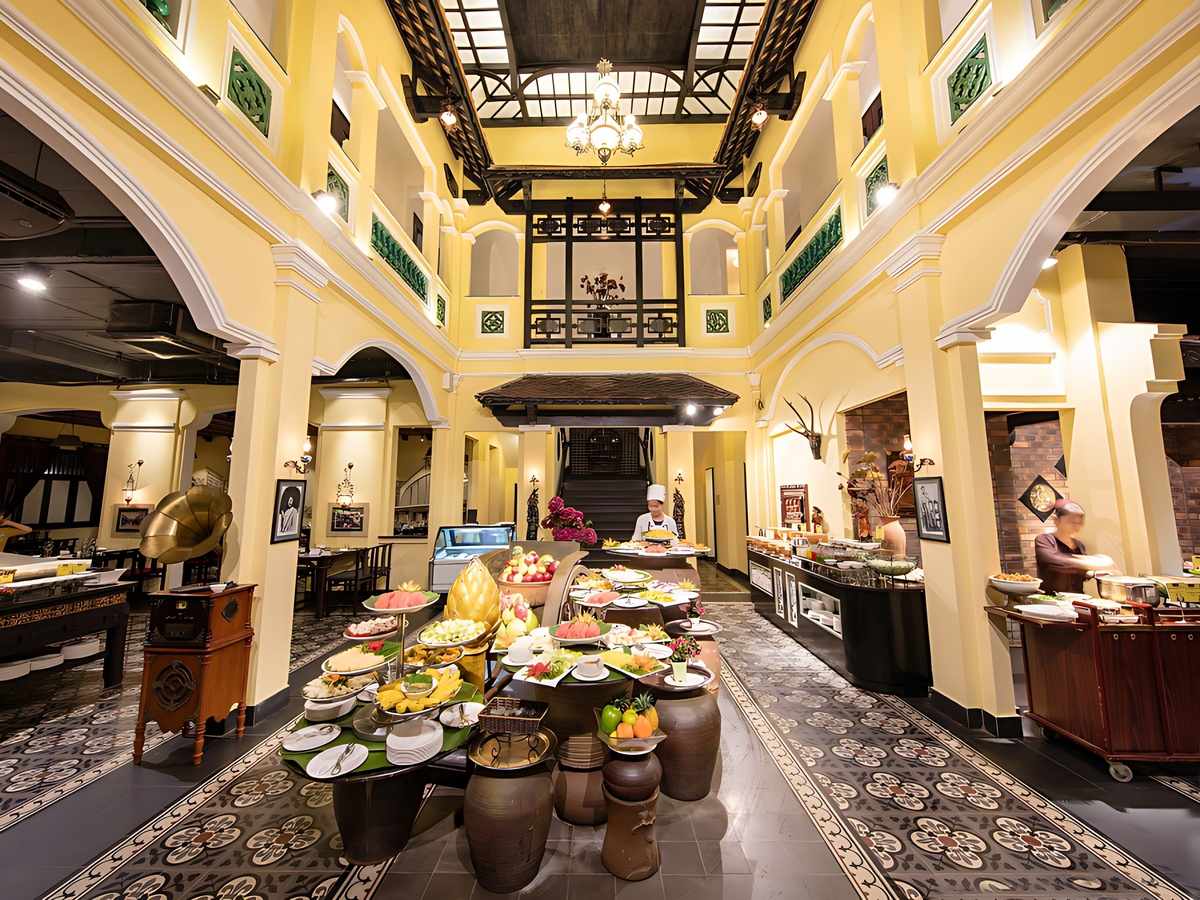
Choosing materials suitable for Vietnam's climate. (Source: Collected)
Additionally, the space area also affects how this style is implemented in practice. For commercial townhouse (Shophouse) projects or modern apartments, the "Less is More" rule in Indochine is being strictly applied. Homeowners should only choose 1-2 "signature" items that strongly bear the Indochine imprint (such as a stylized sideboard or a terrazzo tile wall section) instead of stuffing too many handcrafted details, helping the space remain luxurious without becoming outdated over time.
Understanding the Indochine style in interior design helps homeowners easily create a living space that is both luxurious and rich in cultural identity. When applying the right principles and being flexible in design, this style will bring timeless aesthetic value.