


A detailed comparison of project-based land plots versus independent land plots in 2026: What are the differences?
When entering the real estate market, many people are hesitant about which type is suitable. Understanding the differences between project land and free land will help you avoid legal risks, optimize profits, and make sound investment decisions in the context of the volatile 2026 market.

▲Table of Contents
1. Overview of project land and free land in the 2026 market
1.1. Concept of project land according to new regulations
Project land plots are land lots belonging to housing construction investment projects approved with detailed 1/500 planning. According to the Law on Real Estate Business No. 29/2023/QH15 (effective from 01/08/2024), from 2025, regulations have tightened land subdivision and plot sales: Investors are not allowed to transfer land use rights to individuals for self-construction of houses in wards, districts, and cities of special, type I, type II, and type III urban areas. This means that project land plots in 2026 will mainly be concentrated in urban areas of type IV and below, or in areas not subject to the prohibition, and must have completed technical infrastructure and obtained land use rights certificates before transaction.
1.2. Concept of Independent Land Plots in the Current Market
Independent land plots are land owned by individuals or households, directly transferable in the market without being part of any master plan developed by an enterprise. This type typically appears as residential land, garden land, or small-scale subdivided plots within existing residential areas, with uncoordinated scales depending on specific regions. Common characteristics include flexibility in transactions and diversity in usage purposes.
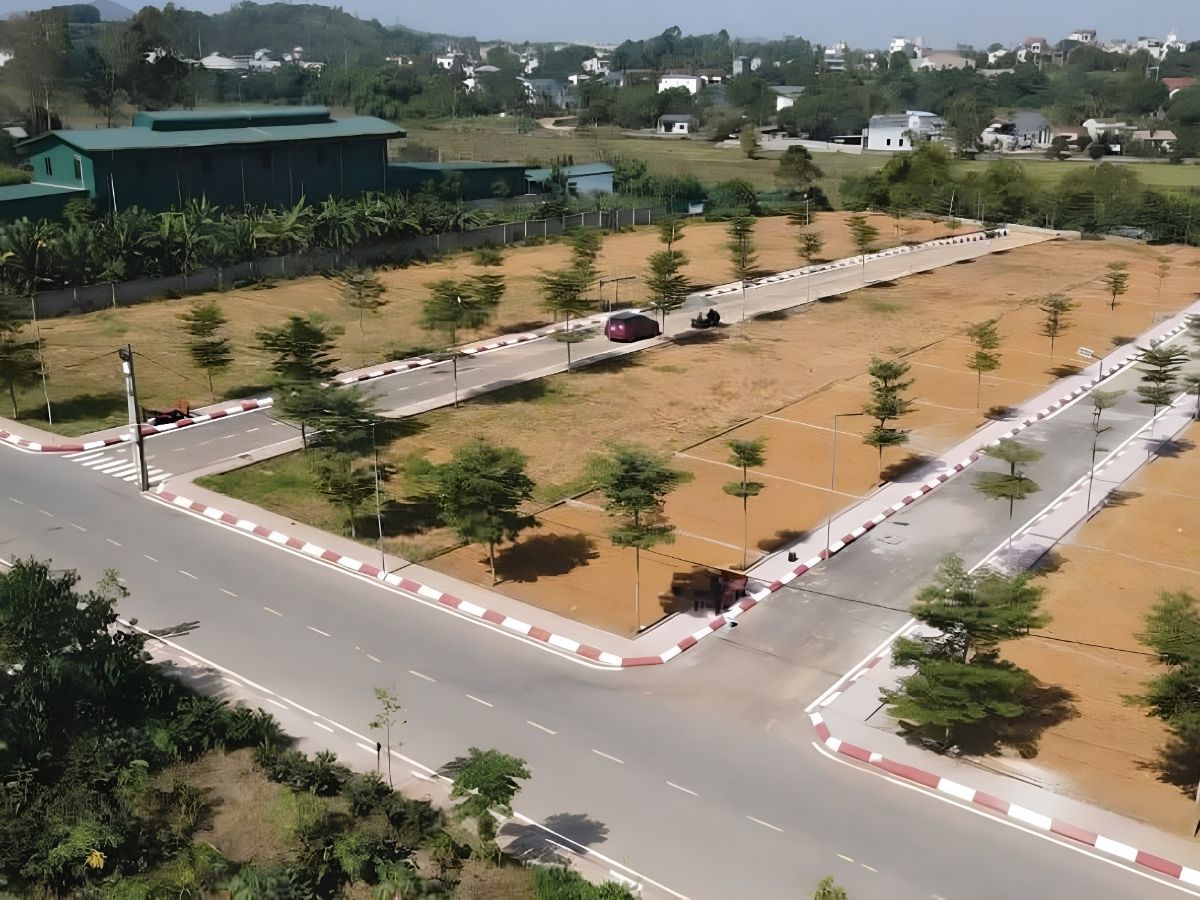
Land plots offer flexible trading, but infrastructure and planning are uncoordinated. (Source: Compiled)
As it is not part of project planning, freehold land is not required to have an integrated infrastructure system before transactions, leading to significant differences in area quality and development potential. Transactions are usually based on individual land use rights certificates; however, cases of joint title deeds or unclear subdivisions may arise. This requires buyers to clearly understand how project land and freehold land differ.
1.3. Land Selection Trends in 2026
The real estate market in 2026 records a change in investor behavior, prioritizing products with clear legal status, especially after the period of credit tightening and control over land subdivision and sale activities. The new Real Estate Business Law requires project information disclosure and enhances the responsibility of investors, causing project land plots to tend to be more interested. Meanwhile, investment capital tends to shift towards suburban areas and satellite provinces.
Besides, freehold land plots still maintain their appeal in the low-price segment or serve the need for actual housing in existing residential areas, especially in districts and newly developing areas. However, the market is showing a clear differentiation between the two types, as legal and planning factors become important criteria in investment decisions. This helps clarify how project land plots and freehold land plots differ .
2. Differences between project land plots and freehold land plots
2.1. Differences in legal status and ownership
Legally, project land plots must have a land allocation decision, 1/500 approval, and a document from the managing agency stating eligibility for transfer according to Article 31 of the Real Estate Business Law No. 29/2023/QH15. Meanwhile, freehold land plots are directly governed by the Land Law No. 31/2024/QH15. The biggest difference currently is the condition for subdivision: Freehold land plots wishing to be subdivided must ensure the minimum area and side dimensions according to provincial People's Committee regulations and especially must have connected transportation infrastructure according to new construction standards, making individual "lot splitting" more difficult and transparent than before.
Meanwhile, free land plots may encounter situations such as shared title deeds, not yet being subdivided, or incomplete legal procedures as per regulations, leading to risks in the transaction process. The level of transparency depends on each specific file and the buyer's ability to check with local authorities. This difference helps clearly identify how project land plots and free land plots differ.
2.2. Differences in planning and infrastructure
Land plot projects are usually approved with detailed 1/500 planning, including internal traffic systems, electricity, water, drainage, and public utilities according to urban development standards. Infrastructure investment is carried out synchronously before transfer, helping to enhance usability and long-term value of real estate. This is an important factor in current sustainable urban development strategies.
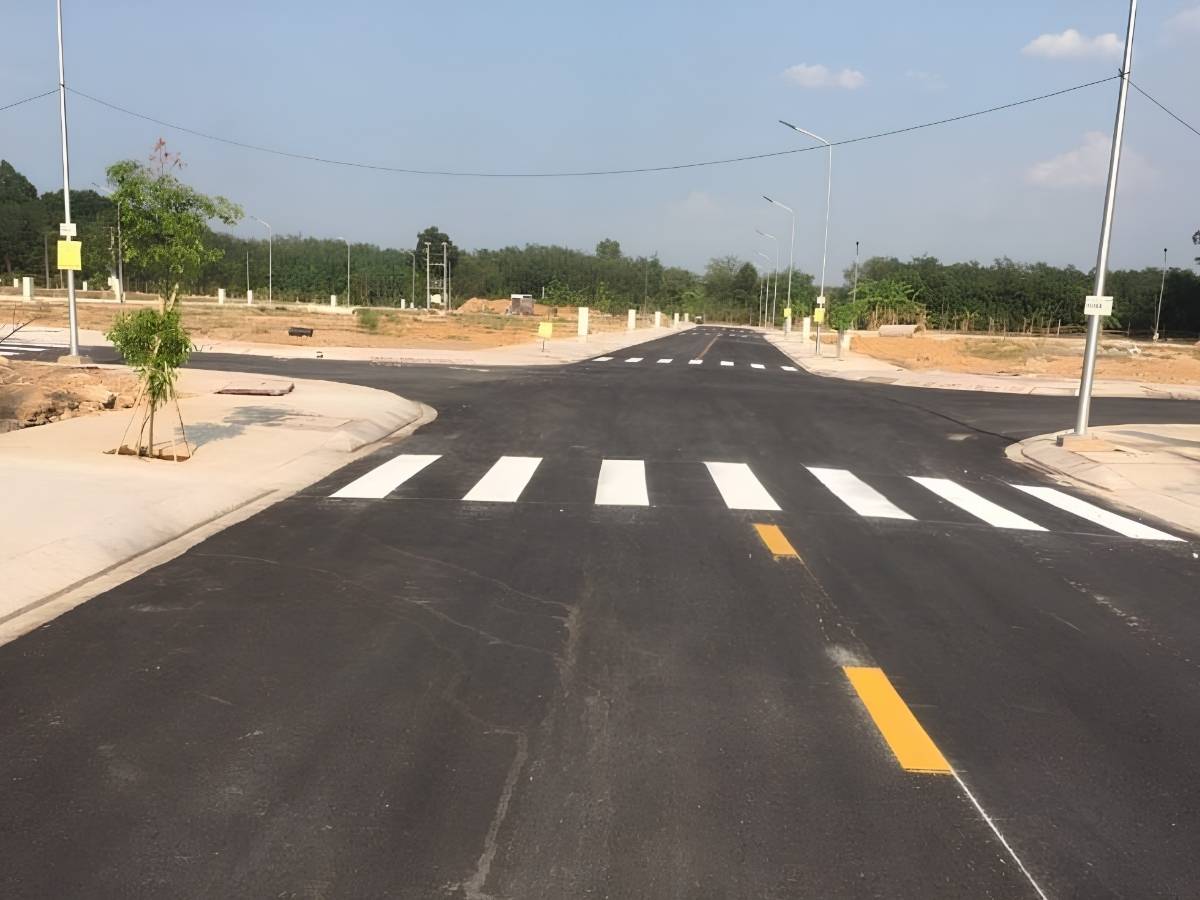
Project land plots have a clear 1/500 scale plan and synchronous infrastructure. (Source: Collected)
Conversely, free land plots depend on the existing residential area's infrastructure and often lack a clear overall plan, leading to disparities in living quality and development potential. Infrastructure upgrades depend on local planning and budget resources, causing uneven development progress. This contributes to clarifying how project land plots and free land plots differ .
2.3. Differences in selling price and appreciation potential
Project land plots usually have higher prices because they include costs for infrastructure investment, legal aspects, and synchronized planning, while also having stable long-term value. The selling price is shaped by the developer and is influenced by the project's progress as well as the area's planning. This helps limit strong fluctuations but still ensures the potential for price increases according to urban development cycles.
2.4. Differences in investment risk
Regarding project land plots, the main risks stem from the developer's reputation, implementation progress, and the ability to complete infrastructure as committed. However, new legal regulations requiring information disclosure and strict control over sales conditions have contributed to mitigating these risks during the 2025–2026 period. Buyers can check project information before transacting to limit errors.
3. Advantages and disadvantages of each type of land plot
3.1. Advantages and limitations of project land plots
Project land plots have advantages in clear legal status, integrated planning, and good infrastructure connectivity, which help increase stability and ease of transfer in the market. New regulations require developers to disclose information and complete infrastructure before selling, contributing to increased transparency and reduced risks for buyers. This is a factor suitable for investors with a long-term strategy.

Project land plots have clear legal status, good infrastructure, but a higher price. (Source: Collected)
However, the selling price of this type is usually higher due to infrastructure and planning investment costs, and also depends on the developer's project implementation progress. Project delays can affect the investor's usage plan and cash flow. These characteristics help explain how project land plots and free land plots differ .
3.2. Advantages and limitations of free land plots
Flexible land plots offer the advantage of lower prices and flexibility in construction, suitable for buyers with genuine housing needs or limited capital. Buyers can proactively design and build according to personal needs without being bound by the project's detailed planning. This is an attractive point for existing residential areas.
3.3. Comparison of actual profitability
Project land plots are suitable for a systematic investment strategy, aiming for value appreciation driven by planning and infrastructure, especially in the context of a more tightly regulated market from 2025 onwards. Growth value is often linked to project progress and urban development, helping to ensure long-term stability. This is an ideal option for investors with a long-term vision.
Conversely, free land plots are suitable for short-term investment strategies or "flipping" if the right area with new planning information or rapidly developing infrastructure is chosen. However, market data for the 2024–2026 period shows greater volatility and heavy dependence on local factors. This difference clarifies how project land plots and free land plots differ .
4. Experience in choosing the right type of land plot
4.1. Clearly define the land purchase objective
Determining the land purchase objective is an important step that guides the choice of suitable types, including the need for actual living, long-term investment, or short-term investment according to market cycles. Each objective will correspond to different risk tolerance levels and financial capabilities. Buyers need to carefully evaluate before making a decision.

Defining land purchase goals helps choose the appropriate type and strategy. (Source: Collected)
4.2. Check legal aspects before paying
In 2026, buyers need to maximize the use of the Housing Information and Real Estate Market System under Decree 357/2025/ND-CP, effective from 1/3/2026. All land plot projects eligible for transaction must be publicly disclosed on this system. For free land plots, it is necessary to check the land use planning until 2030 that has been updated to avoid buying land that belongs to public planning or land involved in disputes. Online lookup helps you quickly identify how project land plots and free land plots differ in their actual legal status.
4.3. Assess location and regional potential
Location is an important factor affecting real estate value, including transportation infrastructure, urban planning, and connectivity to key economic areas. Areas with large investment flows and clear planning often have stable long-term price appreciation potential. This is a criterion that needs careful consideration before choosing.
4.4. Advice from real estate experts
Real estate experts recommend not chasing short-term price surges but focusing on the actual utility value of assets, including their potential for occupancy, exploitation, or rental. This helps limit risks from market fluctuations and ensures investment sustainability. Choosing products that suit actual needs is a crucial factor.
Furthermore, diversifying the investment portfolio helps spread risk and leverage opportunities from various segments within the real estate market. Combining different product types helps balance profit and capital safety. These directions help better understand how project land and free land differ .
Understanding how project land and free land differ not only helps you avoid common risks but also opens up effective investment opportunities in 2026. Each type has its own advantages and disadvantages; the important thing is to choose one that suits your financial goals and long-term strategy.