


Check the complete real estate transaction records immediately to avoid losing money
The process of transferring the red book (land ownership certificate) is often considered a nightmare due to the complexity of administrative procedures. However, if you meticulously prepare complete real estate transaction documents from the beginning, you will avoid arising complications. Learn now the tips to complete legal procedures quickly and safely.

▲Table of Contents
1. Real estate transaction dossiers according to legal regulations
1.1. Documents the seller needs to prepare
During the real estate transaction process, preparing a complete real estate transaction dossier by the seller is an important step to ensure the legality of the transaction. The most important document is the original Land Use Rights Certificate, Ownership of Assets Attached to Land (according to the new template applied from 2025).
This is the sole legal basis for determining the ownership and usage rights of the seller's property. Furthermore, information about the land parcel has now been integrated with an identification QR code, making legal validity checks at the notary office faster and more accurate through the national data system.
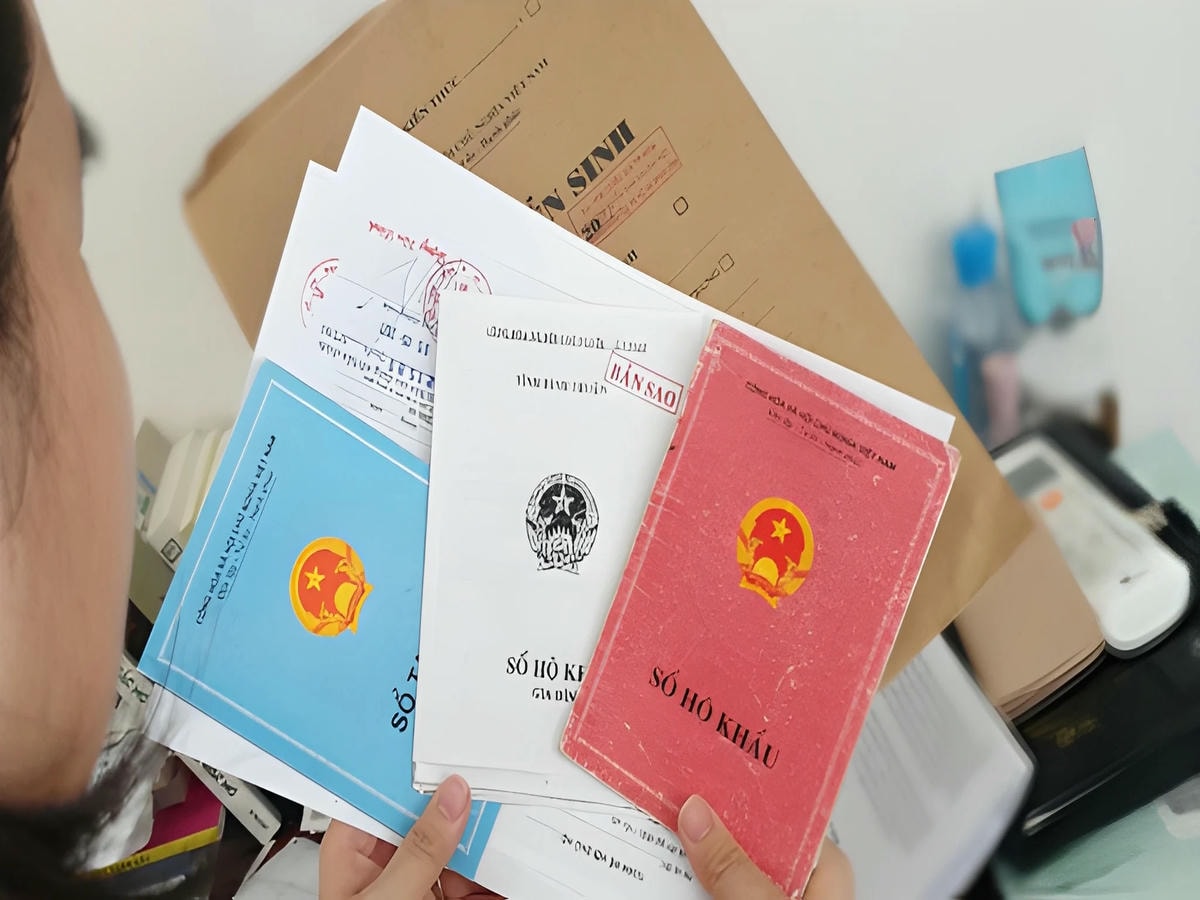
The seller needs to prepare the original land use right certificate and valid personal identification documents. (Source: Collected)
The seller needs to prepare a chip-embedded Citizen Identity Card or use an electronic identification account on the VNeID application at level 2. As paper household registration books have been officially abolished according to the 2020 Law on Residence, all residential information of citizens is now directly extracted from the National Population Database. This helps simplify paper documents but requires the owner to ensure that personal information is updated correctly and sufficiently in the system.
1.2. Documents the buyer needs to prepare
For the buyer, the real estate sale and purchase dossier also includes personal identification documents to confirm the transferee's information. Documents commonly required include a valid citizen identity card or passport, and a proof of residence according to current regulations. These documents are used to draw up the transfer contract and carry out the land use change registration procedures.
The buyer also needs to prepare their Citizen Identity Card and information about their marital status. However, according to new regulations, this information has largely been interconnected on the data system. In case the marital status information is not updated in a timely manner on VNeID, the buyer still needs to bring the original Marriage Certificate or Certificate of Marital Status for the notary to check, in order to determine whether the purchased property is joint or separate property, ensuring future ownership rights.
1.3. House and land sale contract
In the real estate transaction dossier, the land use rights transfer contract is the most important document in the transaction process. According to legal regulations, this contract must be made at a notary organization or certified by a competent authority. Notarization helps confirm the legality and voluntariness of the parties involved in the transaction.
The content of the contract usually includes information about the land parcel, area, location, and land use rights certificate number. In addition, the contract also shows the transfer price, payment method, and asset handover time. These terms help clearly define the rights and obligations of the parties in the transaction.
2. Complete Process for Real Estate Sale and Purchase Documents
2.1. Legal Check Before Making a Deposit
Before proceeding with the official transaction, legal checking is an important step in the preparation process for real estate sale and purchase documents . Buyers need to verify the mortgage or dispute status of the property at the land registration agency. This information helps ensure the asset can be legally transferred.

Buyers should check legal status, zoning, and mortgage status before making a deposit. (Source: Collected)
Additionally, buyers should also check planning information with local authorities to determine if the property is within a planned area. If the land parcel is subject to planning or infrastructure projects, transfer or construction may be restricted. Early checks help avoid future legal risks.
2.2. Notarization of the transfer agreement
After completing the legal review steps, the parties proceed to sign the transfer contract at a notary organization. During the process of real estate transaction documents, notarizing the contract is a mandatory step for the transaction to be legally recognized. The notary will check the documents and confirm the validity of the related papers.
At the notarization session, the parties will sign the transfer contract in the presence of the notary. The notary is responsible for explaining the contract's content and ensuring the parties understand their rights and obligations. After signing, the contract is stamped and stored according to regulations.
2.3. Tax and Fee Declaration and Payment
After the contract is notarized, the parties need to fulfill their financial obligations related to the real estate transfer. During the process of completing complete real estate transaction documents, personal income tax is usually calculated at 2% of the transfer value according to current regulations. This tax is usually borne by the seller, but the parties can agree otherwise in the contract.
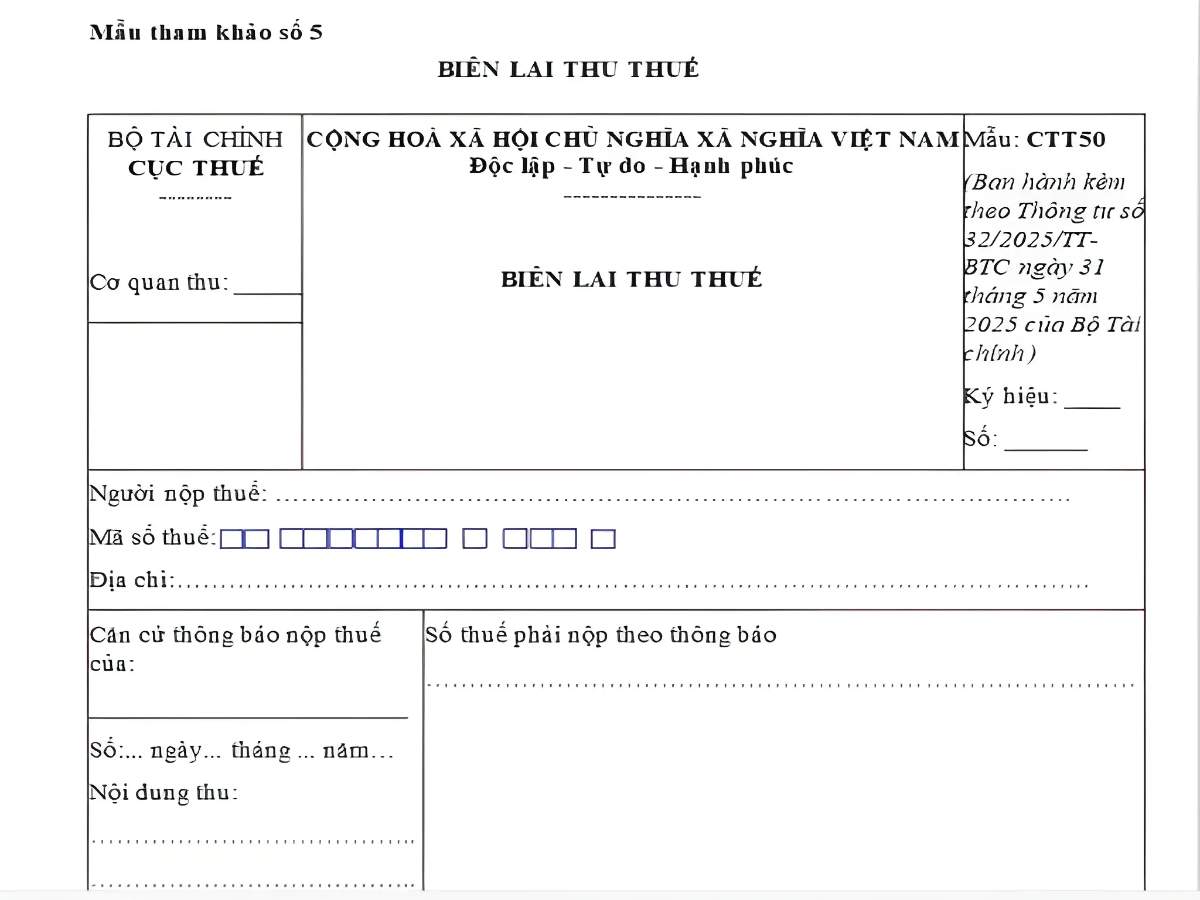
After notarization, the parties must declare taxes and pay fees according to regulations. (Source: Collected)
The buyer has the obligation to pay a registration fee at a rate of 0.5% to register ownership. Notably, according to Land Law No. 31/2024/QH15, the land price framework has been abolished. The current 2% tax and 0.5% fee will be calculated based on the land price list close to market prices issued annually by provincial People's Committees. This regulation aims to ensure transparency, avoiding the situation of declaring low transaction values on contracts to evade taxes, a common violation in previous years.
In addition, some other fees such as application appraisal fees or land registration fees may also arise during the name transfer process. These fees are stipulated by provincial People's Councils and may vary between localities. Completing financial obligations is a condition for continuing to carry out the land use change registration procedure.
2.4. Submitting name transfer application at the land registration agency
After completing financial obligations, the transferee needs to submit a land use change registration file at the land registration office. The components of the real estate purchase and sale file during this period usually include a land use change registration application, a notarized transfer contract, and the original land use right certificate.
The land registration office will receive the file and send the information to the tax authority to determine financial obligations if not yet completed. After the applicant completes the taxes and fees, the competent authority will proceed to update the new owner's information on the certificate. This process helps establish the legal ownership rights of the buyer.
According to current regulations, the processing time for name transfer procedures is usually no more than approximately ten working days under valid application conditions. However, the actual time may vary depending on each locality and the complexity of the application. Tracking the progress helps the buyer receive the certificate on time.
3. Common mistakes when preparing real estate transaction documents
In practice, during transactions, many cases of preparing real estate sale and purchase dossiers incomplete lead to multiple additions or corrections. A common mistake is the lack of documents proving the marital status of the parties involved in the transaction. This can cause notarized contracts to be delayed until the dossier is completed.

Lack of documents and failure to conduct legal checks can easily lead to disputes and delays in title transfer. (Source: Collected)
Furthermore, some transactions only involve a deposit contract with unclear terms regarding responsibilities and violation penalties. When disputes arise, the lack of specific provisions in the contract can cause difficulties in the resolution process. This is particularly common in high-value real estate transactions.
Another mistake is not carefully checking the planning information or the mortgage status of the land parcel before signing the contract. If the property is mortgaged or is in dispute, the transaction may be suspended or lead to legal risks. Therefore, checking the information before the transaction is an important step.
In addition, some cases involve transactions made by hand (handwritten agreements) without notarization as required by law. This form of transaction does not guarantee legal validity and can cause difficulties when carrying out the name transfer procedure. This puts the buyer at risk in establishing ownership rights.
Additionally, delaying tax obligations after signing the transfer contract can also lead to administrative penalties. According to legal regulations, parties need to declare and pay taxes within a specified period after the contract takes effect. Adhering to the deadline helps avoid unnecessary costs.
4. Important notes for safe real estate transaction records
4.1. Carefully check the land use rights certificate
When making a transaction, the first step is to carefully check the land use rights certificate of the property. During the preparation of property transaction file, it is necessary to compare information about the area, the land's purpose, and the duration of use recorded on the certificate. This helps ensure the property meets the buyer's needs.
Additionally, the buyer also needs to verify whether the property is mortgaged or has transaction restrictions. This information can be checked at the land registration agency or through the property's legal records. This check helps limit risks arising during the transfer process. Comparing the certificate with the actual status of the land plot is also a necessary step. If there are differences in area or boundaries, they need to be clarified before signing the transfer contract to avoid future disputes.
4.2. Prepare complete documents before the notarization date
Another important note during the preparation of real estate sale and purchase documents is to arrange all necessary documents before the notarization date. The documents to be prepared include the original land use right certificate, personal identification documents, and documents proving the marital status of the parties. Adequate preparation helps the notarization session proceed smoothly.
Besides the originals, parties should also prepare copies of documents as required by the notarization organization. Some cases may require certified copies to be kept in the notarization file. Scientific arrangement of documents helps save time during the procedure.
Additionally, it is necessary to carefully check the validity of personal documents such as the expiry date of citizen identification cards or passports. If documents are expired or information does not match, the application may be rejected. Therefore, reviewing before notarization is a necessary step.
4.3. Prioritize real estate with transparent legal status
An important principle when participating in the real estate market is to prioritize selecting properties with clear legal records. During the process of preparing real estate sale documents, choosing properties with complete certificates helps minimize risks in the transaction and title transfer process.

It is advisable to prioritize real estate with clear legal status to ensure safe transactions. (Source: Compilation)
Additionally, well-planned projects often have a complete and transparent legal documentation system. These projects are usually prepared with full legal procedures before being offered for sale and have a clear transfer process. This makes it more convenient for buyers to complete the ownership procedures. Transparent legal status also helps increase the liquidity of real estate in the market. When assets have complete and clear documentation, transferring, mortgaging, or long-term investment is usually more favorable than for assets with incomplete legal status.
Real estate transaction records are the foundation ensuring legal and safe transactions. Properly preparing documents, following correct procedures, and prioritizing properties with transparent legal status will help buyers protect their rights, limit disputes, and increase asset value in the long term.