


Decoding the sophisticated Organic Modern interior style
The fusion of modern geometric lines and the raw beauty from Mother Nature has created a strong architectural wave. So, what is the organic modern interior style that captivates enthusiasts so much? Let's review the core elements that create the irresistible charm of this style.

▲Table of Contents
1. Overview of the Organic Modern style in design
1.1. Origin of the Organic Modern style in interior design
In 2026, the Organic Modern style has evolved into the Biophilic living philosophy (bio-friendly design). This is not just a formal combination of modern and natural elements, but also focuses on creating an indoor ecosystem, helping to reduce stress and increase positive energy for homeowners through materials that can 'breathe' and filter air.
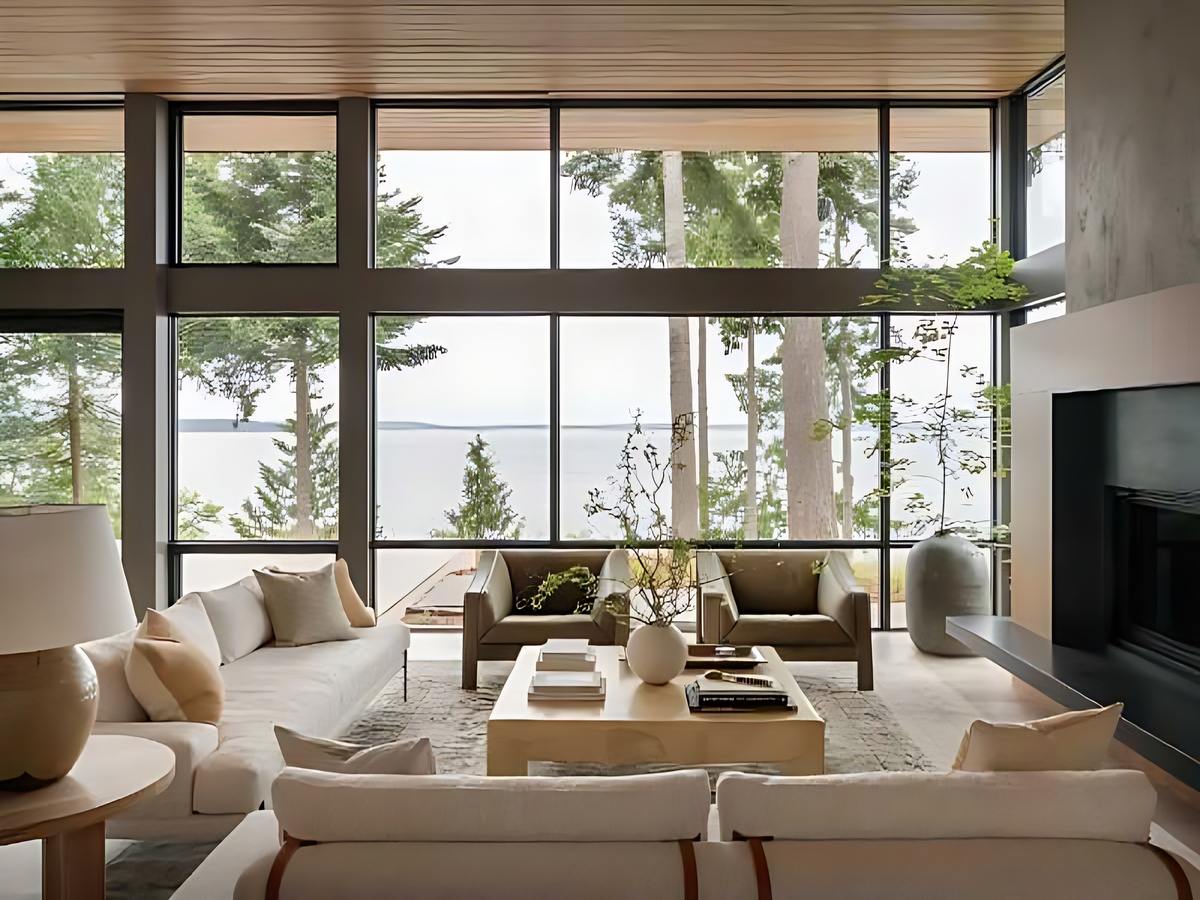
Organic Modern style combines nature and modernity to create a harmonious space. (Source: Collected)
When learning about what the Organic Modern interior design style is, it can be seen that this is a style that aims for harmony between humans and their surrounding living environment. The space is designed to be both modern and retain the rustic charm of nature. This helps create a relaxing and comfortable feeling in daily life.
1.2. The spirit of design blending modern and natural
The Organic Modern style clearly expresses the balanced spirit between the minimalism of modern design and natural elements in materials and colors. The space is arranged neatly but still features the presence of greenery, light, and rustic materials. When analyzing what is Organic Modern interior design, it can be seen that this combination is not only aesthetic but also reflects a sustainable lifestyle.
1.3. The role of Organic Modern style in living spaces
Organic Modern style plays an important role in creating living spaces that balance comfort and a sense of relaxation. Natural elements help improve the living experience and create an environment close to nature. This aligns with the current trend of modern home design.
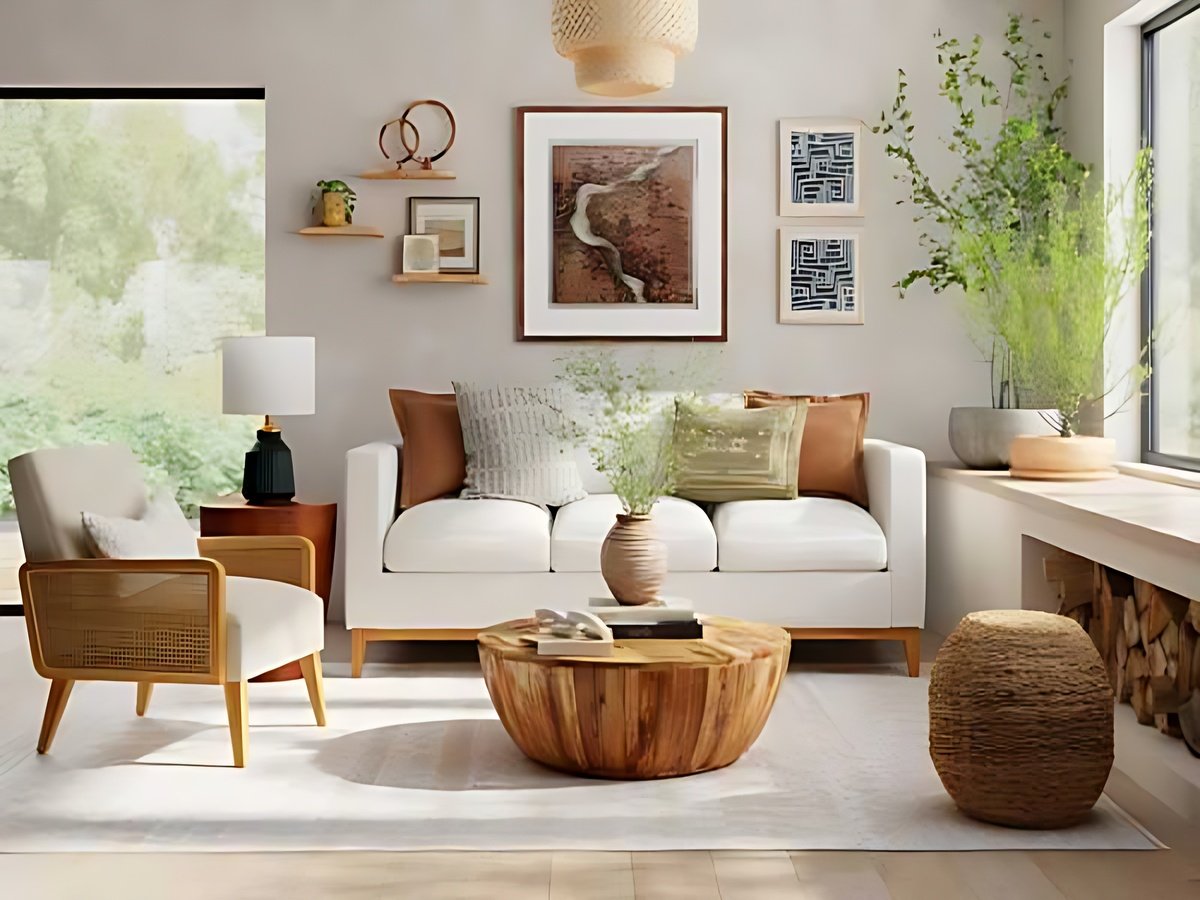
Organic Modern style creates a balanced and relaxing living space. (Source: Collected)
When evaluating what is the Organic Modern interior style, it can be seen that this style brings aesthetic value and a pleasant feeling to the user. The space is designed to focus on comfort and long-term stability. This is a factor that helps this style gain increasing attention.
2. The soul of the Organic Modern style in interior design
2.1. Softening the space with natural curves
One of the most noticeable characteristics of the Organic Modern style is the minimal use of rigid straight lines. Instead, there are graceful curves from sofas, coffee tables to doorways or ceilings. This 'softening' makes the space more intimate and comfortable, while creating a sense of natural flow throughout the design.
2.2. Raw yet sophisticated materials
The dominant materials for the Organic Modern style in 2026 prioritize sustainable woods with FSC certification, natural translucent stone, and especially fabrics woven from pineapple fiber, bamboo fiber, or vegan leather. These materials not only bring a characteristic rustic feel but also meet the green and sustainable living standards that are highly valued today. These materials bring a sense of closeness and contribute to creating an environmentally friendly living space.
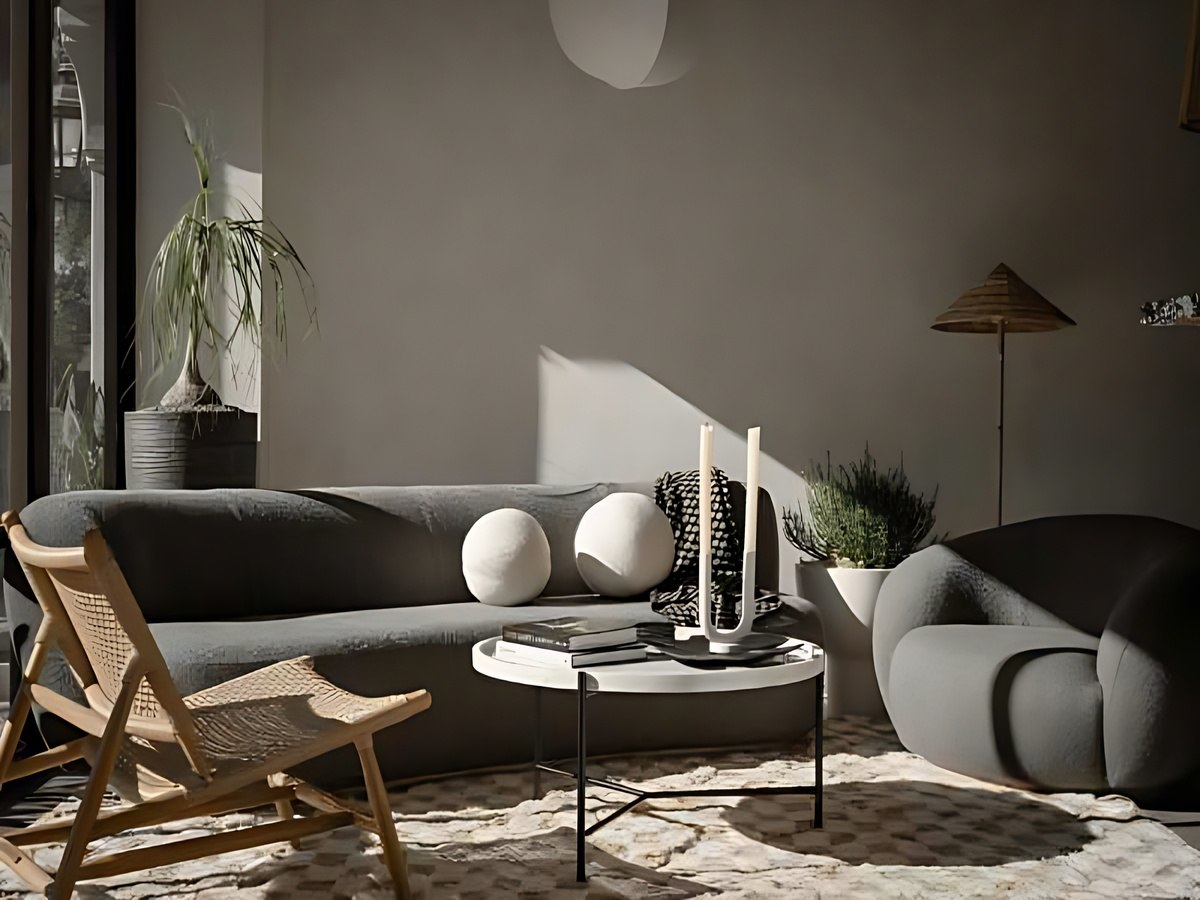
Natural materials help the Organic Modern space feel inviting and sustainable. (Source: Collected)
When exploring what the Organic Modern interior design style is, it can be seen that the choice of materials plays a decisive role in the overall design. Natural materials help enhance the aesthetics and durability of the space. At the same time, they also contribute to creating a warm and relaxing feeling.
2.3. Neutral color palette, where emotions are balanced
Organic Modern style often revolves around neutral color palettes such as beige, cream white, wood brown, or light gray. These colors not only help expand the visual space but also create a sense of relaxation and gentleness. When combined with natural light, this color palette further enhances its effectiveness in bringing balance and tranquility to living spaces.
2.4. Less but quality, intentional minimalism
Organic Modern spaces do not pursue abundance but aim for selectivity. Each piece of furniture or decorative item has a reason to exist, contributing to a harmonious whole. Green plants, handmade ceramics, or natural decor items are often used as accents, helping the space, though minimalist, not to be monotonous.
2.5. Light and Nature
Natural light plays an important role in perfecting the Organic Modern style. Large window frames, open spaces, or the connection between interior and exterior help light spread throughout the house. As a result, the space is not only visually appealing but also brings a feeling of living "slowly" and closer to nature.
3. Touch - Live - Feel with Organic Modern in Every Space
3.1. Living Room
The Organic Modern living room prioritizes an open layout, connected to the kitchen or balcony to utilize natural light. Sofas are typically placed centrally in curved or soft modular forms, avoiding placement close to rigid walls; low coffee tables made of wood/stone are offset to create natural flow. Walls are minimally decorated, emphasized only by texture (effect paint, wood paneling, fabric) rather than overly prominent paintings. Lamps use warm yellow light, with simple designs and diffused lighting to maintain a gentle visual feel.
3.2. Bedroom
The bedroom is designed with a focus on a low bed, placed along a clear sightline (usually facing the window). Minimalist furniture: small bedside tables, built-in wardrobes or flat-fronted cabinets to avoid visual clutter. Materials like linen, cotton, natural wood enhance the soft "touch" sensation. Thin curtains, diffused light, and soft golden bedside lamps create a stable resting environment that does not stimulate the eyes.
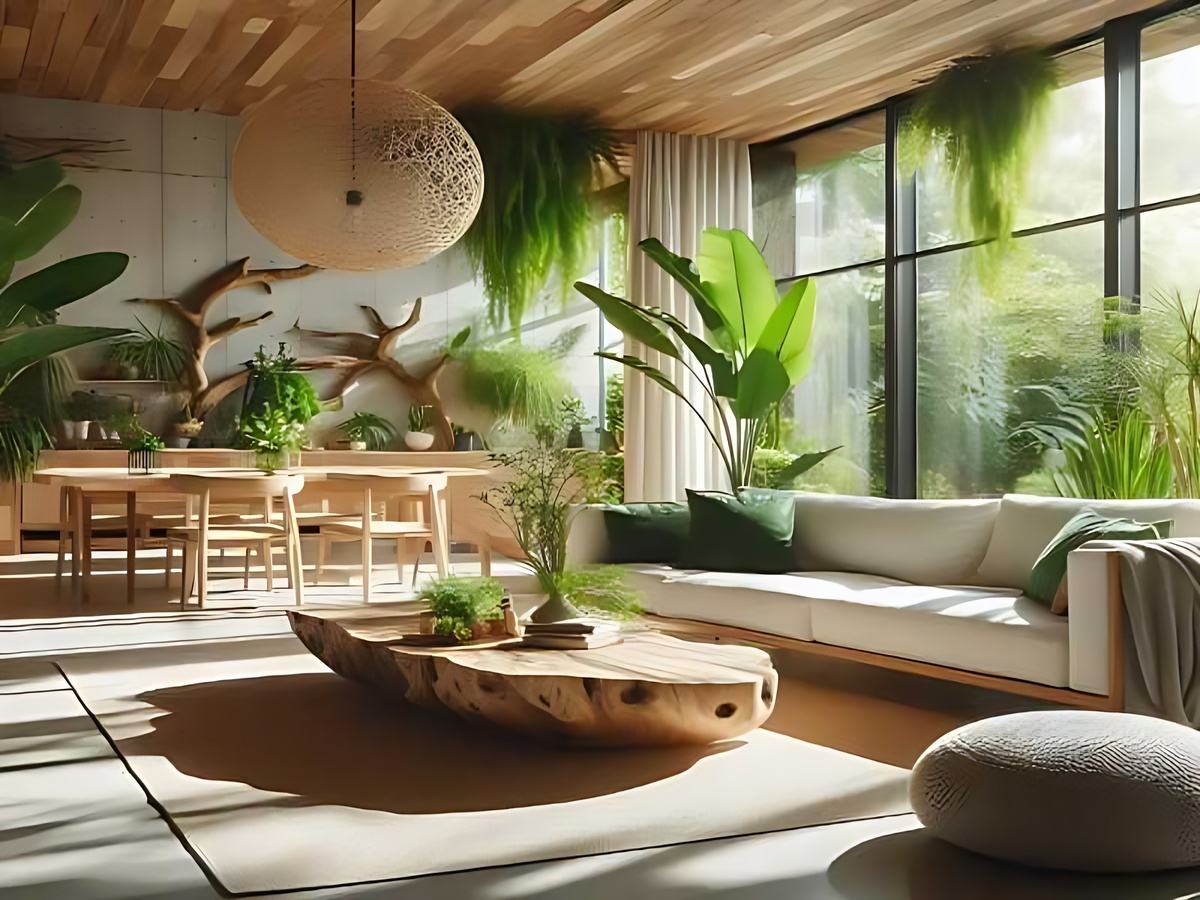
Warm Organic Modern bedroom with natural materials and soft lighting. (Source: Collected)
When designing an Organic Modern style for the bedroom, it is necessary to ensure harmony between the elements in the space. The choice of materials and colors plays an important role in creating a relaxing feeling. This helps improve the owner's rest quality.
3.3. Bathroom
Organic Modern Bathroom clearly separates dry – wet areas, often using glass partitions to maintain openness. Simple block-shaped vanity, seamless stone countertop combined with a wooden cabinet below creates a clean and warm feeling. Neutral colors, limit strong contrasts; instead, emphasize with stone patterns, wood grain. Indirect lighting (recessed lights, mirror lights) helps the space feel soft and brings a home spa-like feeling.
3.4. Kitchen
Kitchens in this style focus on flat surfaces and minimalist cabinetry: handleless or recessed handle cabinets, reducing visual clutter. Functionality is clearly divided according to the triangle (cooking – washing – storage), often featuring an island or an adjacent dining area to enhance connectivity. The main materials are light-colored wood combined with natural stone or lightly veined stone; appliances are "hidden" within the cabinetry to maintain an overall neat appearance. Lighting needs to be strong in the cooking area but maintain an overall warm tone.
3.5. Application in modern apartments and townhouses
The application of Organic Modern in 2026 is extremely strong, especially in 1-bedroom+1 apartments or townhouses with moderate areas in new urban areas such as Thuan An, Bau Bang. The softness of the curves in the design helps to eliminate the cramped feeling of concrete blocks, turning the house into a true relaxing 'oasis' after tiring working hours.
4. Notes on interior design in the Organic Modern style
4.1. Material selection: prioritize 'real + rough + deep'
Don't just choose the 'right type', but choose the right surface: wood should retain its natural grain (matte paint or oil finish, avoid gloss), stone prefers light grain or honed surface instead of mirror polish. Fabric should be coarse-woven linen/cotton, with natural wrinkles to enhance the organic feel. Limit MDF with fake grain or artificial stone that is too 'uniform', because it looks good at first but lacks depth with long-term use.
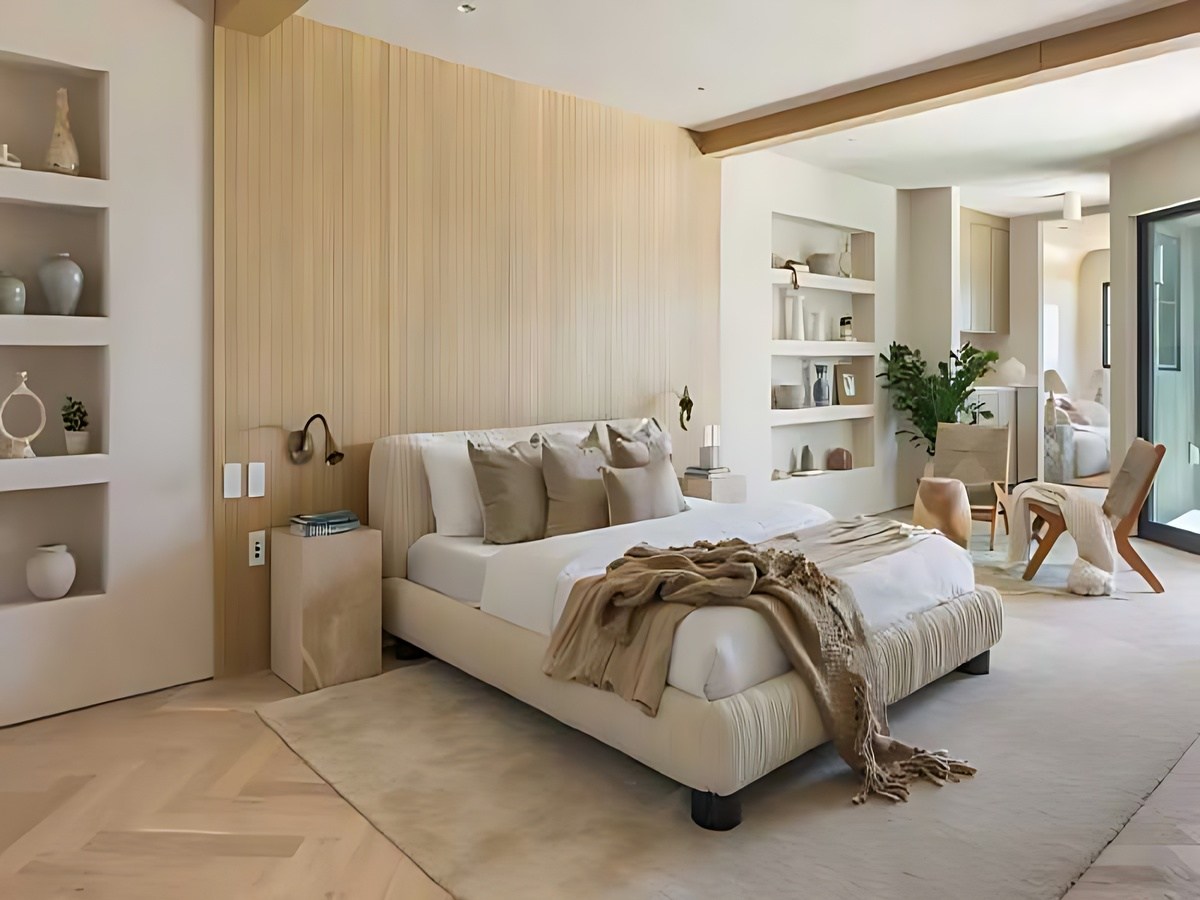
Choosing natural furniture and materials helps the Organic Modern space harmonize. (Source: Collected)
4.2. Color coordination: build a color palette by layer, do not choose disjointedly
Don't just choose 1-2 colors and repeat them, create color layers: base (walls – floor) → intermediate (sofa, curtains) → accent (decor, pillows). Example: off-white walls → beige sofa → brown wooden table → light gray accent. This method helps the space have depth while maintaining a gentle feel. Avoid strong contrasts (harsh black – white), instead use natural gradients between tones.
4.3. Optimizing costs when designing Organic Modern
Cost optimization does not mean making things cheaper, but rather allocating the budget to points that create value. Prioritize investing in items that are "touched often - looked at long" such as sofas, dining tables, wood or stone surfaces, as these are the factors that determine the overall feel. Conversely, you can save on decor or accessories by keeping it minimalist, avoiding buying many small, scattered items that are easily cluttered and costly. Another effective way is to reduce complex construction: limit elaborate wall cladding, omit stepped ceilings, prioritize flat surfaces and simple finishes.
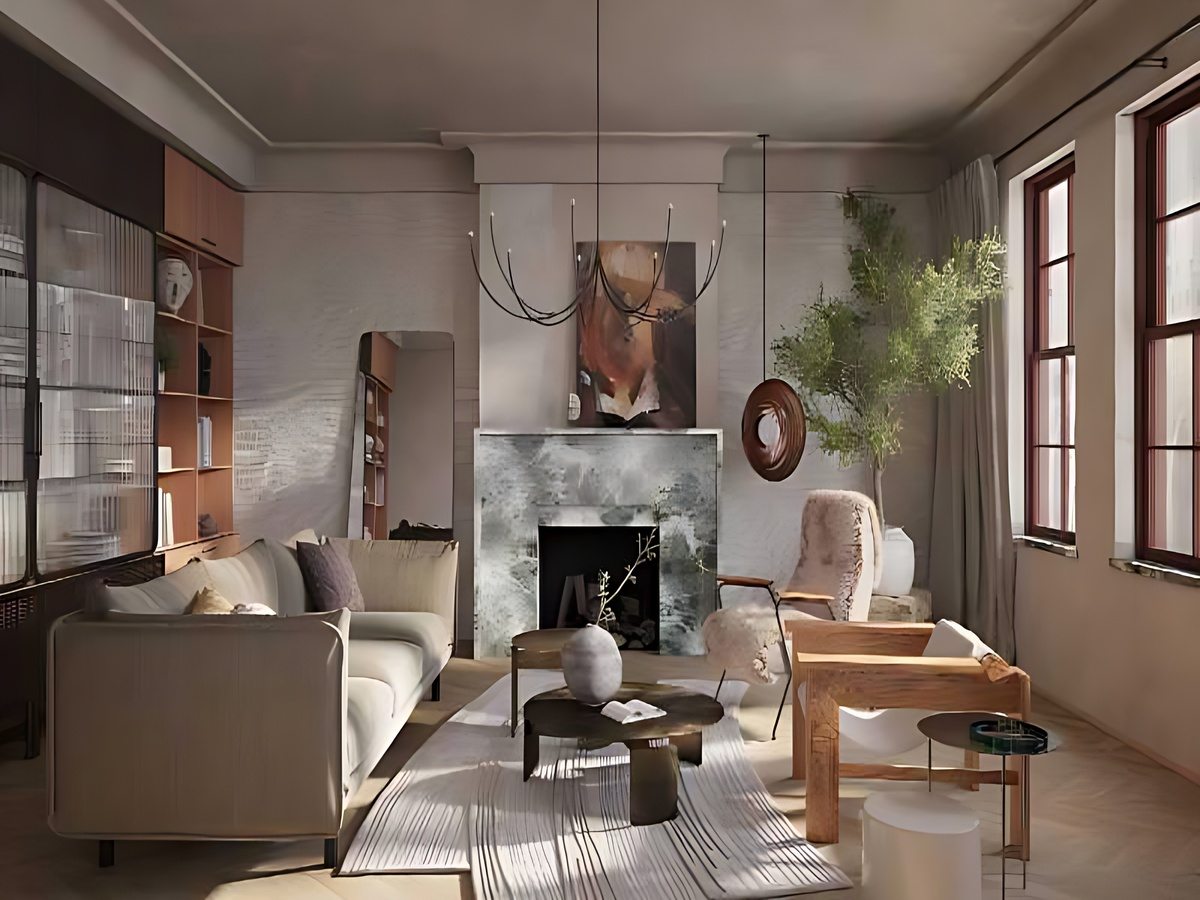
Optimize cost for Organic Modern with reasonable materials and minimalist design. (Source: Collected)
Clearly understanding what the Organic Modern interior style is will help you create a living space that harmonizes modernity and nature. If applied correctly, this style not only enhances aesthetics but also brings a sense of relaxation and balance to life.